Tuesday, April 7 | 5 Movies
Finding the right wine to go with your protein choice isn’t the only important part of preparing a dinner. It’s also vitally important to create the perfect match of movie and menu, the ideal main course, snack or dessert for any family film night. Now you can get guidance from two of the art form’s most knowledgeable critics with the publication of Leonard Maltin and Jesse Maltin, his daughter’s, new “Family Movie Night Menus,” part of the TCM Library. There’s a Christmas Stir Fry for fans of A Christmas Story (1983) and a magical Toad in the Hole to go with The Princess Bride (1987). The book provides background information on 25 family friendly movies, from The Kid (1921) to Enchanted (2007). Though we can’t reveal all of the recipes among the 25 featured in the book, TCM can provide a preview of five of the family films on the menu Tuesday, April 7, with Leonard Maltin and Jessie Maltin introducing the first three.
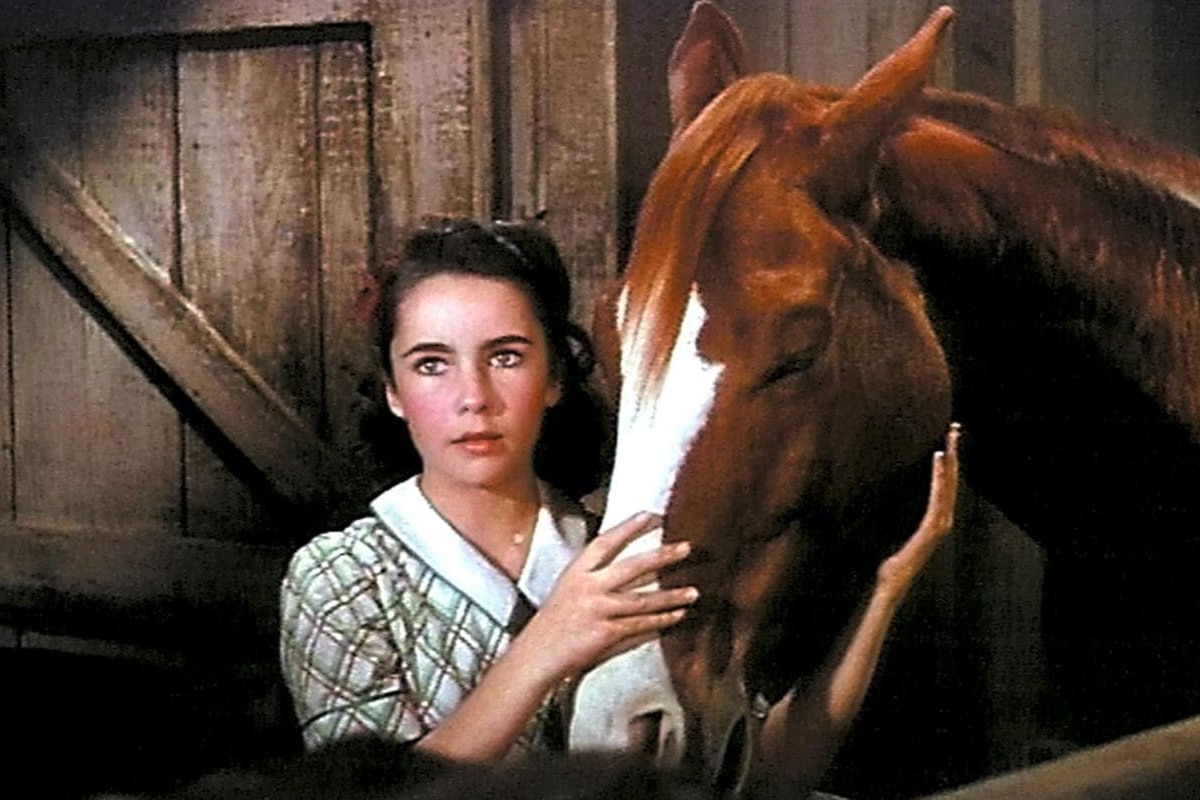
The evening starts with one of the most beloved animal stories of all time, National Velvet (1944). At 12 years old, Elizabeth Taylor became one of Hollywood’s top child stars playing Velvet Brown, an English country girl who loves horses and wins Pie, a beautiful gelding, in a raffle. Her dream is to enter the horse in the Grand National steeplechase, with the help of former jockey Mickey Rooney and her family: father Donald Crisp, mother Anne Revere (who won the Oscar for Best Supporting Actress for her performance), older sisters Angela Lansbury and Juanita Quigley and younger brother Jackie ‘Butch’ Jenkins. The Brown family lives on leftovers from the father’s butcher shop, though in one scene they share a lobster as a special treat. Carrots are the special treat for Pie. Tune in to find out what recipe the Maltins have paired with this family favorite.
Meet Me in St. Louis (1944) was more than a great family musical. It was the breakthrough for producer Arthur Freed and director Vincente Minnelli, the first film to capture the mix of sophistication, taste and popular music that would become hallmarks of the Freed Unit at MGM, Hollywood’s premier musical production group. The episodic plot, adapted from Sally Benson’s “The Kensington Stories,” originally published in The New Yorker, follows the Smith family of St. Louis through the four seasons, bridging 1903 and 1904. Judy Garland had one of her best roles as the third child Esther, who finds love with the boy next door (Tom Drake), while singing such signature songs as “The Trolley Song” and “Have Yourself a Merry Little Christmas.” Other members of the family include mother Mary Astor, father Leon Ames, older sister Lucille Bremer, grandpa Harry Davenport, maid Marjorie Main and, most memorably, youngest child Margaret O’Brien, who won a special Juvenile Oscar for her performance. The Smiths eat typical Midwestern fare, including an early dinner of corned beef and cabbage and ice cream and cake for Halloween. There’s also a gag about Main’s attempts to make homemade ketchup with the perfect balance of sour and sweet.
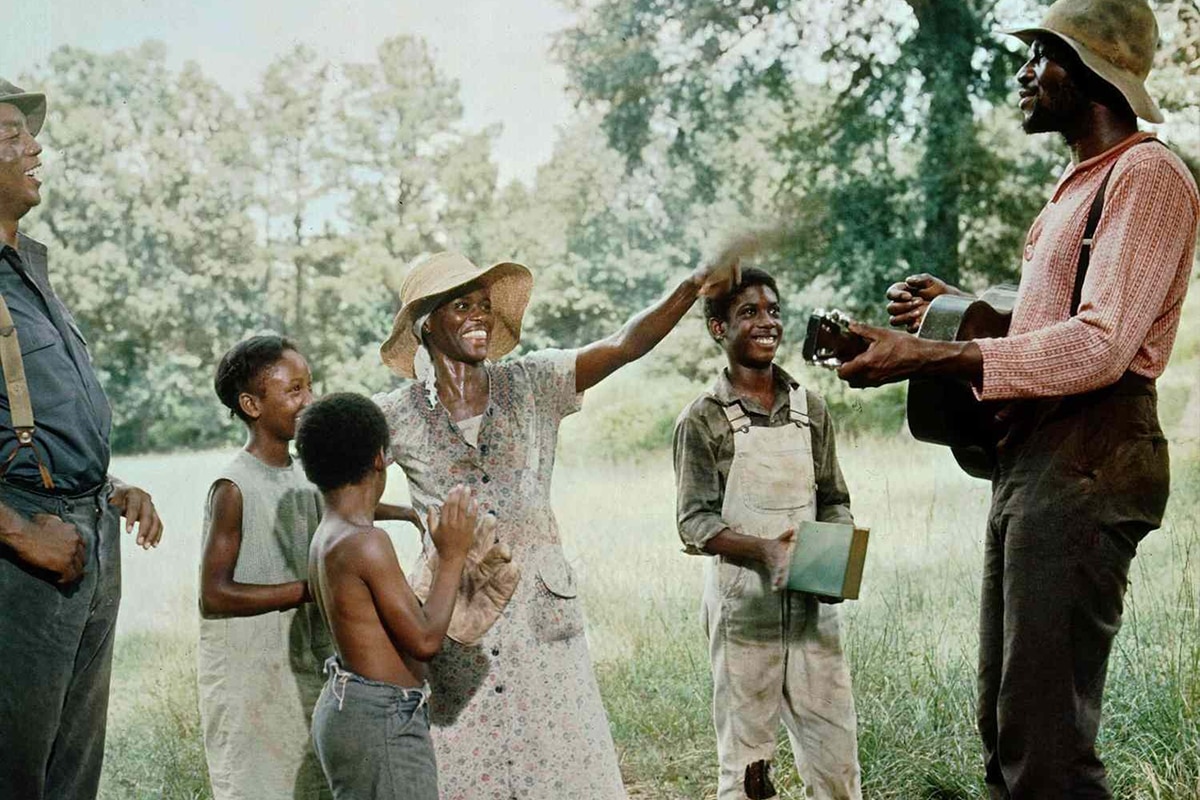
A stolen ham triggers the plot of Sounder (1972), the moving tale of a Southern Black family’s attempts to survive the Depression after the father (Paul Winfield) is sent to prison. The Morgans subsist on corn mush and gravy, with only the occasional possum or raccoon providing protein. It’s left to the mother, Rebecca (Cicely Tyson), and eldest son, David (Kevin Hooks), to keep the family together and tend the sugar cane field they work as sharecroppers. This adaptation of William H. Armstrong’s award-winning 1969 novella was the first in a series of low-budget films produced by toy manufacturer Mattel and producer Robert B. Radnitz. Martin Ritt had to take a fee cut to direct it and then had to convince playwright Lonne Elder III that the film would be an honest and sensitive depiction of African-American lives. It all paid off when the picture became a hit and made Elder the first Black writer nominated for a Best Adapted Screenplay Oscar. It was also the first film to earn nominations for two African-American actors, with Winfield up for Best Actor and Tyson, who had previously won awards from the National Board of Review and the National Society of Film Critics, up for Best Actress. It remains one of the screen’s most moving, popular and respected family dramas.
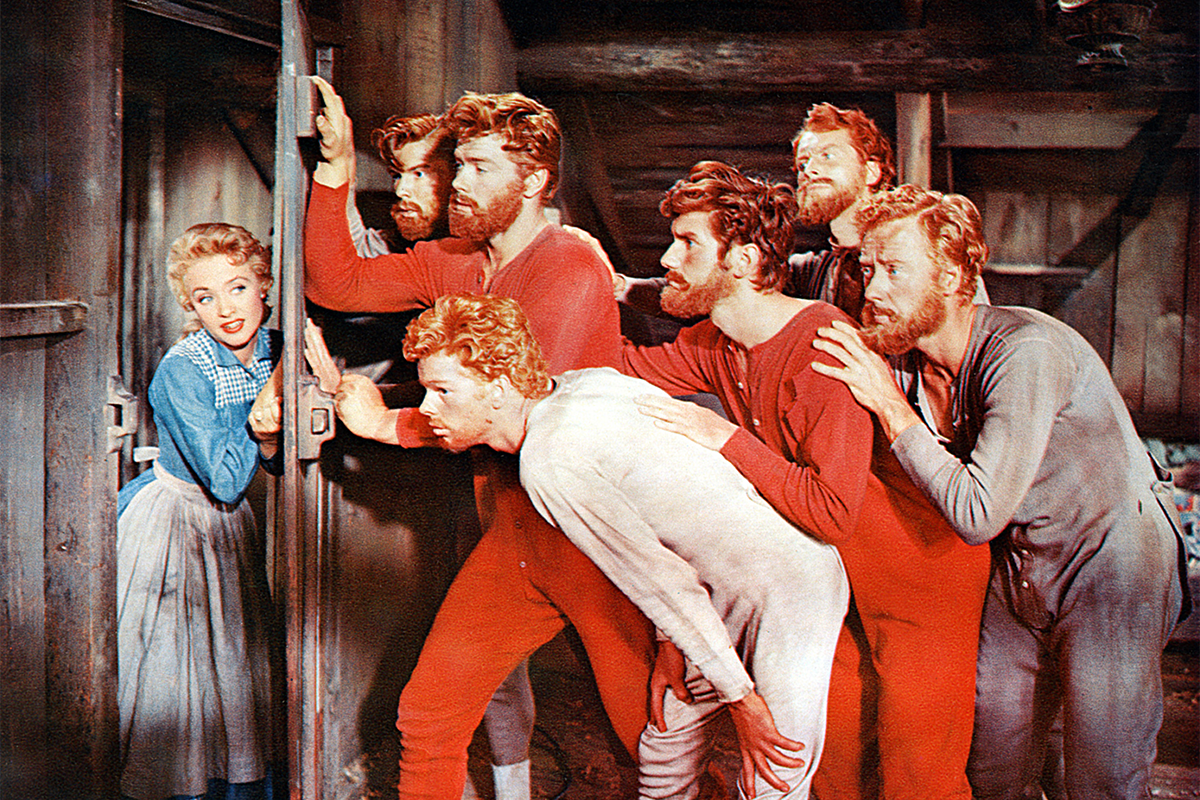
Food runs through Seven Brides for Seven Brothers (1954). After marrying backwoodsman Adam Pontipee (Howard Keel), the first meal Milly (Jane Powell) makes for her new family ends up on the floor. She’s so appalled at her husband and his six brothers’ atrocious table manners, she overturns the table, telling them that if they’re going to act like hogs, they can eat like them, too. Once they’ve learned proper manners, she fixes them a hearty breakfast (muffins, bacon, steak, potatoes and coffee). Later, after the six unmarried brothers have kidnapped their sweethearts from a nearby town, the young women take part in a monthslong courtship by baking pies for them. That’s all part of the homey atmosphere of this musical adapted from a story by Stephen Vincent Benét. Nobody at MGM expected this little film to be a big hit, but it quickly outearned some of the studio’s more expensive productions thanks to Stanley Donen’s strong direction, Michael Kidd’s athletic production and the performances of a bevy of rising stars, including Ruta Lee, Julie Newmar, Tommy Rall, Russ Tamblyn and ballet star Jacques d’Amboise.
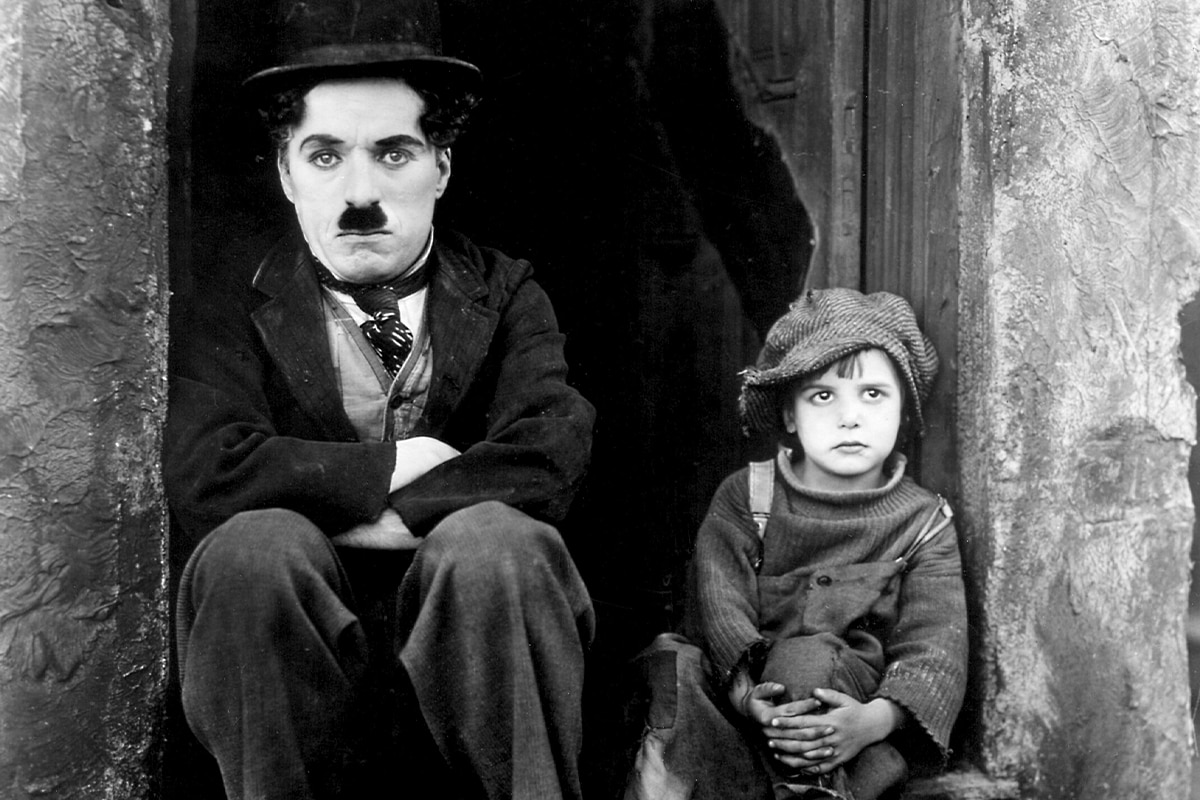
Charles Chaplin’s most famous on-screen meal is the shoe he ate as a starving prospector in The Gold Rush (1925). The most memorable meal from his first feature, The Kid (1921), is more important for what it reveals about his relationship with the title character. Chaplin is once again the Little Tramp, this time finding work replacing windows. When he discovers an abandoned baby, he adopts him. Five years later, the Kid is now his son, John (Jackie Coogan). They have a great racket going. Coogan breaks windows so Chaplin can earn a living fixing them. Back in their ramshackle apartment, Coogan cooks pancakes that the two share, each eating in his own distinctive way. While the Kid mostly eats the syrup, Chaplin rolls his pancakes around a slab of butter before drizzling the syrup on top. Of course, since Coogan isn’t his biological child, the law is going to interfere, eventually along with the woman who abandoned him, played by Chaplin’s favorite leading lady, Edna Purviance. The film’s success set Chaplin on the road to more features while also making Coogan the top child star of the 1920s.
As a father and grandfather, acclaimed film critic and historian Leonard Maltin has a personal passion and knowledge of family films. Along with the indispensable “Leonard Maltin’s Movie Guide,” his books include: “The Disney Films,” “Our Gang: The Life and Times of the Little Rascals” and “Of Mice and Magic: A History of American Animated Cartoons.” He’s also hosted the home video releases of Our Gang films and The Walt Disney Treasures and hosted Disney films on TCM. He was the third recipient of the TCM Classic Film Festival’s Robert Osborne Award, following Martin Scorsese and Kevin Brownlow in being honored for his contributions to film history and preservation.
Maltin’s daughter, Jessie, grew up in the film industry and has worked at everything from costuming to publicity. She maintains her father’s website, leonardmaltin.com, and for the past 10 years has co-hosted Maltin at the Movies, a weekly podcast interviewing such major filmmakers as Amy Adams, Angela Lansbury, Norman Lear, Al Pacino and Jordan Peele.