March 27 | 3 Movies
The universal experience of adolescence and all the humor and pathos that come with it has become source material for many great movies, and nobody tapped into that experience quite like filmmaker John Hughes. In the 1980s, Hughes wrote and directed a group of films that told stories about modern American teenagers and their frustrations with school, their parents and their lives more honestly than movies ever had before. Where Rebel Without a Cause (1955) saw teenage angst as a source for compelling drama and Porky’s (1981) saw it as a source for raunchy farce, John Hughes’ movies saw it as a source for empathetic human storytelling. On March 27th, TCM pays tribute to Hughes with the network premiere of arguably his most praised film, The Breakfast Club (1985), followed by two more Hughes classics.
Hughes grew up in the suburbs of Chicago (where most of his movies are set) and turned to cinema and the Beatles as an escape from an unhappy high school experience and from his (reportedly) neglectful parents. After abruptly dropping out of the University of Arizona, Hughes found work as a freelance copywriter for advertising company Leo Burnett Worldwide and a joke writer for National Lampoon magazine. Coming off the success of National Lampoon’s Animal House (1978), the comedy magazine began accepting screenplay submissions from its writers. Two of Hughes’ submissions were green-lit. The first, National Lampoon’s Class Reunion (1982), was a critical and commercial flop. The second, however, National Lampoon’s Vacation (1983) was a critical and box-office success. The story about a Midwestern family’s disastrous family vacation was based on a real-life trip Hughes had with his family as a child.
This laid the groundwork for much of Hughes' writing to have autobiographical elements and to always put emphasis on home and family—and all the hilarity and frustration that come with it. The success of National Lampoon’s Vacation and Hughes’s next screenplay, Mr. Mom (1983), caught the attention of Universal Pictures, which offered Hughes a three-picture deal and the chance to direct his own movies.
Hughes made his directorial debut with Sixteen Candles (1984). Molly Ringwald plays Samantha “Sam” Baker, who wakes up on her 16th birthday hoping that it will be the happiest day of her life and the beginning of her transition into maturity. She is immediately disappointed. The entire family has forgotten her birthday, and she has to go through yet another torturous day of high school. The day includes pining for Jake (Michael Schoeffling), the most popular boy in school, who doesn’t even know she’s alive, and trying to get away from Ted “the Geek” (Anthony Michael Hall), the pesky freshman who won't leave her alone.
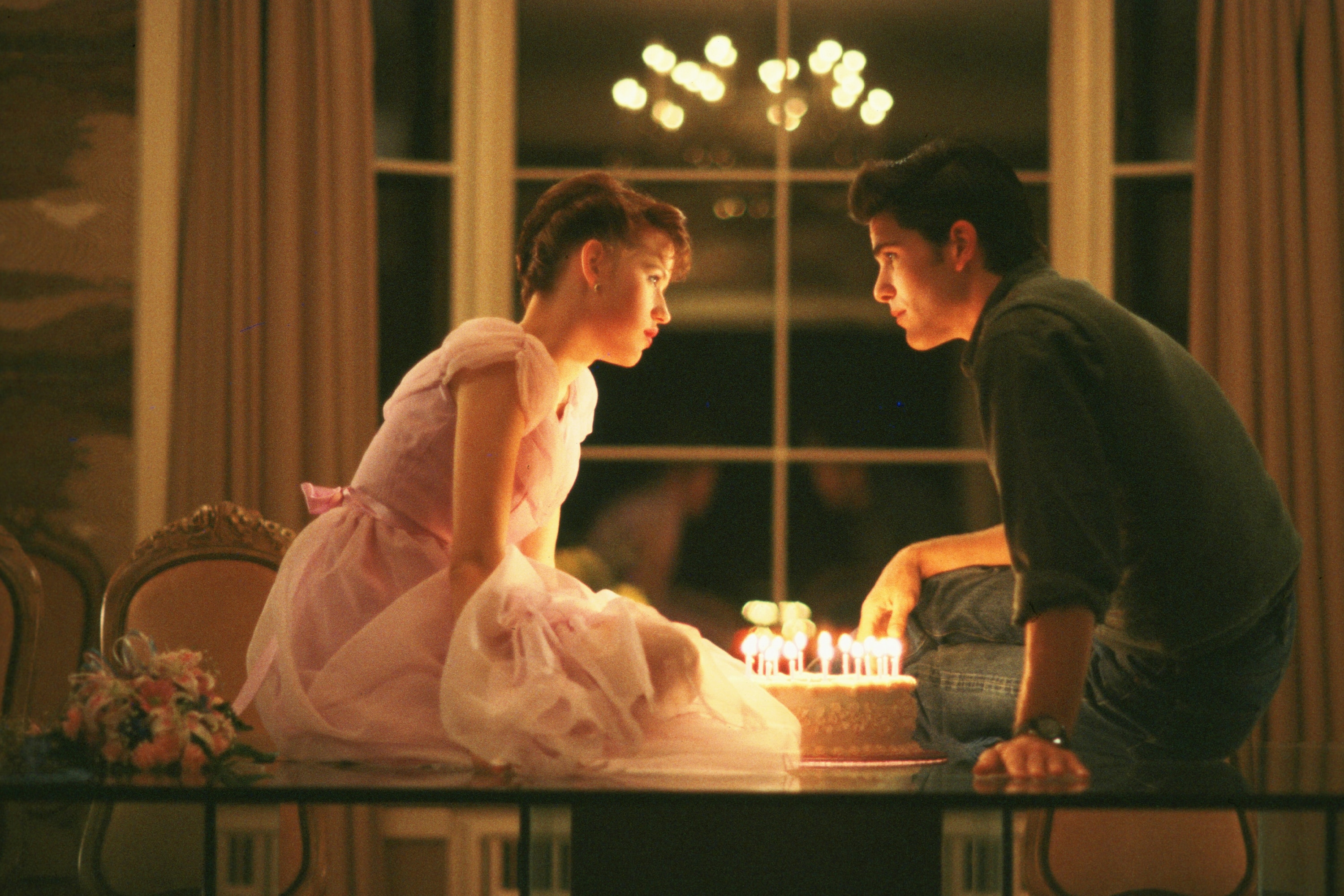
Hughes reportedly wrote his screenplay for Sixteen Candles over just a few days in 1982, while taking a break from writing National Lampoon’s Vacation. He was inspired by child actor Anthony Michael Hall, who was playing Chevy Chase’s son in Vacation, to write the role of Ted. Hughes recalled that, unlike the other young actors who auditioned—like Jim Carrey and Jon Cryer, who played the character with nerd stereotypes—Hall was the only one who played the character straight. Hughes looked at dozens of young actresses for the role of Samantha. The three finalists were Robin Wright, Ally Sheedy and Molly Ringwald. Hughes chose Ringwald, saying she was most like the character in real life. The film was a surprise box-office success, grossing over $23 million against its $6 million budget. With the success of his directorial debut, Hughes was given the additional role of producer on his next film, the one which would ultimately become his most successful to date and still one of his most beloved, The Breakfast Club.
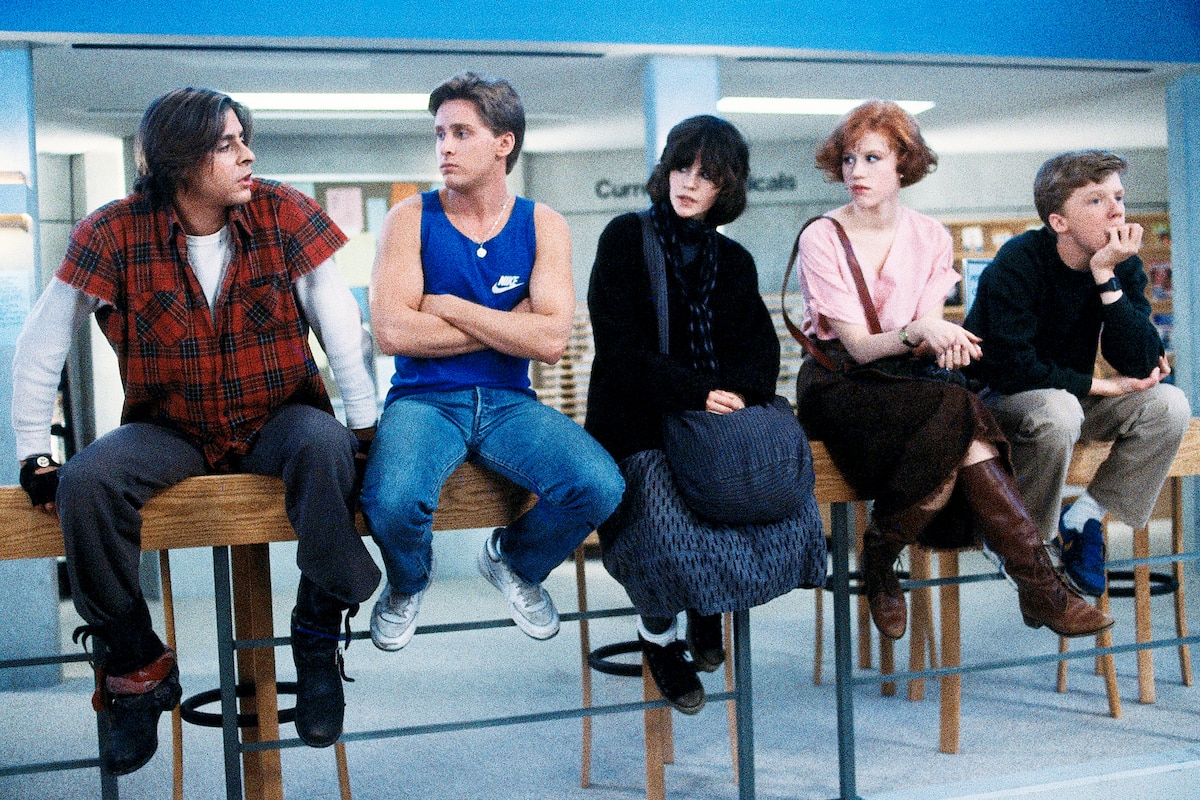
Over the Fourth of July weekend of 1982, taking yet another break from National Lampoon’s Vacation, Hughes wrote another day-in-the-life story about teenagers, this one about five students who spend a Saturday in detention together. There is Claire (Molly Ringwald), the school’s most popular “princess;” Andy (Emilio Estevez), the star “athlete;” Brian (Anthony Michael Hall), the nerdy “brain;” Allison (Ally Sheedy), the introverted “basket case;” and Bender (Judd Nelson), the rebellious “criminal.” Each of these characters and how they are portrayed represents the different archetypes (not stereotypes) of the American teenager. All of us may or may not have been one of these types in high school, but we all certainly knew one of each of these types. Hughes had his cast cleverly embody their archetypes, from how they dress (of course, Andy wears a Nike hoodie, and Allison wears dark smoky eye makeup) to what they eat for lunch (Claire opts for sushi). These embodiments reportedly crossed over to the actors’ behavior off-screen. Where Ringwald enjoyed more rehearsal time with Hughes and the cast, Nelson took a more “method” approach and tried to avoid breaking character and even poking fun at Ringwald.
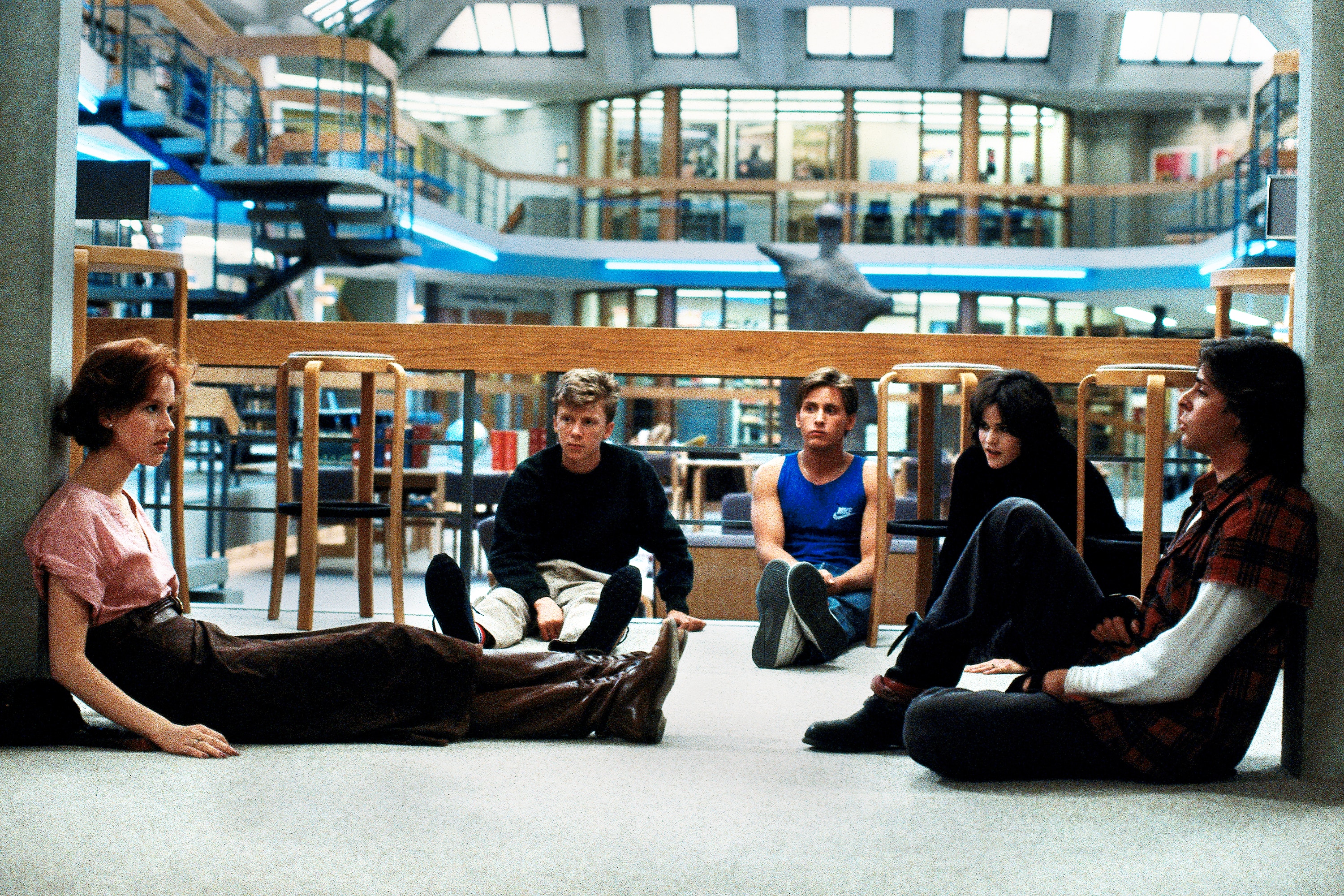
Again, Hughes’ writing portrays the teenage characters not in any condescending way, but as the central characters. Hughes took this same approach to how he directed his cast. Ringwald and Hall were only 16 at the time of filming, but both say Hughes spoke to them as adults and encouraged them to improvise and ad-lib much of their dialogue. Ringwald was also allowed to pick her own wardrobe. Ringwald was originally offered the role of Allison, but she lobbied for Claire, stating it was the character less like herself. Sheedy, one of the finalists for Samantha in Sixteen Candles, remained on Hughes’ short list of great young actors and was given the role of Allison. Estevez was initially cast as Bender, but when no suitable actor could be found for the role of Andy, Hughes asked Estevez to switch. Nelson beat out a young Nicolas Cage and John Cusack for the role.
Earning over $50 million worldwide on a modest $1 million budget, the film was Hughes’ most profitable to date.
The Breakfast Club, like so many of Hughes’ films, continues to resonate with future generations. At a recent 40th anniversary reunion, Ringwald talked about showing the film to her own teenage children and how much the story resonated with them: “It’s the universal feeling we all have, especially in high school, that we are all outsiders, we all feel alone, and yet we all want to be accepted.”
Another trademark of Hughes’ films that makes them distinctly his own is his preference for casting the same handful of actors. Hughes worked with Hall on four films in total and only stopped after Hall expressed wanting to try different material. The same with Ringwald, who turned down Hughes’ script for Some Kind of Wonderful (1987), stating it was too much like their last film together, Pretty in Pink (1986). Hughes’ most prolific partnership was with comedian John Candy, for whom Hughes wrote seven comedy films and directed two. After the writer/actor duo had another major hit with Plains, Trains, and Automobiles (1987), they signed another multi-picture deal with Universal.
The first film under this new agreement was Uncle Buck (1989). Candy plays the title role of Buck Russell, an irresponsible and carefree man who would rather spend his time drinking and betting on horses than working or committing to his girlfriend, Chanice (Amy Madigan). When Buck’s brother Bob and his wife have to suddenly leave town to care for her ailing father, it is up to Uncle Buck to care for their three young children. While Uncle Buck is able to charm the two younger children (played by popular child actor Macaulay Culkin and Gaby Hoffman in her screen debut), he may have finally met his match with the older rebellious teen daughter, Tia (Jean Louisa Kelly). This film was originally met with a mixed response from critics who felt that it was a retread of much of Hughes’ prior films. However, modern viewers appreciate it for Candy’s hilarious performance and how Uncle Buck’s unorthodox approach to raising the children makes this a somewhat darker material than much of Hughes’ other films. This was Hughes’ final time directing his friend John Candy before the actor’s untimely death in 1994.
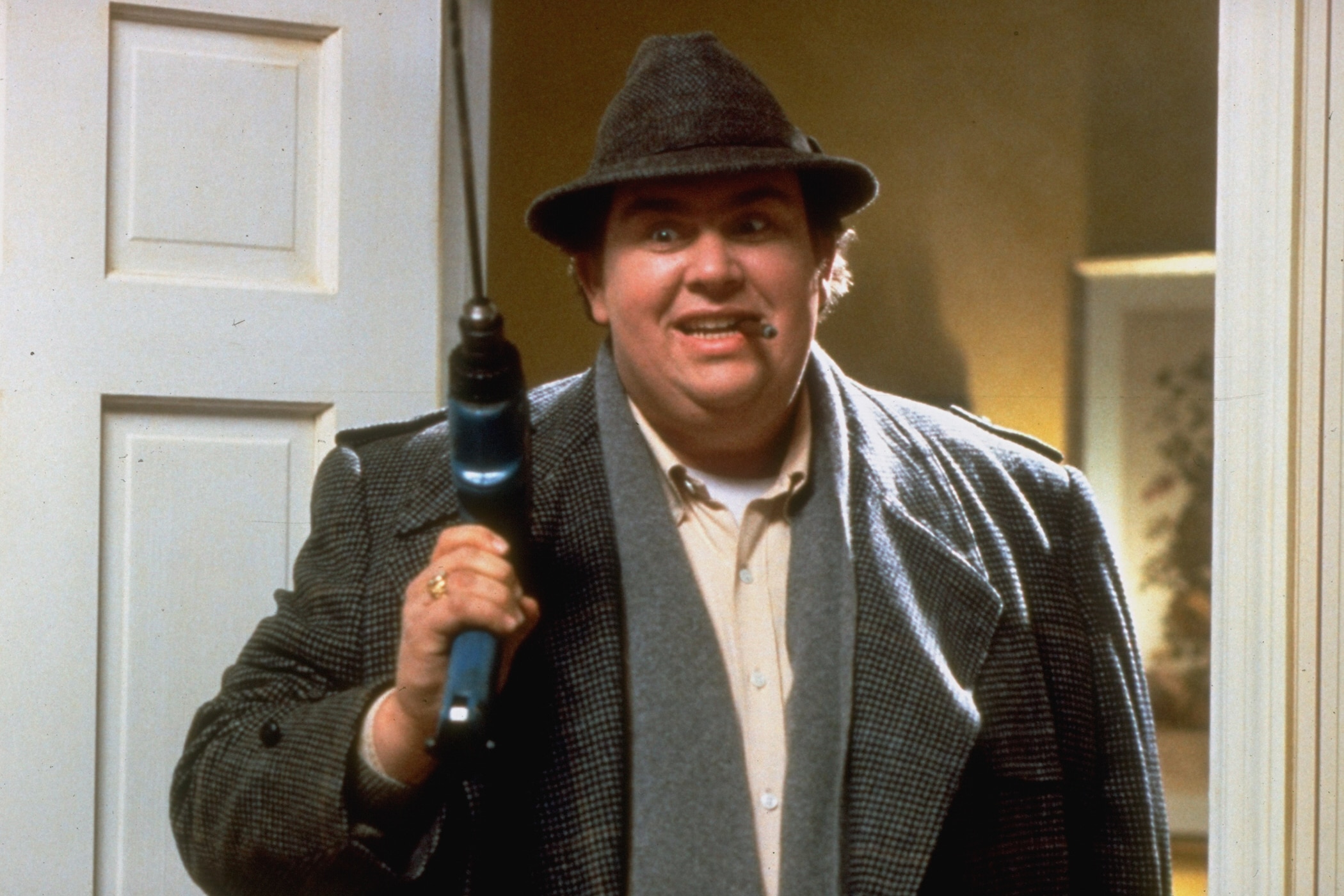
Hughes' final directing credit was the quirky comedy Curly Sue (1991), yet another story about a precocious child even smarter than many of the adults around her. Hughes continued to write and produce (including mega-hits like Home Alone [1990] and 101 Dalmatians [1996]) until his death from a heart attack in 2009, at just 59 years old. John Hughes’ movies will no doubt continue to draw new audiences for generations to come because they tap into so many universal truths. Truths about family, about youth, about America, about life, and all the fun, frustration, laughs and tears that they bring.