March 1-15 | 178 Films
As TCM’s annual celebration of the Academy Awards moves into March, we continue our lineup of Oscar-nominated or winning films, ending on the day of the 2026 ceremony, airing live on Sunday, March 15.
The 178 films airing round the clock account for 601 nominations in every possible category for feature films, scoring 166 Oscars, 11 of them for Best Picture, including the classic musical West Side Story (1961), Billy Wilder’s tale of office and sexual politics The Apartment (1960) and Woody Allen’s hilarious take on lost love Annie Hall (1977). Oscar-winning actors featured in the festival include George Burns in The Sunshine Boys (1975), Cher and Olympia Dukakis in Moonstruck (1987), Jane Wyman in Johnny Belinda (1948) and Clark Gable and Claudette Colbert in It Happened One Night (1934), the first film to capture the five top Oscars: Best Picture, Director, Actor, Actress and Screenplay. With themes like “Oscar Goes a Few Rounds” (boxing films Monday, March 2), “Oscar Goes to Space” (science fiction Friday, March 6) and “Oscar Goes for the Laugh” (a day of comedies Saturday, March 14), the festival makes it clear that as far as the Academy is concerned, Oscar goes just about anywhere it wants.
A highlight of the festival is the Wednesday, March 4, TCM premiere of Pedro Almodovar’s Volver (2006), featuring an Oscar-nominated performance by Penelope Cruz, the first Spanish-born actor nominated in that category. She stars as a woman whose visit to her hometown for a family funeral leads to a murder, the return of her mother (Carmen Maura) as a ghost and the revelation of long-hidden family secrets. One of Almodovar’s most successful and revered films, the picture was given a standing ovation at the Cannes Film Festival, where it won awards for its screenplay and its six leading actresses. It screens as part of TCM’s “Oscar Goes Home” night along with the Oscar-winning Best Picture The Best Years of Our Lives (1946), the film version of Tennessee Williams’ Sweet Bird of Youth (1962) — starring Paul Newman, Geraldine Page and Oscar-winner Ed Begley — and Vincente Minnelli’s Some Came Running (1958), which earned Shirley MacLaine her first Oscar nomination.

With its record-breaking 16 nominations, Ryan Coogler’s Sinners (2025) reflects Hollywood’s longtime love affair with the American South, a region rife with story possibilities, whether it’s the Southern belles of bygone days or today’s still potent racial politics. Both topics are on display in the Thursday, March 12, lineup as “Oscar Goes South.” First up is Vivien Leigh in an Oscar-winning performance as faded belle Blanche DuBois in Elia Kazan’s A Streetcar Named Desire (1951), co-starring Oscar-nominated Marlon Brando and Oscar-winners Kim Hunter and Karl Malden in the film adaptation of Southern playwright Tennessee Williams’ Pulitzer Prize-winning play. That's followed by Ava DuVernay’s re-creation of the 1965 voting rights marches led by Dr. Martin Luther King Jr. (Davie Oyelowo) in Selma (2014), an Oscar-winner for John Legend and Common’s rousing song, “Glory.” Racial tensions are also at the forefront of Robert Mulligan’s To Kill a Mockingbird (1962), starring Gregory Peck, who won his only Oscar as a lawyer defending a Black man (Brock Peters) against trumped-up charges. Then it’s back to Southern belles for one of the most captivating of them all, Oscar-winner Bette Davis as a woman whose fiery personality and boldness in a red dress causes her to lose her true love (Henry Fonda) in Jezebel (1938), costarring Fay Bainter in an Oscar-winning supporting performance as her loving, concerned aunt.
The first Academy Awards were given for films released between August 1, 1927, and August 1, 1928, making it the only ceremony to honor mostly silent films (there was a special award given to Warner Bros.’s 1927 The Jazz Singer). “Oscar Goes Silent” on Monday, March 9, starting with F.W. Murnau’s classic Sunrise (1927). This tale of the triangle involving a farmer (George O’Brien), his wife (Janet Gaynor) and a city woman (Margaret Livingston) was a massive production, requiring the construction of a small city on the Fox studio backlot. The pioneering cinematography by Charles Rosher and Karl Struss captured the first award in that category, while Gaynor won Best Actress for this film, along with Seventh Heaven (1927) and Street Angel (1928), the only time actors were honored for all their films in a given period.
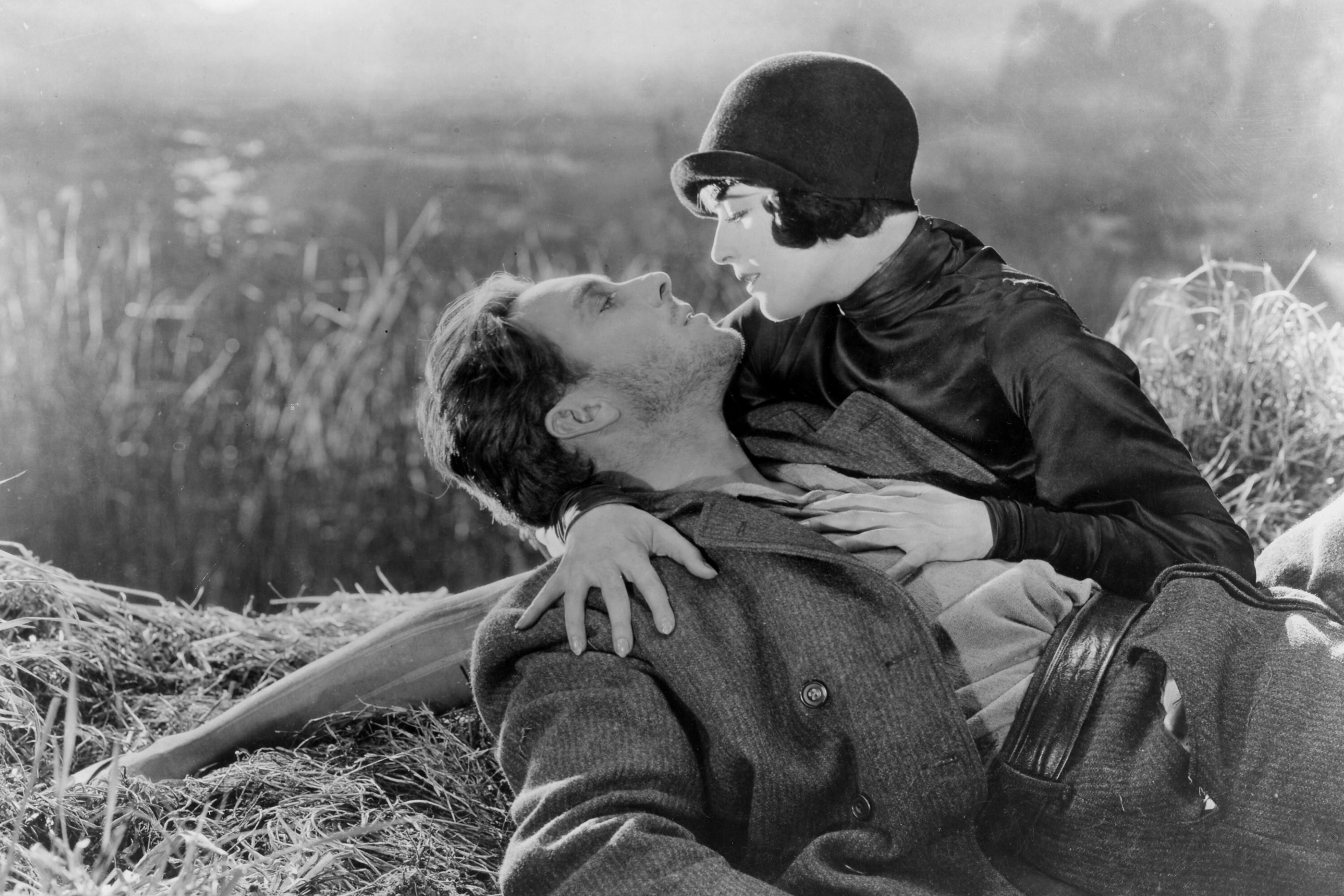
This was also the only time the Academy gave an award for Best Unique and Artistic Production, which also went to Sunrise. That award was distinct from the first year’s Outstanding Picture, which went to Wings (1927), a World War I aviation saga inspired by director William A. Wellman’s experiences as a combat pilot. A year later, the Academy’s board decided that Outstanding Picture was the top honor, making Wings the first winner of what would later be called the Academy Award for Best Picture. The Academy also nominated the gangster film The Racket (1928) for Outstanding Production; King Vidor’s The Crowd (1928), in the running for Best Unique and Artistic Production and Best Directing (Dramatic Picture); and Charles Chaplin’s The Circus (1928), nominated for Best Directing (Comedy Picture), Best Actor and Best Writing (Original Story). Chaplin won an Honorary Oscar for his acting, writing, directing and producing. The following year, Best Directing (Comedy Picture) was eliminated.
By the second Academy Awards, most of the nominees were talking pictures or part-talkies. Even nominees without spoken dialog, like Frank Lloyd’s Best Director winner The Divine Lady (1928) and Best Cinematography choice White Shadows in the South Seas (1928), had synchronized music and sound-effects tracks. The Academy ignored silent films after that until the 84th Academy Awards, when The Artist (2011) captured five Oscars, including Best Picture. The tale of a silent film star (Jean Dujardin) struggling to adjust to talking pictures was shot in black and white and with only synchronized sound effects and music to capture the spirit of its era. Dialog is presented through intertitles until the last moment, when Dujardin delivers the film’s single spoken line. The Artist tied with Martin Scorsese’s Hugo (2011), another tribute to cinema’s past, for the most awards that night with five. Its other Oscars came for director Michel Hazanavicius, Dujardin, Ludovic Bource’s score and Mark Bridges’ costumes.

On Sunday, March 15, the day of the 98th Academy Awards, TCM fittingly presents a full day of movies about the movies with “Oscar Goes Hollywood.” The daytime lineup includes arguably the best musical ever made, Singin’ in the Rain (1952), with Gene Kelly and Oscar-nominated supporting actress Jean Hagen as silent stars adjusting to the talkies; Robert Aldrich’s What Ever Happened to Baby Jane? (1962), which birthed the psycho biddy horror genre and stars Joan Crawford and an Oscar-nominated Bette Davis in their only co-starring vehicle, as former movie star sisters living in a decaying Hollywood mansion; and Billy Wilder’s legendary Sunset Boulevard (1950), starring nominees Gloria Swanson, William Holden, Nancy Olson and Erich von Stroheim in the dark tale of a reclusive silent film star (Swanson) enamored with a young writer (Holden). Oscars went to the script, the art direction and Franz Waxman’s score.
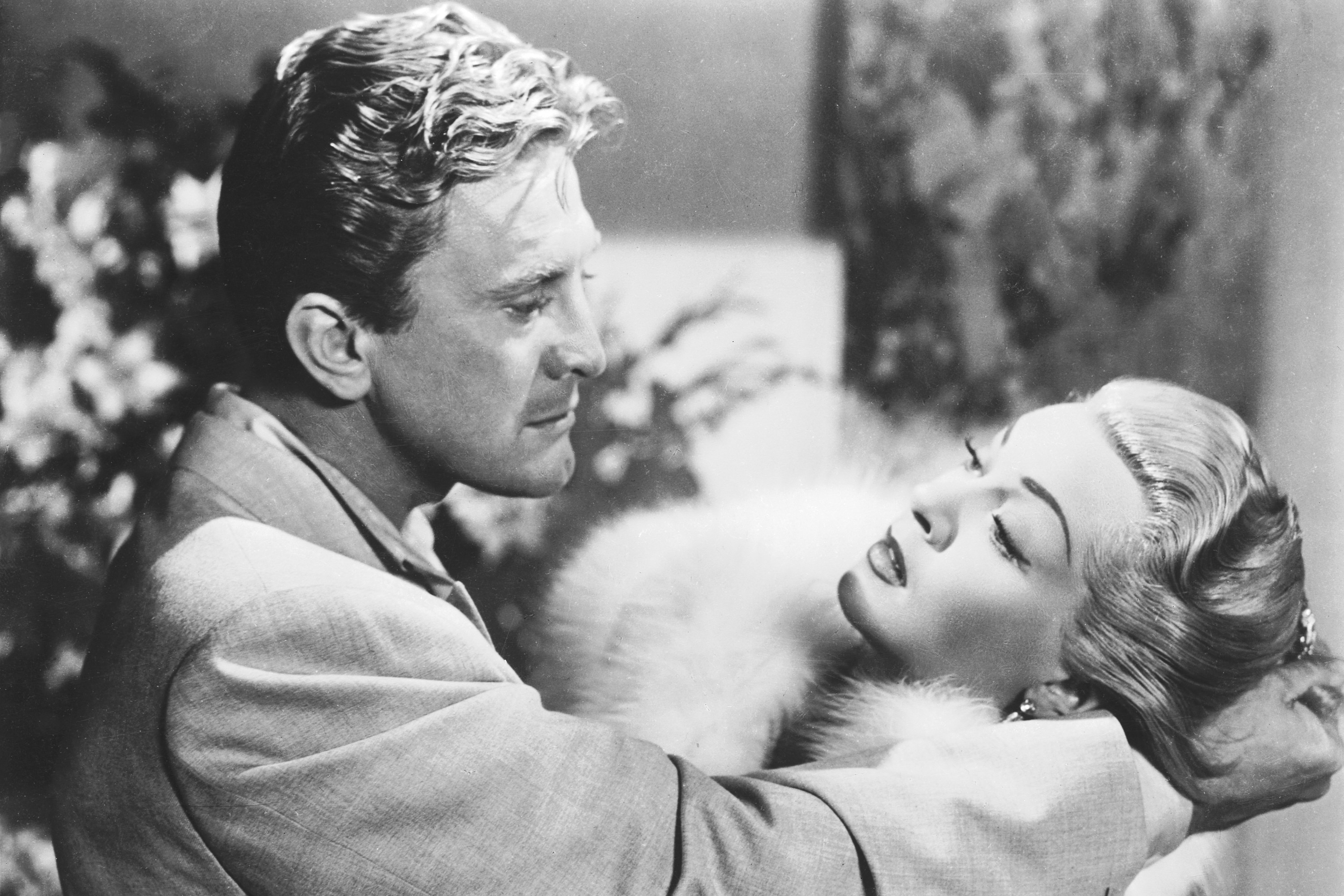
Sunset Boulevard was criticized at the time as an attack on the film industry, but primetime opens with a film that makes it look like a hymn of praise in comparison. Stephen Boyd stars as an unscrupulous actor who uses everyone in his path in his quest to win The Oscar (1966). Although the script is often derided as one of the screen’s worst, the picture looks terrific and captured nominations for Edith Head’s costumes and its art direction. The evening continues in that vein with Vincente Minnelli’s The Bad and the Beautiful (1952), with an Oscar-nominated Kirk Douglas as a producer using anyone he can to score a hit, including Best Supporting Actress Gloria Grahame in a humorous turn as an ambitious Southern belle. The film also won for its script, art direction, cinematography and costumes. Next, Natalie Wood fights her way to stardom in Inside Daisy Clover (1965) only to find she’d rather be home on the Pacific Coast with her dotty mother, Oscar nominee Ruth Gordon. Tim Robbins stars as a film producer who achieves many a colleague’s wildest dreams by murdering a screenwriter in The Player (1992), director Robert Altman’s star-studded lampoon of the contemporary film industry. Altman, Michael Tolkin’s script and the editing were all nominated for Oscars.
Other highlights include the ultimate ballet film The Red Shoes (1948) when “Oscar Goes Dancing;” David Lean’s final film, A Passage to India (1984), featured in “Oscar Goes on a Trip;” Frank Capra’s classic Mr. Smith Goes to Washington (1939) as “Oscar Goes into Politics;” the star power of Paul Newman and Elizabeth Taylor in Cat on a Hot Tin Roof (1958) in “Oscar Goes on a Bender;” and back-to-back Kevin Costner hits, Field of Dreams (1989) and Bull Durham (1988), when “Oscar Goes to Bat.”