March 18 & 25 | 12 films
This year marks the 70th anniversary of the establishment of the Jean Hersholt Humanitarian Award, a special Academy Award presented “to an individual in the motion picture arts and sciences whose humanitarian efforts have brought credit to the industry by promoting human welfare and contributing to rectifying inequities.”
Jean Hersholt was a Danish-born actor whose distinguished credits include the friend-turned-nemesis in Eric von Stroheim’s Greed (1925), but Baby Boomers may remember him most fondly as the curmudgeonly grandfather who loses his heart to Shirley Temple in Heidi (1937). In 1939, he established the Motion Picture Relief Fund, known today as the Motion Picture and Television Fund, which assists film artisans and other employees in receiving medical care. That same year, Hersholt himself was presented with an honorary Oscar for his efforts.
The first Jean Hersholt Humanitarian Award was bestowed on Paramount studio executive Y. Frank Freeman in 1956. Over the course of two days in March, TCM honors 12 recipients of this prestigious honor.
March 18
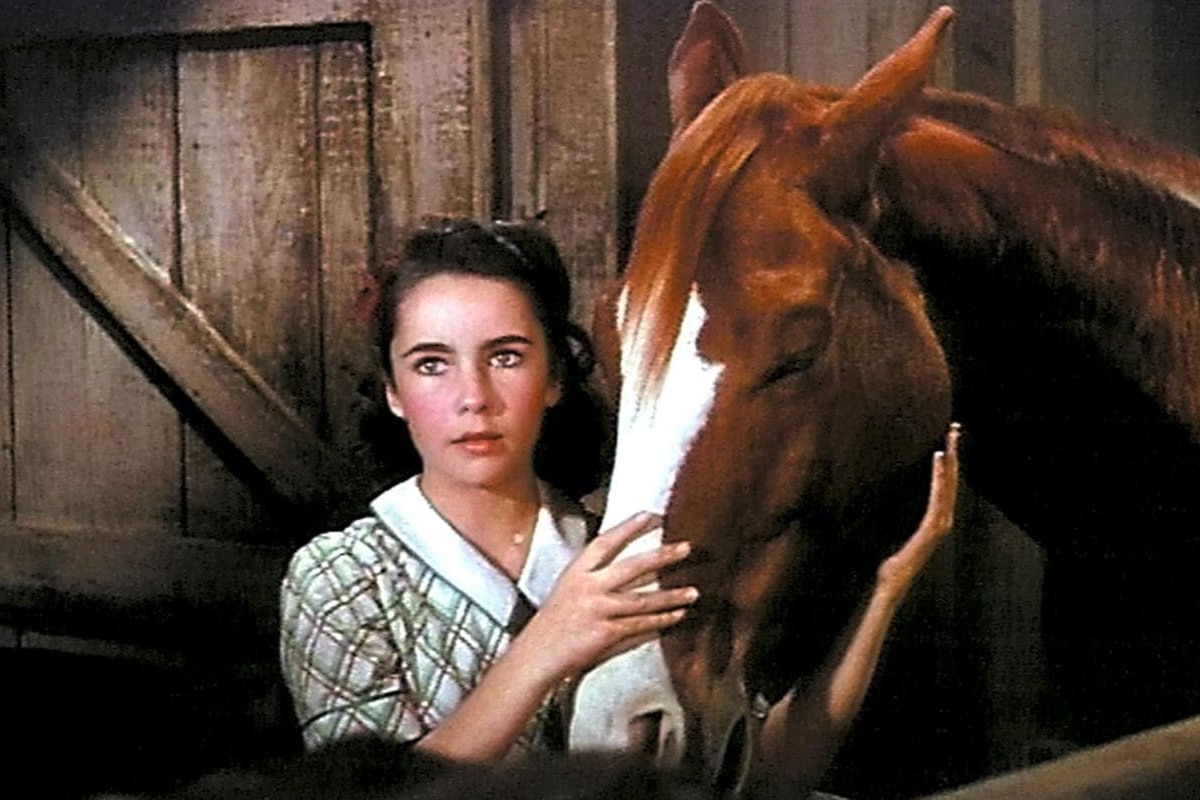
Elizabeth Taylor – 1992
Twelve-year-old Elizabeth Taylor galloped to stardom with National Velvet (1944). She became a two-time Oscar-winner and was ranked by the American Film Institute as one of the top 10 greatest movie stars of the 20th century, along with Audrey Hepburn. Her Jean Hersholt Humanitarian Award honored her tireless work as an AIDS activist. Accepting the award, she said it was “in honor of all the men, women and children who are waging incredibly valiant battles for their lives.” She then challenged her peers “to prove that our love outweighs our need to hate. That our compassion is more compelling than our need to blame. That our sensitivity to those in need is stronger than our greed. That our ability to reason overcomes our fear. And that at the end of each of our lives, we can look back and be proud that we have treated others with the kindness, dignity and respect that every human being deserves.”
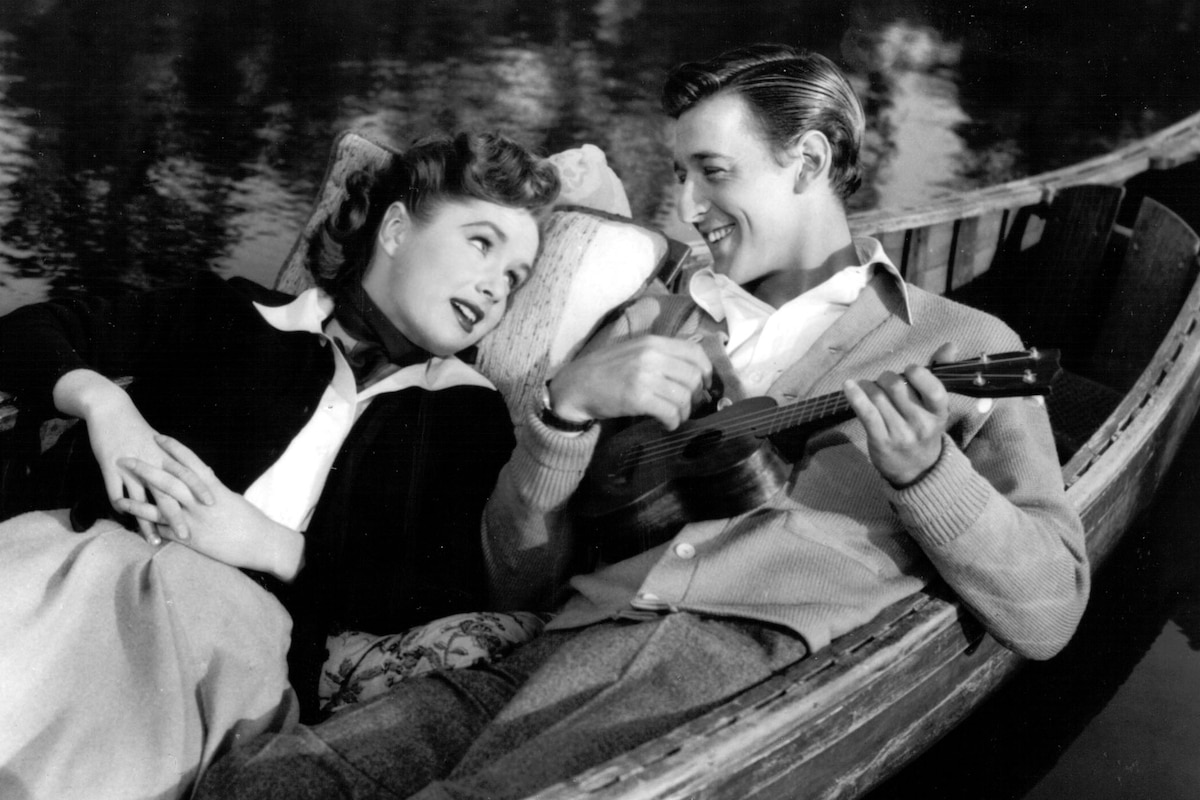
Debbie Reynolds – 2015
In co-presenting Debbie Reynolds with her Jean Hersholt Humanitarian Award, Meryl Streep noted Reynolds’ ineffable “talent, verve and her seemingly limitless delight in performance.” All are on display in The Affairs of Dobie Gillis (1953). Reynolds was a founding member and, almost continuously from 1957 to 2011, president of the Thalians, the charitable organization founded in 1955 by entertainers to promote the awareness and treatment of mental health issues. Another Reynolds passion project was her dedication to preserving iconic costumes that define Hollywood’s Golden Age. For more than half a century, she built an astonishing collection of thousands of photographs and costumes, including Charlie Chaplin’s bowler hat and the ruby slippers from The Wizard of Oz (1939). Reynolds could not attend the ceremony, but did provide audio remarks: “I’m thrilled beyond words, shocked, and you couldn’t be more amazed that a little girl from Burbank even came near this sort of accolade.”
Dolly Parton – 2025
Dolly Parton’s 9 to 5 co-star, Lily Tomlin, astutely called her “one of the people who remains in this world that everybody loves and respects.” Parton is a global icon. Her 49 studio albums have sold more than 100 million copies worldwide. A two-time Academy Award nominee for the Best Original Song category, she made a seamless transition into acting. The Best Little Whorehouse in Texas (1982) finds Dolly in her natural habitat—a musical—in which Variety praised, she displays “all her accustomed humor, warmth and knockout charm.” Parton was honored with the Jean Hersholt Humanitarian Award for the initiatives of her Dollywood Foundation, including her literacy program, “Dolly Parton’s Imagination Library,” which has distributed 285 million free books to children. In her characteristically sunny acceptance speech, Parton said, “My mom and daddy showed me, by example, that the more you give, the more blessings come your way. [This award] makes me want to dream up new ways to help lift people up. And isn’t that what we’re supposed to be here for?”
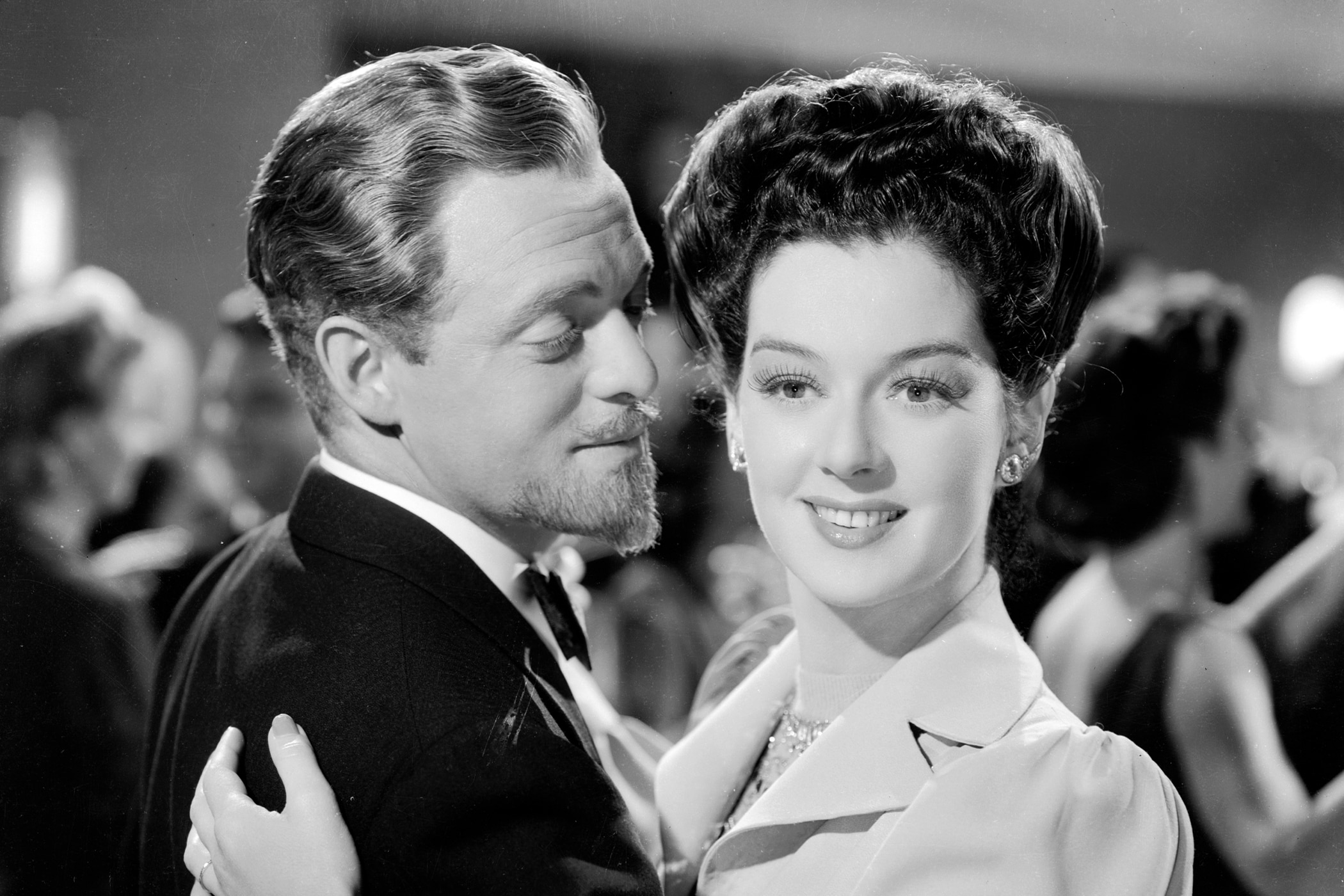
Rosalind Russell – 1972
The Feminine Touch (1941) displays Rosalind Russell’s brilliant comedic touch. But when Frank Sinatra presented her with the Jean Hersholt Humanitarian Award, he focused on her charitable work. “I have seen her use every opportunity to show her deep concern for others,” he said. Founding the League of Crippled Children and her Chairmanship of the Lighthouse for the Blind were just two examples. Accepting the award from her dear friend, she said, “The people of this nation have a golden tradition of taking care of each other. And across America right now, there are men and women, countless numbers of them, young and old, who are giving of themselves to hospitals, to orphanages, to drug clinics, to youth…So the only unique thing about me tonight is that I am here with this, knowing that it belongs to so many others.”
Audrey Hepburn – 1992
Audrey Hepburn was an ethereal screen goddess of natural beauty, and so it was apt casting in Green Mansions (1959) that she portrayed Rima, the “bird girl” of the South American wilderness who captivates a young fugitive (Anthony Perkins). Hepburn’s Jean Hersholt Humanitarian Award was presented posthumously for her role as a UNICEF Goodwill Ambassador from 1988 until her death. Her son, Sean Hepburn Ferrer, accepted the award on her behalf. “She believed every child has the right to health, to hope, to tenderness and to life,” he proclaimed. “On her behalf, I dedicate this to the children of the world.”
Martha Raye – 1968
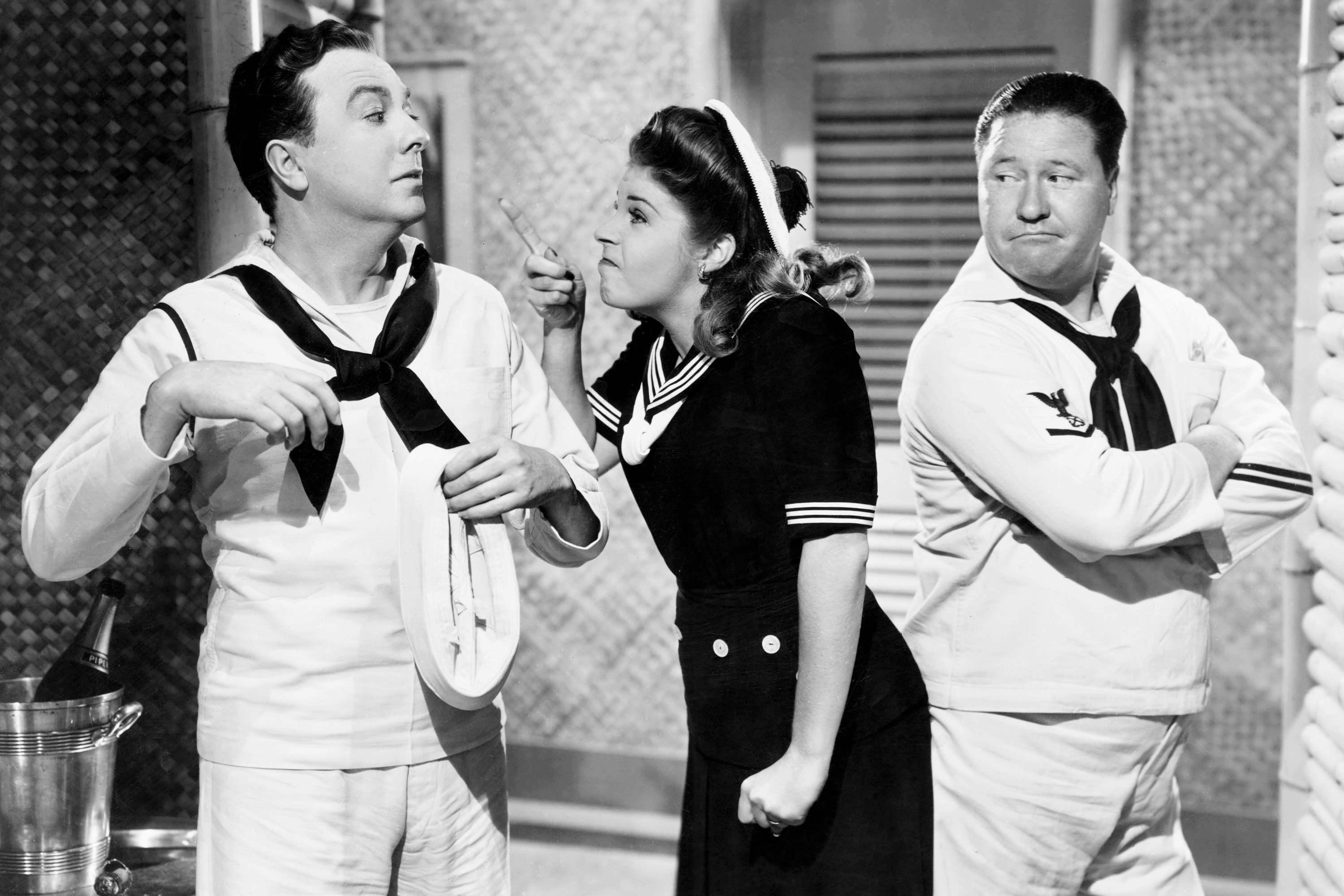
Bob Hope once described Betty Hutton as “a vitamin pill with legs.” Martha Raye was a gallon of Mountain Dew. Dubbed “the Big Mouth,” Raye was a scene-stealing singer and comedian who, in the shore-leave musical comedy Navy Blues (1941), effortlessly steals her scenes from formidable costars Ann Sheridan, Jack Oakie and Jack Haley. For her commitment to entertaining the troops from World War II to the Vietnam War, she became the first woman ever to receive the Jean Hersholt Humanitarian Award. “This is the most beautiful, honorable, wonderful, exciting day of my life – stateside,” she gushed when accepting the honor. “And on behalf of all of our troops, I promise you I shall try for the rest of my life to really deserve and be worthy of this magnificent honor bestowed upon me.”
March 25
Danny Kaye – 1981
The Inspector General (1949) is everything I loved about watching Danny Kaye growing up: his flexible faces, funny voices, high-energy physical comedy and his childlike, simple-hearted persona. Offscreen, his love of children drove his prodigious philanthropy, including 25 years as a UNICEF Ambassador. In accepting his Jean Hersholt Humanitarian Award, he spoke of being part of “a long and wonderful tradition…of giving of our time and our talent wherever and whenever it's needed, without prejudice, without stint. That's one of the reasons that I'm so very, very proud of our profession and so proud to be one of you.”
Bob Hope – 1959
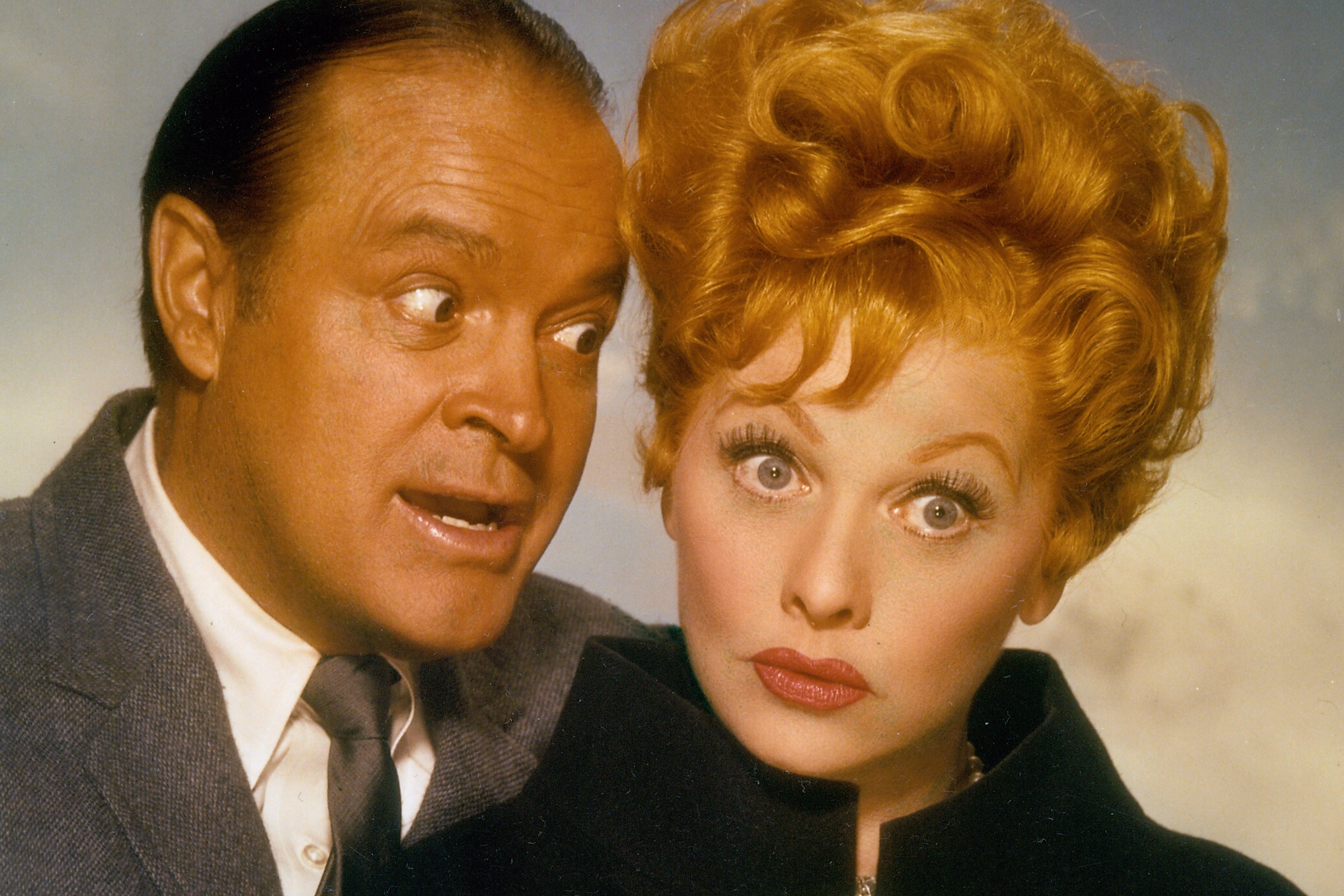
Bob Hope made four comedies with Lucille Ball. Critic’s Choice (1963) is a fine and funny showcase for his verbal dexterity. Accepting the Jean Hersholt Humanitarian Award, however, rendered him near speechless. It was understandable, as Hope himself, serving that night as emcee, had not been told he was to be honored. “I don’t know what to say,” he confessed in his impromptu acceptance speech. “I don't have writers for this type of work…I've never had need for 'em. But I really, really appreciate this, and this'll hold the highest spot in my trophy room.”
Frank Sinatra – 1970
The romantic comedy The Tender Trap (1955) stars two Jean Hersholt Humanitarian Award-winners, Debbie Reynolds—“all cuteness and spunk” praised The New York Times— and Frank Sinatra, “whose special humanity brings a special glow to all of us,” said presenter Gregory Peck. Of the “That’s Life” singer, Peck added, “He has a special feeling for people in need of a helping hand to pick themselves up and get back in the race.” Sinatra dedicated his award to “Mr. and Mrs. John Doe… and all of you who give of yourselves to those who carry too big a burden to make it on their own. Because if I have earned it so, too, have you…It's the only investment in the world that pays 100 percent dividend.”
Harry Belafonte – 2014
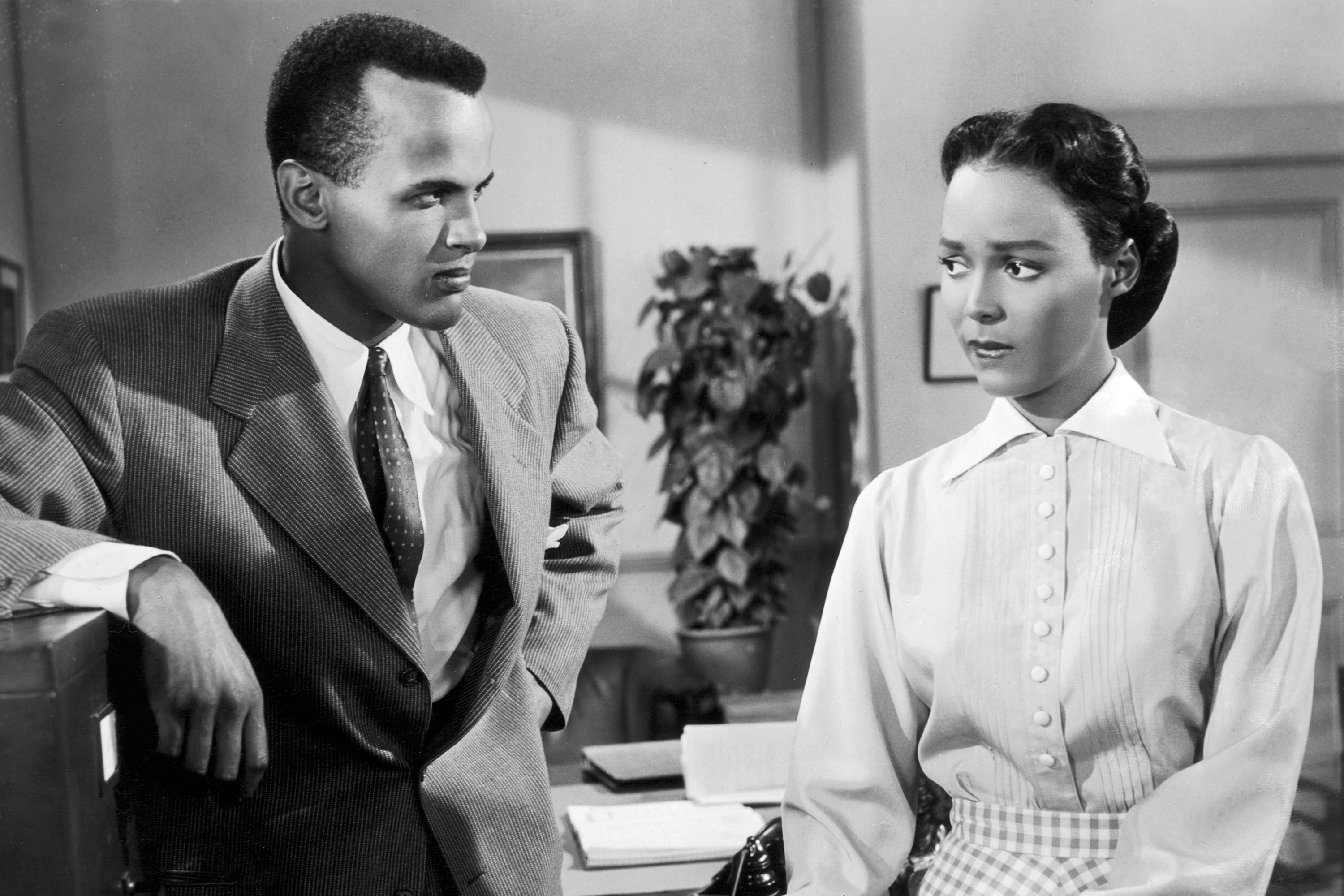
Belafonte’s many firsts in the overturning of numerous racial barriers in American performing arts are legendary. He was the first Black artist to win an Emmy Award and the first recording artist to sell over a million copies of a single album with “Calypso.” He used his platform to play a key role in the Civil Rights Movement and was an anti-war activist during the Vietnam War era. In 1985, he helped organize the all-star Grammy-winning song “We Are the World” to raise funds for famine-torn Africa. Belafonte was also active in efforts to end Apartheid in South Africa and to release Nelson Mandela from prison. Bright Road (1953), co-starring Dorothy Dandridge, deals with a rural Southern schoolteacher trying to reach a troubled student. Upon accepting his Jean Hersholt Humanitarian Award, Belafonte said, “How fortunate for me that the performing arts became the catalyst that fueled my desire for social change…It was Paul [Robeson] who said, ‘Artists are the gatekeepers of truth. They are civilization's radical voice.’"
Paul Newman – 1993
Paul Newman and playwright Tennessee Williams were ideally matched, as witnessed in Sweet Bird of Youth (1962). “Paul has an almost masochistic tendency to test and stretch himself,” Williams praised in an interview. “His physical beauty, and the power and the pleasure it has brought him are his aesthetic cross to bear. He fights his beauty almost always, and he did so when he played Chance Wayne… He did marvelous things with his voice and his face to reveal the character's chicanery and greed.” Six years after receiving his lone Academy Award for acting in The Color of Money (1986), Newman received the Jean Hersholt Humanitarian Award for his philanthropic efforts, including his Hole in the Wall Gang Camps for children with serious illnesses and “Newman’s Own,” a branded line of foods whose profits were donated entirely to charitable causes. On accepting the award, Newman modestly said, “Artists and entertainers, I think, are the most generous community in the United States. And not just in terms of money, but in terms of inspiration and effort and time and commitment and risk. So, to be singled out like this, out of that community, I must say, is an honor indeed.”
Gregory Peck – 1967
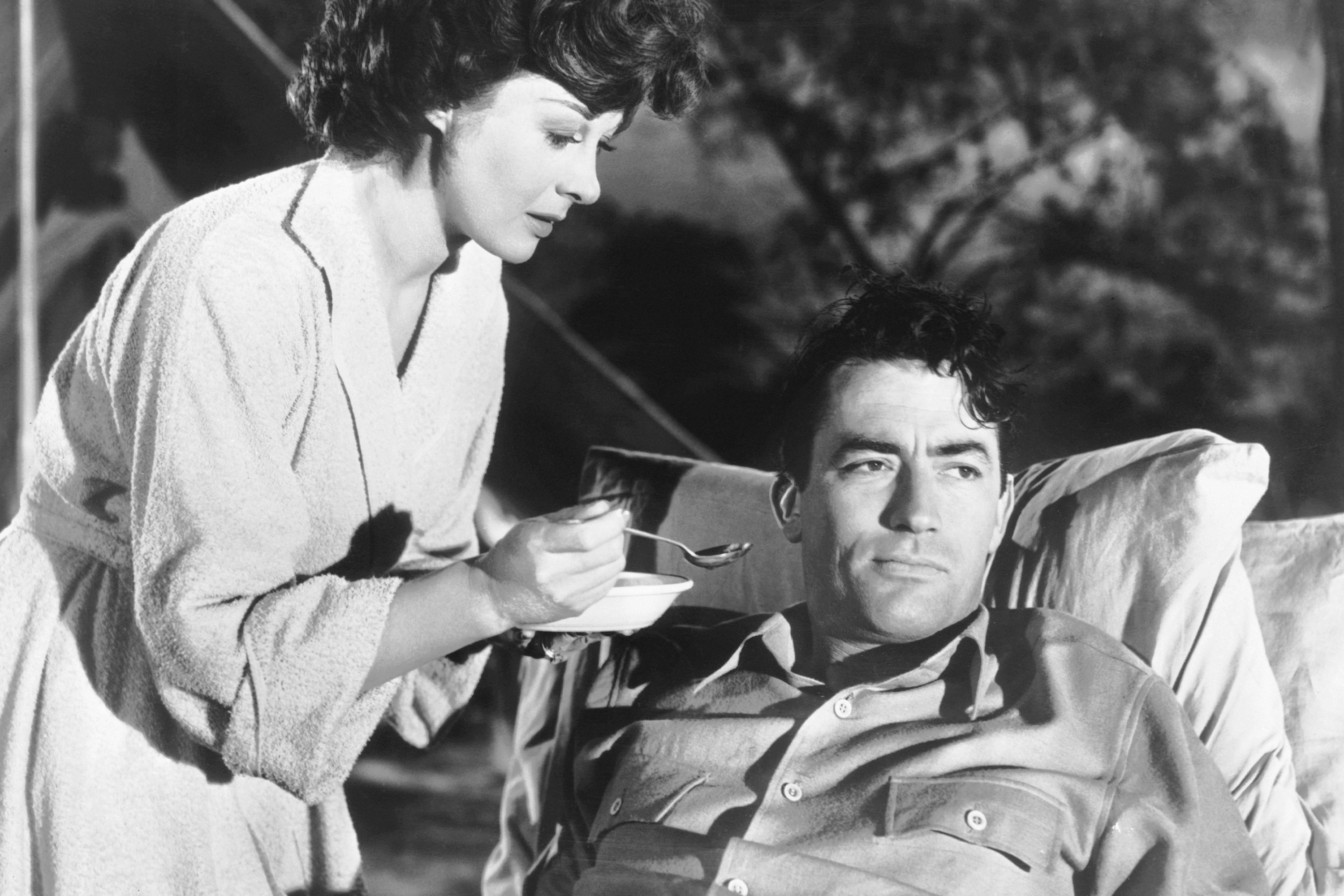
Ranked among the top dozen male actors on the AFI’s list of the 100 greatest screen legends of the 20th century, Gregory Peck exemplified Hollywood integrity. The Snows of Kilimanjaro (1952) is peak Peck. Accepting his Jean Hersholt Humanitarian Award, he urged his peers and Oscar viewers to “help the humanitarian efforts of the Southern Christian Leadership Conference with its non-violent approach to our most pressing problems” by donating to the Martin Luther King Jr. Fund.
As several of these honorees noted, the Jean Hersholt Humanitarian Award recognizes more than philanthropy; it honors the belief that art carries responsibility. Each of these honorees used their celebrity to work tirelessly for society’s most vulnerable. In presenting these films, TCM celebrates not only the performances that made these artists beloved but the humanity that made them legends onscreen and off.