March 17, 24, and 31 | 48 Movies
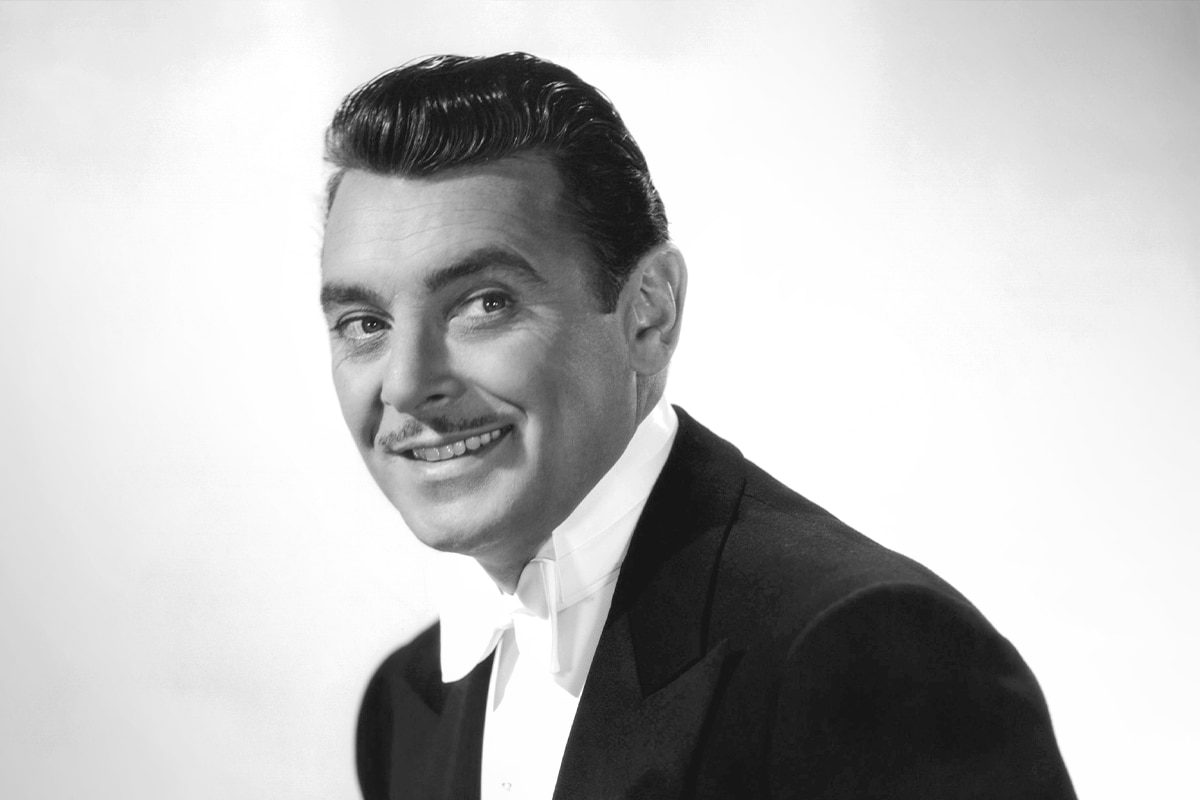
It can be all too easy to minimize or underestimate movie stars like George Brent. He may have lacked the arresting magnetism of other Warner Bros. male stars of the 1930s and ‘40s, such as James Cagney, Errol Flynn and Humphrey Bogart, but he nonetheless developed his own enormous and fervent fan base, especially among women. Brent is also sometimes taken for granted as having merely played support to more powerful female co-stars and for having appeared in many pictures that fall into the oft-maligned genre known as the woman’s film. These are movies that center on women and the societal issues and attitudes surrounding them, often through wildly improbable, melodramatic (and highly entertaining) plotting. Yet the best of those films are made believable and gripping by talented artists behind and in front of the camera—not just superstars like Bette Davis and Barbara Stanwyck but also slightly lesser stars like George Brent, whose characters were vital to the storytelling even if they weren’t the story’s chief focus.
TCM salutes Brent’s undeniable talents during the last three Wednesdays in March. Brent’s films will kick off each evening, continuing through the next morning and afternoon. Brent was tall, dark and handsome. He felt to audiences like a solid, steady and reliable man on screen, whether he was playing husband, father, lover or friend. He was what might be called a utility star, ready and able to support any number of female stars in vehicles that were designed mainly for them. As Fred Watkins has written, an ordinary female moviegoer “could see herself as Bette Davis with a man like George Brent... He humanized these actresses.”
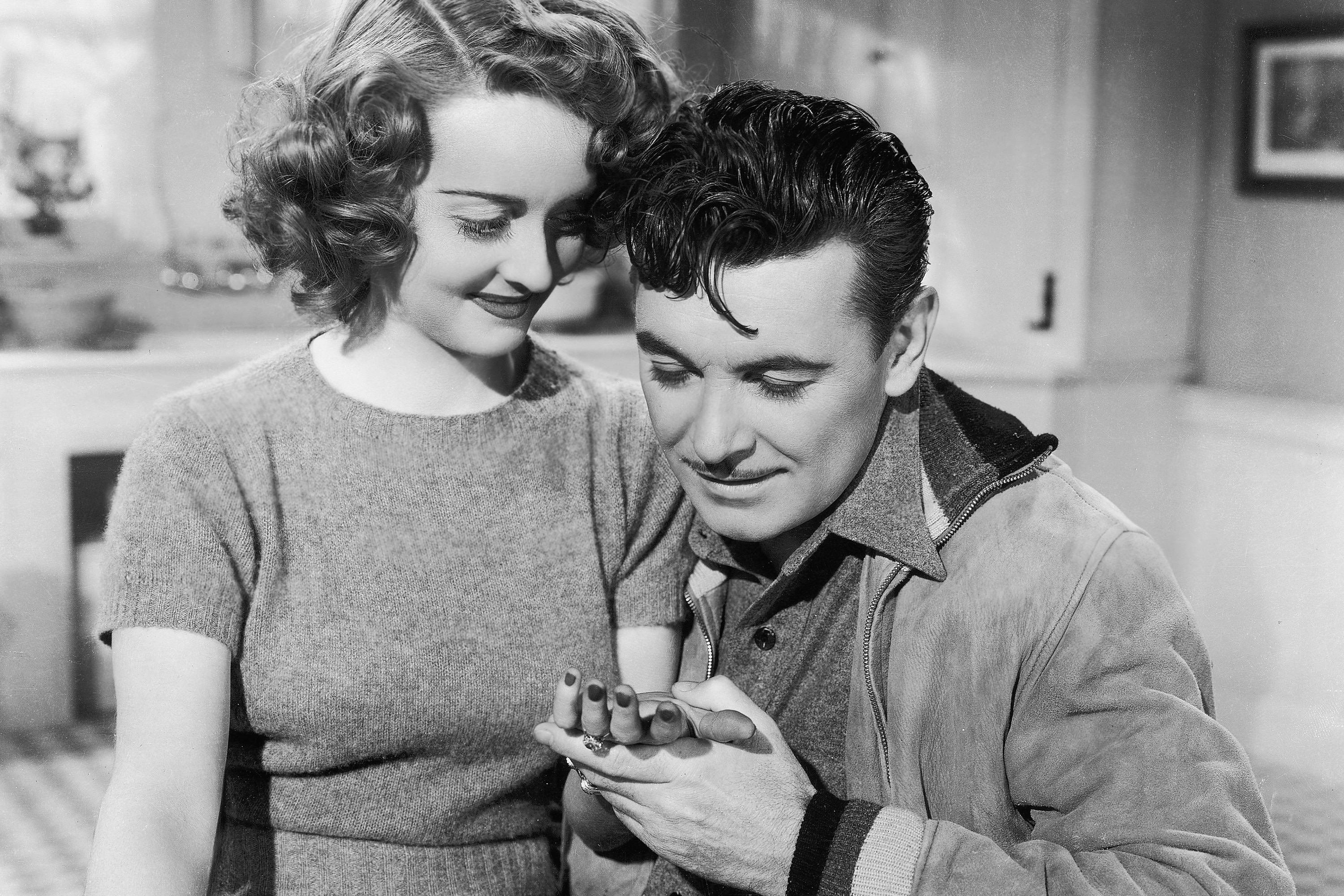
Film scholar Jeanine Basinger has pointed out that because the industry produced so many films in those years (678 in 1934, for instance, and 477 in 1946), “Hollywood needed many movie stars to populate them all. It needed its Priscilla Lanes and its George Brents. They weren’t the glory brigade, the first team, but they were movie stars with their own loyal fans, their own starring vehicles, their own types. They were serviceable. Brent,” Basinger added, “was the type of leading man who the Hollywood studio system couldn’t function without... He could fit where he needed. He could be a hero, or he could be evil. Above all, he would not overwhelm his co-stars, and that made him indispensable as a leading man for Hollywood’s great female actresses. He could support but still be the desired or dominant male. Actors who can support while playing the lead are a rare breed, and George Brent was one of the best.”
Brent made 11 films with Bette Davis, six with Kay Francis, five with Barbara Stanwyck, four with Ruth Chatterton, three with Olivia de Havilland, and two each with Loretta Young, Jean Arthur, Claudette Colbert, Merle Oberon, Myrna Loy and Ginger Rogers—among others. For many of these actresses, Brent became a favorite screen partner, partly because they knew he wouldn’t try to upstage them, and partly because offscreen, Brent was a highly charismatic and attractive ladies’ man. Several of his co-stars fell in love with him, and he married two of them—Chatterton and Sheridan. (He also married Australian actress Constance Worth, among six total marriages.) As Davis recalled, however, his real-life sex appeal “was an excitement he rarely was in the mood to put on the screen.”
Brent made some 90 feature films in his career; 48 of them, from his first starring role in So Big! (1932) to My Reputation (1946), are in this Star of the Month tribute, providing a perfect opportunity to experience Brent in his prime and to see for oneself the appealing qualities he brought to these tales. All the same, the notoriously private Brent never considered himself to be a particularly good actor. Magazine writer Ruth Waterbury, who interviewed him in the 1930s, said “he was afraid people would find out how lousy he was and fire him—so he seldom made waves.”
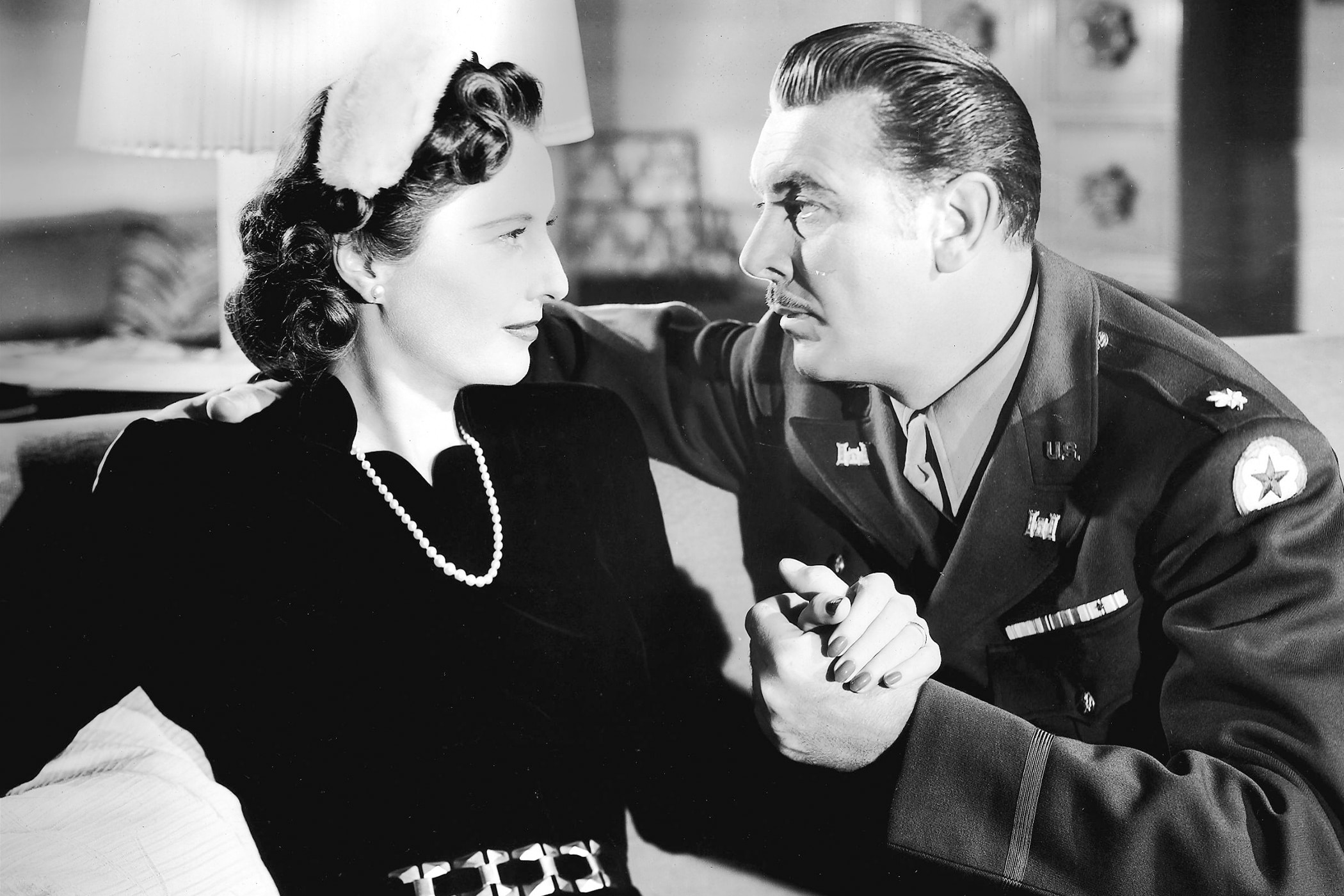
He was born near Dublin in 1904 as George Patrick Brendan Nolan. By the late 1920s, he was acting on Broadway, and in 1930, he got a role in a play that also featured Clark Gable. The show was a flop, but movie scouts saw it, and the next thing Brent and Gable knew, they were in Hollywood. Brent recalled that at the time of their play, Gable did not have a mustache but got the idea from Brent. “He stole that damn mustache from me,” Brent later cracked. “And he stole a lot of girls, too.”
With small roles at Fox and Universal, Brent’s film career proceeded in fits and starts until reaching a standstill in the fall of 1931. That’s when he made a screen test for Warner Bros., which changed everything. The test was actually for another actor, with Brent just stepping in as a scene partner. “I downed a shot of whiskey before I left the apartment,” Brent recalled. “I didn’t care, it wasn’t my test. Just before we shot it—[William] Dieterle directed it, I think—I started to get a glow on. I stopped shaking. It was the steadiest performance I ever gave.”
When the reigning queen of the lot, Ruth Chatterton, saw the test, she reportedly exclaimed, “Where has he been all my life!” The studio arranged a meeting for them and then quickly signed Brent to a contract and placed him as Chatterton’s leading man in The Rich Are Always With Us (1932), with production starting in late October 1931. The two stars found palpable chemistry and fell in love. As Brent recalled, “We were both in the clouds. It wasn’t hard to play the romantic scenes. There weren’t enough of them to suit us.” Also notable here is a romantic moment where Brent lights two cigarettes in his lips at once and then hands one to Chatterton—a decade before Paul Henreid would do the same for Bette Davis in Now, Voyager (1942). Just as in this film, Chatterton was married in real life, but the following summer, she divorced her husband so she could marry Brent in a union that lasted two years. All four of their movies together, including The Crash (1932), Lilly Turner (1933) and Female (1933), are in this showcase.
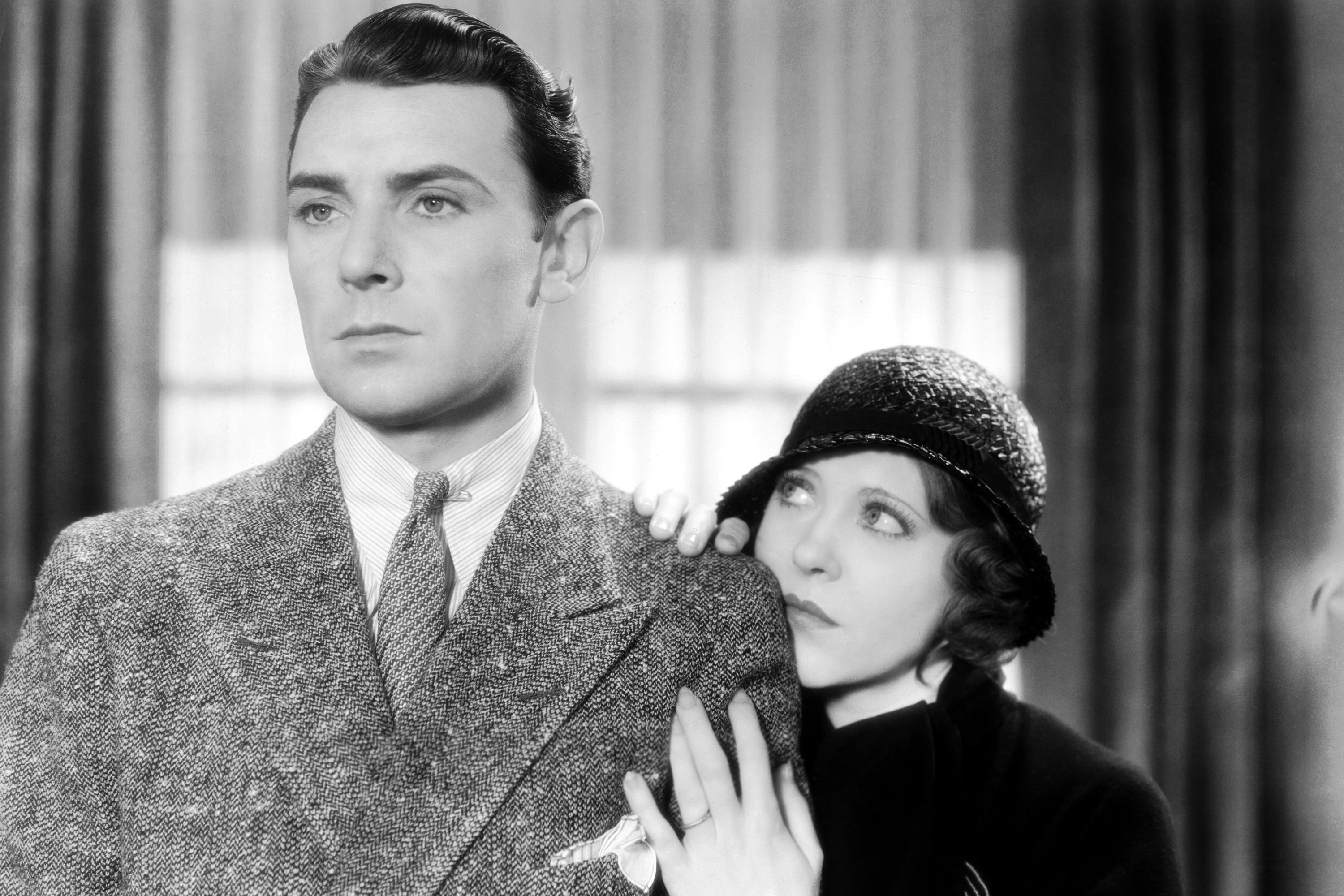
Brent’s second produced film at Warners, So Big! (1932), was actually released first. This was the first of five pairings with Barbara Stanwyck, whom Brent named in 1978 as his favorite co-star. “She was the most human, the most unassuming person in the world,” he said. Based on Edna Ferber’s Pulitzer Prize-winning novel about a self-sacrificing farm wife who raises a son who winds up a disappointment but motivates another boy to great success as a sculptor (Brent), the film has Stanwyck aging from schoolgirl to middle-aged mother over three decades.
Brent and Stanwyck would be quickly teamed again for The Purchase Price (1932), a bizarre story of Stanwyck fleeing the world of city nightclubs to become a mail order bride for farmer Brent (who thought this one of his worst films), and then the notoriously pre-Code Baby Face (1933), in which Stanwyck sleeps her way up a banking empire, man by man, until she reaches the wealthy Brent at the very top. A decade later, the pair would reunite for The Gay Sisters (1942) and My Reputation (1946), an excellent melodrama.
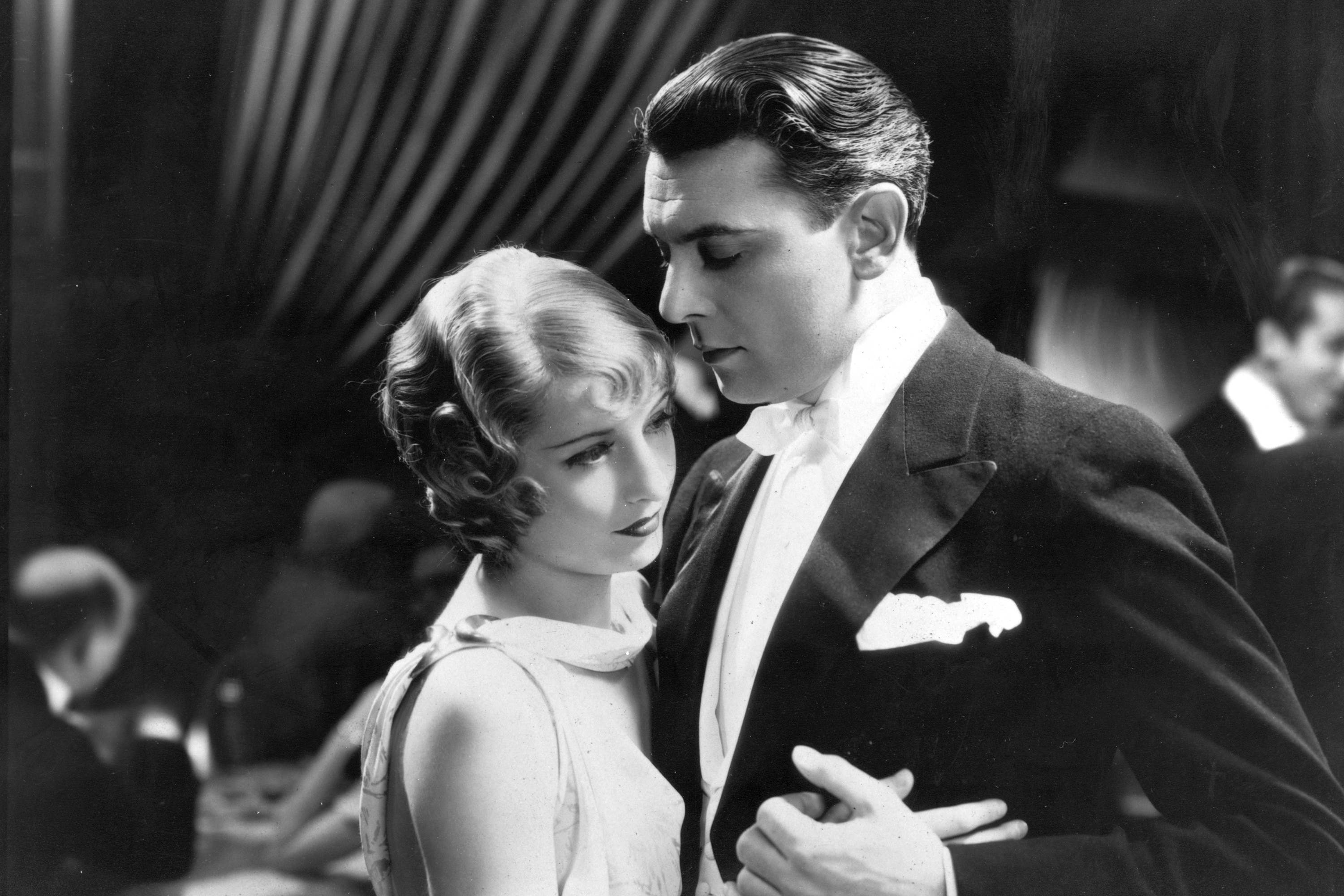
In 1933, Brent was cast opposite Kay Francis in The Keyhole (1933), their first of six pictures together. In this one, he’s a detective hired to trail a possibly unfaithful woman, only to fall for her himself. Even better were their next two pictures, Living on Velvet (1935) and Stranded (1935), both directed by Hollywood’s great romanticist, Frank Borzage. Audiences took notice of the pair’s chemistry, and so did critics. “The Francis-Brent team seems to be a happy combination,” wrote one. “Mr. Brent’s engaging comedy is an excellent antidote for Miss Francis’s penchant for heavy tragedy.” These romantic films also show Francis at her most glamorous and beautifully clothed and were popular enough to prompt three further pairings, in The Goose and the Gander (1935), Give Me Your Heart (1936) and Secrets of an Actress (1938). As James Robert Parish later wrote, “In their day, Francis and Brent were regarded by the bulk of steady filmgoers as the height of refined, upper-class romantics.”
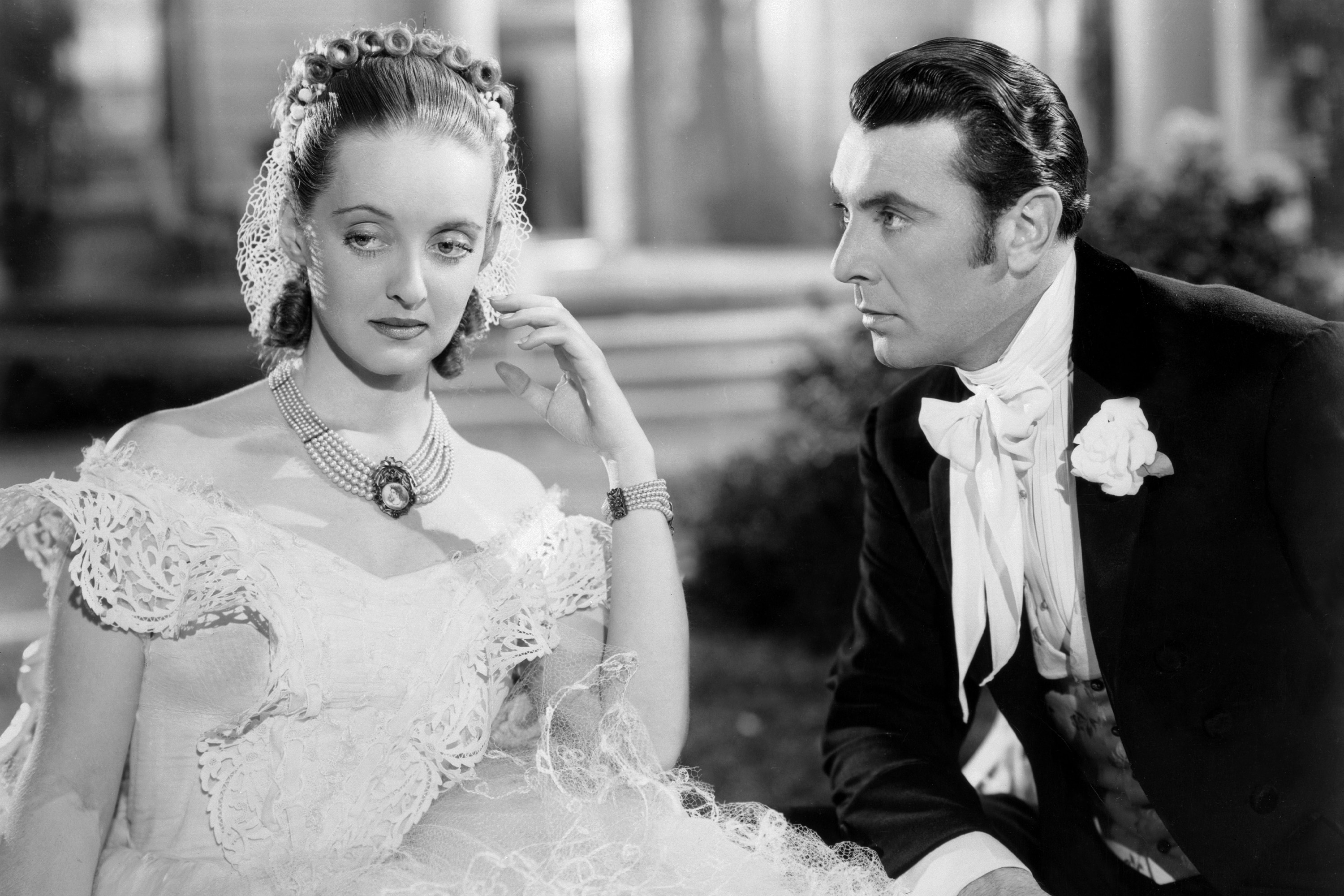
While Brent’s first two films for Warner Bros.—The Rich Are Always With Us and So Big!—had starred Chatterton and Stanwyck, respectively, they also both had in their supporting cast a young, rising actress who would become Brent’s most frequent co-star: Bette Davis. For their third film, Housewife (1934), and the first in which they played the leads together, Brent was billed above Davis; for their fourth, Front Page Woman (1935), Davis was billed above Brent, an indication of the fluid hierarchy of stardom in that era. All 11 of their movies are in this spotlight, including such lavish, romantic melodramas as Jezebel (1938), Dark Victory (1939), The Old Maid (1939), The Great Lie (1941) and In This Our Life (1942). Brent certainly benefitted from Davis’s willingness to battle Warner Bros. for the best scripts, and he was especially proud of Dark Victory, a classic tearjerker in which he superbly plays a brain surgeon who falls in love with Davis as a spoiled heiress who develops a brain tumor. “That was a damn good picture,” said Brent. “It had a good script. Something clicked... Bette was a professional. She always knew her lines, her blocking, and how to play a scene. It’s a pleasure to work with someone like that.
Among Brent’s other films, The Painted Veil (1934) is notable as his sole screen pairing with Greta Garbo, who specifically requested him to be loaned to MGM for the film, and with whom he sparked great romantic chemistry onscreen and off. Based on the W. Somerset Maugham novel, Garbo is the unfaithful wife who falls in love with a British diplomat (Brent) in China while her husband (Herbert Marshall) neglects her. Also at MGM, Brent starred with Myrna Loy in Stamboul Quest (1934), a World War I spy drama-romance that became another favorite of his own work. Brent said he loved working at MGM because they took the time needed to make every shot perfect. His enthusiasm translated to a remarkably buoyant performance, which critics noticed and praised.
Honeymoon for Three (1941), a rare comedy for Brent, marked the only time he worked with Ann Sheridan. They fell in love while shooting in August 1940, were married on January 5, 1942, and divorced exactly one year later. Brent was a passionate private airplane pilot, and after the U.S. entered World War II, he became a flight instructor. His first film after his service was one of his finest: Experiment Perilous (1944), co-starring the exquisite Hedy Lamarr. Directed atmospherically by Jacques Tourneur, it’s a noir-ish psychological thriller in the vein of Gaslight (1944), with a spellbinding opening sequence that will stay with you. Ann Dvorak—who worked with Brent twice—later summed up the general consensus about him quite simply: “We all had George Brent, and we were all very happy about it.”