Tuesday, April 28 | 4 Movies
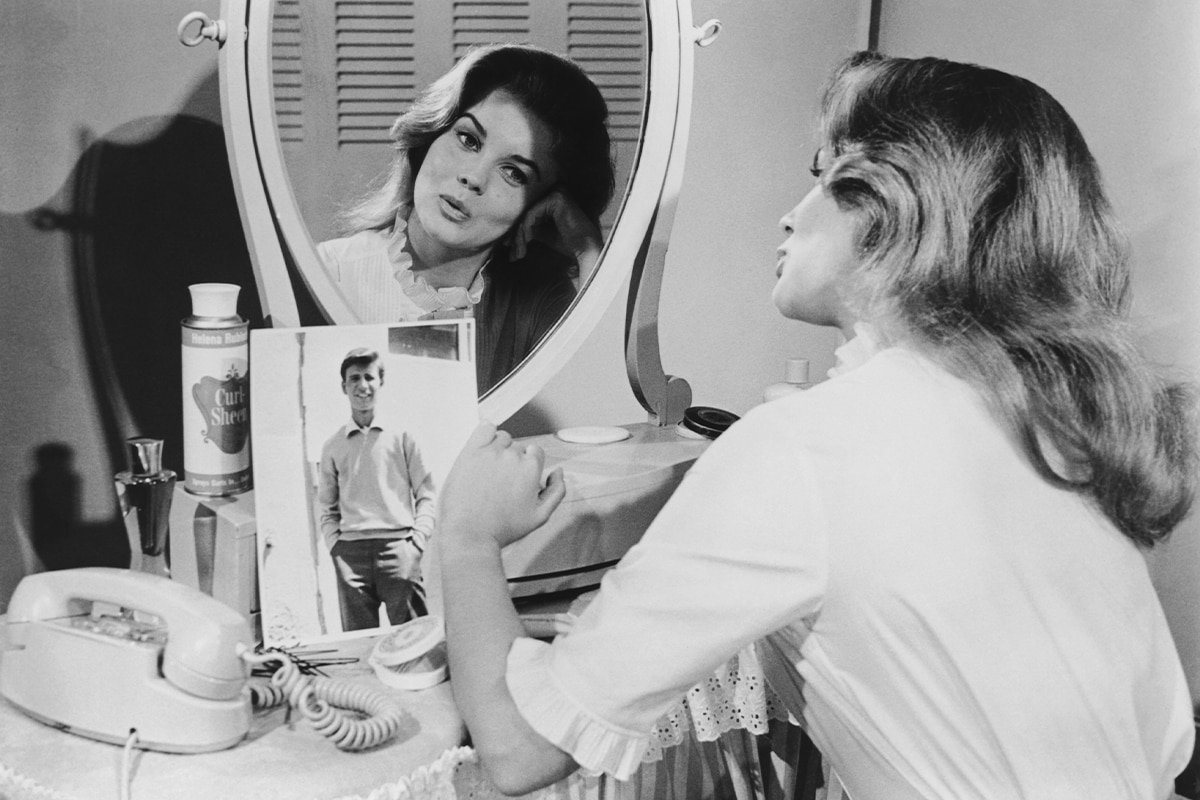
Swedish-American sensation Ann-Margret burst onto the scene in the early 1960s, capturing the public’s attention with her charisma and energetic dance moves. Few actresses have experienced the rise from unknown to mega-watt stardom that Ann-Margret has when she became a household name with films like Bye Bye Birdie (1963) and Viva Las Vegas (1964). A born performer, Ann-Margret is a triple threat as a dancer, singer and actress. Over the years, she became known for her roles as sex kittens and modern femme fatales but didn’t shy away from more serious acting challenges, including a role in Carnal Knowledge (1971) which earned her first of two Academy Award nominations.
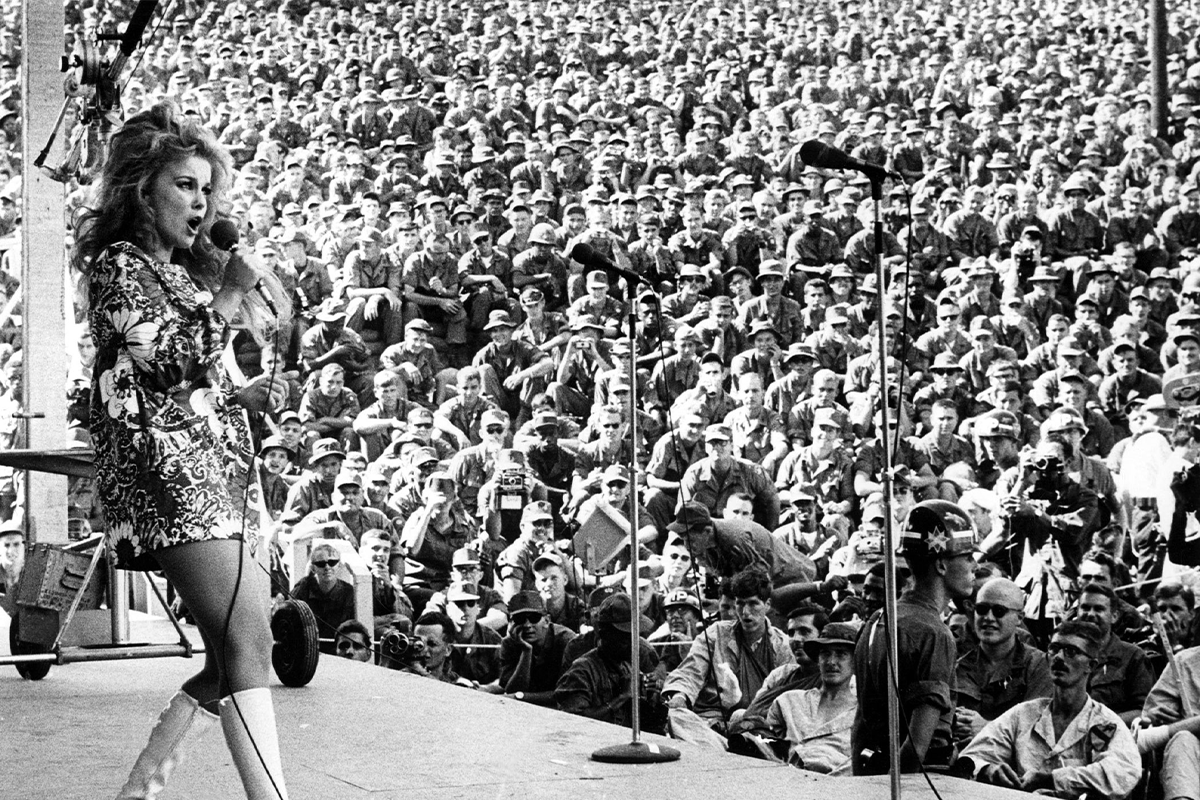
While her career has had its ups and downs, she has always maintained a love for performing, whether in her films, television specials or Las Vegas shows. In her private life, Ann-Margret is a woman who cares deeply about family and was devoted to her husband of 50 years, actor Roger Smith. She’s a lifelong motorcycle enthusiast, an interest that connects her with her inner daredevil. TCM celebrates living legend Ann-Margret’s birthday with a special night of programming.
“I do know what makes Ann-Margret ‘The Performer’ emerge, and it’s very literally the sound of music. I hear a beat, a tempo that moves me and it’s as if I’m transfixed. And it’s been that way right from the beginning…” — Ann-Margret
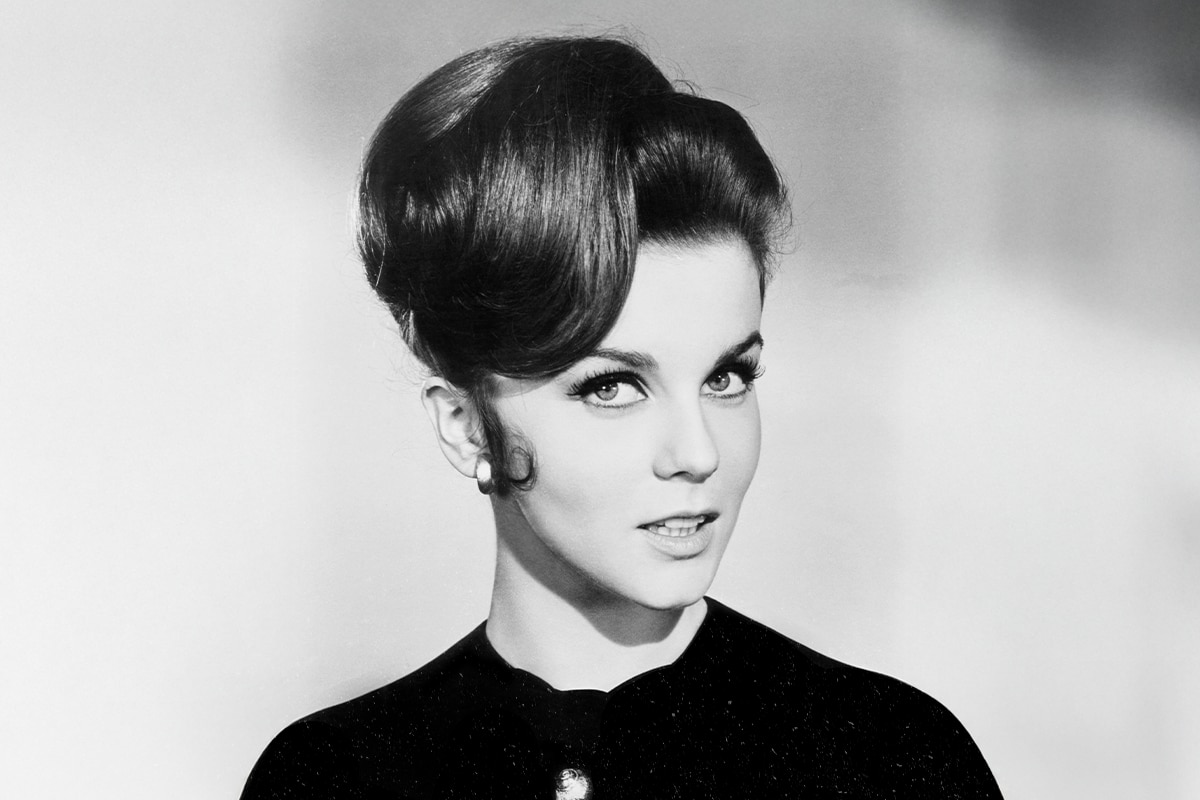
Ann-Margret Olsson was born April 28th, 1941, in Stockholm, Sweden. Her parents emigrated to the United States in the late 1940s and settled in Winnetka, Illinois. Ann-Margret caught the performing bug early. She took dance classes and sang in local talent shows, including a televised competition for the Morris B. Sachs Amateur Hour. While attending Northwestern University, she joined the jazz group the Suttletones as the lead singer. During a performance in Las Vegas, she caught the eye of George Burns, who was scouting for his holiday show. Working with Burns helped Ann-Margret acquire new connections and opportunities in the industry. Once she entered the world of show business, she went by her first name only. In an interview, she said, “I dropped the Olsson years ago because I didn’t want my parents to feel any embarrassment if there was negative publicity from my being in show business.”
By the time she moved to Los Angeles, Ann-Margret was recording an album with RCA, the subject of a 14-page spread in LIFE magazine and had auditions at 20th Century-Fox and Paramount Pictures. Her first role was as Pat Boone’s love interest in the musical State Fair (1962), Fox’s third adaptation of the Rodgers & Hammerstein musical. In her autobiography Ann-Margret: My Story, she recalls, “I was recast as Emily, the bad girl, a switch based on my personality test… I looked too sensuous and seductive to play such an innocent.” Fox was impressed enough with the newcomer that they offered her a seven-year contract. Around the same time, she had a small role in Frank Capra’s Pocketful of Miracles (1961). The delayed release of State Fair meant that Pocketful would become her official film debut. The following year, she won the Golden Globe Award for Most Promising Newcomer.
Bye Bye Birdie became the film that officially put Ann-Margret on the map. Director George Sidney knew he had a hot ticket on his hands with the young actress and worked on expanding her role. Based on the popular Broadway musical, Ann-Margret plays Kim, a fan who wins a contest to meet and receive a kiss from a teen idol—played by Jesse Pearson—before he’s drafted into the Army. Her role as Kim MacAfee was one of several parts throughout the 1960s that would be expanded to best showcase her as a rising star. Sidney went as far as spending $60,000 of his own money to film the opening and closing sequences where Ann-Margret sings the theme song. A simple set-up with just a blue screen, a treadmill and a wind machine was all that was needed to create the iconic musical number.
Sidney directed Ann-Margret again in the MGM musical Viva Las Vegas (1964), which would go on to become one of Elvis Presley’s most successful starring vehicles. The two were a great match. They had chemistry along with the looks and moves to make them the top sex symbols of the day. Elvis became the co-star most associated with Ann-Margret’s career. The two began an offscreen relationship that evolved into a lifelong friendship.
It soon became evident that the public had a fixed perception of Ann-Margret as a movie star, and the films that followed threatened to tarnish her public image. She starred in her first dramatic role in Kitten with a Whip (1964) for Universal, where she plays a deranged juvenile delinquent. That same year, she appeared in The Pleasure Seekers (1964)—Fox’s remake of Three Coins in the Fountain (1954)—with an expanded role that allowed her to have more musical numbers. The script for Universal’s Bus Riley’s Back in Town (1965) was drastically changed to make her the star of the film and to alter more unsavory aspects of her storyline. In her memoir, Ann-Margret reflected how “audiences simply did not want to envision me as a sophisticated woman of the world.”
Ann-Margret traveled to San Francisco for the on-location shooting of MGM’s Once a Thief (1965). Directed by Ralph Nelson, this story about an ex-con trying to get a new lease on life originated as a vehicle to help French actor Alain Delon transition over to the American market. MGM had high hopes that pairing Delon with “Hollywood’s most exciting young actress” would help boost his profile stateside. Unfortunately, the film did not do well with critics or at the box office. However, the making of Once a Thief was a turning point in Ann-Margret’s life. It’s when she reconnected with actor Roger Smith. The two fell in love and married in 1967. Smith mostly retired from acting to become his wife’s full-time manager. Ann-Margret wrote, “He ran every aspect of my career—negotiating contracts, screening scripts, handling my investments, and producing my nightclub acts.”
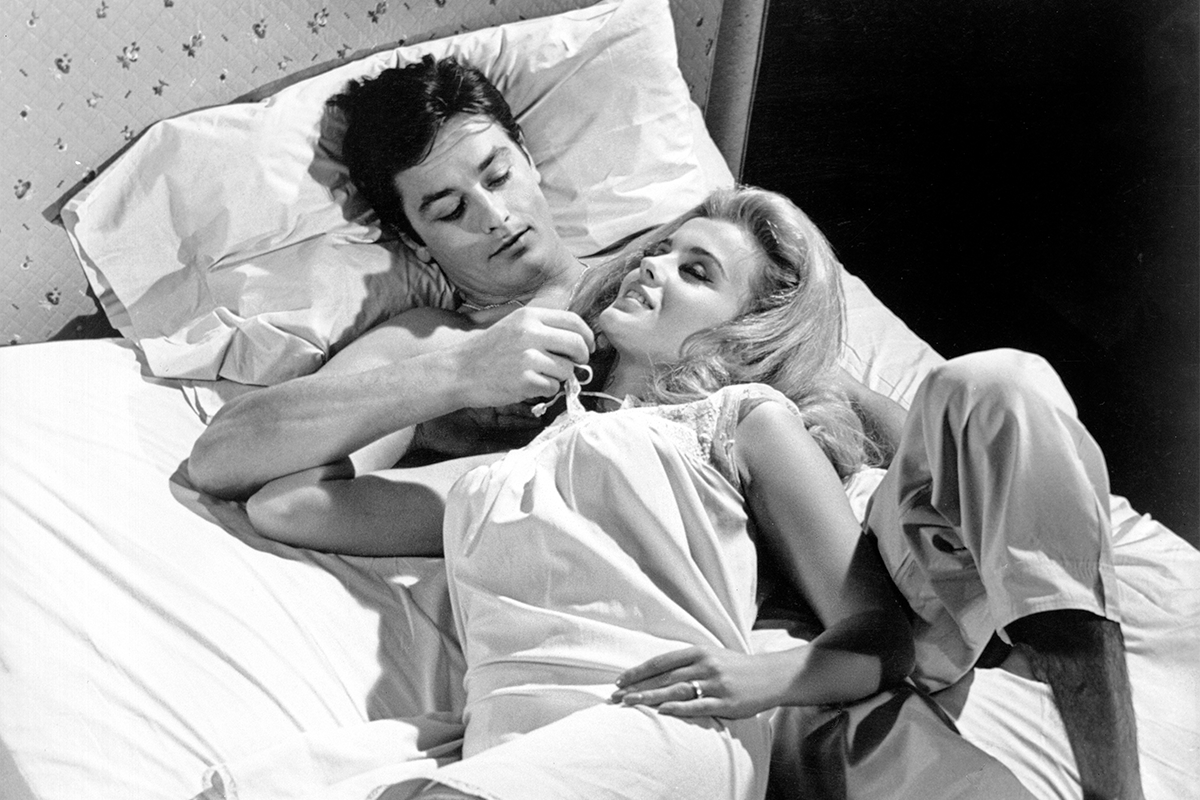
Following Once a Thief, Ann-Margret made two more films for MGM. In Norman Jewison’s The Cincinnati Kid (1965), the studio’s depression-era poker drama, a response to the success of Fox’s The Hustler (1961), Ann-Margret is second billed in an all-star cast that included Steve McQueen, Karl Malden, Edward G. Robinson and Joan Blondell. She was personally selected by Sam Peckinpah—the film’s original director—to play sexpot Melba, a married woman who tries to seduce McQueen’s character, The Cincinnati Kid. Along with Bye Bye Birdie and Viva Las Vegas, The Cincinnati Kid would become one of the films most associated with Ann-Margret’s legacy. She also starred in Boris Sagal’s Made in Paris (1966) for MGM, a fashion-themed romantic comedy that cast her against debonair leading man Louis Jourdan and had her decked out in the finest wardrobe designed by Helen Rose.
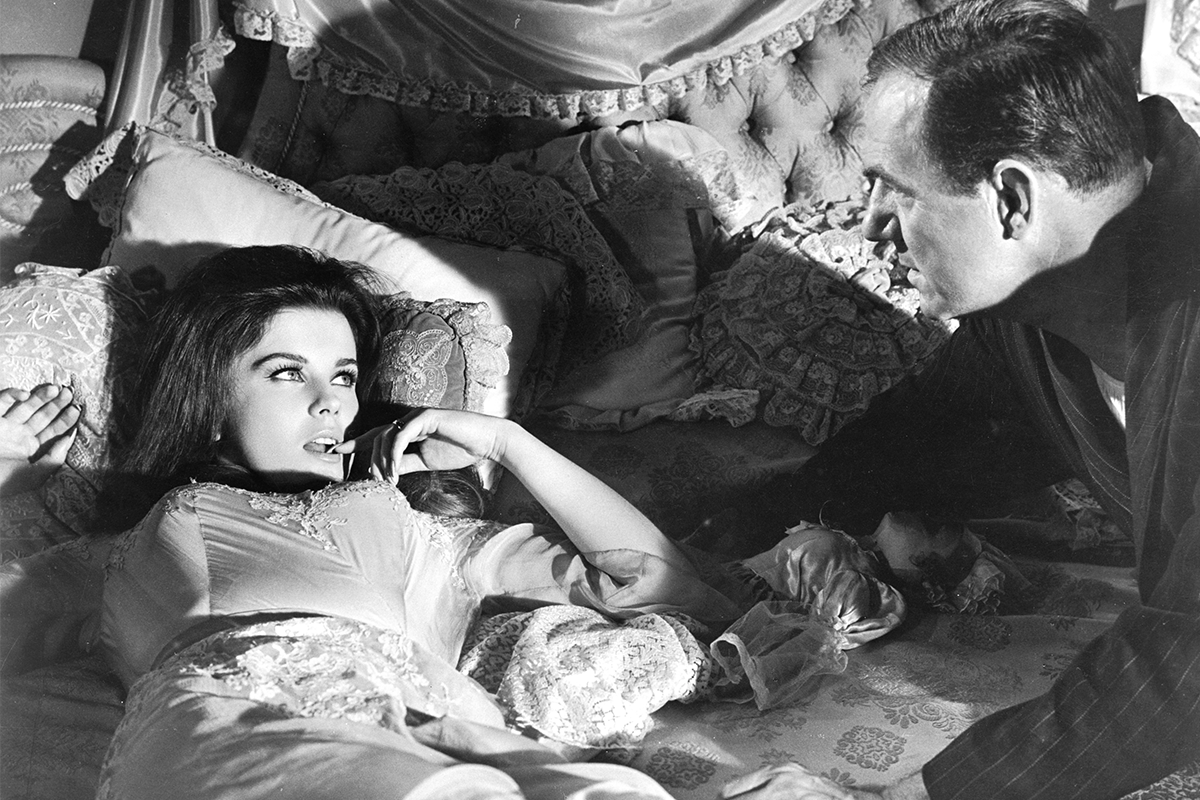
Throughout the latter half of the 1960s, she continued working within the studio system, starring in films such as Fox’s Stagecoach (1966), a remake of the John Ford classic; Paramount’s campy sex comedy The Swinger (1966); and the first of Columbia’s Matt Helm spy comedies starring Dean Martin, Murderers’ Row (1966). Frustrated with how her career was being mismanaged, she accepted an offer from independent producer Joseph E. Levine to make films in Europe. She starred in The Tiger and the Pussycat (1967) for Levine as well as Mr. Kinky (1968), Rebus (1968), Criminal Affair (1968) and The Outside Man (1972).
Upon her return to Hollywood, Ann-Margret took on more serious roles with Stanley Kramer’s political thriller R.P.M. (1970) starring Anthony Quinn. Director Mike Nichols, who remembered Ann-Margret from her film Kitten with a Whip, invited her to audition for a role in his romantic drama Carnal Knowledge (1971). The project would test the limits of Ann-Margret’s strengths as an actress. She was equal parts exhilarated and terrified to play the role of Bobbie. The challenge would pay off with her first Academy Award nomination. Later, she reflected, “I had no reason to doubt myself as an entertainer again.”
The 1970s proved to be the most experimental era for Ann-Margret’s film career when she tackled a variety of genres. She starred in the biker gang drama C.C. & Company (1970) with football star Joe Namath, the Western The Train Robbers (1973) with John Wayne, The Who’s rock opera Tommy (1975) and the psychological horror film Magic (1978) with Anthony Hopkins. She also dabbled in comedy with spoofs like The Cheap Detective (1978) and The Villain (1979). She continued working throughout the 1980s and 1990s, including in 52 Pick-Up (1986), John Frankenheimer’s drama based on an Elmore Leonard novel. Some years later, she joined forces with Walter Matthau and Jack Lemmon playing the object of desire in Warner Bros.’ box-office hits Grumpy Old Men (1993) and the sequel Grumpier Old Men (1995).
Ann-Margret continues to be a cultural phenomenon well into the 21st century. Her famous Bye Bye Birdie sequence became the subject of an episode of the hit television show “Mad Men,” and her signature dance moves were spoofed on “Saturday Night Live.” In recent years, she’s appeared in movies like Going in Style (2017) and Queen Bees (2021) and is still working today with a film in pre-production.