"A picture so compelling, dramatically exciting and frankly courageous as to defy comparison. Nothing like it has ever been done before in films." - The Hollywood Reporter
"It is the most courageous subject ever attempted on the screen."
- Louella Parsons, Hearst Syndicate
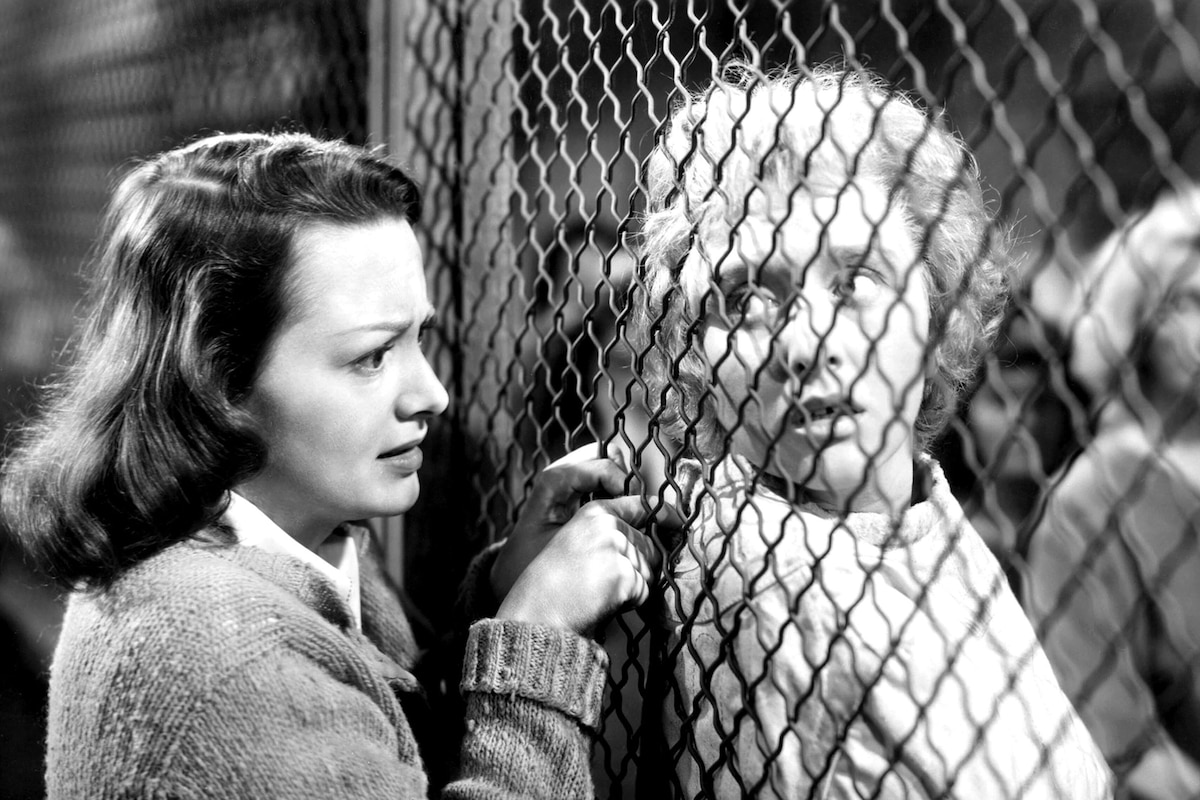
"Most striking aspect of this picture is the forcefulness with which it makes us feel the dark confusion, distress and anguished yearnings of a person who is mentally ill. And this it does from a literal, straightforward and quietly objective point of view...by catching the drama in the behavior of one thus torn. Without pointing or pounding at any details, it shows the myriad idiosyncrasies of 'the sick' and draws them into a pattern which should expand and enlighten our lucid minds....The Snake Pit, while frankly quite disturbing and not recommended for the weak, is a mature emotional drama on a rare and pregnant theme."
- Bosley Crowther, The New York Times
"Miss de Havilland gives one of those wonderfully unglamorized and true performances generally associated with one of the more distinguished foreign actresses."
- Saturday Review
"Still among the most famous of the mental-hospital films, but its power seems to have lessened in the wake of One Flew Over the Cuckoo's Nest (1975) and Frances (1982)."
- Danny Peary, “Guide for the Film Fanatic”
"A film of superficial veracity that requires a bigger man than [Anatole] Litvak; a good film with bad things in it."
- Herman F. Weinberg, “The Movies that Changed Us: Reflections on the Screen”
"Overrated at the time as a piece of mature and realistic cinema with a strong social conscience, this now works best as lurid melodrama. De Havilland pulls out the stops as the woman committed to a mental hospital....The plea for better treatment might now seem rather muddled, given the film's advocacy of shock treatment; and the documentary-style footage inside the asylum merges poorly with the strong narrative. But it's entertaining enough in a hysterical sort of way, even if it never matches up to the excesses of Fuller's later Shock Corridor (1963)."
- “The TimeOut Film Guide”
"Gripping film set in mental institution lacks original shock value but still packs a good punch, with de Havilland superb."
- “Leonard Maltin's Classic Movie Guide"
Additionally, this film has received the following awards and/or honors:
The New York Times critic Bosley Crowther placed The Snake Pit at number ten on his yearly ten best list. It placed seventh on the National Board of Review's ten best list. The film also received awards from The Committee of American Psychologists and the California Citizens Committee on Mental Hygiene.
Frank Patros and Millen Brand won two awards from the Writer's Guild, Best-Written American Drama and the Robert Meltzer Award for the best film dealing with social issues.
Olivia de Havilland's performance garnered Best Actress awards at the Venice Film Festival and from the New York Film Critics and the National Board of Review. She was also nominated for the Oscar in a very tight race for Best Actress, ultimately losing to Jane Wyman in Johnny Belinda (1948).
The Snake Pit also received five other Oscar nominations: Best Picture, Best Director, Best Screenplay, Best Score and Best Sound. It only won in the latter category. It was considered a front runner for Best Picture in a close race with Johnny Belinda, but in a major upset, lost to Hamlet (1948), the first foreign film to win the Best Picture Oscar