It’s time for TCM to make your blood chill and your skin crawl as another round of Halloween programming comes along this month. This year TCM features its most intense frights ever with the return of Mario Cantone and Ben Mankiewicz hosting their double feature block of Creepy Cinema every Thursday at 8pm. The network will also run 48 hours of fright flicks for the annual Halloween Terror-Thon beginning Friday, October 30 at 6am along with a special daytime tribute to acclaimed horror director Tod Browning on October 16 at 12:15pm. It’s a generous helping of holiday treats that won’t rot your teeth, though it may raise your blood pressure.
Creepy Cinema: Thursdays at 8pm
A Scottish prayer begs for protection from “ghoulies and ghosties and long-legged beasties and things that go bump in the night,” but it doesn’t say anything about the terrifying team of Ben Mankiewicz and Mario Cantone. They’re back for five Thursday nights in October, with Cantone programming a series of eclectic, offbeat and often witty double bills, each followed by a full night of monsters, killers and assorted nasties.
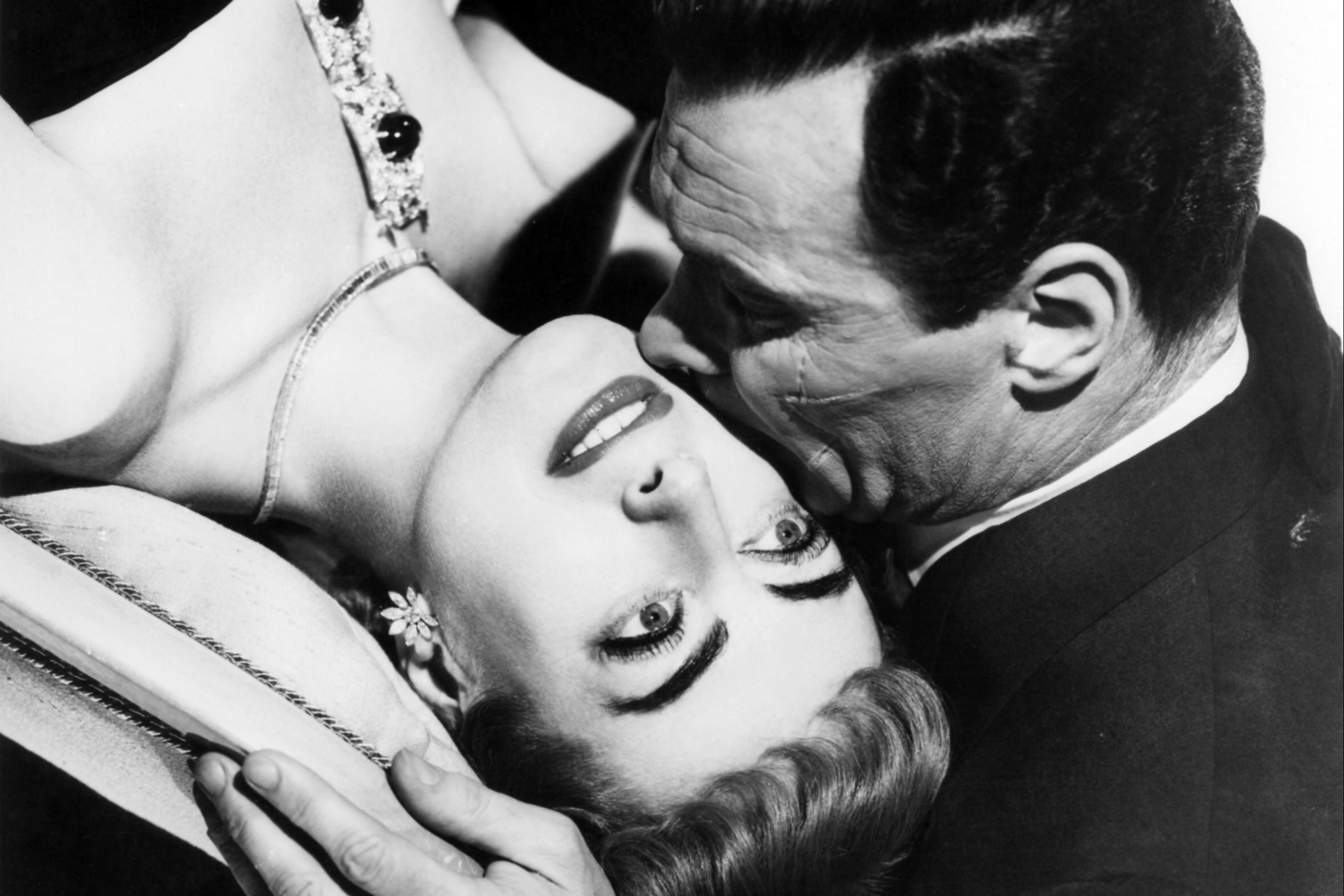
The monthlong festival kicks off October 1, with Cantone’s sixth annual Bette & Joan mash-up, highlighting two of the screen’s most beloved, notorious and dramatic divas in some of their more macabre roles. This time, Joan Crawford is a vicious Southern belle who torments friends and family while dressed in a dazzling Jean Louis wardrobe in Queen Bee (1955), while Bette Davis is The Nanny (1965), a seemingly unflappable childcare professional hiding a deadly secret. With luck, you may even get to see Cantone, a master impressionist, recreate scenes from the two films, with Mankiewicz as straight man.
Other Creepy Cinema nights include Desperate Survival, a salute to survivors in They Shoot Horses, Don’t They? (1969) and Lifeboat (1944); an Angela Lansbury tribute featuring such gothic chillers as Gaslight (1944) and Sweeney Todd (1982); Going Crazy, in which Olivia de Havilland and Elizabeth Taylor are committed to insane asylums in The Snake Pit (1948) and Suddenly, Last Summer (1959), respectively; and a night of TCM premieres for Women in ‘70s Horror, with Geraldine Page as headmistress of a girl’s school offering classes in sexual repression and murderous mayhem in The Beguiled (1971) and Ava Gardner renting out one hell of a creepy apartment in The Sentinel (1977).
A late-night horror festival follows each double bill from Mankiewicz and Cantone. A night celebrating Evil Deeds on October 1 features a couple who express their love by becoming The Honeymoon Killers (1969) and the classic French thriller Diabolique (1955). Monsters are on the menu October 8, including The Blob (1958) and The Thing from Another World (1951). The Curse of Frankenstein (1957) and The Horror of Dracula (1958), two films that sparked a revival of classic movie monsters, feature in an October 15 salute to England’s Hammer Studios. Then you get 15 tales of terror October 22 in a quartet of horror anthologies like Torture Garden (1967) and the classic Japanese film Kwaidan (1965). The programming ends with a look at psychological horror, including two classics from producer Val Lewton, I Walked with a Zombie (1943) and Bedlam (1946), and a cult classic that inspired the look of Night of the Living Dead (1968), Carnival of Souls (1962).
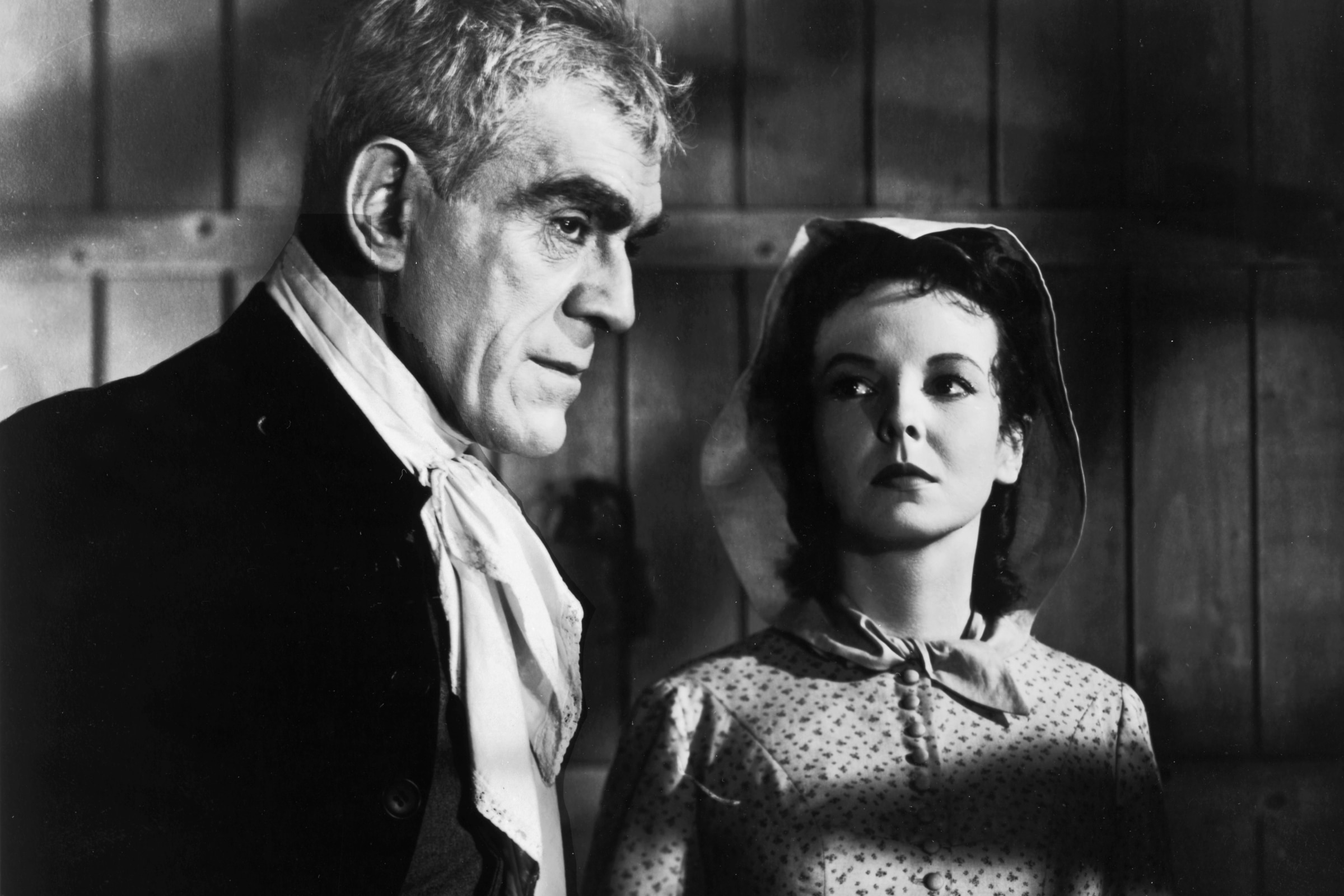
But that’s not all, as we have still more ways of scaring you silly.
Halloween Terror-Thon: October 30 and 31
TCM has celebrated Halloween since its launch in 1994. In 2023, the network started what is now an annual tradition — 48 hours of horror films beginning at 6am, this time with horror icon Donald Pleasence as the infamous wife killer Dr. Crippen (1963), with Coral Browne as the shrew who drives him to murder, and ending in the wee hours of Halloween night with the film that unleashed a thousand zombies on the world, George Romero’s Night of the Living Dead (1968). In between, TCM presents 27 feature films, one documentary and a trio of late Warner Bros. cartoon shorts.
The network’s newest franchise, Films on Film, goes all out for Halloween with the October 30 TCM premiere of Vincent Price: What Keeps Us Alive (2026). The documentary tells the story of one of classic Hollywood’s last great horror stars, with contributions from fans like John Waters and Tim Burton, and Price’s daughter, Victoria, son Vincent Barrett and grandsons Jody and Keir. The network then presents a bill of Price’s early fright films, like House of Wax (1953) and House on Haunted Hill (1958), that paved the way for his emergence as one of the 1960s’ definitive horror icons in Roger Corman’s Edgar Allan Poe adaptations.
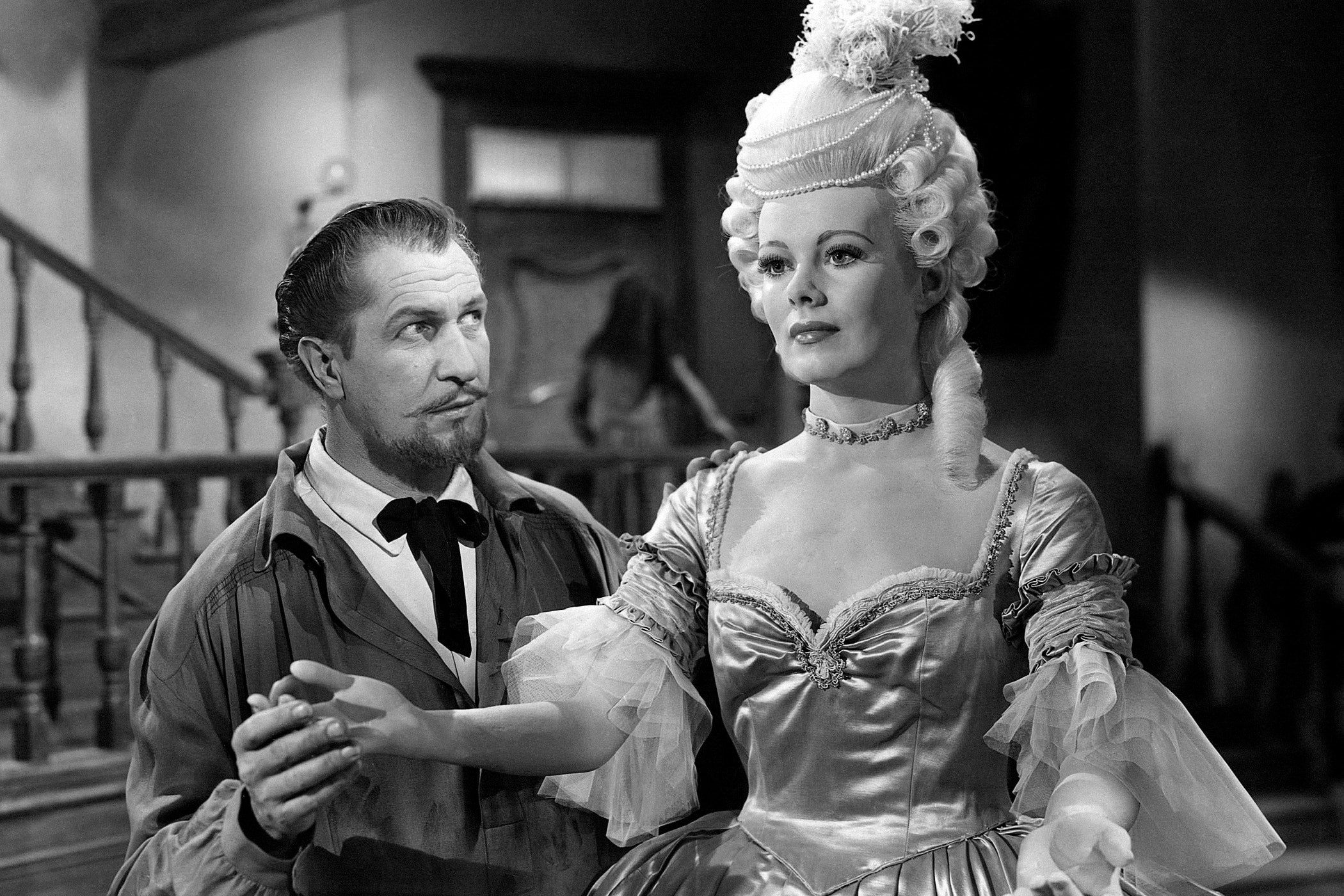
This year’s Hollywood Terror-Thon features three other network premieres. Two 1970s horror films debut in primetime on Halloween night. The 1979 version of Dracula stars Frank Langella as one of the screen’s most romantic versions of the blood-sucking Transylvanian Count. After playing the role on stage in an acclaimed revival of the 1927 play that had made Bela Lugosi a star, Langella brought sizzling sex appeal and an almost tragic nobility to this new screen adaptation. He was so insistent on presenting the character in a romantic vein, he even refused to wear fangs or be shown with blood splattered on his shirt. Instead, he brought a new kind of love to leading lady Kate Nelligan. It’s followed by Brian De Palma’s often-hilarious mash-up of The Phantom of the Opera, Faust and The Picture of Dorian Gray, Phantom of the Paradise (1974). Paul Williams stars as a diabolical music producer whose theft of William Finley’s music turns the composer into a masked avenger. Williams also wrote the memorable score. Earlier in the day, a talking dragon helps young Jack Wild face off against a coven of witches led by Martha Raye, Cass Elliott and Billie Hayes in Pufnstuf (1970), an adaptation of the classic Saturday morning children’s show.
Eddie Muller joins the festivities with the first-ever Noir Alley triple feature. The Saturday night film noir showcase presented a double feature of Cat People (1942) and The Leopard Man (1943) to celebrate Halloween weekend in 2021. This year, Muller ups the ante by adding The Seventh Victim (1943) to the mix. Lewton had come to RKO in 1942 after years as David O. Selznick’s assistant and publicist. His charge was to produce a series of low-budget horror films to cash in on the success of Universal’s own horror flicks. The studio assigned the titles and left the rest to Lewton. He gave them a string of hits that revolutionized the genre and pointed the way to film noir. Mood and dread were foregrounded in ambiguous tales that created monsters not from science or the supernatural but rather the human psyche. Cat People stars Simone Simon as a woman who fears she will turn into a murderous cat when sexually aroused. In The Leopard Man, a serial killer stalks a New Mexico border town. Those films did so well that their director, Jacques Tourneur, was promoted to A features. So Lewton did some promoting of his own and assigned editor Mark Robson to make The Seventh Victim, a tale of Satanists in Greenwich Village that turned the Big Apple into an urban hellscape.
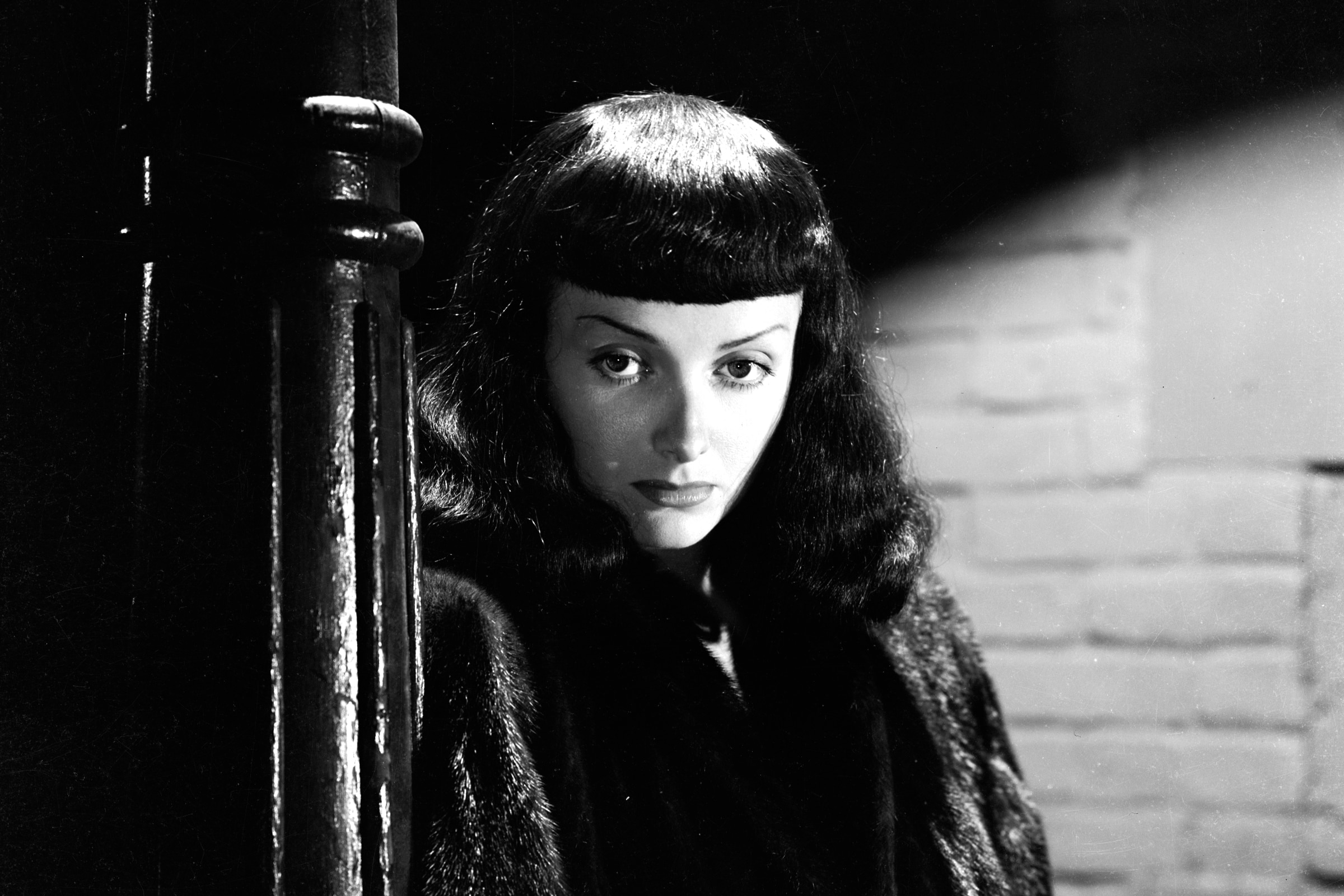
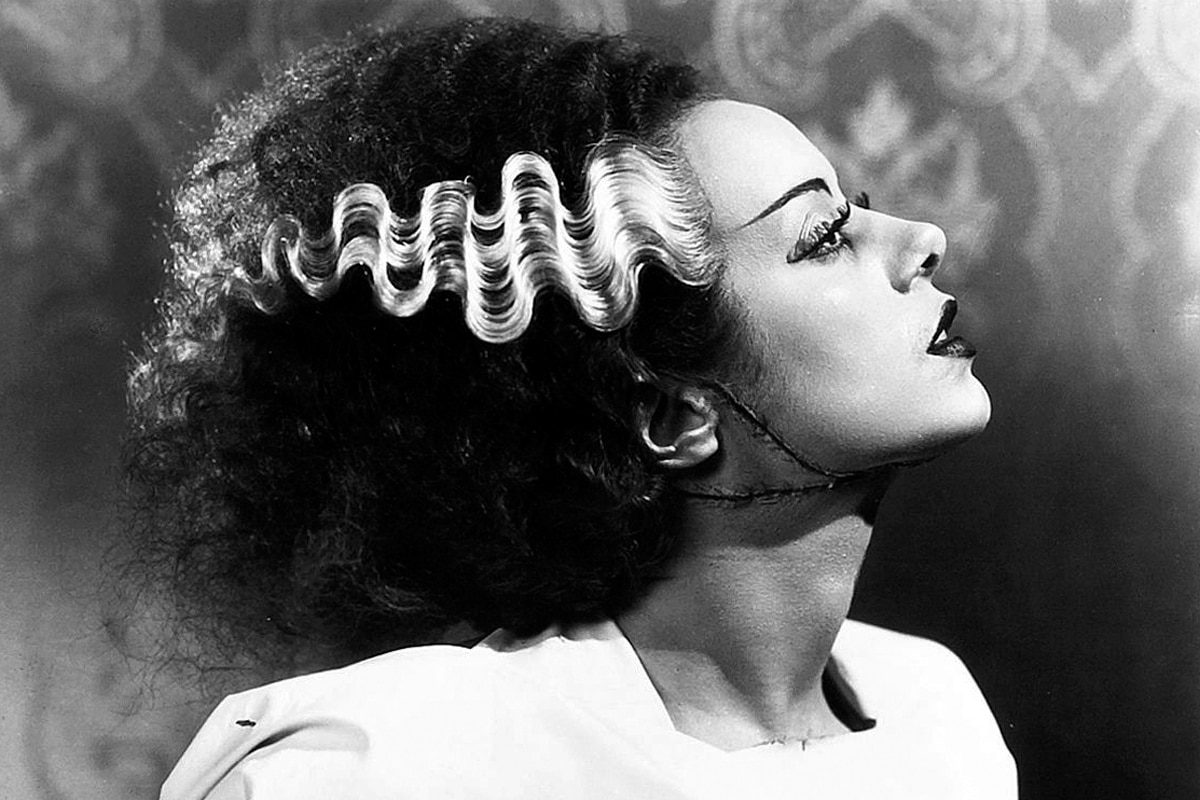
Other highlights of TCM’s Hollywood Terror-Thon include horror icons Lon Chaney, Jr., Bela Lugosi, Boris Karloff and Peter Lorre in Spider Baby (1967), White Zombie (1932), The Walking Dead (1936) and Mad Love (1935), respectively. Psychological thrills are on display in Georges Franju’s classic French thriller Eyes Without a Face (1960), Robert Wise’s The Haunting (1963) and Jacques Tourneur’s Curse of the Demon (1958). Those all air on Friday, October 30. On Halloween day, you can catch a pair of restored two-strip Technicolor films from director Michael Curtiz, Doctor X (1932) and The Mystery of the Wax Museum (1933), both starring Fay Wray and Lionel Atwill. The afternoon features a bill of iconic early horror features: Dracula (1931), The Mummy (1932), Dr. Jekyll and Mr. Hyde (1932) and Bride of Frankenstein (1935).
But wait, there’s more.
The Horror of Tod Browning: October 16
To whet your appetite for TCM’s Halloween Terror-Thon, the network is devoting the afternoon of Friday, October 16, to six films from one of America’s first great horror directors, Tod Browning. His films were informed by his background as a circus worker, rising from roustabout to sideshow barker, his time in vaudeville and his alcoholism. He was a moralist and a storyteller, whose brooding mysteries and horror films — often focused on guilt and the plight of the outcast — have earned him the title “the Edgar Allan Poe of cinema.”
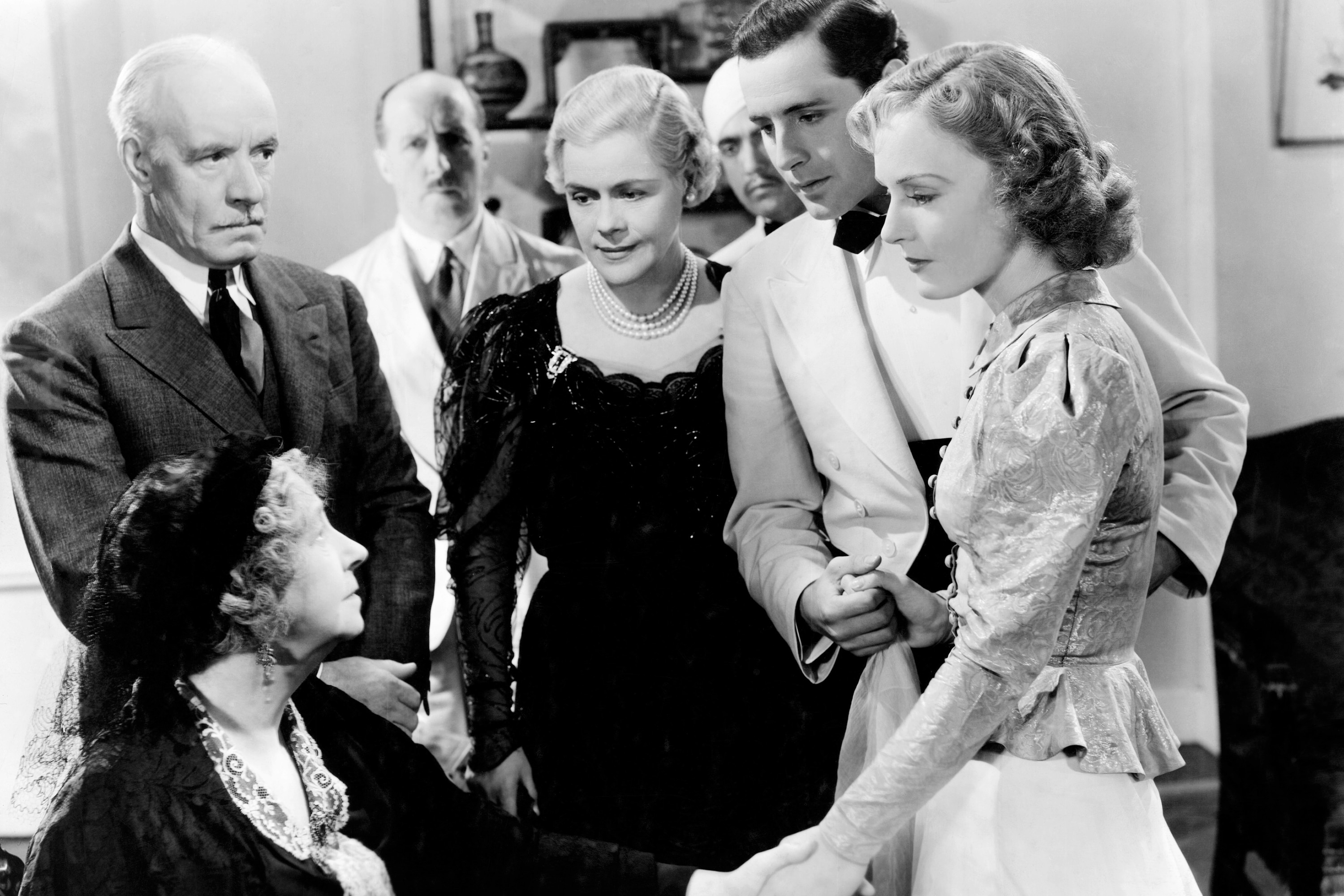
Browning’s show business roots are on display in several of his films, including the silent The Mystic (1925) and the early talkie The Thirteenth Chair (1929), which both focus on fake psychics. The latter also features an early sound performance by Bela Lugosi, whom Browning would make a star when he directed him in Dracula. He and Lugosi would reunite for Mark of the Vampire (1935), in which villagers are being killed by a vampire who could be Lugosi, but then again, maybe not. The film also features Lionel Barrymore, who would return in The Devil-Doll (1936) as a mad scientist who dresses as the female owner of a doll shop. Only the dolls are thieves Barrymore has shrunk so he can rob his customers.
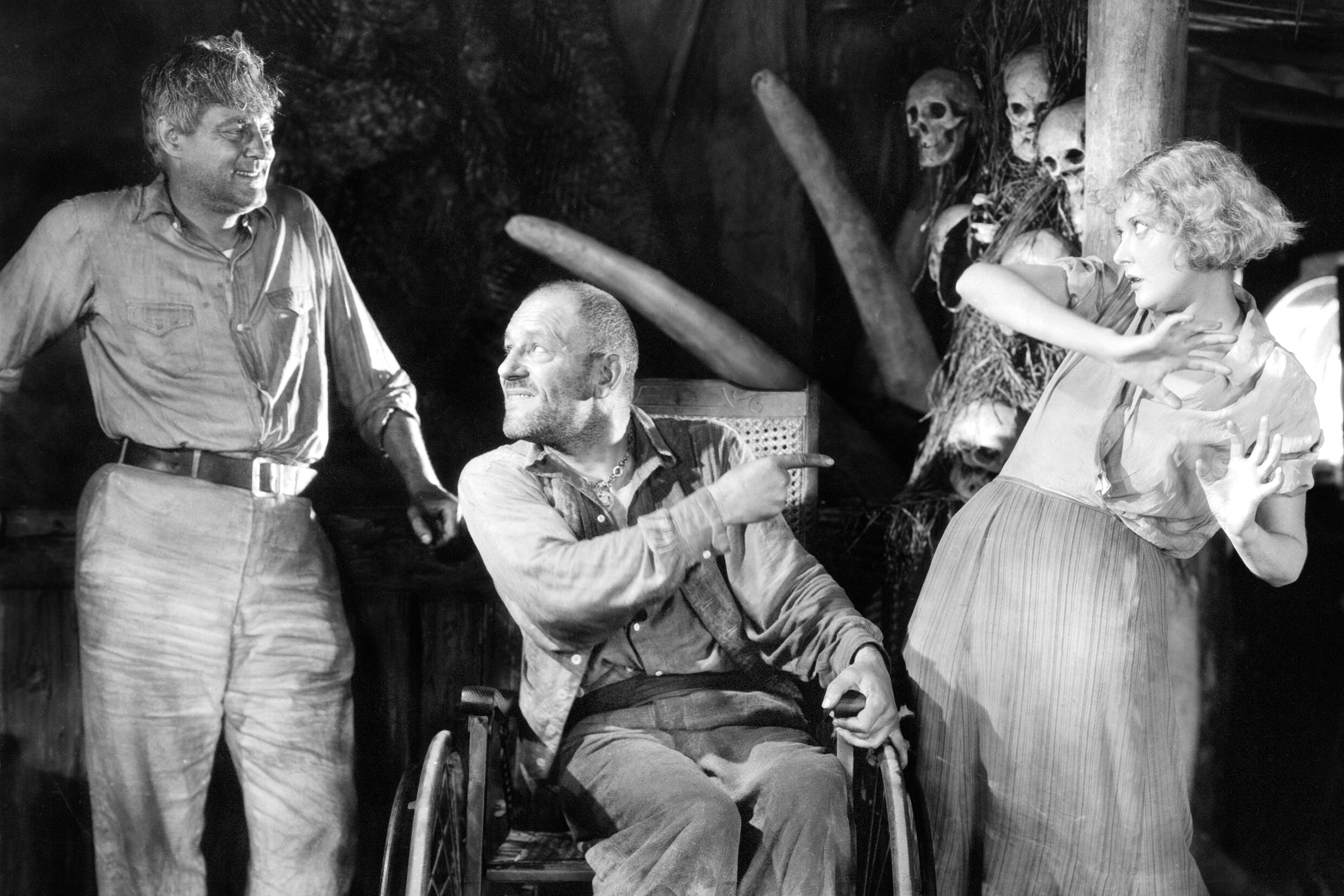
Browning’s most frequent leading man was Lon Chaney, the man of a thousand faces, whose skill at distorting his face and body was an ideal match for the director’s obsession with outcasts. Their first film together was the 1919 crime story The Wicked Darling, followed by nine more features. In the late silent West of Zanzibar (1928), Chaney is a retired magician out for revenge on the ivory trader (Lionel Barrymore) who stole his wife and left him in a wheelchair. They were scheduled to reunite for Dracula when Chaney died suddenly of cancer in 1930, opening the door for Lugosi to take the role.
After the success of his films with Chaney, MGM took a chance and let Browning direct a film strongly inspired by his circus and sideshow background. Freaks (1932) seems to be mere melodrama: a beautiful trapeze artist (Olga Baclanova) seduces and marries a sideshow entertainer (Harry Earles) after learning he’s inherited a fortune. She plans to poison him so she and her lover, the strong man (Henry Victor), can live in luxury. But she doesn’t reckon with the powerful community of human oddities working with Earles. Early audiences fainted or ran out of theaters in horror, and some regions banned the film altogether. Over time, however, it has acquired a cult following and been reappraised by critics who praise it for its portrait of a society of outcasts and consider it one of the most empathetic films ever made.