Tuesdays, October 13, 20 and 27 | 18 Movies
After a long, hot summer, that chill in the air that comes with fall sweater weather feels refreshing. There’s nothing like cozying up on the couch, sipping on a hot drink and enjoying an emotional melodrama, a cozy mystery or a quirky, chilly tale. This month on TCM, celebrate Sweater Weather with a selection of autumnal films.
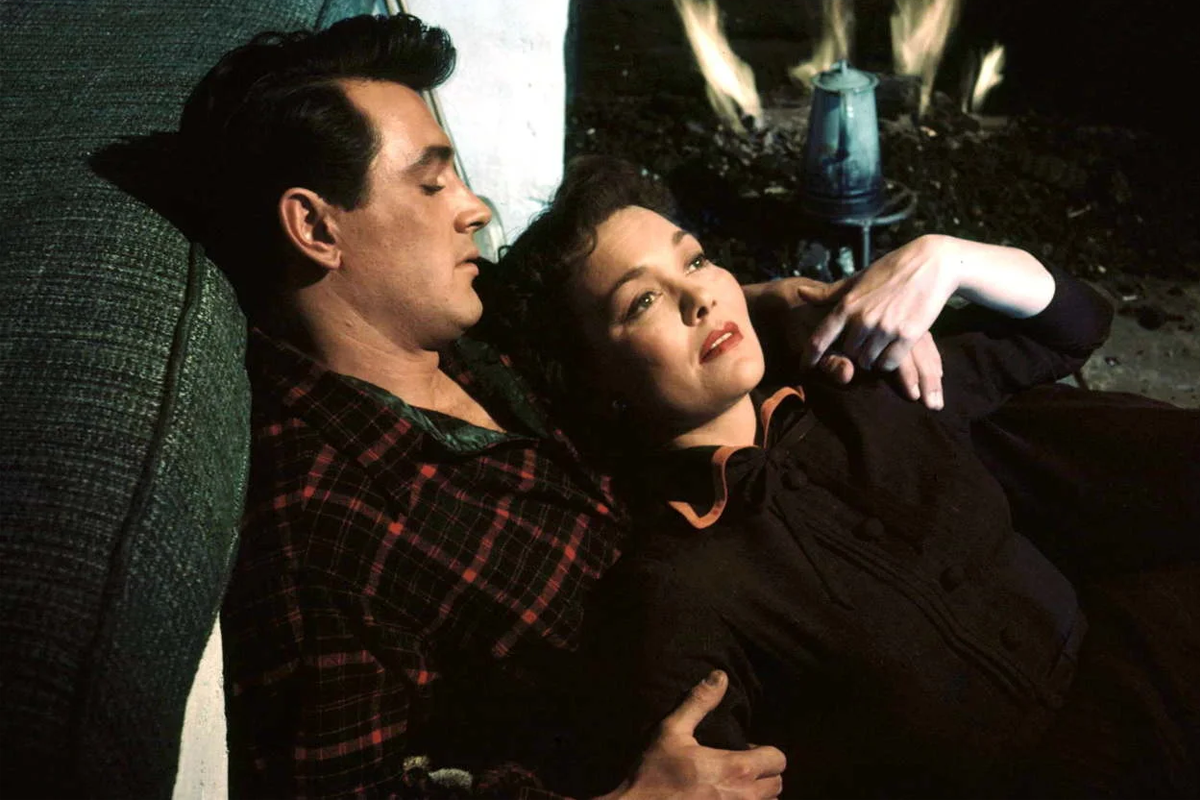
Set in New England, Douglas Sirk’s lush melodrama All That Heaven Allows (1955) stars Jane Wyman as Cary, a wealthy widow who falls in love with a handsome gardener-turned-arborist, Ron (Rock Hudson). Caught in the web of town gossip and the expectations of her adult children, Cary finds herself torn between pleasing others and following her heart. This transcendent love story takes place over autumn and winter in a beautiful, bucolic setting. Look for the iconic wintry scene where Hudson feeds a deer by hand as snowflakes fall around them.
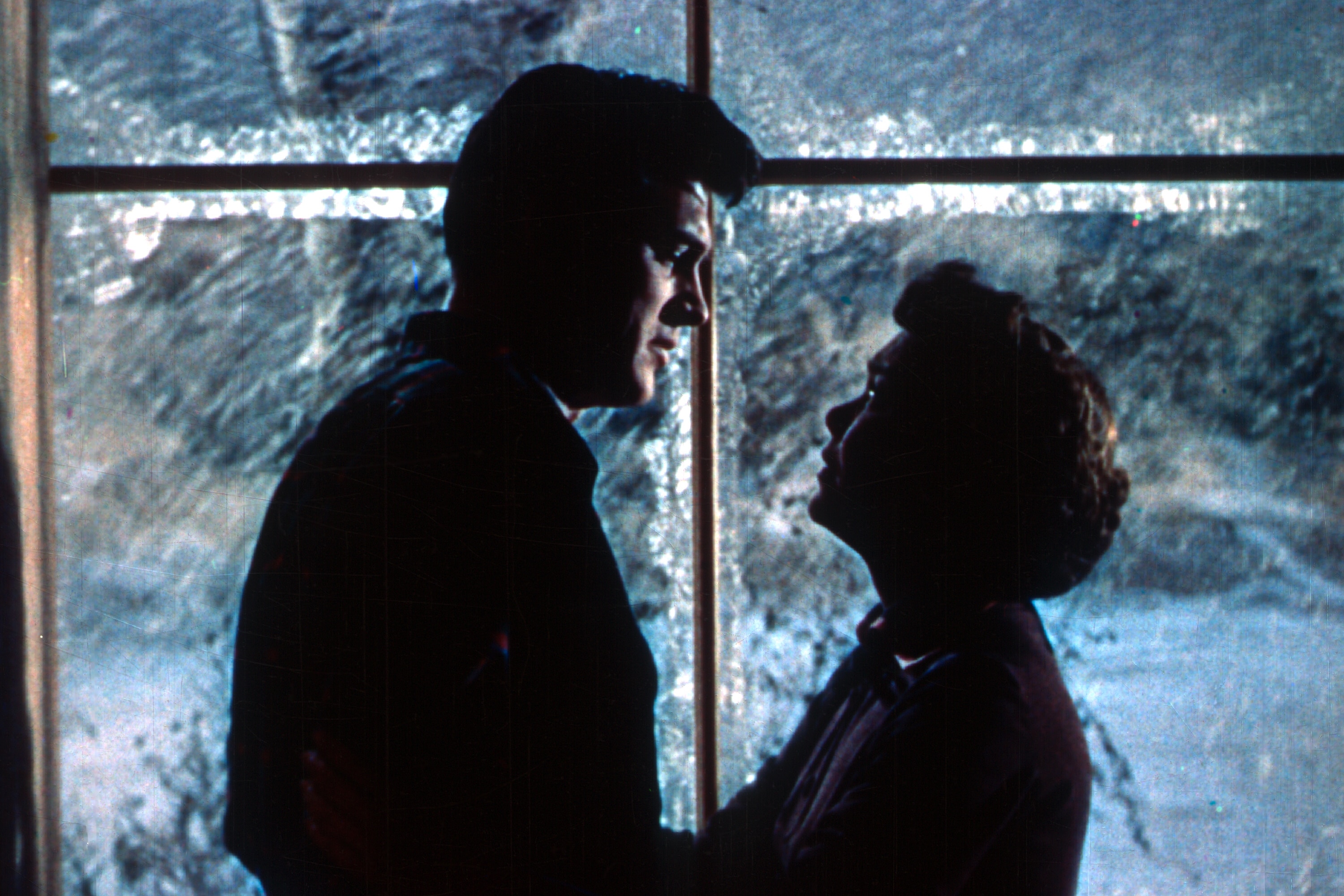
One of the more offbeat entries into Alfred Hitchcock’s film canon, The Trouble with Harry (1955) takes full advantage of Vermont’s resplendency during peak foliage season as a murder mystery unfolds. Harry’s dead body lies prostrate on the ground like one of the many leaves that have fallen around him. A cast of characters played by John Forsythe, Edmund Gwenn and Shirley MacLaine—in her film debut—all contemplate who is ultimately responsible and what should be done with Harry’s body. Rural isolation and the distrust of authority play up the mystery in which everyone seems to be guilty in some shape or form.
The conundrum of what to do with a dead body is the central conflict in Frank Capra’s eccentric comedy Arsenic and Old Lace (1944). When renowned bachelor Mortimer Brewster (Cary Grant) finally agrees to marry the minister’s daughter, Elaine (Priscilla Lane), he not only tries to hide his nuptials from the public but also needs to cover up a dark family secret. His aunts (Josephine Hull and Jean Adair) have been killing gentlemen callers, and their nephew, who believes he’s Teddy Roosevelt, is burying the bodies. A perfect spooky film for the Halloween season with a fall setting, graveyards and two monstrous figures, played by Raymond Massey and Peter Lorre.
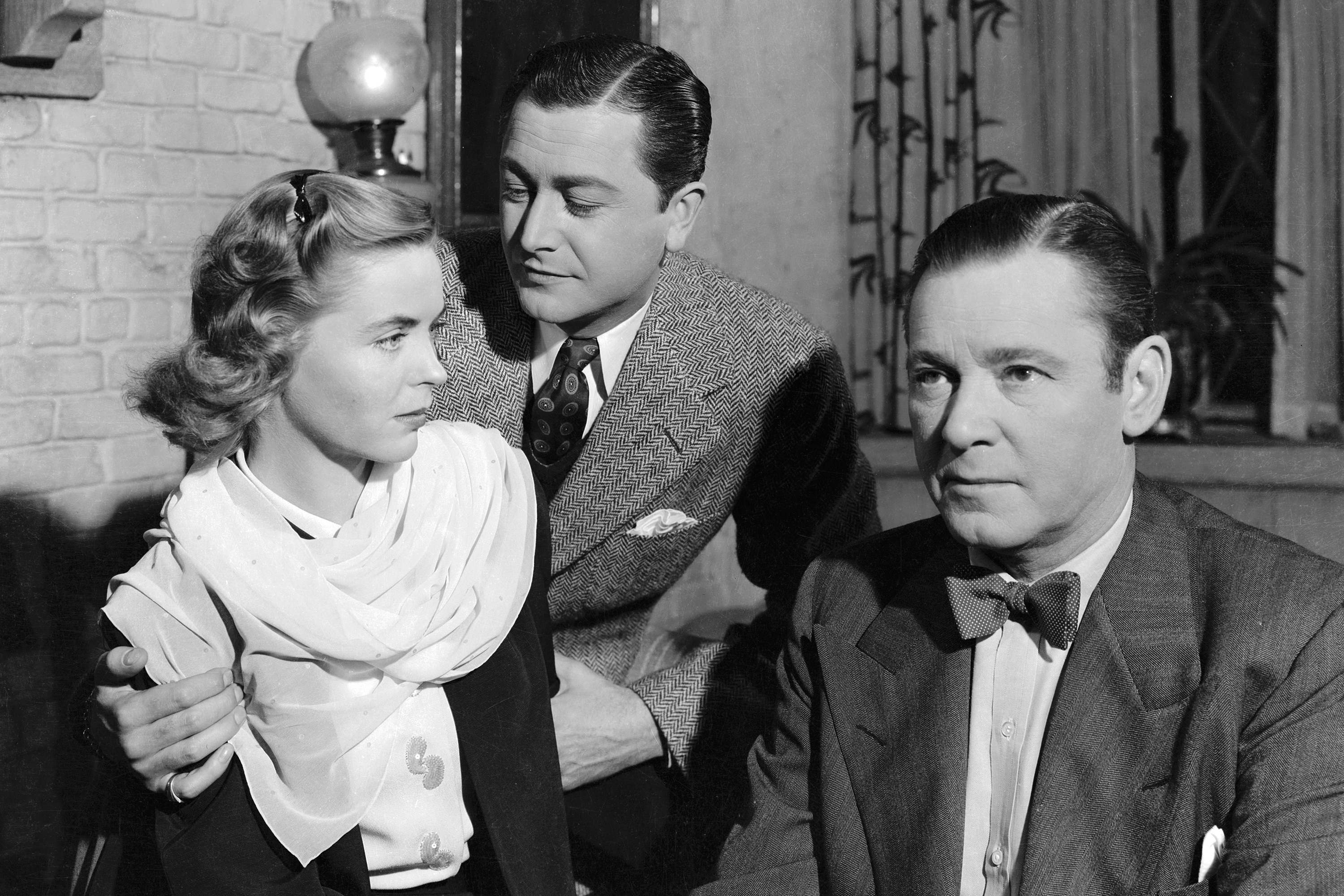
A cottage for honeymooners holds a magical secret in John Cromwell’s supernatural love story The Enchanted Cottage (1945). The enchantment in question is the cottage’s ability to reveal and transform the lovebirds who stay there. Dorothy McGuire plays Laura, the homely housemaid who falls for Oliver (Robert Young), the WWI soldier who was disfigured during the war. The cottage casts its magic spell on the couple, revealing their inner beauty. A cozy romance with a coastal setting is a “quite satisfactory” film to enjoy with a nice cup of tea (“one lump please, no milk”).
A home that holds happy and sad memories is at the heart of the love story in Mervyn LeRoy’s Random Harvest (1942). Shell-shocked British officer Charles Rainier (Ronald Colman) has forgotten his past and even his name. When he escapes the sanitarium, he meets Paula (Greer Garson), a kind-hearted entertainer, and the two fall in love and make a life together. That is until one fateful day an accident reverses Charles’ amnesia, causing him to completely forget about Paula. The film holds up as an impactful story about the battle between the heart and the mind.
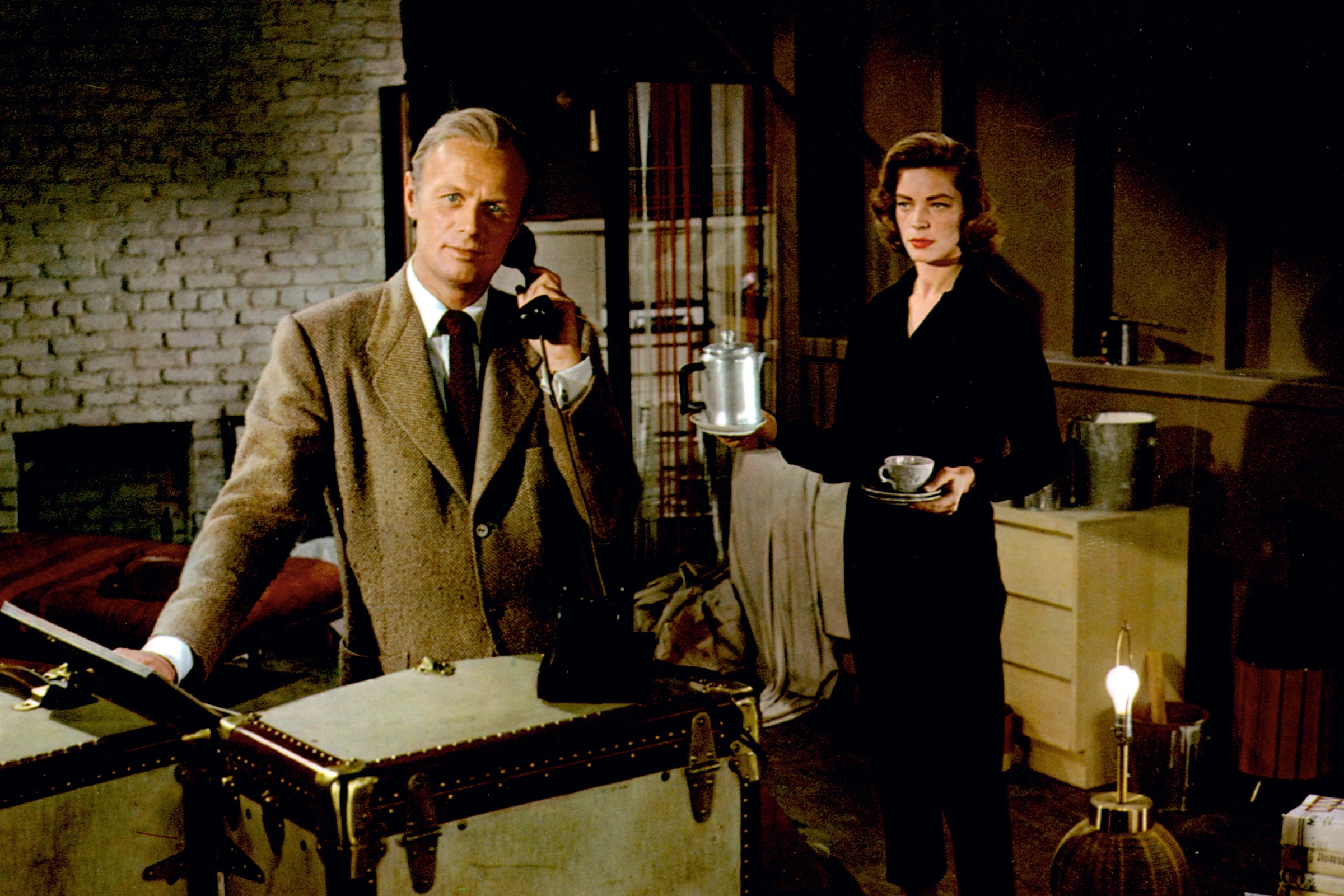
Vincente Minnelli’s ensemble drama The Cobweb (1955) opens with “The trouble began” and ends with “the trouble is over.” What happens in between are the trials and tribulations of the staff and patients of an upscale psychiatric facility, all sparked by the need for new drapes for the facility. The cast, led by Richard Widmark and Gloria Grahame, also includes Lillian Gish, Charles Boyer, Lauren Bacall, John Kerr and Fay Wray. Mental and emotional crises abound, and while not all the players have a substantial part to play, the characters that do seem to be on a course of self-destruction.
In the quirky road-trip comedy The Daytrippers (1996), an ensemble cast of players set out from Long Island into Manhattan to solve the mystery of a potentially cheating husband. On the day after Thanksgiving, Eliza (Hope Davis) suspects her publisher husband, Louis (Stanley Tucci), is shacking up with someone in the city. Eliza and her family—including mother Rita (Anne Meara), father Jim (Pat McNamara), sister Jo (Parker Posey) and Jo’s boyfriend (Liev Schreiber)—pile into the family car in search of the elusive Louis. The characters’ neuroses and anxieties come to play as their series of misadventures lead them to a shocking revelation.
Desire Me (1947) is a romantic melodrama about Marise (Greer Garson), a woman who gets word that her husband, Paul (Robert Mitchum), was killed in the war. This turns out to be a lie orchestrated by Paul’s war buddy, Jean (Richard Hart), who has developed an unhealthy fixation on Marise. Watch for the scene where Mitchum wades through a field of lupines as he makes his way to his seaside cottage to reunite with his love.
Powell and Pressburger’s drama I Know Where I’m Going! (1945) stars Wendy Hiller as Joan Webster, a headstrong young woman who travels to a remote island in the Hebrides to marry her rich industrialist fiancé. The confident Joan proclaims, “I know where I’m going,” but while en route, it’s clear her heart and her mind want different things. Roger Livesey plays the naval officer who steals her heart and saves her from a devastating storm.
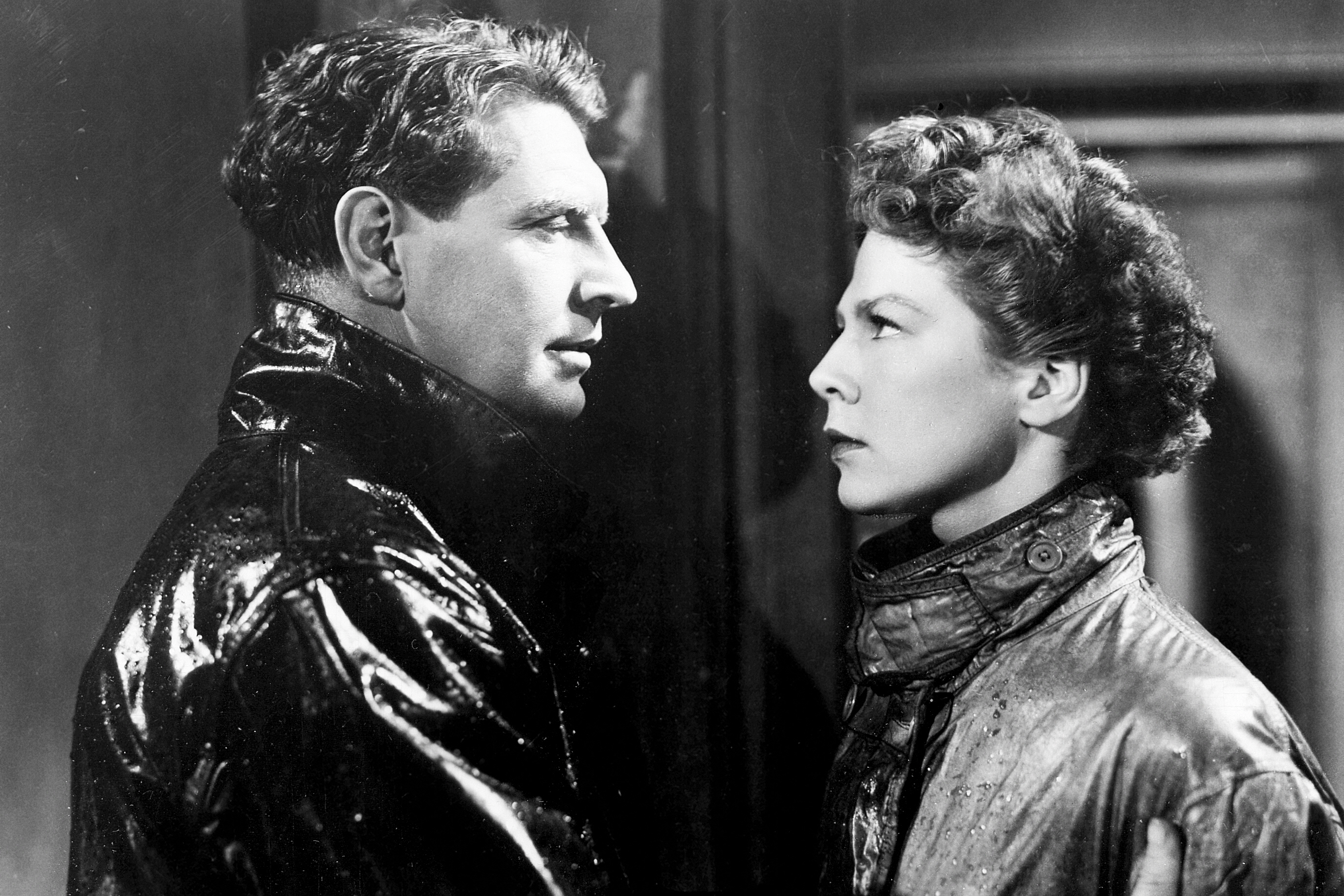
In Leave Her to Heaven (1945), the tragic events leading up to autumn have one man thinking, “Who did I marry?” Playing one of the most ruthless characters of cinema, Gene Tierney stars as Ellen, a socialite who exerts control over everything and everyone around her. She falls for Richard Harland (Cornel Wilde), an unassuming author who falls for her charms but finds himself in emotional quicksand as Ellen turns his life upside down. This story of jealousy and obsession is hypnotic. Filmed in beautiful Technicolor with stunning outdoor scenery, the film boasts a memorable cast of players, including Jeanne Crain, Vincent Price and Darryl Hickman.
A screwball comedy delight with plenty of gags and playful banter, the classic I Married a Witch (1942) is a must-see for the spooky, fall season. Veronica Lake and Cecil Kellaway play Jennifer and Daniel, a father-daughter duo of witches. The daughter materializes as a woman—albeit one who travels on a flying broom—to reinforce the centuries-long love curse on the Wooley family. However, this time around, Jennifer falls in love with the latest reincarnation of her victim, Wallace (Fredric March), who is equally as smitten with her.
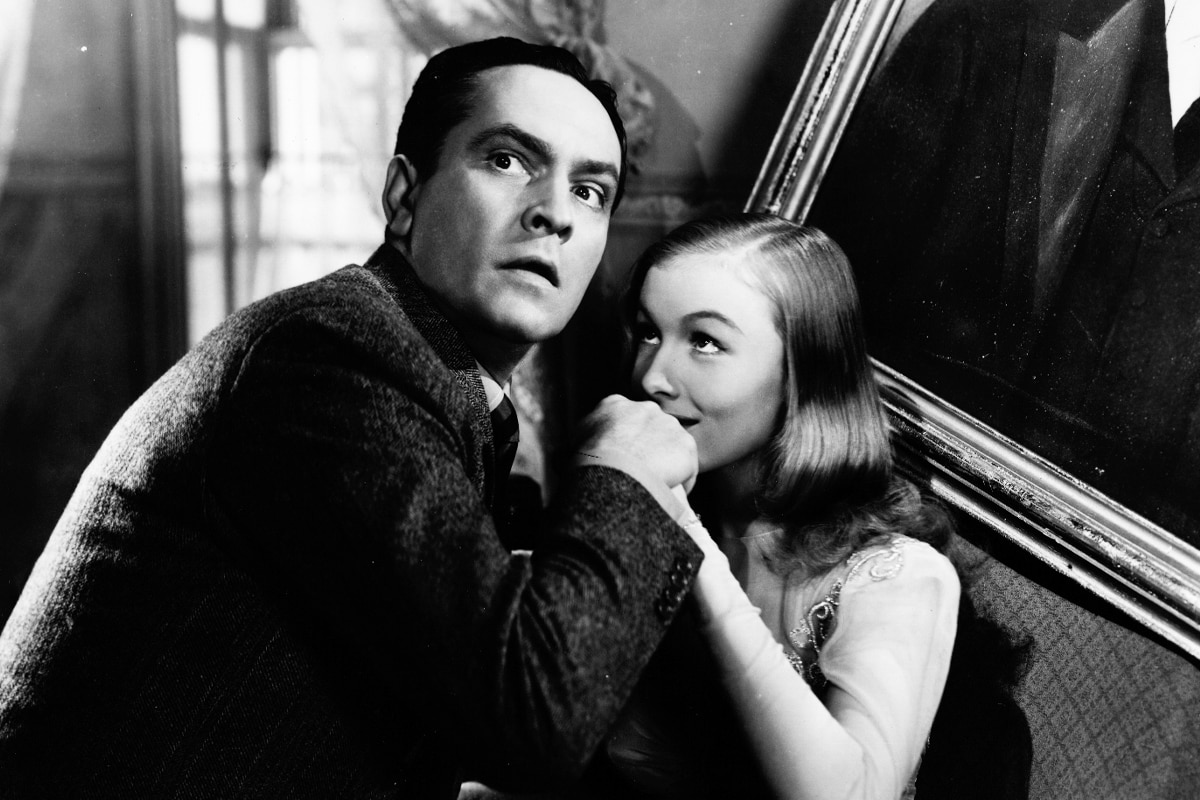
Charlie (Anthony Newley), a successful businessman and British expat, meets the eccentric and talkative Sara (Sandy Dennis) in Sweet November (1968). Sara invites Charlie to stay with her in her apartment for the month of November. Charlie soon learns that Sara takes on one charity case a month, a man who needs support in one key aspect of his life and is rehabilitated personally by Sara. However, Sara has one rule: don’t fall in love. And that’s unfortunately exactly what Charlie does.
Also in this month’s Sweater Weather lineup are three Bette Davis melodramas. A film that will surely turn on the waterworks, Dark Victory (1939) stars Davis as Judy, a socialite who falls in love with the doctor (George Brent) who is treating her terminal condition. With her brain tumor as a ticking time bomb, Judy forges ahead with the help of her best friend, Ann (Geraldine Fitzgerald), and her lovelorn stable master, Michael (Humphrey Bogart). The “dark victory” in question is the protagonist’s defiant joy in the face of impending doom. Set in the Northeast, Judy and Dr. Steele retire up to Vermont, where Judy can live on her own terms. In The Great Lie (1941), Davis reunites with Brent in a story about romantic rivals and a secret baby. Meanwhile, A Stolen Life (1946) finds Davis playing a dual role as identical twin sisters, similar only in appearance but vastly different in personality and morals, who vie for the love of one man (Glenn Ford).
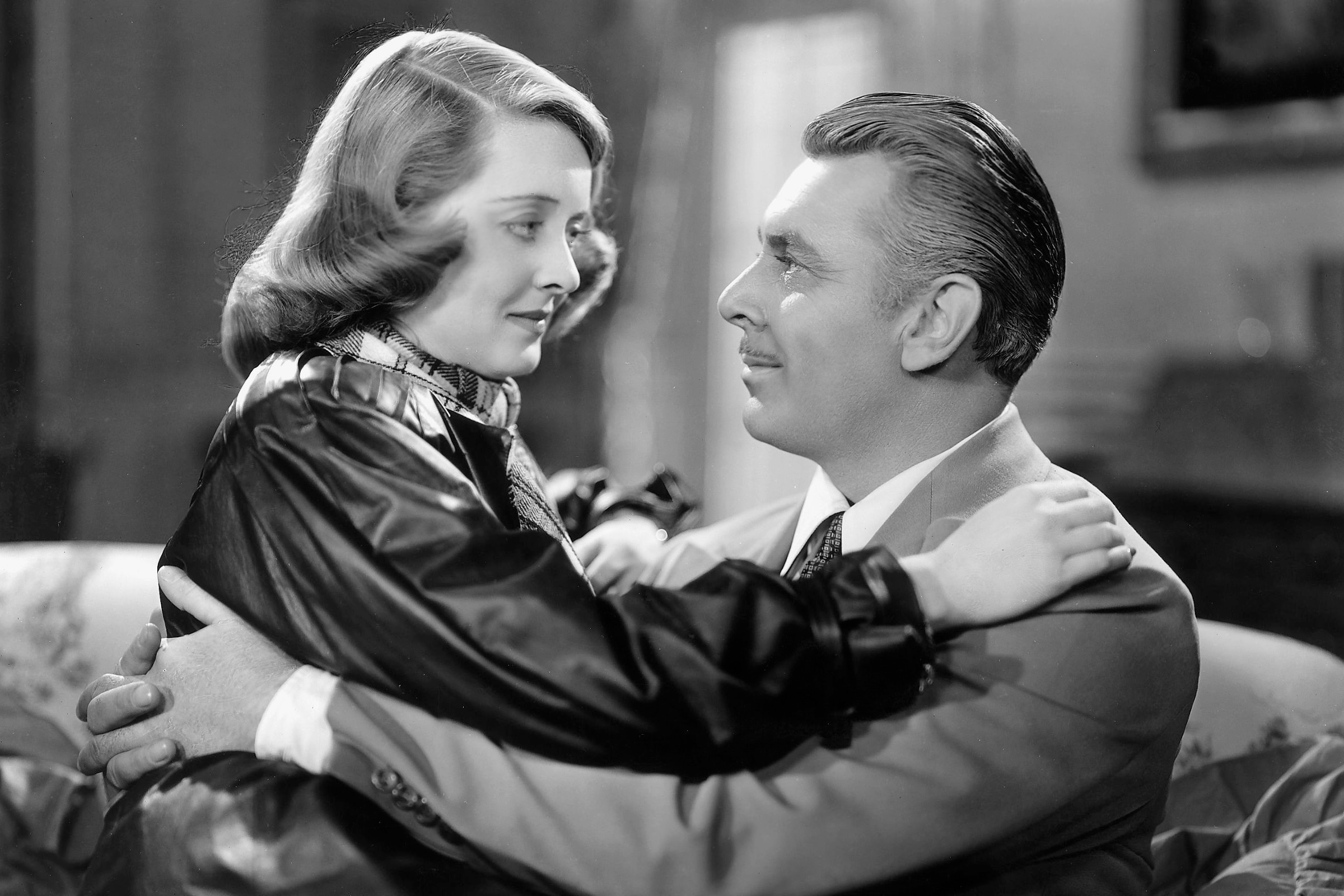
A Nazi hiding in plain sight in an otherwise quiet Connecticut town is the central figure in the film noir The Stranger (1946). Directed by and starring Orson Welles as the titular stranger, Welles plays a Nazi war criminal posing as a college professor. He marries a kind-hearted teacher (Loretta Young) while trying to escape the grasp of a United Nations agent, Mr. Wilson (Edward G. Robinson), who is hunting him down. Danger lurking in the suburbs disrupts the otherwise peaceful community, and the story leads to a satisfying dramatic ending involving the town’s church bell tower.
In Deathtrap (1982), Michael Caine stars as Sidney, a murderous playwright who will stop at nothing to revive his flailing career. When his protégé, Clifford (Christopher Reeve), wants his input on his new play “Deathtrap,” Sidney plots to kill Clifford and take ownership of the play, enlisting his wife Myra (Dyan Cannon) to help. But things are not as they seem, and Deathtrap takes so many twists and turns that we don’t quite know who is ultimately going to survive.
Ten Little Indians (1965) is a creaky mansion mystery with all the plot devices you’d expect in a classic Agatha Christie story. A mysterious figure who goes by the name Mr. U.N. Owen has invited 10 guests for a weekend getaway in a mountain-top mansion only accessible by cable car. The problem is that no one has ever met him, including his three employees. It is soon revealed that all 10 guests have committed egregious crimes. A snowstorm keeps them trapped in the mansion as they are killed off one by one as they race against time to escape. The film comes complete with a “Whodunit Break” that gives viewers a moment to piece together clues and solve the mystery.