May 21 and 28 | 5 Movies
Watching TCM, you might assume its film-encyclopedic hosts—Dave Karger, Alicia Malone, Ben Mankiewicz, Eddie Muller and Jacqueline Stewart—have seen just about every movie that matters. You would be mistaken. For two nights in May, each host will share a “Host Movie Confession”—a “cinematic sin” as it were—to a colleague, revealing an essential film that has somehow escaped them all these years. They will share their reactions following the film’s broadcast. You can only see a film for the first time once, and “Host Movie Confessions” will bear witness to the ineffable pleasure of finally catching up to a classic movie and discovering perhaps a new favorite film. I, for one, am jealous of anyone seeing Bill Forsyth’s Local Hero (1983) for the first time.
Adding to the fun is that each has picked a film in a genre that would seem to be outside their wheelhouse. Kicking things off on May 21 is Alicia Malone’s pick, David Lean’s Bridge on the River Kwai (1957). At TCM, Malone hosts TCM Imports every Sunday at 2am ET and TCM’s Summer Romance block. She has also written several books: TCM Imports: Timeless Favorites and Hidden Gems of World Cinema, Backwards & in Heels, The Female Gaze and Girls on Film: Lessons From a Life of Watching Women in Movies. There is nary a woman in sight in Bridge on the River Kwai, and as for romance—forget about it. It’s one of the greatest epic action films ever made—a Best Picture winner based on Pierre Boulle’s novel about British POWs forced by their Japanese captors to build a railway bridge central to their war effort. But at its heart, this is a powerful anti-war film about honor and delusional obsession. The film earned seven Oscars in all, including Best Director, Best Actor (Alec Guinness) and Best Original Score. The thought of Malone whistling the iconic earworm theme delights me to no end.
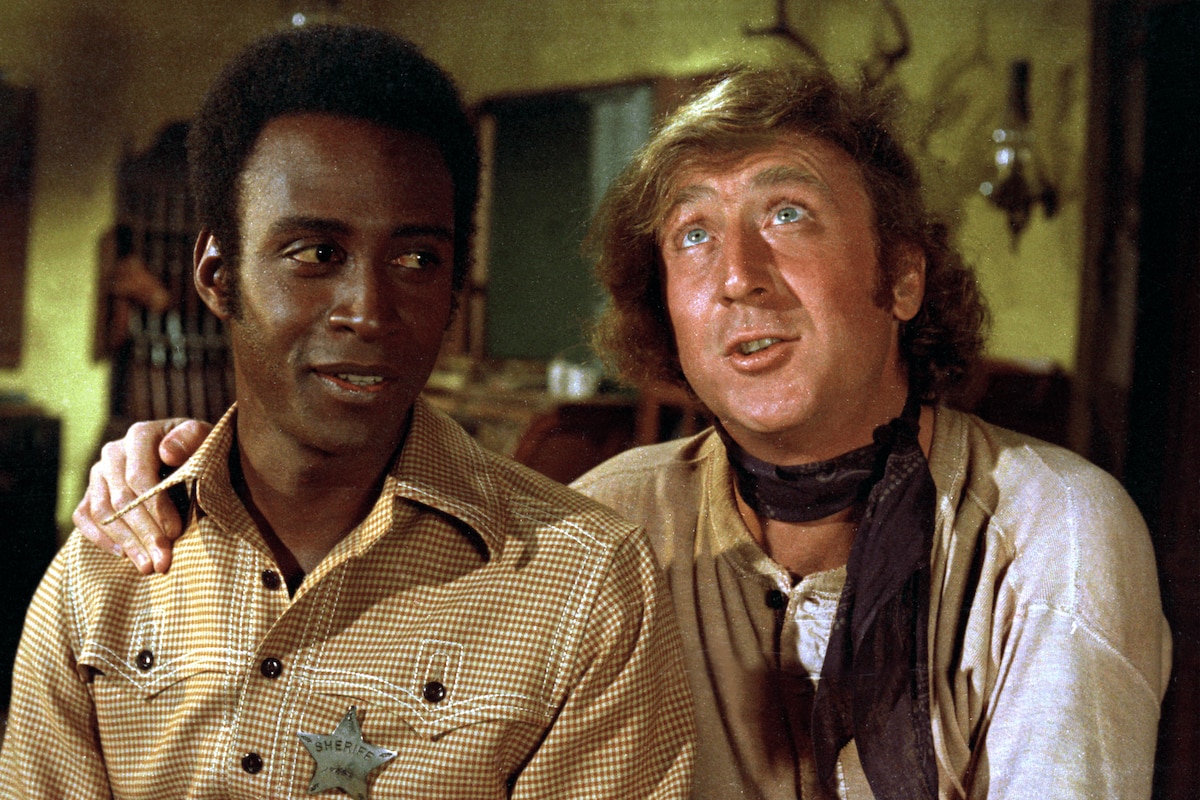
Up next is Dave Karger, who will see Mel Brooks’ Blazing Saddles (1974) for the first time. I don’t know if Karger is easily offended. If he is, then Blazing Saddles may not be his plate of beans. This merciless satire of the classic Western takes aim at racism and all manner of stereotypes when a Black man (Cleavon Little) is installed as sheriff in the town of Rock Ridge and gradually wins over its bigoted townspeople. Near every Western cliché receives a whip-crack spoofing, including—most infamously—the campfire scene in which cowboys chow down on baked beans, with the inevitable result never before seen, heard or smelled in any oater. But Karger, host of TCM’s Musical Matinee programming, is certain to enjoy two production numbers: Oscar-nominee Madeline Kahn bringing down the saloon with “I’m Tired” and the fourth wall-breaking “The French Mistake,” during which the climactic production number is interrupted by brawling cowboys. “This is a closed set,” the flamboyant musical’s director (Dom DeLuise) complains to the interlopers. “Piss on you,” cowboy villain Slim Pickens responds, “I’m working for Mel Brooks.” Will Karger applaud or be appalled? Tune in to find out.
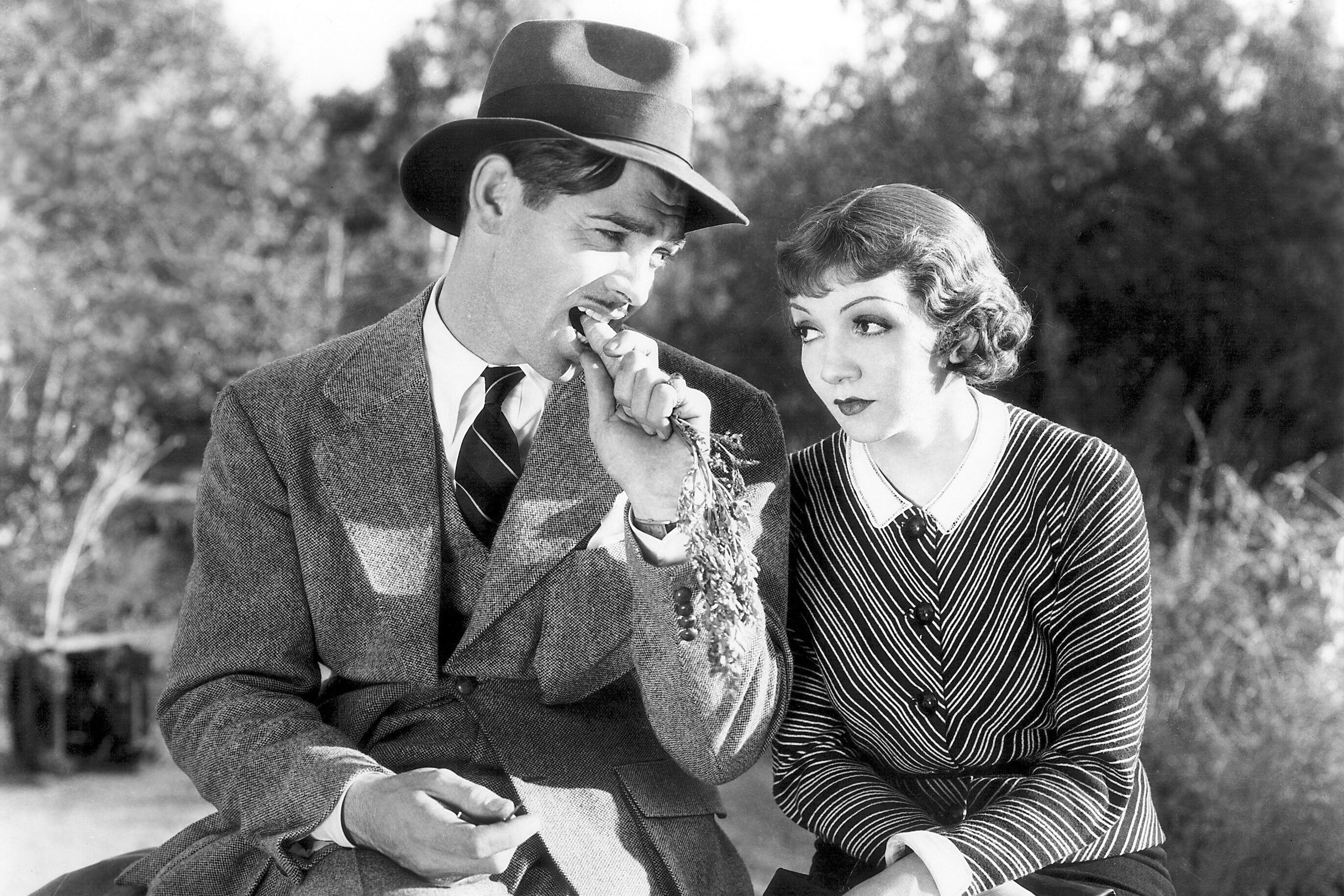
May 28 will feature a triple bill, beginning with perhaps the best “odd couple” pairing of the series: Eddie Muller watching Frank Capra’s It Happened One Night (1934). This seminal screwball romantic comedy—winner of all five major Academy Awards—is a world away from the shadowy femme fatale-populated back alleys of Noir Alley that are Muller’s usual domain. But Muller will feel right at home with the film’s rapid-fire banter and Clark Gable’s cynical newspaper reporter in need of a career-saving story. He finds it in runaway heiress Claudette Colbert, who is trying to get from Florida to New York to reunite with her fortune-hunter husband, “the pill of the century.” One hilarious scene should especially appeal to the hard-boiled Muller: When the unlikely pair travels by bus, a passenger recognizes Colbert and tries to shake Gable down for a split of the reward money offered by her father. Gable takes him aside and pretends to be a henchman in a gang, claiming he is kidnapping Colbert. When the passenger tries to back out, Gable goes full throttle: “Listen, you're into this thing, and you're staying in, get me? You know too much.” Cagney couldn’t have said it better. And who knows? Maybe Muller will be inspired to ditch noir and become the host of Rom-Com Alley.
Jacqueline Stewart, host of Silent Sunday Nights, will watch Fred Zinnemann’s From Here to Eternity (1953), one of the most honored films of its time. It tied Gone With the Wind (1939) for most Academy Awards with eight, including Best Picture, Best Director, Best Supporting Actor (Frank Sinatra), Best Supporting Actress (Donna Reed) and Best Adapted Screenplay. Based on James Jones’ spectacular novel, the story unfolds on an Army base in Hawaii in the months leading up to the attack on Pearl Harbor. For Stewart’s silent movie sensibilities, the film is perhaps best known for an image as indelible as Harold Lloyd dangling from that skyscraper clock in Safety Last (1923). It is the envelope-pushing torrid scene of adulterers Deborah Kerr and Burt Lancaster embracing and kissing in the surf. Former silent movie goddess Norma Desmond of Sunset Boulevard (1950) bemoaned the addition of talk to film, but even she would have to admit that Kerr’s breathless, “I never knew it could be like this” was pretty good. For extra credit, might we recommend that Stewart next watch the “Your Show of Shows” parody, “From Here to Obscurity.” It’s a funny one.

The grand finale is Nicholas Ray’s Rebel Without a Cause (1955), introduced by prime time host, Ben Mankiewicz. He recently participated with his fellow hosts in a recreation of the film’s pivotal drag race scene—albeit in studio lot trams—for a TCM Classic Films Tour promo. But Mankiewicz has never seen the film—until now. Mankiewicz, who made his TCM debut almost a quarter century ago hails from one of Hollywood’s most acclaimed and influential families. His grandfather, Herman Mankiewicz, co-wrote Citizen Kane (1941) with Orson Welles. His great-uncle, Joseph L. Mankiewicz, wrote and directed the Oscar-winning classics All About Eve (1950) and A Letter to Three Wives (1949). His cousin, Tom, wrote three James Bond films, including Diamonds Are Forever (1971). For Mankiewicz, having never seen this iconic depiction of teenage alienation and delinquency with James Dean’s legendary performance must have been tearing him apart!
Of course, it’s not possible to see everything, so it is some solace that even TCM’s prolific hosts have let some masterpieces fall through the cracks. It makes me feel a little less guilty that I have not seen—and I say this with some embarrassment—Steven Spielberg’s Schindler’s List (1993). But this year marks that film’s 33rd anniversary. Thirty-three happens to be my wife’s lucky number, so this year, I pledge, will be the year.