Saturdays, May 2, 9, 16 and 30 | 8 Movies
TCM’s Two for One limited series continues Saturdays in May with double features of hidden gems and forgotten favorites, curated by three actors and one producer/director/choreographer, whose work has made them beloved by audiences and respected by their peers. Noah Wyle, Bill Hader, Sheryl Lee Ralph and Adam Shankman join host Ben Mankiewicz to discuss two of their favorite films and what makes them so unique. This May’s Two for One films and guests are sure to be a must-watch. Not only will viewers be introduced to films they’ve never seen before—or classics they haven’t seen in a while—but they’ll also share them with four notables whose love of film is as great as their own.
Noah Wyle’s career took off when he was cast as Dr. John Carter on “ER,” and he has recently won two Emmys for Outstanding Lead Actor in a Drama Series for another medical drama, HBO Max’s “The Pitt.” On May 2, Wyle presents two decidedly gritty films based on novels: Fat City (1972) and Inside Moves (1980).
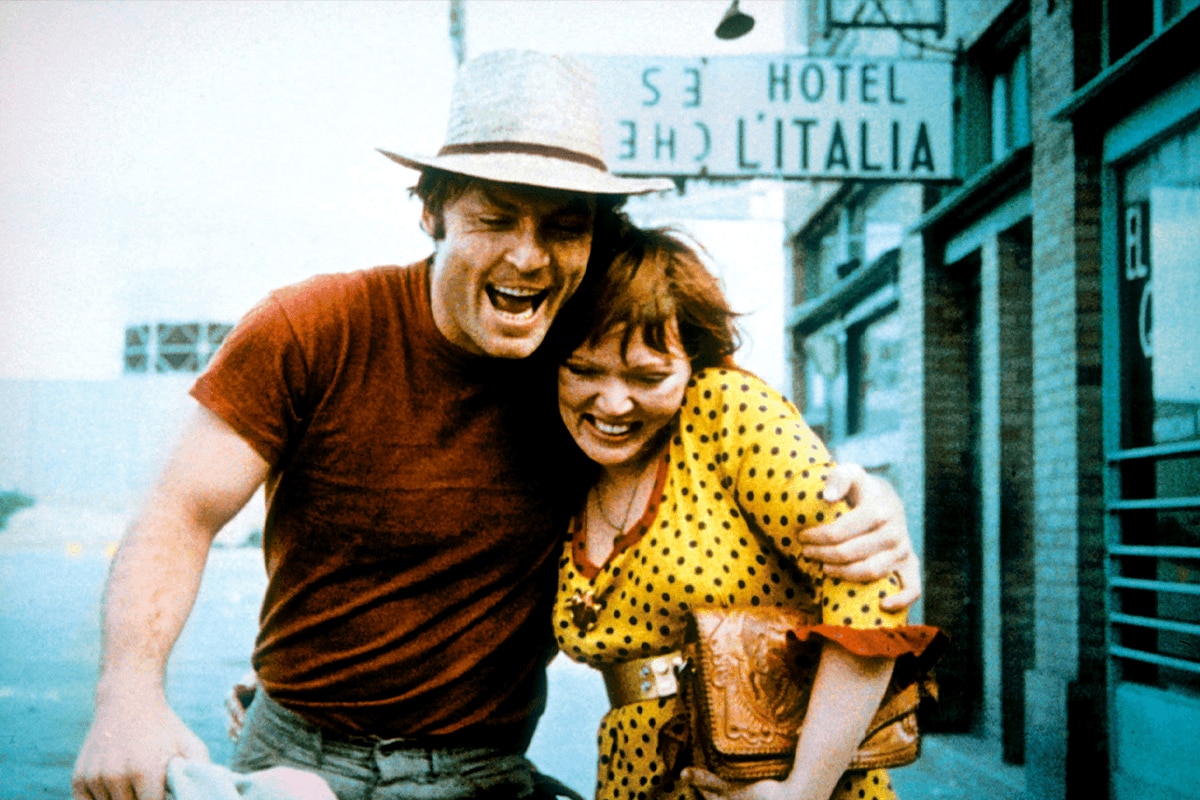
John Huston’s Fat City was adapted from Leonard Gardner’s 1969 boxing novel of the same name. In it, a former contender turned farm worker (Stacy Keach, in a role once intended for Marlon Brando) sees promise in a teenager (Jeff Bridges) he finds sparring in a gym. Huston would later compare Fat City to another of his films: “Like The Misfits (1961), it is one of those allegorical stories concerning the condition of man which I like so much.” Filmed on location in Stockton, California, Fat City earned Susan Tyrrell an Academy Award nomination for Best Actress in a Supporting Role for her portrayal of Keach’s alcoholic lover. Also in the cast are Nicholas Colasanto, the future star of "Cheers,” as Tully’s coach; boxing legend Art Aragon as an aging fighter; and welterweight champion Curtis Cokes in a non-boxing role.
Wyle also chose Richard Donner’s Inside Moves, written for the screen by Barry Levinson, Valerie Curtin and Todd Walton, adapted from Walton’s 1978 novel. John Savage stars as a man who damages his legs in a failed suicide attempt and finds community among a group of disabled bar patrons. Inside Moves marked the first film in decades for Harold Russell, who had lost both hands in a World War II training accident and later won an Academy Award for Best Supporting Actor for his work in William Wyler’s The Best Years of Our Lives (1946). This film also earned Diana Scarwid an Academy Award nomination for her supporting role and was the film debut of future television veteran David Morse.
Donner had asked the writers to change the original downbeat ending. “Inside Moves was a turning point in my moviemaking career. I wanted my films to make people feel good. It’s as simple as that.” The film received mixed reviews upon release, although the New York Times’ Janet Maslin wrote that it was “such a well-acted movie, and parts of it are so effectively offbeat, that it rises above its own potential for sappiness, just as surely as its characters triumph over their troubles.”
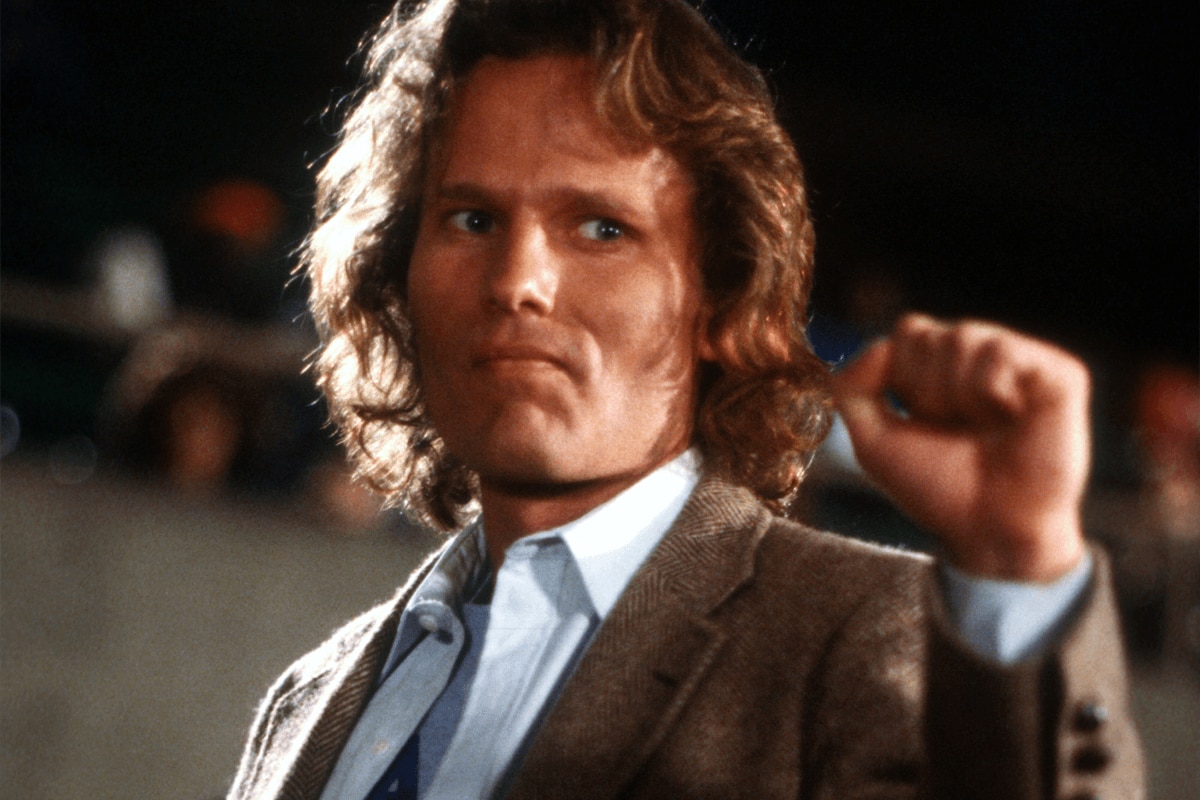
Bill Hader is no stranger to TCM viewers, having appeared on the channel several times over the years. The former “Saturday Night Live” cast member took his comedy to the dark side with his brilliant HBO series “Barry,” about a hitman who aspires to be an actor, earning Hader several Emmy Award nominations for writing, producing, directing and two consecutive wins for Outstanding Lead Actor in a Comedy Series. On May 9, he takes TCM viewers to Europe with two films about the lengths people will go to survive.
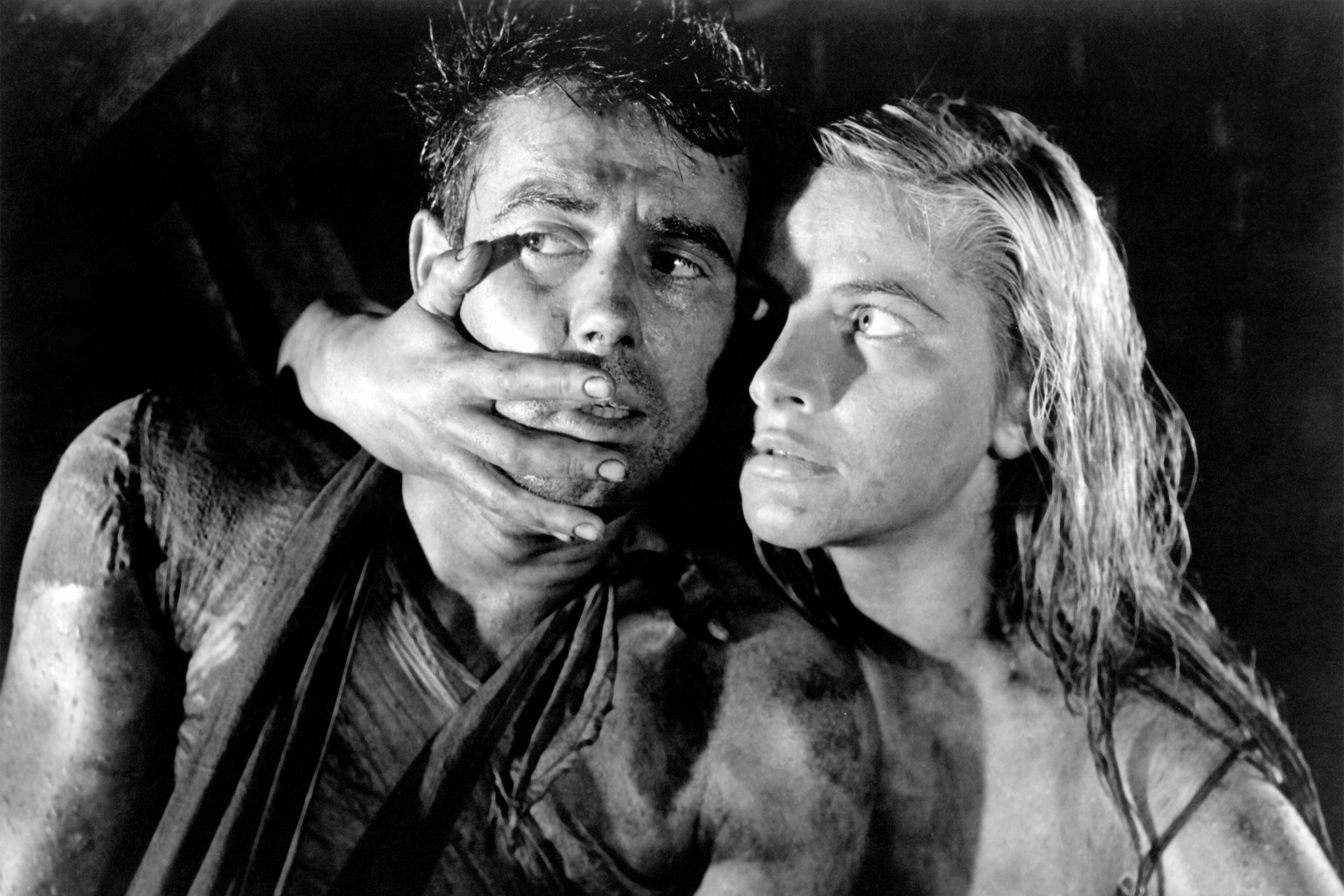
Kanał (1957), directed by Polish filmmaker Andrzej Wajda, takes place during the final days of the Warsaw Uprising, as members of the Polish resistance are forced into the city’s sewer system in their attempt to liberate Warsaw, Poland, from German occupying forces. The first film ever made about the uprising, Kanał, won the Jury Special Prize at the 1957 Cannes Film Festival and brought Wajda international attention. Written by Jerzy Stefan Stawinski, the film was partially based on Wajda’s experiences as a member of the Polish resistance in World War II. Teresa Izewska, who played Daisy, the lead female role, was nominated by the British Film Institute as the Most Promising Newcomer to Film in 1959.
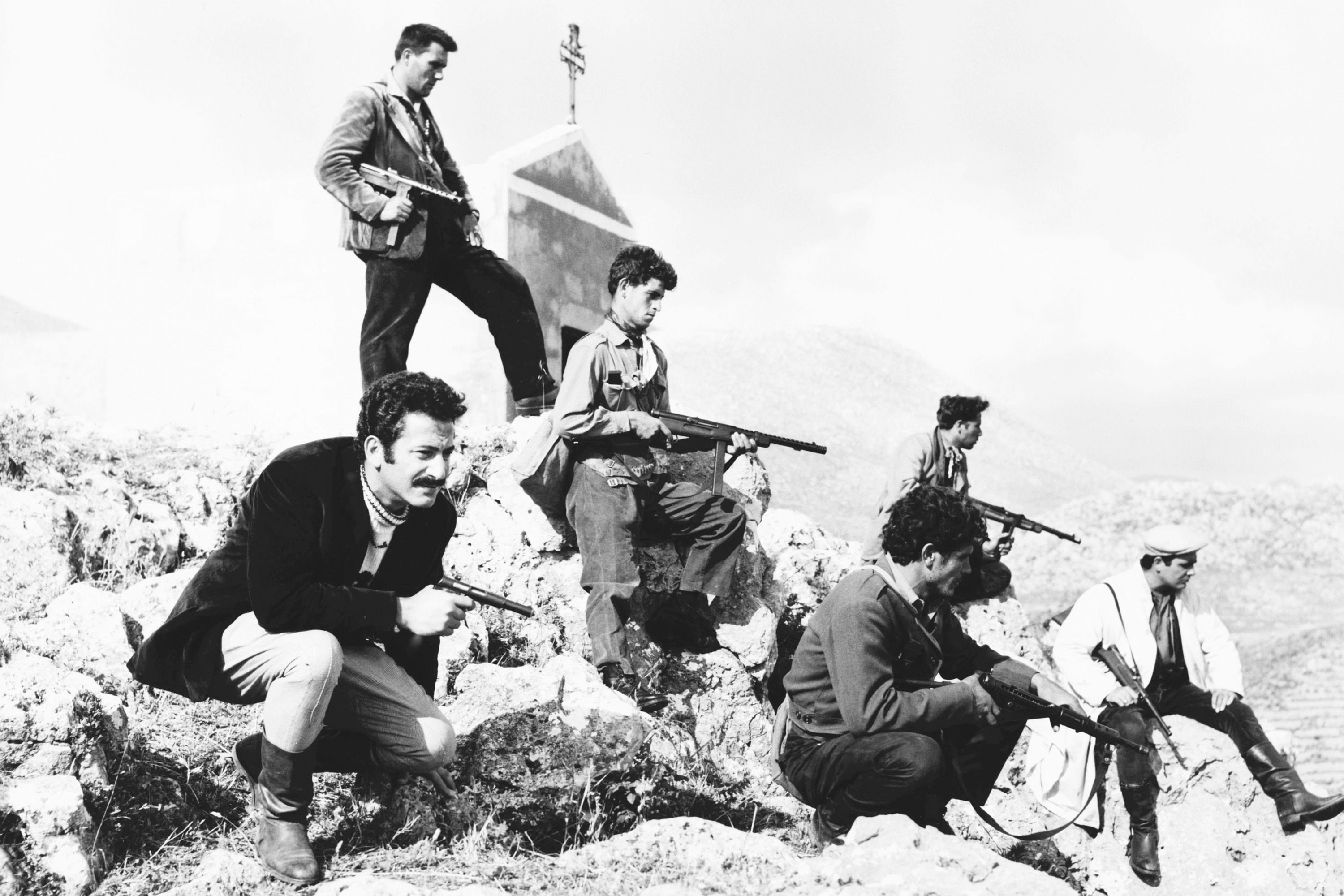
For his second film, Hader chose director Francesco Rosi’s examination of the rise and fall of the legendary bandit, Salvatore Giuliano (1962). In July 1950, when his body was found in a courtyard in Castelvetrano, Sicily, 27-year-old Giuliano was both Italy’s most-wanted criminal and the Jesse James/Robin Hood of Sicily. Rosi’s desire for absolute authenticity led him to film, as described in the opening titles, “in the houses, in the streets, in the mountains where he reigned for seven years.” That authenticity extended to the casting. Only American actor Frank Wolff (dubbed in Italian), who played Giuliano’s lieutenant, Pisciotta, and Salvo Randone, who played the trial judge, were professional actors. The rest of the cast consisted of people who had lived in the region at the same time as Giuliano. Rosi’s dedication led to high praise from Sicilian novelist Leonardo Sciascia: “Never before has Sicily been represented in a film with such precise realism, such minute attention, and that derived from a right judgment—moral, ideological, historical—about the Giuliano affair.”
Sheryl Lee Ralph has been a fan favorite since her early days on Broadway in the role of Deena Jones in the musical “Dreamgirls,” which earned her a Best Actress Tony Award, and for her role as Dee Mitchell on the UPN series “Moesha.” But her role as Barbara Howard on ABC’s “Abbott Elementary” won her an Emmy for Outstanding Supporting Actress in a Comedy Series in 2022. She joins Ben Mankiewicz on May 16, with a twofer of Sidney Poitier films: To Sir, With Love (1967) and A Piece of the Action (1977), a movie she loves for a personal reason—it was her very first film role, made when she was a teenager.
To Sir, With Love is based on the 1959 autobiographical novel by Guyana-born educator E.R. Braithwaite. Poitier plays Mark Thackeray, an American engineering graduate in London who takes a temporary job teaching high school students in the city’s notorious East End during the height of the Swinging Sixties. The kids (Christian Roberts, Judy Geeson and pop singer Lulu) are hostile and unmanageable until he changes his approach, instilling self-respect and self-worth rather than sticking to textbooks. Geeson would later praise working with Poitier: “When you act a scene with Sidney Poitier, he listens intently to every word you say. You can feel your words hit him. He makes the scene utterly real.”
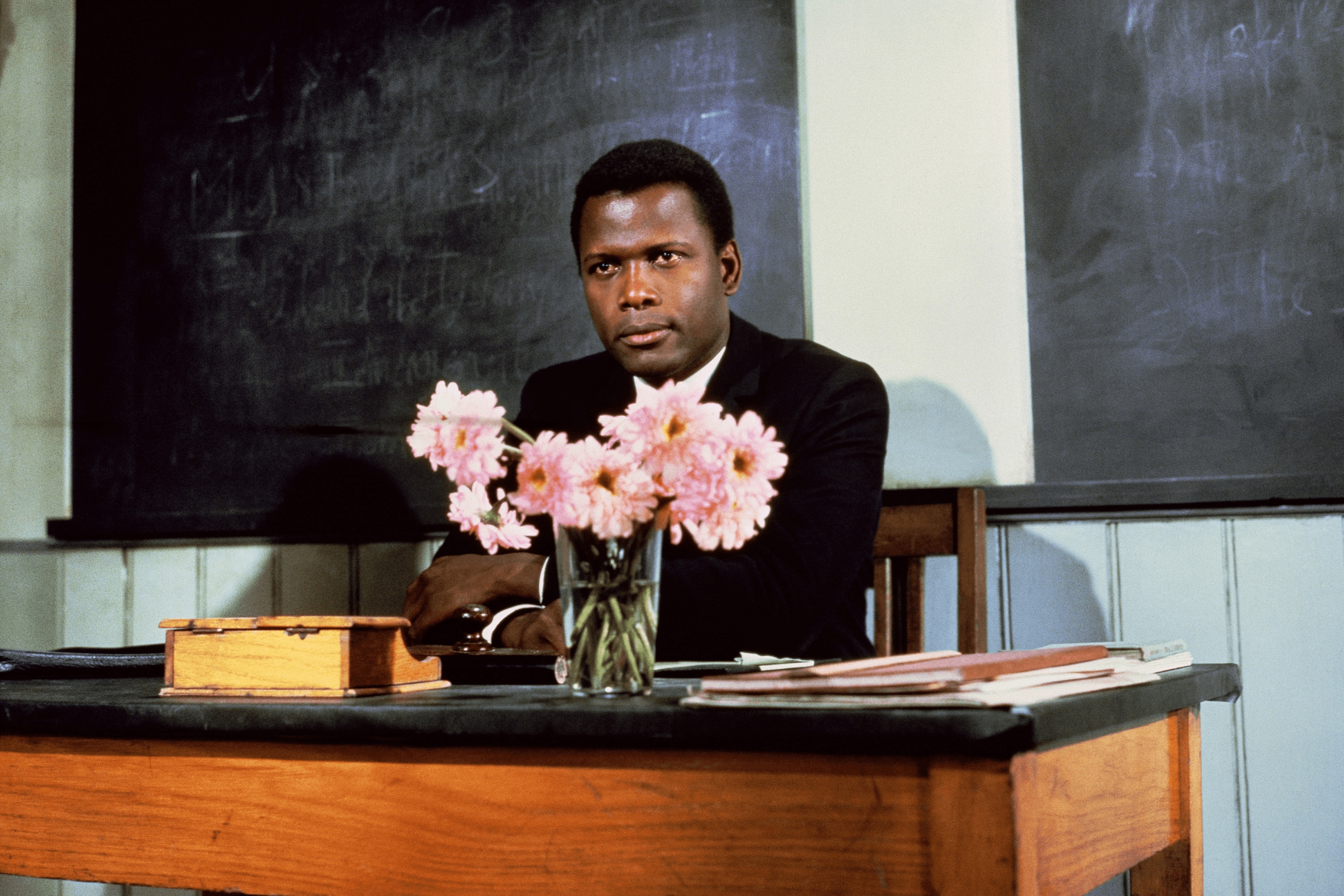
The film was Poitier’s biggest box-office success up to that time, setting records in New York and Boston, and eventually earning more than $20 million at the U.S. box office. That proved fortunate for Poitier, whose contract gave him no money up front but 10 percent of the gross. Hired by Columbia to learn why the film was so popular, the polling firm Gallup reported that Poitier was among the few actors whose name alone could draw audiences into a theater, even without knowing what the film was about.
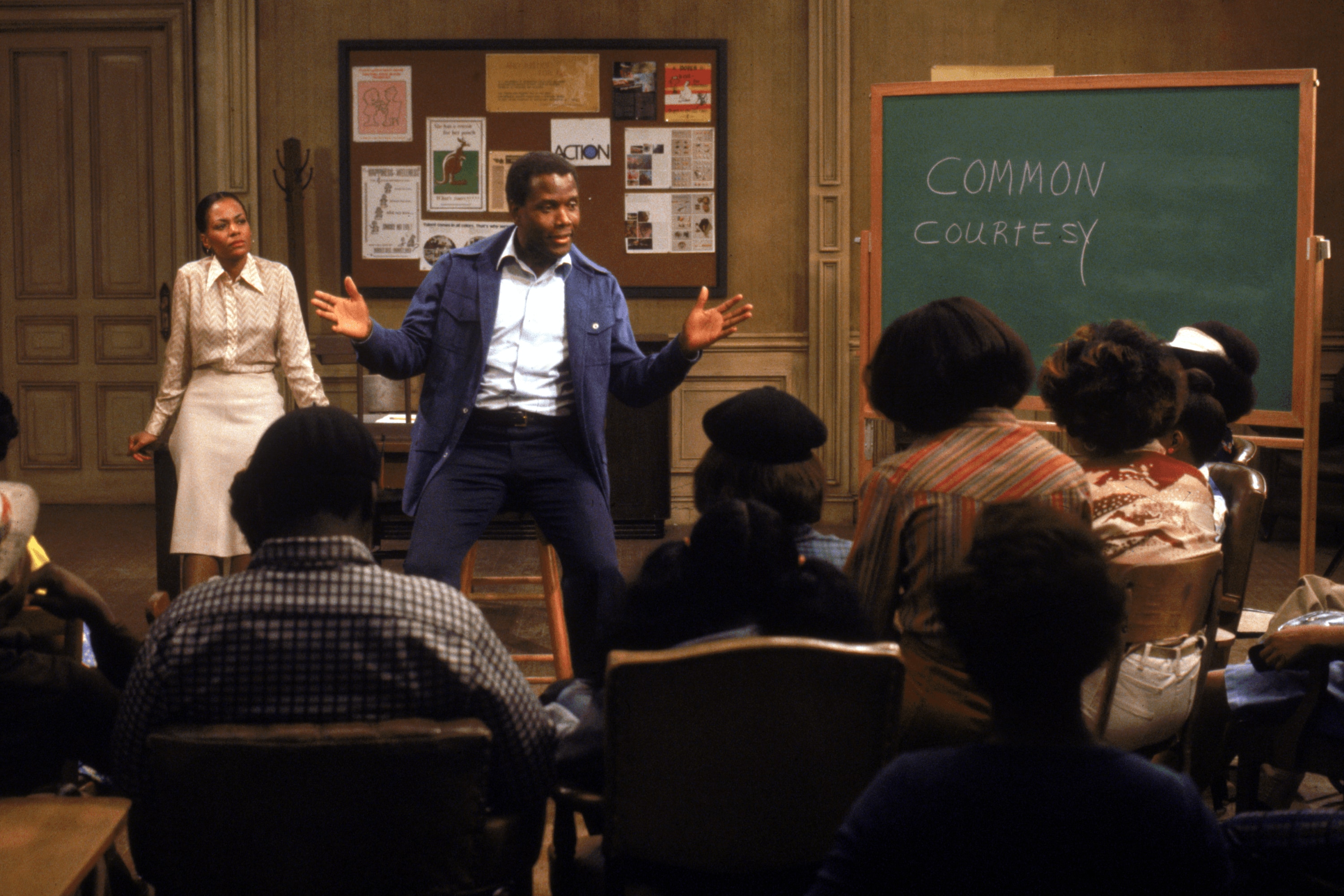
Several years later, Poitier directed and starred in A Piece of the Action, shot on location in downtown Los Angeles and Chicago. James Earl Jones co-stars as a retired detective who uses blackmail to coerce two con men (Poitier and Bill Cosby) into volunteering with at-risk kids at a community center to avoid prison. All goes well until their past catches up with them and they are forced to commit one last crime. Along with Sheryl Lee Ralph, the cast includes 1970s television stars Denise Nicholas, Ja’Net DuBois and Ernest Thomas. In an Ebony magazine interview, Poitier stressed, “When you make a picture for a Black audience, you have to make it with more loving care than you make your average picture. You have to be much more concerned with content, and the sensibilities and sensitivities of your constituency. […] I have control over the content of my lifestyle. I can decide what I will put up there on the screen.”
On May 30, Adam Shankman will introduce two groundbreaking films about characters forced to hide their true identities, La Cage aux Folles (1978) and Some Like It Hot (1959). Beginning his career as a Bob Fosse Award-winning choreographer, Shankman quickly moved on to directing films like Hairspray (2007), television shows like “Modern Family” and producing the 82nd Academy Awards.
Director Édouard Molinaro’s groundbreaking French comedy, La Cage aux Folles, based on the 1973 play by Jean Poiret, has Ugo Tognazzi as Renato, manager of the nightclub La Cage aux Folles, headlined by his drag performer partner, Albin (aka “Zaza”), played by Michel Serrault. When Renato’s son, Laurent (Rémi Laurent), gets engaged to the daughter of a very conservative couple, he asks Renato and Albin to hide the fact that they are a gay couple.
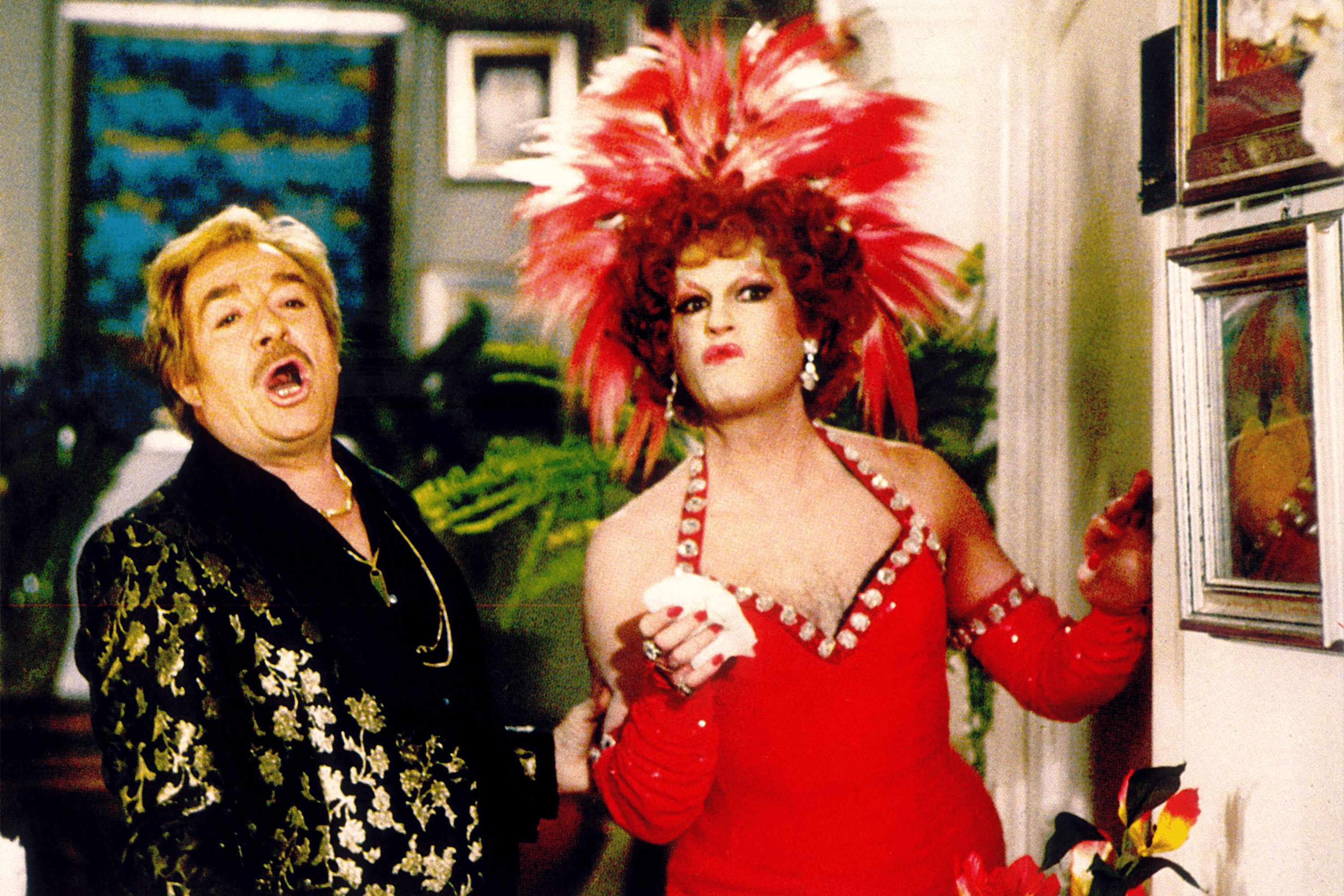
La Cage aux Folles was an international smash hit, becoming one of the most successful foreign-language films in American history to date. Michel Serrault won Best Actor at the 1979 César Awards, and the film was nominated for three Academy Awards, including Best Director. There were two sequels in 1980 and 1985, a Broadway musical that won six Tony Awards and an American remake, The Birdcage (1996), directed by Mike Nichols and starring Robin Williams and Nathan Lane.
Billy Wilder’s Some Like It Hot (1959) was based on a 1951 German film, Fanfaren der Liebe, adapted by Wilder and I.A.L. Diamond. Tony Curtis and Jack Lemmon play Joe and Jerry, two musicians who witness a mob killing and go into hiding, disguising themselves as women to play in an all-girl band with singer Sugar Kane (Marilyn Monroe, who took the role after being offered 10 percent of the gross). Also in the cast are gangster film veterans George Raft and Pat O’Brien, who was hired when Edward G. Robinson refused to work with Raft. Comedy star Joe E. Brown came out of retirement to play millionaire Osgood Fielding III, who falls in love with Jack Lemmon’s alter ego, Daphne. When Jerry reveals himself to be a man, Fielding speaks the line that is now on Billy Wilder’s tombstone, “Nobody’s perfect.”
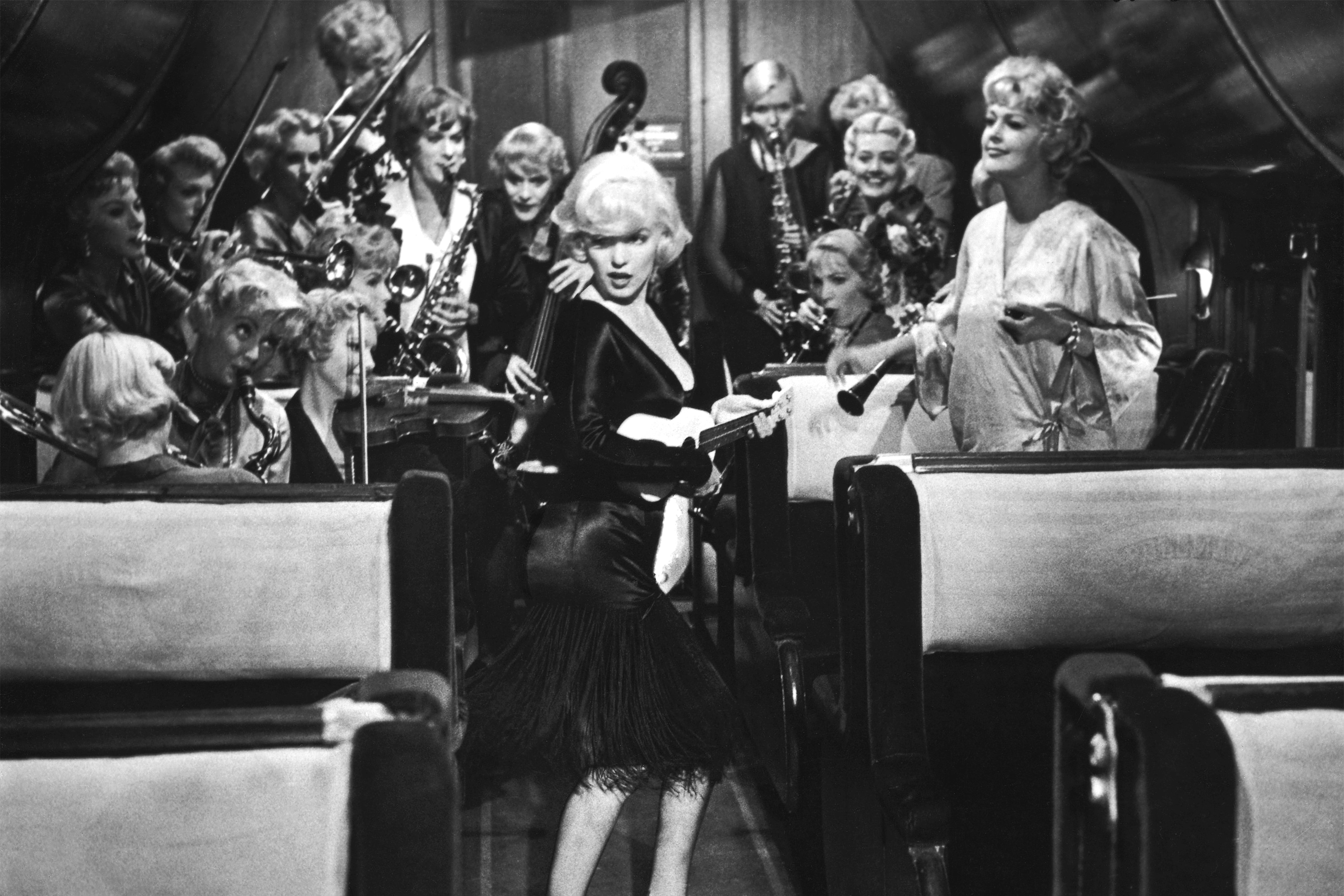
Variety called the film “probably the funniest picture of recent memory.” It won an Academy Award for Best Costume Design and earned nominations for Jack Lemmon for Best Actor, Director, Art Direction, Cinematography (B&W) and Screenplay. The American Film Institute ranked Some Like It Hot as the 22nd greatest American film on their 2007 “100 Years…100 Movies 10th Anniversary Edition” list.
FEATURED FILMS & SPECIAL GUESTS
| 5/2 | Noah Wyle | Fat City (1972) Inside Moves (1980) |
| 5/9 | Bill Hader | Kanal (1957) Salvatore Giuliano (1962) |
| 5/16 | Sheryl Lee Ralph | To Sir, With Love (1967) A Piece of the Action (1977) |
| 5/30 | Adam Shankman | La Cage Aux Folles (1979) Some Like it Hot (1959) |