Fridays in May | 30 Movies
Early on in Gregory Peck’s career, the critic James Agee remarked on “his unusual handsomeness and his still more unusual ability to communicate sincerity.” The comment wasn’t meant entirely as praise. Agee said these particular “unusual” skills led him to believe at first that Peck was a gifted actor, an impression that had already faded for the critic by his second film, The Keys of the Kingdom (1944). Although Agee conceded, “He probably has talent, in a still semi-professional stage,” it was faint praise for a performer who would parlay that capacity for sincerity into six decades of stardom and a public image of solid, liberal respectability, unruffled and unwavering in his commitment to good causes.
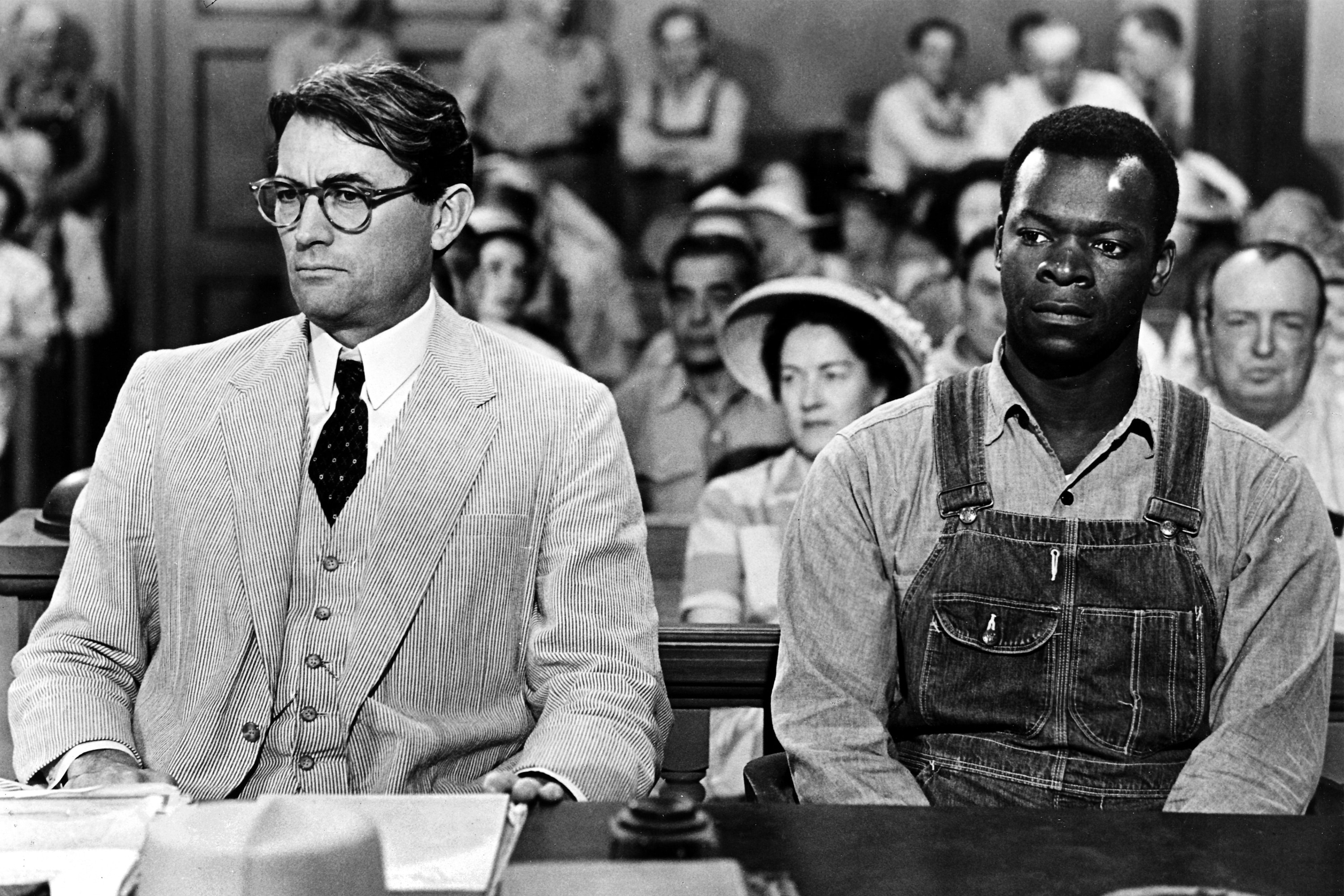
Peck rarely felt exciting or dangerous on screen, which served him well in the role for which he is most remembered today, Atticus Finch in To Kill a Mockingbird (1962), fittingly kicking off TCM’s month-long tribute to the actor. As the principled defender of an innocent Black man accused of rape and the kindly single father of two young children, Peck won a Best Actor Academy Award, after four previous nominations, conveying a sense of homespun morality, dignity and responsibility. Peck said the role was closest to his own heart, and Harper Lee, who wrote the novel on which the film was based, said, “Atticus Finch gave Gregory Peck an opportunity to play himself,” almost as much of a left-handed compliment as Agee’s.
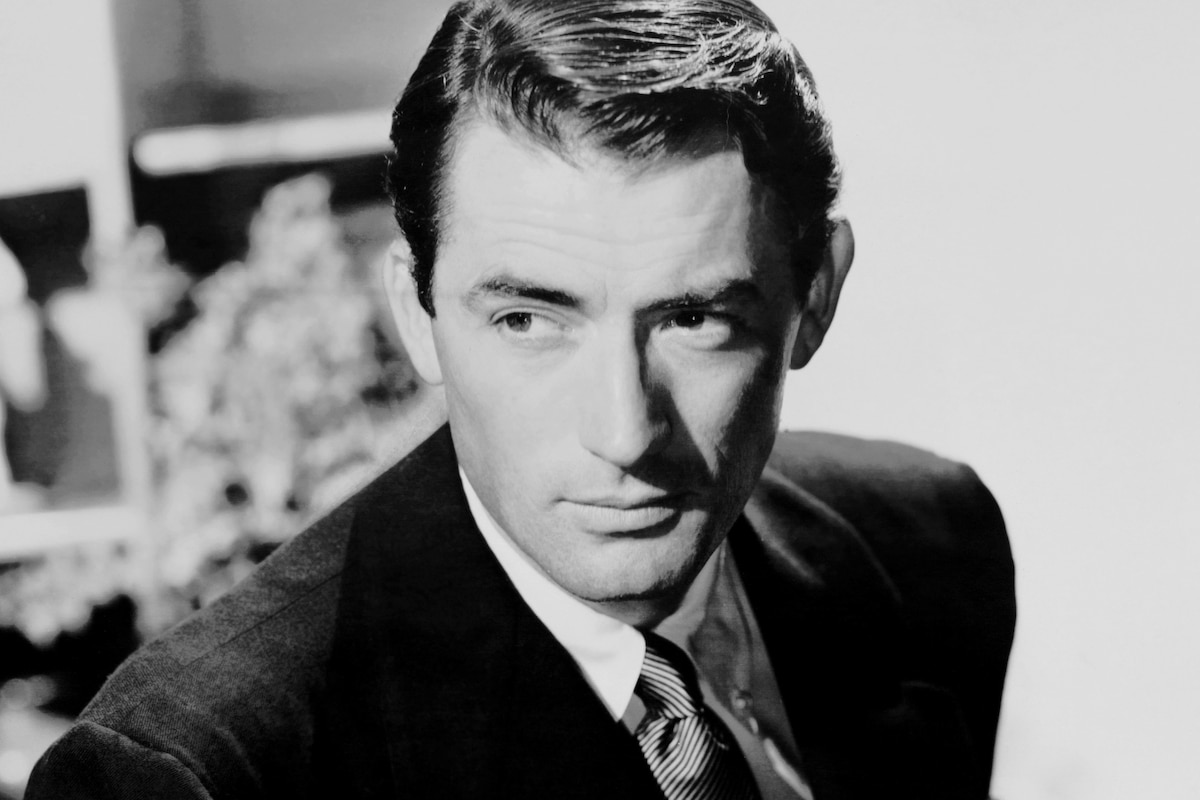
With his striking good looks, lanky 6’3” frame, deeply resonant voice and, yes, that sincerity, Peck was a star almost from the minute he stepped in front of the camera. He was born Eldred Gregory Peck in La Jolla, California, in 1916. As a senior studying pre-med at UC Berkeley, he discovered an affinity for acting and upon graduation won a scholarship to the esteemed Neighborhood Playhouse in New York. He appeared in a number of plays and made his Broadway debut in 1942. With so many young actors putting their careers on hold for war service, Peck was much in demand in New York theater; he was exempt from the military due to a back injury incurred not while rowing on his university team, as Twentieth Century-Fox later claimed, but from dance and movement training with Martha Graham. “In Hollywood, they didn’t think a dance class was macho enough, I guess,” he said in 1998. “I’ve been trying to straighten out that story for years.”
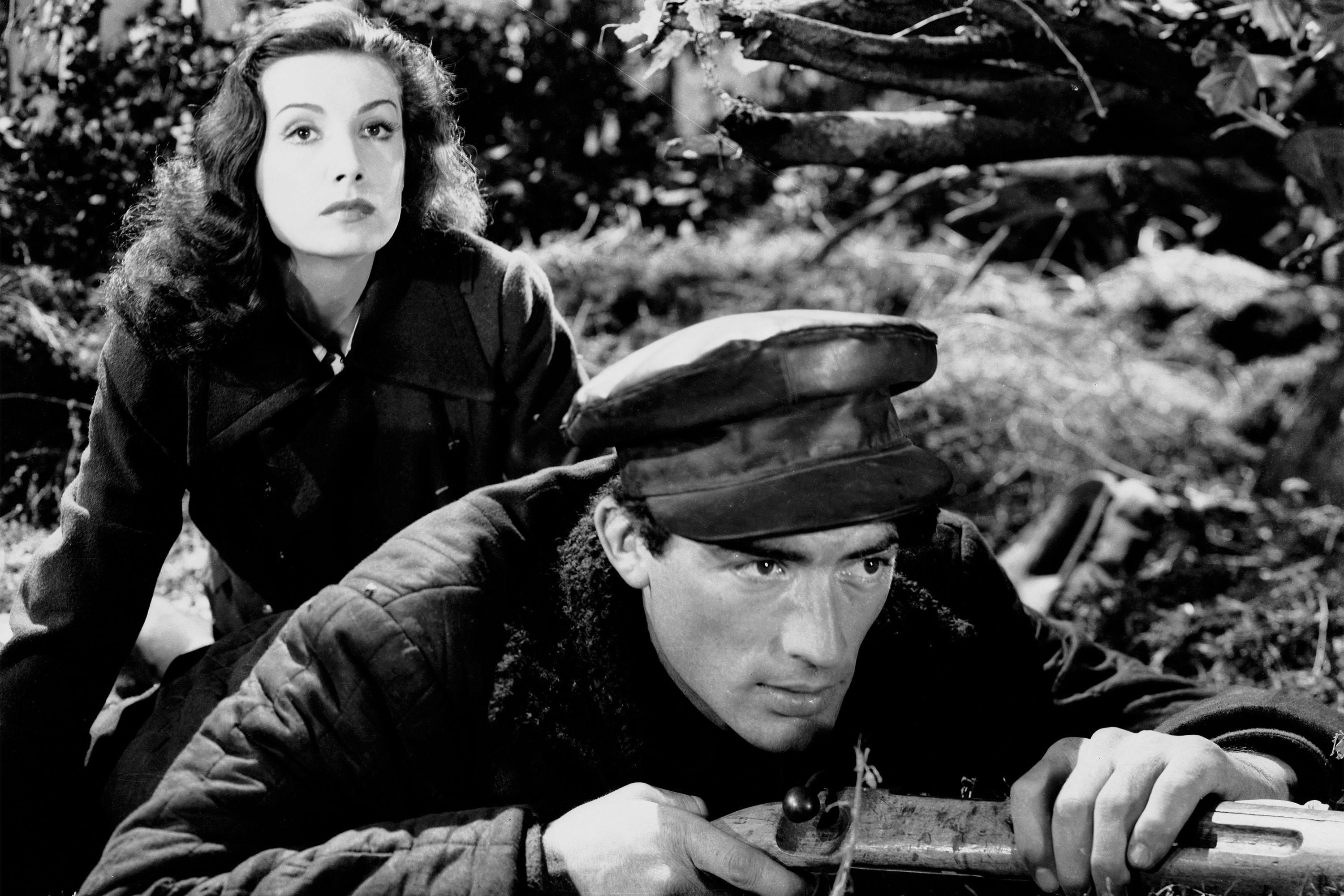
His stage work brought him increased recognition, and RKO offered him the lead in the romantic war drama Days of Glory (1944), as a Russian resistance leader fighting the Nazis and falling for a ballerina. (War and romance would become Peck’s specialties.) The picture didn’t fare all that well with critics or audiences, but his star power was evident from the start. He was Oscar-nominated for only his second movie, The Keys of the Kingdom, and for the rest of the decade, he appeared in top productions. He romanced Greer Garson in the period drama The Valley of Decision (1945) and copped another Best Actor nomination as the warm and loving father in the heartwarming drama The Yearling (1946), based on Marjorie Kinnan Rawlings’ novel about a family struggling in the Florida wilderness in the late 1800s.
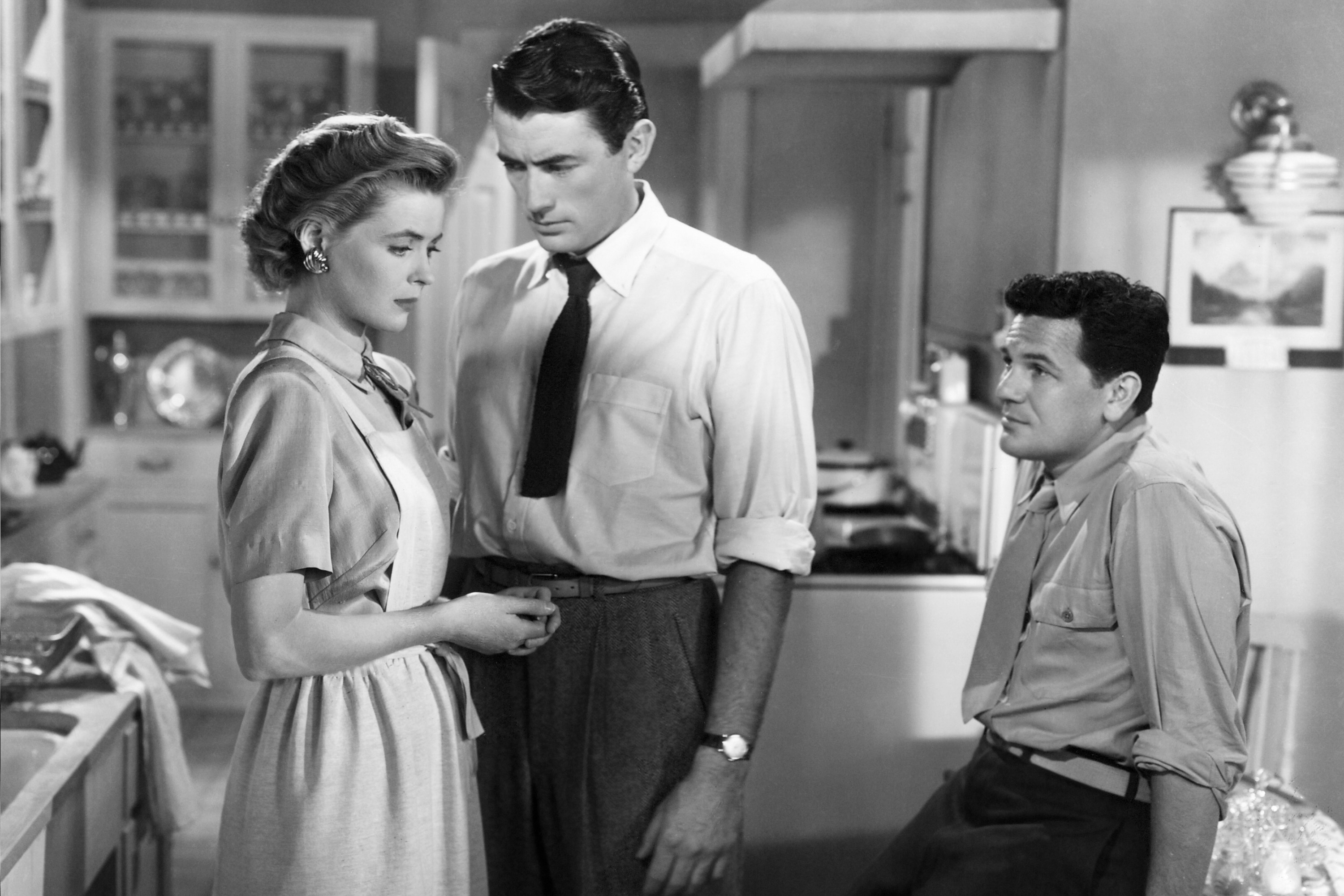
He capped the decade with one of his best and most “Peckian” roles and received another nomination for Gentlemen’s Agreement (1947), as a journalist pretending to be Jewish for an exposé on antisemitism among the upper crust of New York City and Connecticut. The picture benefited from a sharp screenplay by Moss Hart, sensitive direction from Elia Kazan and a sterling supporting cast, including Dorothy McGuire, Celeste Holm and Jewish actor John Garfield, who agreed to a lesser supporting role because he believed so strongly in the film’s message.
When Twentieth Century-Fox studio head Darryl Zanuck, who was not Jewish, decided to tackle this adaptation of Laura Z. Hobson’s sensational bestseller, Samuel Goldwyn and other Jewish film executives tried to talk him out of it, fearing backlash, not least from Production Code enforcer Joseph Breen, himself well known for antisemitic attitudes and remarks. Peck’s agent warned him not to do the role, certain it would derail his successful career. Gentlemen’s Agreement turned out to be a milestone for Peck. It was one of Fox’s highest-grossing releases of the year and received eight Academy Award nominations, winning for Best Picture, Director and Supporting Actress (Holm). It did, however, garner the hostile attention of the House Un-American Activities Committee, which called Kazan, Garfield and co-star Anne Revere to testify in its probe of Communist influence in the U.S. film industry. Revere refused to appear, Garfield declined to name names, and they were both blacklisted. Kazan appeared before the committee as a “friendly” witness and identified people in the industry as party members or sympathizers, a move that tarnished his reputation. A lifelong liberal Democrat, Peck signed a statement by members of the film community deploring HUAC’s actions.
The next few years saw career peaks and valleys for the actor. An attempt to turn a film noir based on Fyodor Dostoyevsky’s “The Gambler” (with elements taken from “Crime and Punishment”) into a prestige production resulted in The Great Sinner (1949). The picture was poorly received by critics and audiences despite a powerhouse supporting cast (Ava Gardner, Melvyn Douglas, Ethel Barrymore and Walter Huston), a screenplay by acclaimed author Christopher Isherwood and direction by noir master Robert Siodmak, who struggled to make a taut drama out of a rambling script that he said Peck approached with a heavy dullness, speaking his lines even more slowly than usual.
Peck fared better in the 1950s with his proven staples of romance (squiring Audrey Hepburn in the popular Roman Holiday, 1953; displaying a flair for comedy with Lauren Bacall in Vincente Minnelli’s Designing Woman, 1957), period adventures (the rousing hit Captain Horatio Hornblower, 1951), Westerns (the Eisenhower favorite The Big Country, 1958) and war stories (The Purple Plain, 1954, a major success in Britain). In the mid-1950s, he formed his own company, Melville Productions and later Brentwood Productions, producing five films over a seven-year period, including Captain Newman, M.D. (1963), a well-received dramedy based loosely on psychiatrist Ralph Greenson and his work with PTSD in military personnel. The companies produced some of Peck’s best movies from this period, including the tense and exciting thriller Cape Fear (1962) and To Kill a Mockingbird.
Melville Productions also made the classic Korean War drama Pork Chop Hill (1959). Peck plays the leader of a band of weary soldiers, showcasing the early work of actors that went on to movie and TV fame in the ‘60s and ‘70s (George Peppard, Harry Dean Stanton, Rip Torn and Martin Landau). The New York Times described Peck’s work here as “convincingly stalwart,” another example of the critical perception that he lacked range and appeal while acknowledging the strength he brought to his performances. He clashed frequently with director Lewis Milestone, who wanted Peck to play his character as more insecure rather than the more conventional approach Peck was accustomed to.
Judging from some of the outliers in Peck’s filmography, he might well have heeded Milestone. Peck was always more interesting playing darker, flawed, morally complex characters, such as his turns as a veteran dealing with PTSD and the demands of a stressful home and work life in The Man in the Gray Flannel Suit (1956), and as a temperamental, disillusioned writer in the highly praised and successful The Snows of Kilimanjaro (1952), based on a Hemingway story. He was even more psychologically conflicted in the Hitchcock classic Spellbound (1945), falling for Ingrid Bergman and having nightmares designed by Salvador Dalí. The best of the bunch, however, is the totally bonkers but thoroughly compelling epic Western Duel in the Sun (1946), in which he is uncharacteristically sly, mean and downright sexy, an adjective rarely applied to his screen presence. His final showdown with Jennifer Jones on a mountainside must be one of the best — and quirkiest — shootouts in movie history.
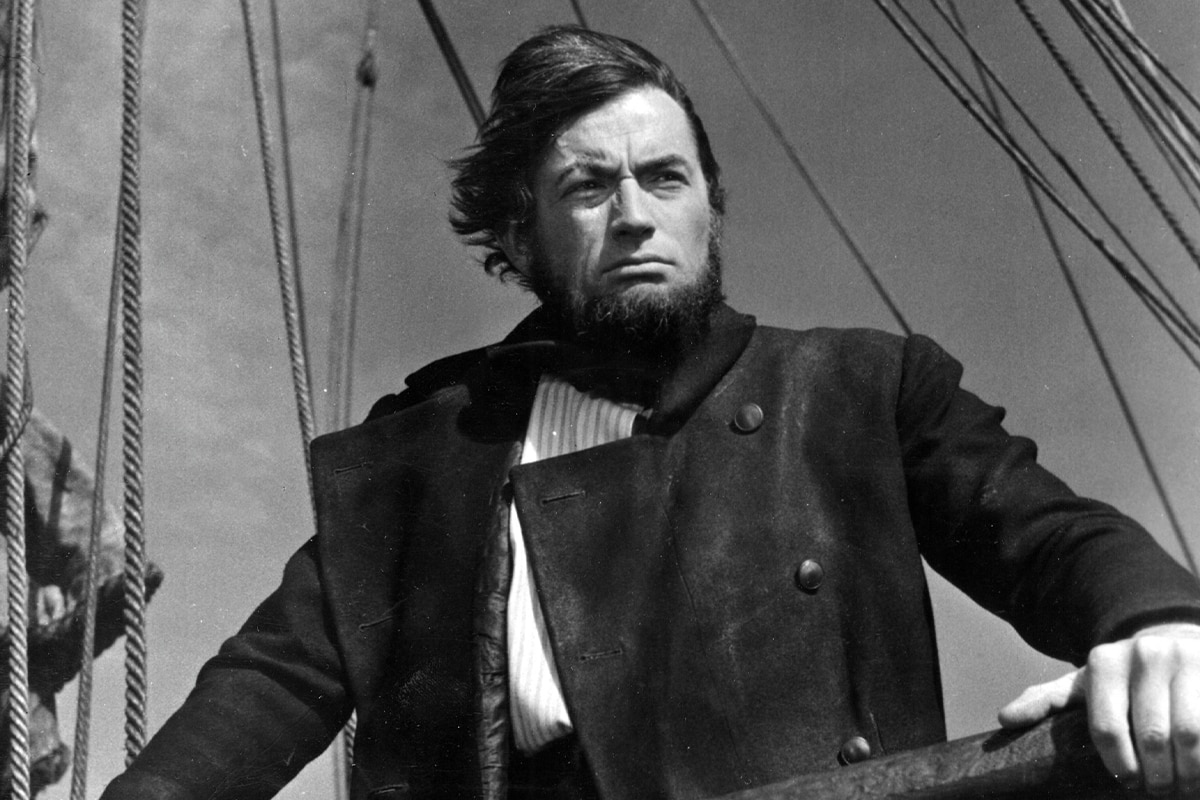
He was only occasionally further cast against type, notably as Nazi “Angel of Death” Josef Mengele in The Boys from Brazil (1978) and as the obsessed Captain Ahab in John Huston’s adaptation of Herman Melville’s Moby Dick (1956), which climaxes with a haunting image of Peck’s character united with his titular white whale nemesis. Even here, with a potentially scenery-chewing role, Variety found him “understated and much too gentlemanly for a man supposedly consumed by insane fury.” Even when playing the eponymous anti-hero in The Gunfighter (1950) or the vengeance-seeking ex-con responsible for many deaths in Shoot Out (1971), he is still about the most morally upstanding fella in the West. That was the dilemma of Peck’s career, attempting to stretch into more complex roles but always presented as the solid, decent man of principles he so perfectly projected.
That image clung to him off-screen, too, and he was well deserving of honors and praise for his charitable work, such as founding the La Jolla Playhouse and supporting live theater for many years. He served as president of the Academy of Motion Picture Arts and Sciences and received the Jean Hersholt Humanitarian Award in 1967. As national chair of the American Cancer Society, he proved to be a highly valuable fundraiser. In 1969, President Lyndon B. Johnson awarded Peck the Presidential Medal of Freedom, and in 1998, President Bill Clinton bestowed the National Medal of Arts on him. In between, he landed on President Richard Nixon’s notorious “enemies list,” a marker of both Nixon’s paranoia and Peck’s effectiveness as a liberal activist and outspoken opponent of the Vietnam War. In his later years, Peck was a vocal supporter of LGBTQ+ rights, and in 1997, at the age of 81, he was a presenter at the Gay and Lesbian Alliance Against Defamation (GLAAD) Awards.
Gregory Peck continued to work until a few years before his death in 2003. He may not have been known as an especially innovative or electrifying actor, but his stability, integrity and quiet determination were obviously what audiences — and the causes he worked for — valued for so long.