Wednesdays, May 6, 13, and 20 | 15 Movies
Love them or loathe them for their sappy, sensationalizing and/or fictionalized glimpses into a famous figure’s life, the biopic has been around as long as cinema itself, operating within larger genres from drama to comedy and beyond. Early cinematic biopics focused on historical figures, from Georges Méliès’ Joan of Arc (1900) to Abel Gance’s Napoleon (1927). As the genre blossomed in the 1930s, those figures expanded from royalty (The Private Life of Henry VIII and Queen Christina, both 1933) and “great man” stories (1936’s The Story of Louis Pasteur and 1937’s The Life of Emile Zola) to include show business tales, such as The Great Ziegfeld (1936). This decade also established the biopic as Oscar bait, especially for stars, as portraying real people is deemed more demanding; of the five films just listed, two earned Best Picture (back-to-back for Ziegfeld and Zola), and two won Best Actor awards (Charles Laughton as Henry VIII and Paul Muni as Pasteur).
From the post-WWII era through the 1960s, Hollywood “turned to recording its own history,” George F. Custen writes in “Bio/Pics.” Biographical pictures about Tinseltown have the unique dual appeal of capitalizing not only on the public’s fascination with famous entertainers but also on the (likely) famous entertainer playing them. TCM celebrates Hollywood biopics this month across three nights of films from the 1940s through 2000s that chart the genre’s evolution from sanitized accounts to more raw character studies, with varying levels of fictionalization, a thread that unites most of them.
The festivities kick off May 6, with five movies spotlighting silent icons, the earliest of which highlights the self-proclaimed “World’s Greatest Entertainer,” Al Jolson. It shouldn’t be a shock that the famously egotistical performer wanted to play himself in 1946’s The Jolson Story, but that wasn’t feasible for the 60-year-old actor; Larry Parks landed the role and an Oscar nomination instead. Jolson got his way musically—he sang all the songs—and he even succeeded in playing himself, uncredited, in a long-shot sequence of “Swanee,” a result of his discontent with Parks’ dancing. While the production faced some hitches, such as Jolson’s ex-wife Ruby Keeler denying use of her name, it was a box-office sensation, influencing a cycle of vaudeville-related biopics and reinvigorating interest in Jolson.
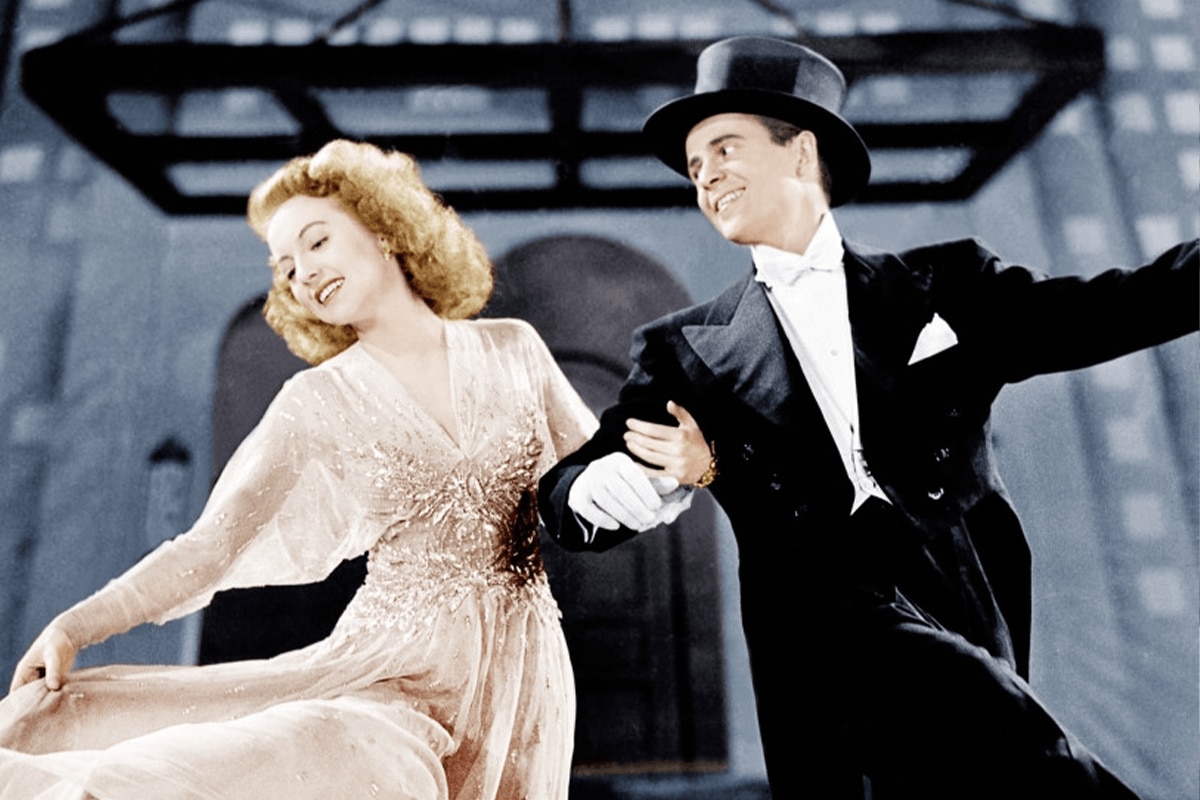
The Jolson Story Oscar nominee William Demarest also co-starred in The Perils of Pauline (1947), the Technicolor re-telling of Pearl White’s story from her circus origins to stardom. White, the “Queen of the Serials,” catapulted to fame with the 20-chapter 1914 action-adventure serial The Perils of Pauline, which suited her dynamism well—something Betty Hutton, a frequent biopic star, captured through her buoyant performance.
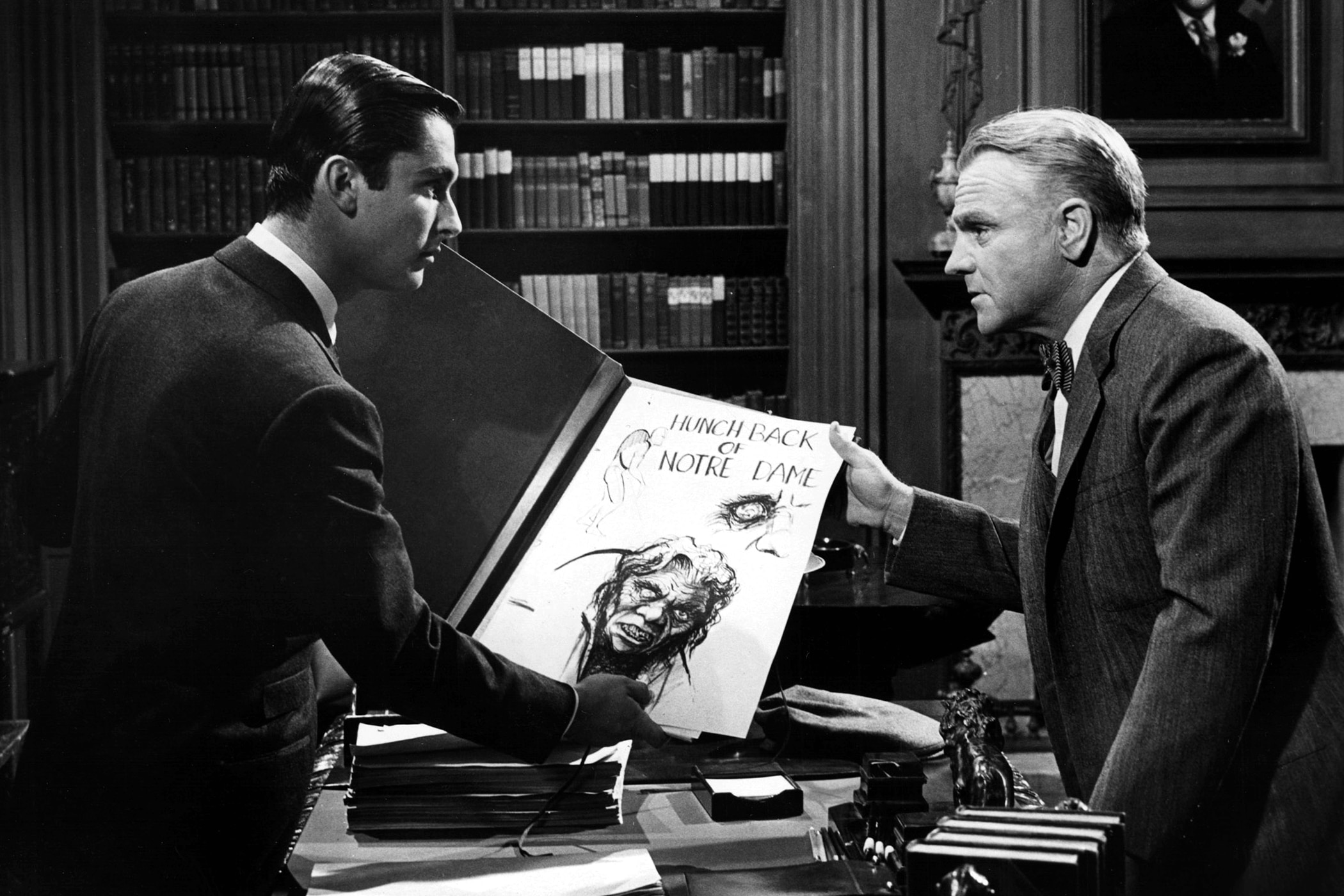
The year 1957 was a banner one for silent star biopics with the release of Man of a Thousand Faces, Jeanne Eagels and The Buster Keaton Story. The first two starred famous actors who didn’t particularly look like their subjects—James Cagney as Lon Chaney and Kim Novak as Eagels—the former movie capturing better notices than the latter. But perhaps the most outrageous of the silent film biopics came 20 years later with Ken Russell’s exorbitant Valentino (1977), the second cinematic biopic of the icon, Rudolph Valentino, which leans on two non-actor leads: ballet dancer Rudolf Nureyev as Valentino and The Mamas & the Papas singer Michelle Phillips as Natacha Rambova. Indeed, dance proved a common denominator for many involved; besides Nureyev, initially slated for the role of Nijinsky, French ballerina Leslie Caron played Alla Nazimova, and Russell had trained as a ballet dancer in his youth. “All my films are choreography,” the visual-minded Russell acknowledged, as quoted in Alexander Bland’s “The Nureyev Valentino.” Though in the case of Valentino, the spectacle didn’t sync with critics or audiences, leading to box-office disaster.
TCM’s second Hollywood biopic night on May 13 includes creatives behind the scenes, too. While some living biopic subjects are involved in the screen adaptation of their story, Ruth Gordon went one step further, penning The Actress (1953), starring Jean Simmons and Spencer Tracy, based on her own autobiographical play “Years Ago.” Though Gordon still had 30 years of her career ahead of her when her biopic debuted, George Raft was approaching the end of his when The George Raft Story (1961) was released. Inspired by a series of 1957 Saturday Evening Post articles, the film, starring Ray Danton as Raft and Jayne Mansfield and Julie London as fictional girlfriends, focused more on Raft’s close connections with mobsters like Bugsy Siegel than his Hollywood career.
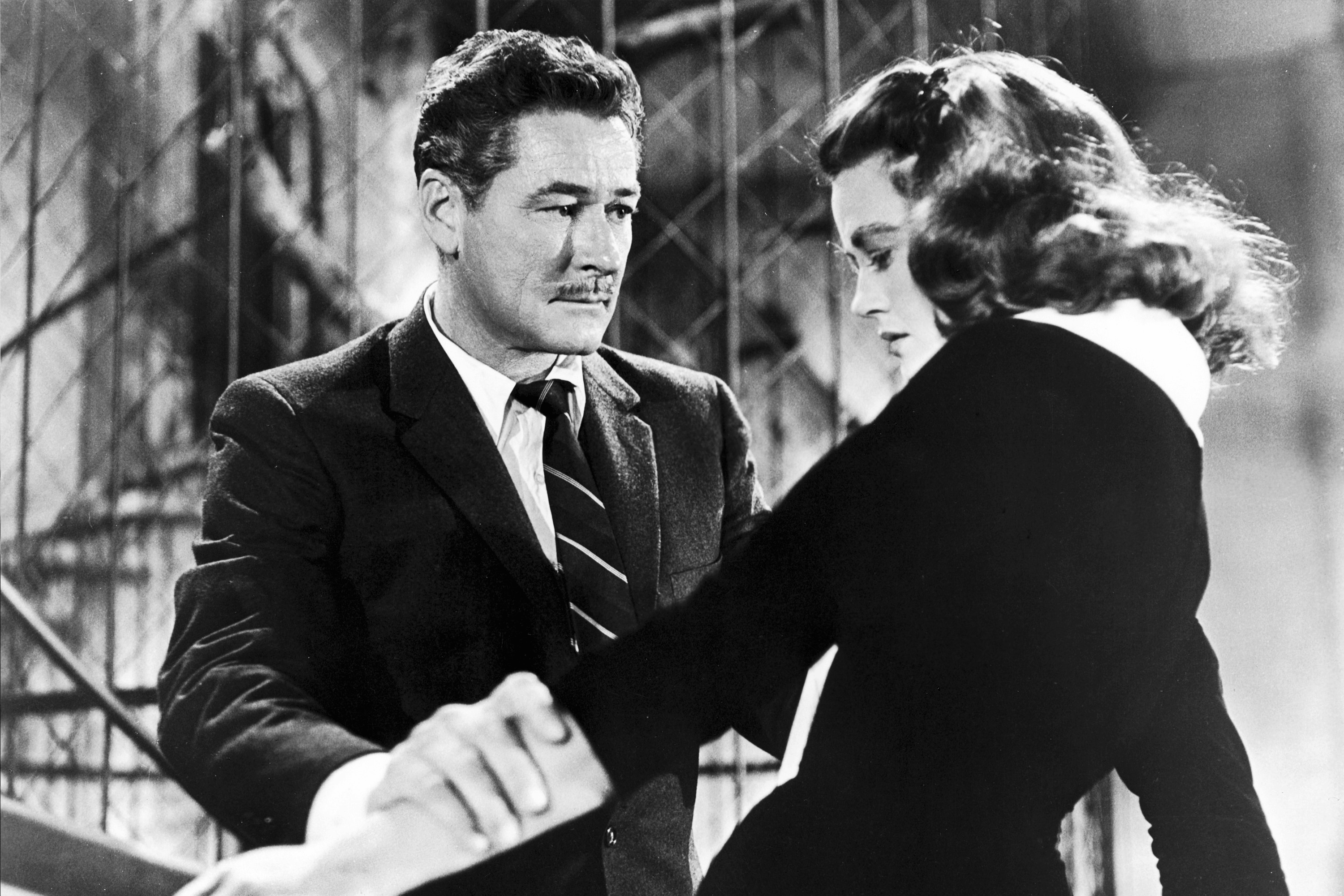
Danton already flexed his biopic muscle in Too Much, Too Soon (1958), based on Diana Barrymore’s bleak 1957 autobiography tracing her turbulent relationships, acting career and battle with alcoholism. Changes made to the film adaptation—for legal reasons and to abide by the Production Code—tempered “what could have been an uncompromising and very human portrait,” Jennifer Ann Redmond writes in “Too Fast, Too Short: The Life of Diana Barrymore.” After numerous actresses refused the role, Warners landed Oscar-winner Dorothy Malone to play Diana and Errol Flynn as her father, John Barrymore. (Flynn, facing his own fading career and health struggles, eerily paralleled John’s trajectory; he died the following year at age 50.) The film was not well received, and Diana did not approve of what she deemed a “lewd and misleading” characterization.
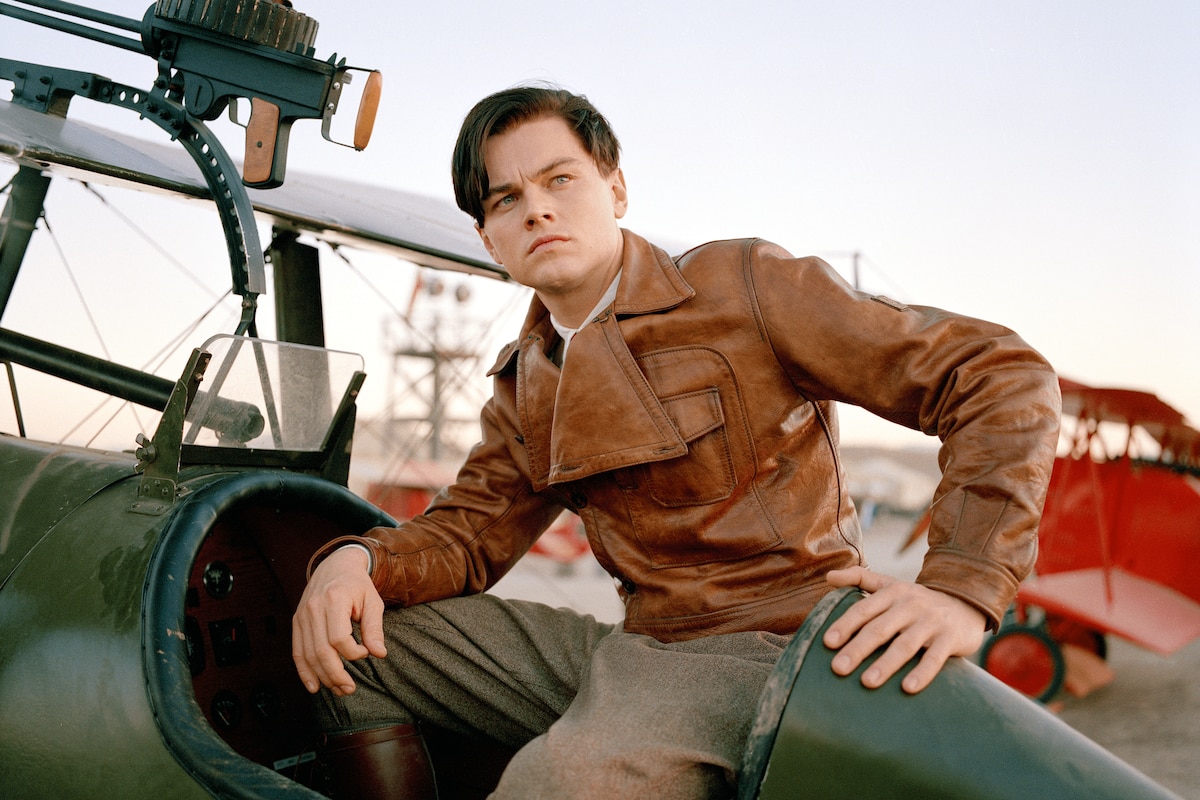
Half a century later, Flynn would be a character in Martin Scorsese’s all-star biopic The Aviator (2004), the five-time Oscar-winning tale of eccentric producer, businessman and pilot Howard Hughes. The film’s star-studded cast played equally iconic personalities, including Leonardo DiCaprio as Hughes, Cate Blanchett as Katharine Hepburn (winner of the Best Actress Oscar, an award Hepburn won four times), Kate Beckinsale as Ava Gardner, Gwen Stefani as Jean Harlow and Jude Law as Flynn.
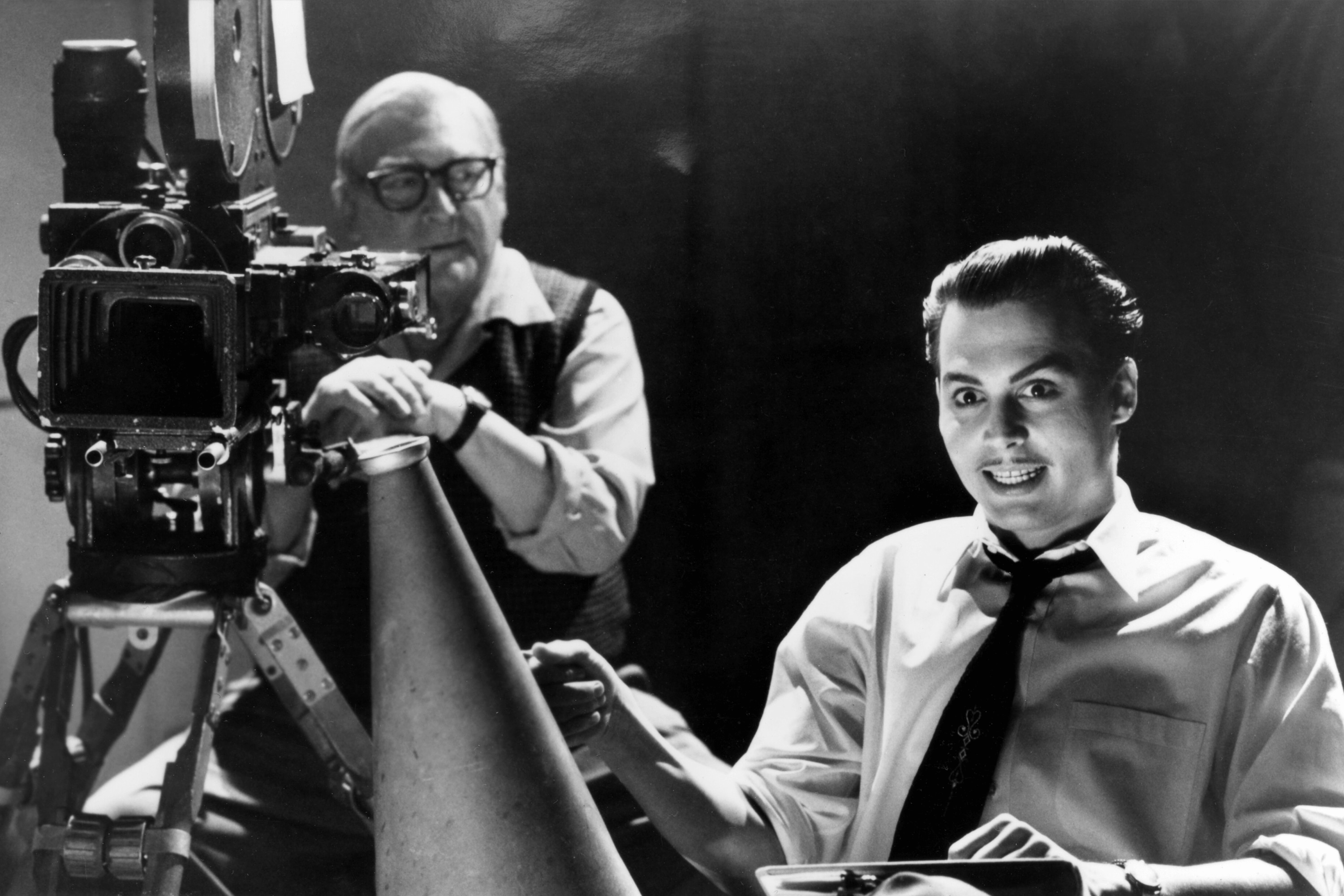
While Hughes was a recognizable name, the subject of Ed Wood (1994), credited for helming some of the worst films of all time, like Plan 9 from Outer Space (1958), was not as famous as the biopic’s star, Johnny Depp. Director Tim Burton was enticed by Wood’s passion, confidence, “and the way they spill over into delusional denial,” Alison McMahan writes in “The Films of Tim Burton.” The subject matter also impacted Ed Wood screenwriters Scott Alexander and Larry Karaszewski, who would go on to make a career of their freewheeling biopics of notorious figures.
On May 20, TCM’s final night of Hollywood biopics focuses on icons ranging from The Story of Will Rogers (1952), starring the legendary comedian’s son, Will Rogers Jr., to Frances (1982), the Jessica Lange-headlined tale of Frances Farmer. Three films make their TCM premieres this evening, beginning with Harlow (1965) starring Carroll Baker. Disclosing the lead is important because two biopics with the same title were released the same year: Alex Segal’s black-and-white Harlow (1965) starring Carol Lynley was shot in less than 10 days to debut just ahead of Paramount’s big-budget Harlow, helmed by Gordon Douglas. While a Harlow biopic had been broached before, the 1964 book “Harlow: An Intimate Biography” by Irving Shulman sparked new interest, resulting in the battling productions. The race to the finish line for the Baker film resulted in last-minute script changes and an assistant director tasked with tracking Baker to keep up the fast pace. As Tom Lisanti writes in “Dueling Harlows,” the drama turned more heated after release, with lawsuits flying in both directions, including one leveled at Baker by producer Joseph E. Levine for not sufficiently promoting the picture, which he argued led to its dismal reception.
Two different classic Hollywood biopics that debuted weeks apart a decade later didn’t fare much better critically. Gable and Lombard (1976) was not based on the 1974 book of the same name; rather, director Sidney J. Furie approached writer Barry Sandler about the idea for Universal Pictures. Many iconic actors, including Burt Reynolds and Steve McQueen, turned down the lead roles, but for their part, stars Jill Clayburgh and James Brolin dove into their research, watching movies and reading all they could about the famous couple. The dedication didn’t pay off for some reviewers. A New York Times critic leveled, “There are always problems when small performers try to portray the kind of giant legends that Gable and Lombard were. Because both Gable and Lombard are still very much alive in their films, on television and in repertory theaters, there is difficulty in responding to Mr. Brolin and Miss Clayburgh in any serious way.”
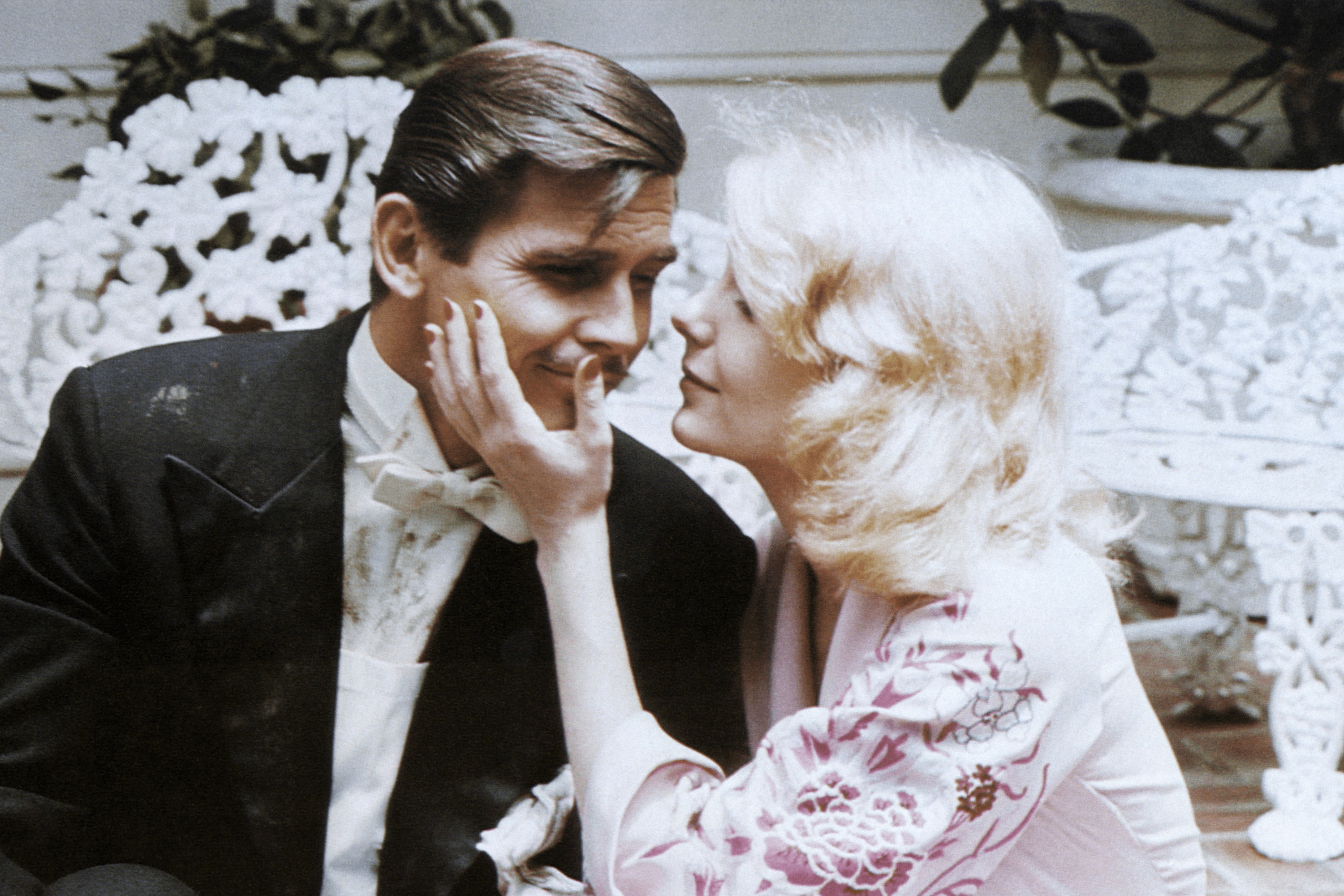
Gable and Lombard was often lumped into reviews with W. C. Fields and Me (1976), another Universal picture released weeks later, based upon the memoir by Fields’ longtime companion Carlotta Monti, and starring Rod Steiger and Valerie Perrine. In his 2006 Academy of Motion Picture Arts and Sciences oral history, director Arthur Hiller disclosed that “we were not reaching for a biographical or total character. It was meant to be W. C. Fields of the movies.” Even with the help of Steiger’s research—he was fascinated with Fields—and Stan Winston’s intricate makeup, the ode to the “W. C. Fields of the movies” fell flat with critics. Arthur Knight wrote in The Hollywood Reporter, “As members of the Writers Guild like to say, ‘in the beginning was the word.’ And the word here is—phony.” Implausible or exaggerated as Hollywood biopics may be, their lasting fascination among moviegoers is evidenced by the wide range of pictures TCM is celebrating and the countless tales that continue to appear every year.