4 Movies | January 28
A few days after the December 14 deaths of Rob Reiner and his wife Michele, several of their best friends, including Billy Crystal, Albert Brooks, Larry David and Martin Short, released a heartfelt statement. Just get out your hankies before you read.
“Absorbing all he had learned from his father Carl and his mentor Norman Lear, Rob Reiner not only was a great comic actor, he became a master story teller [sic]. There is no other director who has his range. …Rob was also a passionate, brave citizen, who not only cared for this country he loved, he did everything he could to make it better... There is a line from one of Rob’s favorite, ‘It’s a Wonderful Life,’ ‘Each man’s life touches so many other lives, and when he isn’t around, he leaves an awful hole, doesn’t he?’ You have no idea.”
Many filmgoers also feel like there is a hole in their collective hearts. So much so, the hour-long special “CBS: Rob Reiner-Scenes from a Life” scored a strong 6.2 million viewers when it aired a week after the couple died.
A longtime friend of TCM, hosting The Essentials from 2001 to 2003, Reiner and his dad Carl became the first father and son honored by the TCM Classic Film Festival in 2017 with a foot and handprint ceremony at the TCL Chinese Theatre. And now, TCM is celebrating his legacy with a four-film tribute hosted by Ben Mankiewicz. On January 28th, we kick off with the TCM premiere of Reiner’s enchanting fairy tale comedy The Princess Bride (1987), followed by the smart 1989 romantic comedy When Harry Met Sally, then 1986’s poignant Stand by Me. We conclude with 1984’s This is Spinal Tap, which marked Reiner’s feature directorial debut.
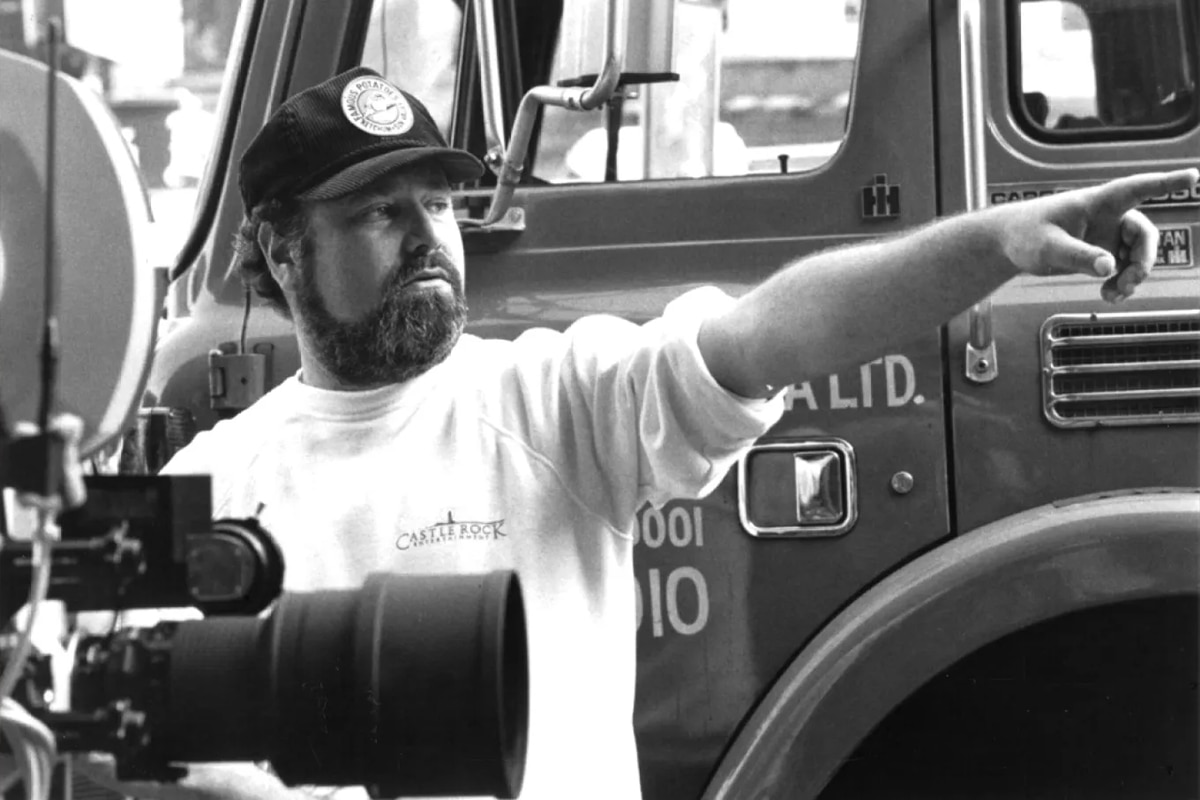
Reiner had long been Hollywood and comedic royalty. His father, who earned 11 Emmys during his lifetime, is best known for “The Dick Van Dyke Show” and directing Steve Martin comedies, including The Jerk (1979). Just like his father, Rob Reiner was first known as an actor, earning two Emmys for his work as Mike “Meathead” Stivic on Norman Lear’s landmark 1971-79 CBS sitcom “All in the Family.”
Reiner’s directing career lasted 41 years, with many believing his best films were from 1984 to 1995. Other films released during his most fruitful time were the 1990 thriller Misery, for which Kathy Bates won the Best Actress Oscar; the courtroom drama A Few Good Men (1992), featuring Jack Nicholson’s signature line, “You can’t handle the truth”; and the political comedy drama The American President (1995), starring Michael Douglas. His final film, Spinal Tap II: The End Continues, was released to theaters in September 2025 and made its debut on HBO Max three months later.
Though Reiner was never nominated for a directing Oscar, his films struck a chord with audiences. He changed the careers of many of his performers, such as River Phoenix in Stand by Me, Robin Wright and Carey Elwes in The Princess Bride and singer Harry Connick Jr., who was just 21 when he performed and arranged standards for When Harry Met Sally. Further exemplifying influence is a story he told in a 2017 Variety piece for the 30th anniversary of The Princess Bride. Reiner recalled how a woman approached him and his producing partner, telling them she had seen the film so many times she knew it by heart. An extreme skier, she and her fellow athletes once found themselves trapped in an avalanche. “When we were freezing, I did the entire movie to keep everybody occupied and to keep everybody up, happy and listening,” she told Reiner.
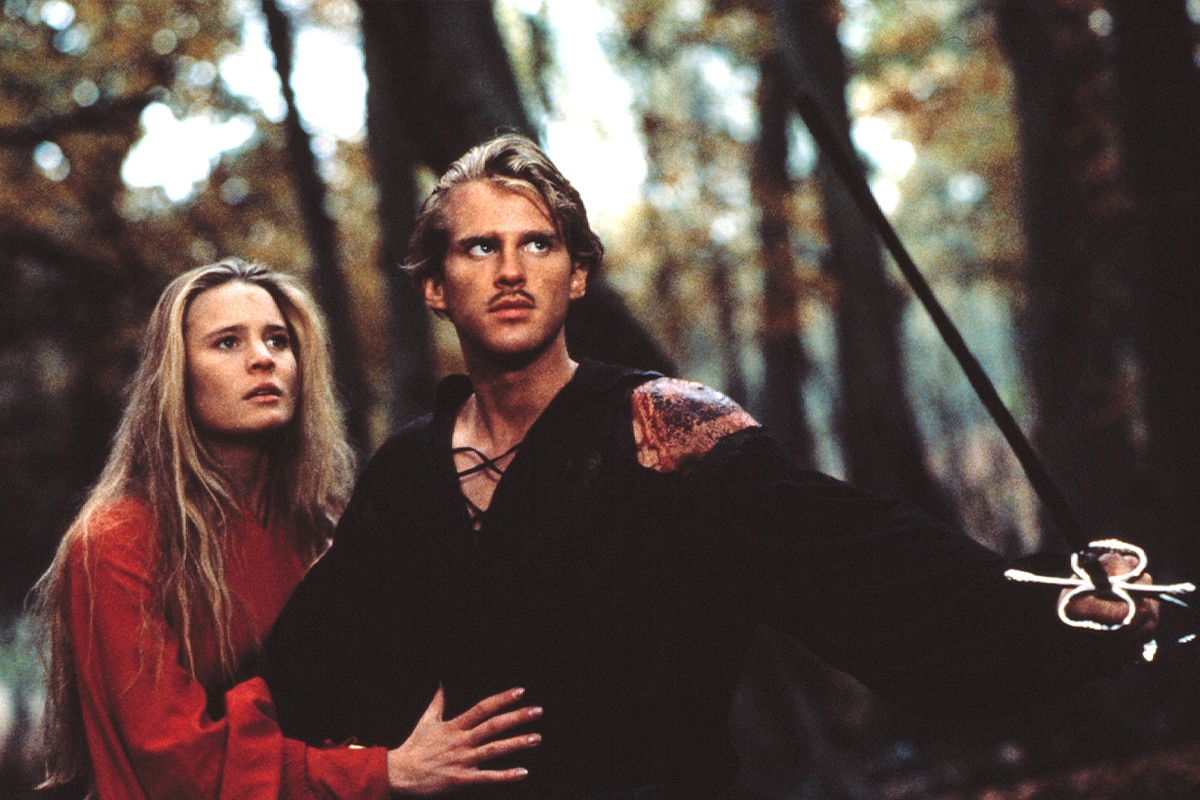
Reiner said William Goldman was his favorite author and his 1973 book “The Princess Bride” his favorite novel. It was his dad who gave him the book about a handsome farmhand, Westley (Cary Elwes), who transforms himself into Dread Pirate Roberts to rescue his beloved Princess Buttercup (Robin Wright) from an arranged marriage with the vile Prince Humperdinck (Chris Sarandon). Rounding out the cast were Mandy Patinkin, Christopher Guest, Wallace Shawn, Andre the Giant, Billy Crystal and Carol Kane. Peter Falk plays the grandfather reading the story to his sick grandson (Fred Savage).
There are several memorable lines in The Princess Bride, such as Shawn’s “Inconceivable,” Elwes’ “As you wish” and Patinkin’s “Hello. My name is Inigo Montoya. You killed my father. Prepare to die.” Carl and Rob Reiner would reenact the final scene between the grandfather and grandson just three days before the elder Reiner died in 2000 at the age of 98. The scene is on YouTube - just have a tissue ready.
I would be remiss if I didn’t mention that Reiner was a mensch of the first order. Though the cast of The Princess Bride stayed in a hotel, Reiner rented a house so he could invite the cast over for laughs and an occasional song. Reiner always wanted to have people “around me like they are having a good time. Creatively, it helps them contribute. I think, if a movie you’ve been involved [in] comes on, it’s like watching home movies.”
Though his film career soared in the 1980s, his personal life was a shambles. He had married Penny Marshall in 1971, and they divorced 10 years later. Reiner told the New York Times in 1989 that “I was in the middle of my single life. I'd been divorced for a while. I'd been out a number of times, all these disastrous, confusing relationships one after another.” He explained to AARP magazine in 2014 that he was the prototype for Harry of When Harry Met Sally… “I couldn’t see how I would get with anybody ever again.”
But he did. During the film’s production, he spilled the beans about his love life to cinematographer and filmmaker Barry Sonnenfeld, who told Reiner he had the perfect woman for him, actress, photographer and producer Michele Singer. Reiner recalled to the New York Times: “I’ll never forget it. It was a scene on a stoop in front of a brownstone. Billy and Meg are having an argument. And I look over, and I see this girl, and ‘whoo!’ I was attracted immediately.” They married in May 1989, two months before the film was released. “As you go along, the relationship becomes better and better because you really become best friends,” Reiner noted in the AARP interview. It was Michele who convinced Reiner to change the comedy’s ending, cementing it as one of the all-time great romances.
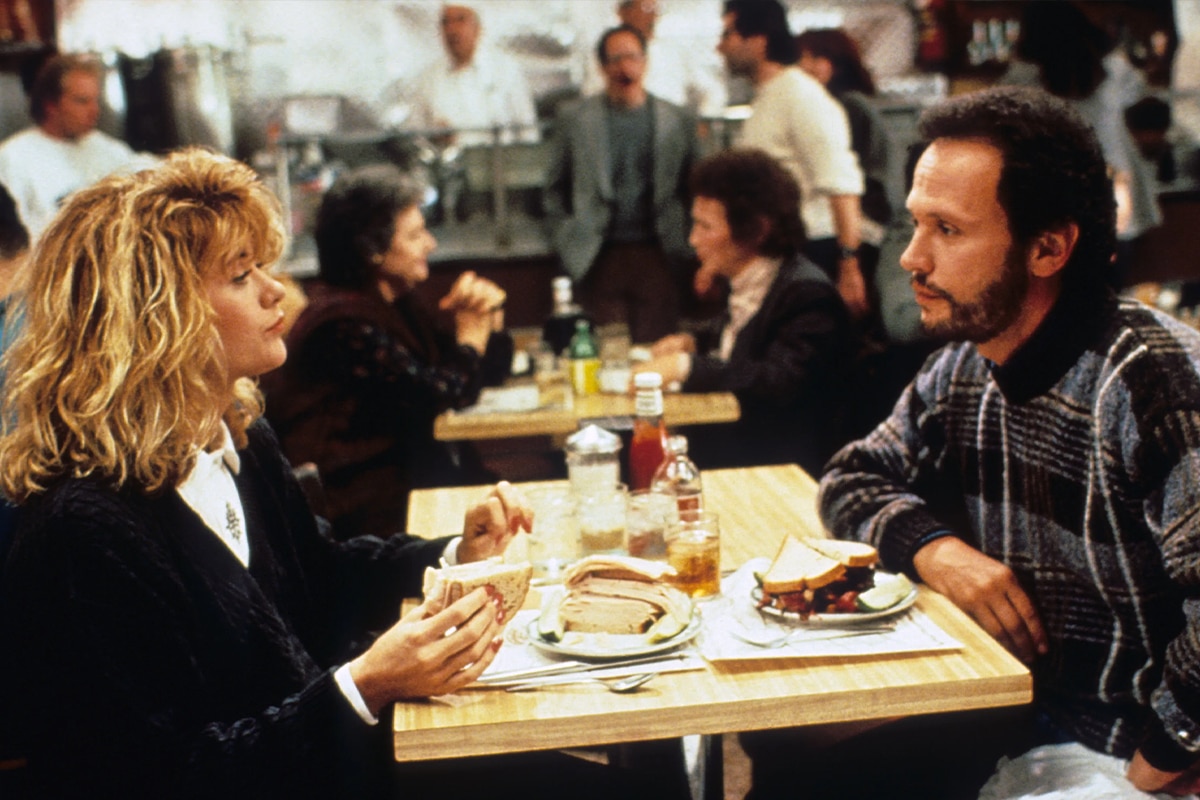
Of course, one can’t talk about When Harry Met Sally… without mentioning the uproarious sequence at New York’s Katz’s Delicatessen where Sally fakes an orgasm. According to TCM.com, it was Ryan who came up with idea of Sally screaming “Yes! Yes! Yes!” as the patrons look askance; Crystal suggested the iconic line Reiner’s mother Estelle deadpans: “I’ll have what she’s having.”
Reiner’s first two films, This is Spinal Tap and 1985’s The Sure Thing, were comedies, so Stand by Me was something of a shock. Though not devoid of humor, Reiner proved he was as adept with drama as he was with comedy. The poignant coming of age drama was based on Stephen King’s 1982 novella “The Body.” Richard Dreyfuss plays a middle-aged writer who narrates the drama of how he and his three pre-teen friends decide to take a two-day adventure to find the body of a boy who died in the woods near their small Oregon hometown in 1959, learning about themselves along the way.
As with his other films, Stand by Me was impeccably cast. Janet Hirshenson and Jane Jenkins were his favorite casting directors who cast Wil Wheaton, River Phoenix, Corey Feldman and Jerry O’Connell to perfection as the four friends. Stand by Me also features an early performance from Kiefer Sutherland as a bully. Ben E. King’s 1961 recording of “Stand by Me,” which is heard several times, including over the title sequence, became a hit all over again.
Stephen King wrote a guest essay in the Dec 16th edition of The New York Times explaining why he hugged Reiner after watching the film for the first time. “I was surprised by how deeply affected I was by its 89 minutes,” noted King. “I’ve written a lot of fiction, but ‘The Body’ remains the only nakedly autobiographical story I’ve ever done. Those kids were my friends. When the movie was over, I surprised the hell out of myself by giving him a hug. I apparently wasn’t done with my feelings. I went into the nearest men’s bathroom and sat in a stall until I got myself under control.”
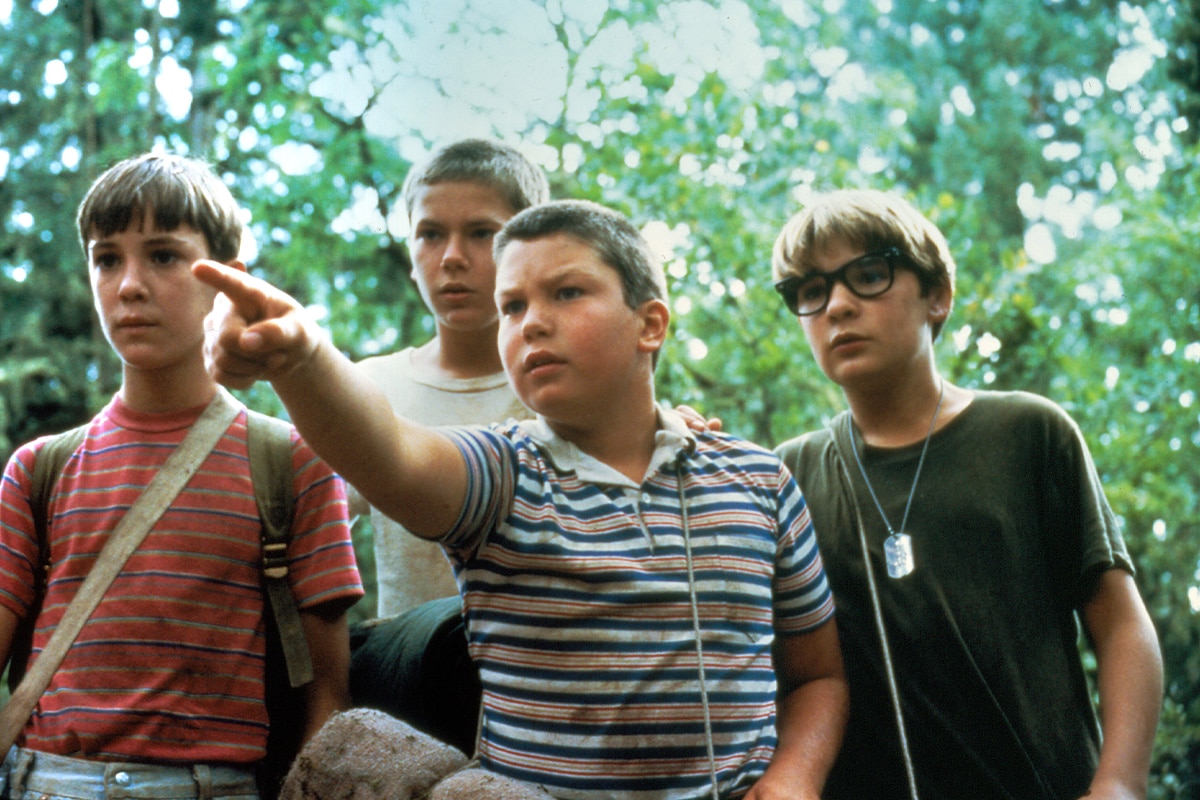
Martin Scorsese wrote a piece that ran on Christmas Day 2025 in The New York Times about their friendship, comic sensibilities and filmmaking. “He was hilarious and sometimes bitingly funny, but he was never the kind of guy who would take over the room. He had a beautiful sense of uninhibited of freedom.” His favorite Reiner film was Misery, “But then, of course, there’s This is Spinal Tap. Somehow, that picture is in a class of its own. It’s a kind of immaculate creation. And a big part of the greatness of the film is Rob himself, as director and as actor.”
Though there is no one person credited with originating the mockumentary genre, Reiner turned it into an art form with This is Spinal Tap. The comedy was so realistic that audiences thought it was a real documentary about a British metal band on a U.S. tour to promote their latest album, “Smell the Glove.” Things do not go according to plan. There is also a curse surrounding the suspicious deaths of the group’s drummers. It’s a brilliant satire of the music industry led by Reiner, who plays the clueless filmmaker Marty DiBergi, as well as Christopher Guest, Harry Shearer and Michael McKean as Spinal Tap. The trio also happen to be terrific musicians.
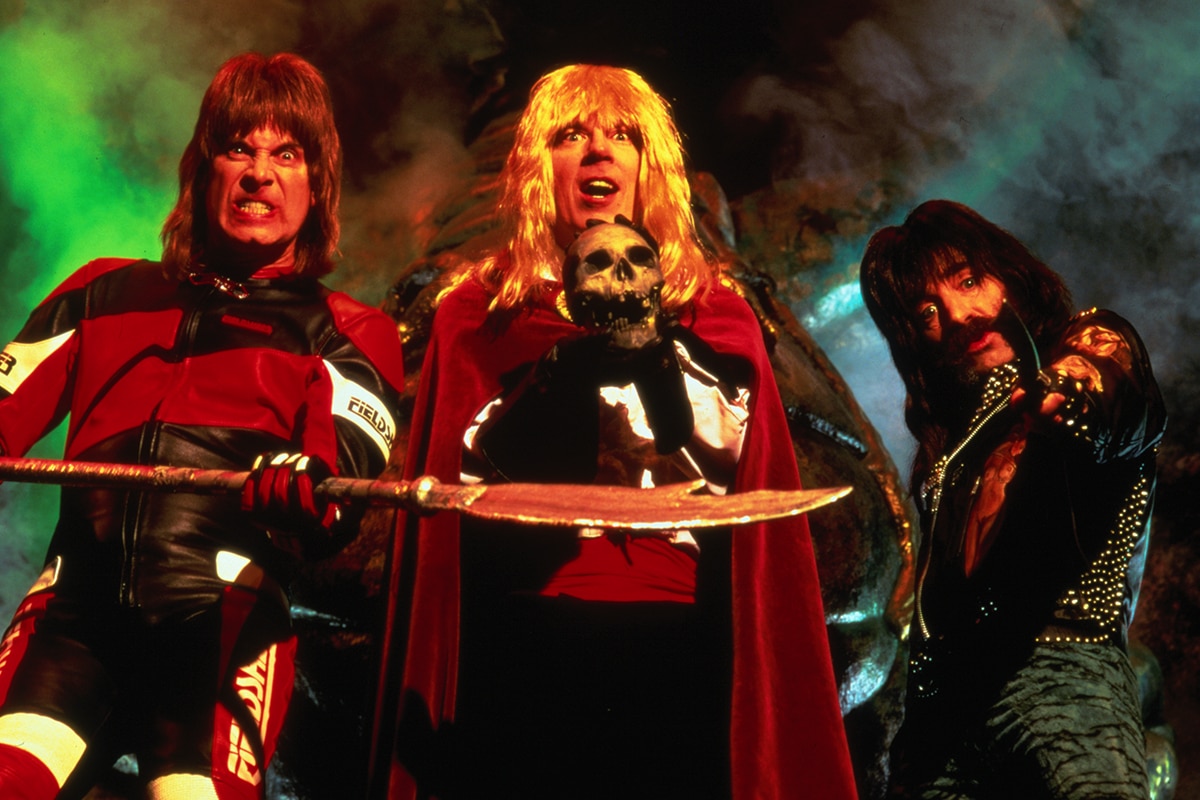
Guest went on to make three classics of the mockumentary genre, most notably Waiting for Guffman (1996) and Best in Show (2000). Several TV series drew inspiration from This is Spinal Tap, including both the British and American versions of “The Office,” “Modern Family,” “Abbott Elementary” and “Drunk History.” “When you see this kind of documentary style being used as a way of telling stories, it’s very satisfying,” Reiner said in a 2025 Entertainment Weekly interview, reflecting on his undeniable and unforgettable influence on media.