Fridays in January at 8pm ET | 24 Movies
For Friday nights in January, the network that looks back on our cinematic past looks back on movies that look back on the past with Flashback Fridays. TCM host Ben Mankiewicz shares a series of movies using one of the oldest traditions in film, drama and literature, re-creating earlier actions and memories, with each night depicting a film where a flashback is a core part of the storyline. So, settle in as background music swells, the scene blurs out, clock hands turn backwards and the present dissolves into the past.
Flashback to the 8th century BCE as a blind poet recites to the accompaniment of a lyre. In Book 9 of Homer’s “The Odyssey,” the Greek hero Odysseus washes up on the shores of Scherie, where he tells the royal court of his adventures since the Trojan War. Most critics consider this the first use of a flashback in any form of literature. It wouldn’t die with Homer. Novelists like Charles Dickens, Mary Shelley and the Brontes all used flashbacks to provide past information, often from the perspective of a character who lived through those events.
Now, flashback to France in 1901, where director Ferdinand Zecca has convinced the four Pathé brothers to take a chance on story films after their initial string of short documentary-like pictures of everyday life. He also feels the public has a taste for crime stories, so he creates “Histoire d’un crime,” a five-minute series of tableaux in which a burglar kills a bank employee and is sentenced to hang. That would have been innovation enough. Add to that a scene in which we see images of his past life and the way alcohol cost him his family and his job as a carpenter, leading him into crime. It was the screen’s first flashback, setting the stage for later filmmakers like D.W. Griffith, Marcel Carné and William Wyler. The flashback even made it to the stage in 1914, with Elmer Rice’s “On Trial,” credited as the first play to use that device.
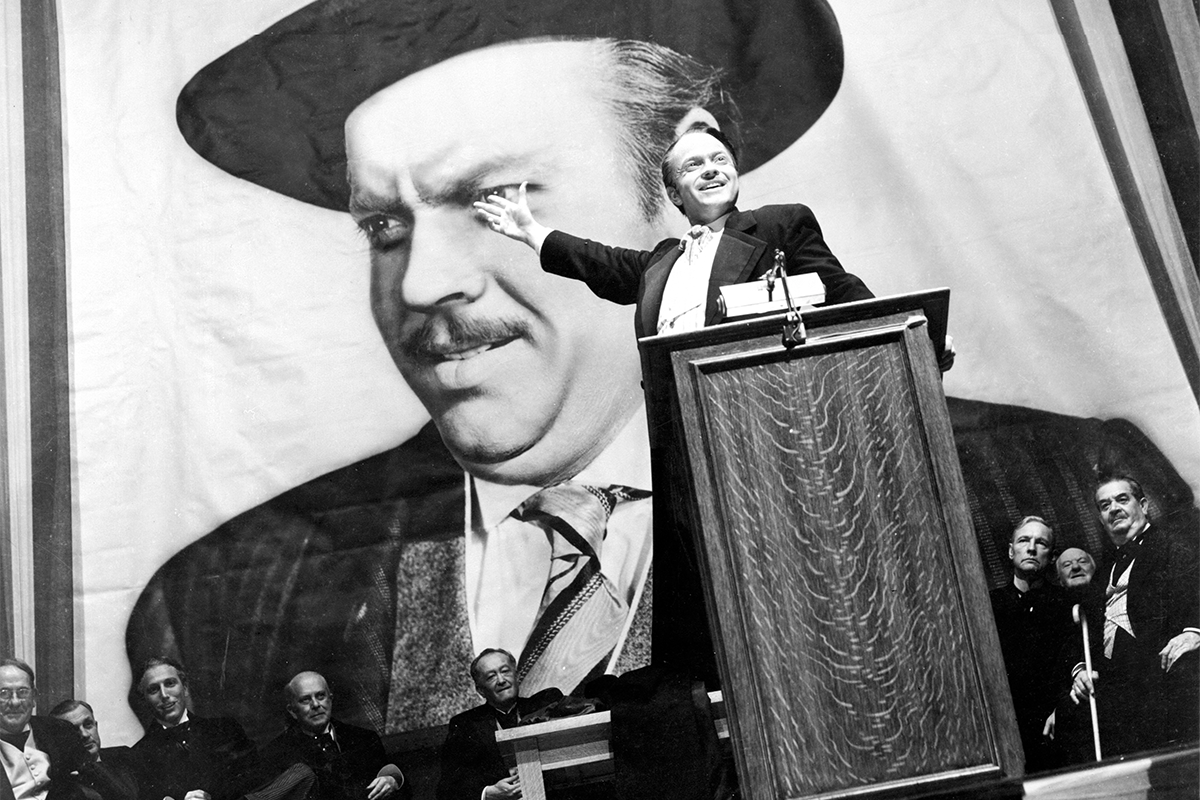
And once more, flashback this time to 1941. Inspired by his friend Preston Sturges’ script for The Power and the Glory (1933), Herman Mankiewicz worked with Orson Welles to create the complicated flashback structure for Citizen Kane (1941). They told the story of a recently deceased publishing magnate (Welles) through the stories of five different people — his early guardian (George Coulouris), business manager (Everett Sloane), best friend (Joseph Cotten), second wife (Dorothy Comingore) and butler (Paul Stewart) — each providing their own unique and very personal account of the great man’s life. Sturges had used a similar approach in his earlier script, but The Power and the Glory, though highly regarded in the industry, hadn’t had the impact of Citizen Kane, which is now considered the film that brought flashbacks into the mainstream.
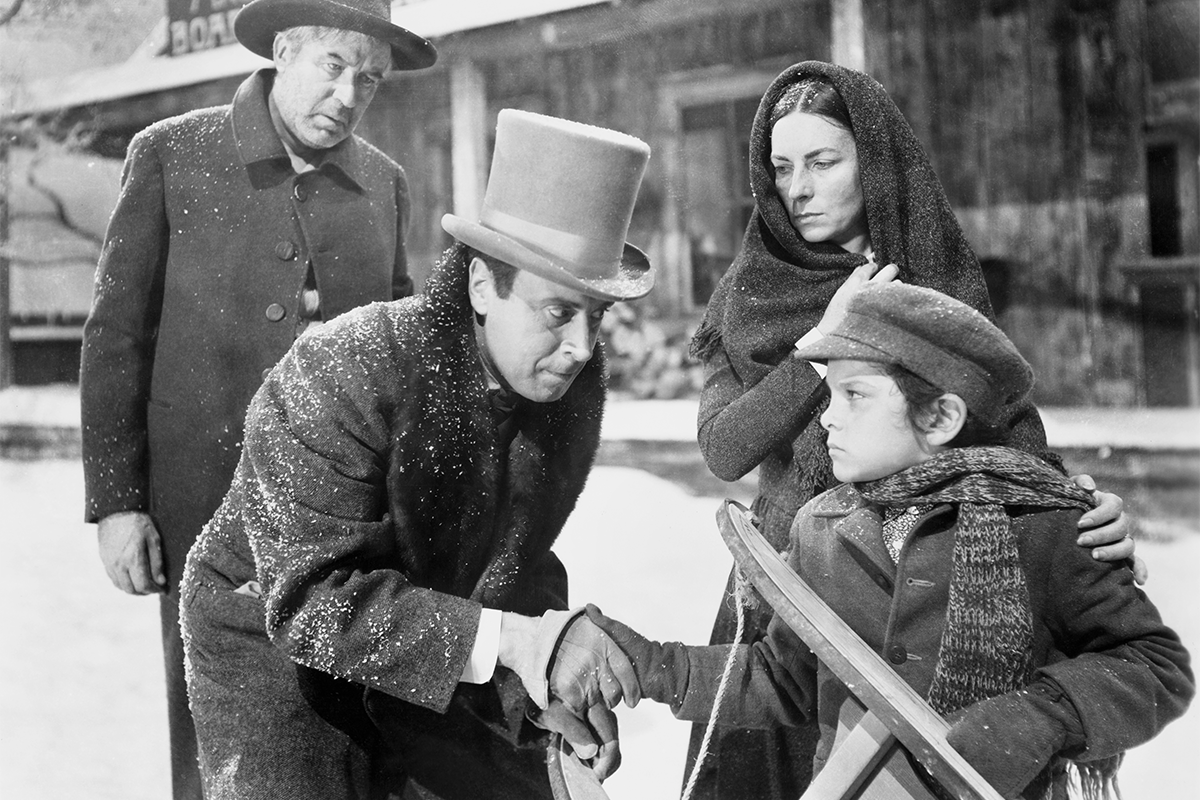
It’s followed on January 2 by other movies employing multiple flashbacks. Some, like Akira Kurosawa’s Rashomon (1950) and Vincente Minnelli’s The Bad and the Beautiful (1952), also use flashbacks from different perspectives. Kurosawa’s film is particularly notable because it features four different versions of the same incident, a rape and murder, as experienced by the rapist, the survivor, her husband and someone who just happened to witness it all. Also on the bill, with multiple flashbacks from a single perspective, are Alan J. Pakula’s Sophie’s Choice (1982) and George Stevens’ Penny Serenade (1941).

With its pervading air of doom, film noir has made particularly evocative use of flashbacks, often telling entire stories in the words of a main character who’s dying or languishing in police custody. TCM features five examples on January 9. As insurance salesman Walter Neff (Fred MacMurray) bleeds out from a bullet wound, he tells his best friend, investigator Barton Keyes (Edward G. Robinson), how his ill-fated plot with a scheming blonde (Barbara Stanwyck) led to his impending death in Billy Wilder’s Double Indemnity (1944). Rudolph Mate’s D.O.A. (1950) takes a similar approach, as poison victim Edmond O’Brien tells the police whodunnit.
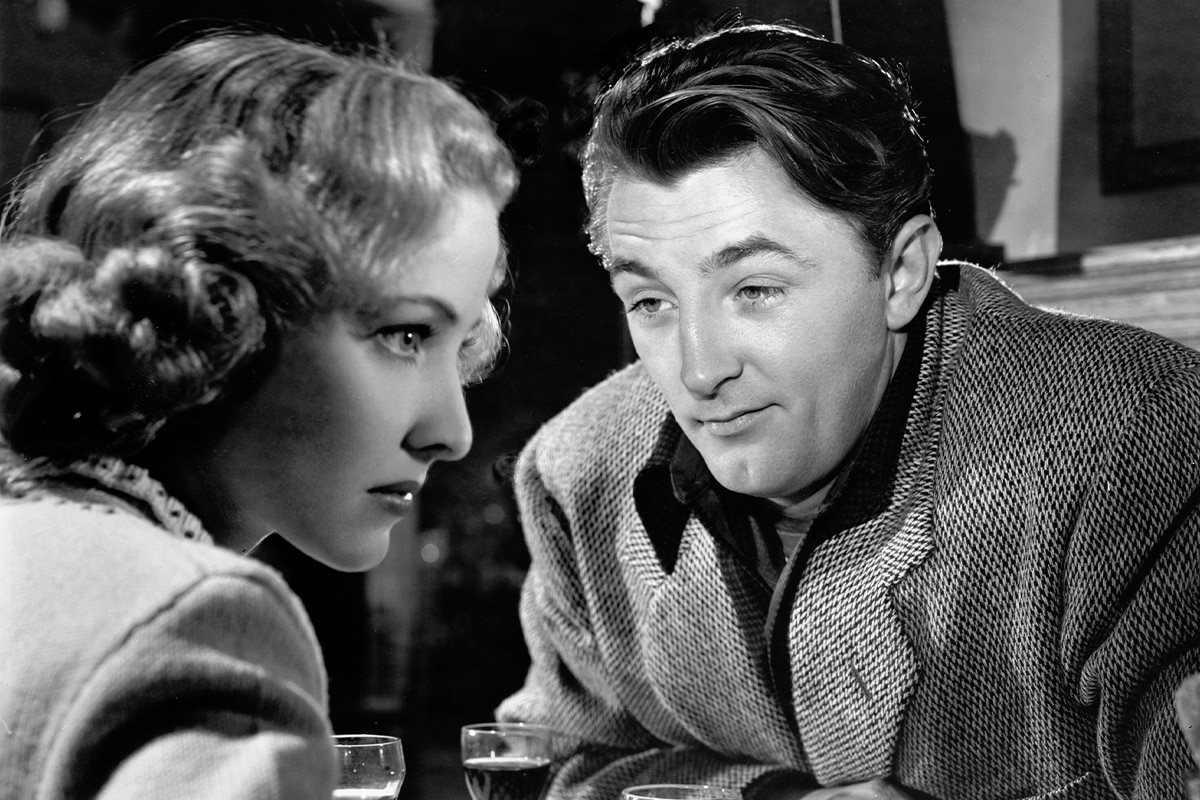
More twisted is John Brahm’s The Locket (1946), in which psychiatrist Brian Aherne warns Gene Raymond about his fiancée’s (Laraine Day) criminal past. During Aherne’s story, he relates conversations with Day’s former husband (Robert Mitchum), triggering a flashback within a flashback. Things get even more twisted when Mitchum’s story leads to a re-enactment of Day’s childhood — a flashback within a flashback within a flashback. Also scheduled are Robert Siodmak’s The Killers (1946), in which insurance investigator Edmond O’Brien tries to find out why someone ordered a hit on ex-boxer Burt Lancaster, and Michael Curtiz’s Mildred Pierce (1945) with Joan Crawford describing the events that led to the murder of her second husband (Zachary Scott).
One popular theme associated with flashbacks is the way childhood shapes an adult. TCM offers a quartet of films on that subject on January 16. Most often, the tone of these memories is nostalgic with a touch of the bittersweet. Returning to his hometown after the death of his mentor, a film projectionist (Philippe Noiret), film director Jacques Perrin remembers the relationship that inspired him to leave home and pursue a career in the arts in Giuseppe Tornatore’s Oscar-winner for Best Foreign Language Film, Cinema Paradiso (1988). In Rob Reiner’s Stand by Me (1986), news of his childhood best friend’s death leads writer Richard Dreyfuss to think back on the summer they hiked through the woods to see a dead body they’d heard about. Wil Wheaton stars as Dreyfuss’ younger self, with River Phoenix as his best friend, Corey Feldman and Jerry O’Connell as the other buddies along for the trip and Kiefer Sutherland as the town bully.
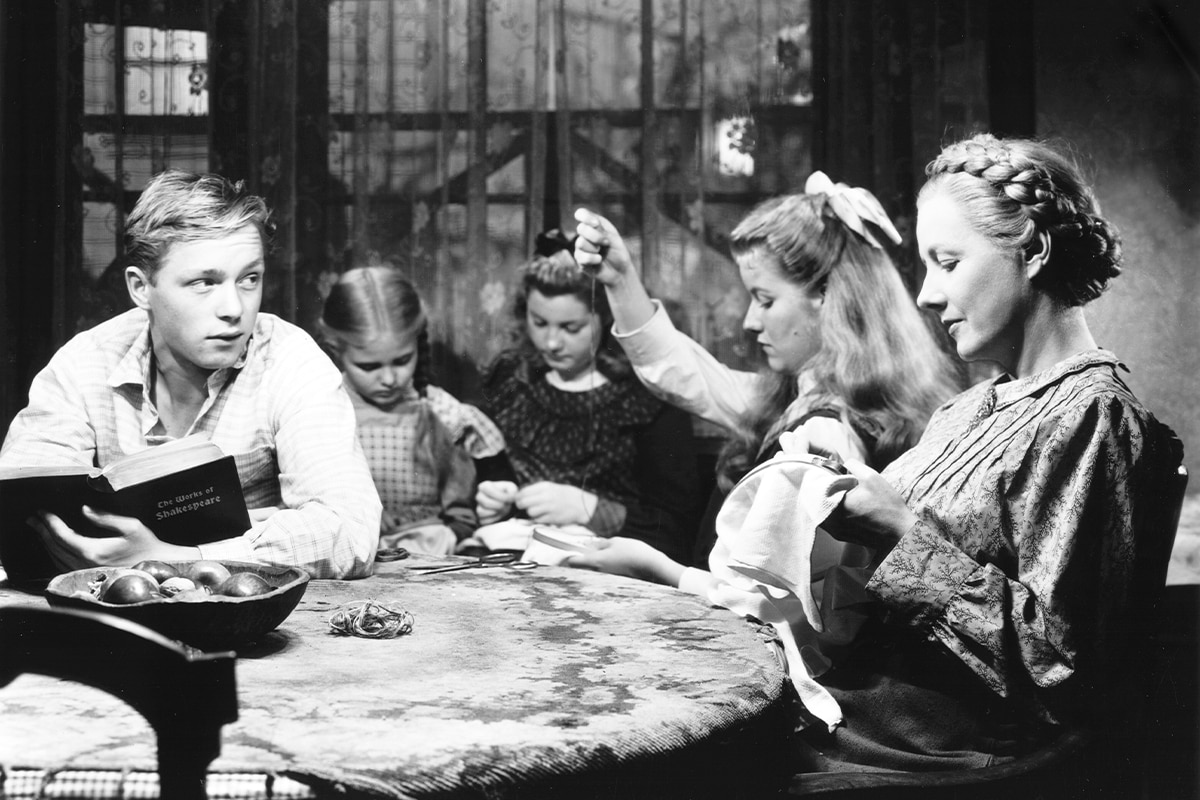
Sometimes, however, childhood memories can be bitter and even traumatic. When his sister (Melinda Dillon) attempts suicide, high-school teacher Nick Nolte meets with her psychiatrist (Barbra Streisand, who also directed) and works through the painful memories that have tormented both Dillon and him in The Prince of Tides (1991). Also featured is George Stevens’ I Remember Mama (1948), in which Barbara Bel Geddes recalls how her immigrant Norwegian mother (Irene Dunne) held the family together through hardships and the little triumphs of everyday life.
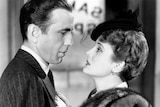
The flashbacks take a romantic turn on January 23, with five films looking back on love affairs, some doomed, some touching and some comic. In one of the screen’s most famous flashbacks, Rick Blaine (Humphrey Bogart) looks back on his past relationship with Ilsa Lund (Ingrid Bergman) just before Paris fell to the Germans in Curtiz’s classic Best Picture winner Casablanca (1943). On the same level of acclaim, David Lean presents Celia Johnson’s memories of a wartime love affair with Trevor Howard after they had a Brief Encounter (1945) in a train station. The film won the Grand Prix at Cannes and brought Johnson the New York Film Critics Award and an Oscar nomination for Best Actress. Joseph L. Mankiewicz viewed romance in a lighter vein with A Letter to Three Wives (1949). As they leave for a charity picnic, three suburban women (Jeanne Crain, Linda Darnell and Ann Sothern) receive a letter from old friend Addie Ross (the voice of Celeste Holm) announcing she’s just run off with one of their husbands. Through the afternoon, each relives the crises in their relationships to husbands Jeffrey Lynn, Paul Douglas and Kirk Douglas, respectively. Rounding out the evening, Oscar-winner Ginger Rogers reflects on the past heartbreaks behind her need to choose between honest doctor James Craig and married society man Dennis Morgan in Sam Wood’s Kitty Foyle (1940). And Van Johnson reminisces about his troubled marriage to free spirit Elizabeth Taylor in Richard Brooks’ The Last Time I Saw Paris (1954), loosely adapted from F. Scott Fitzgerald’s story “Babylon Revisited.”
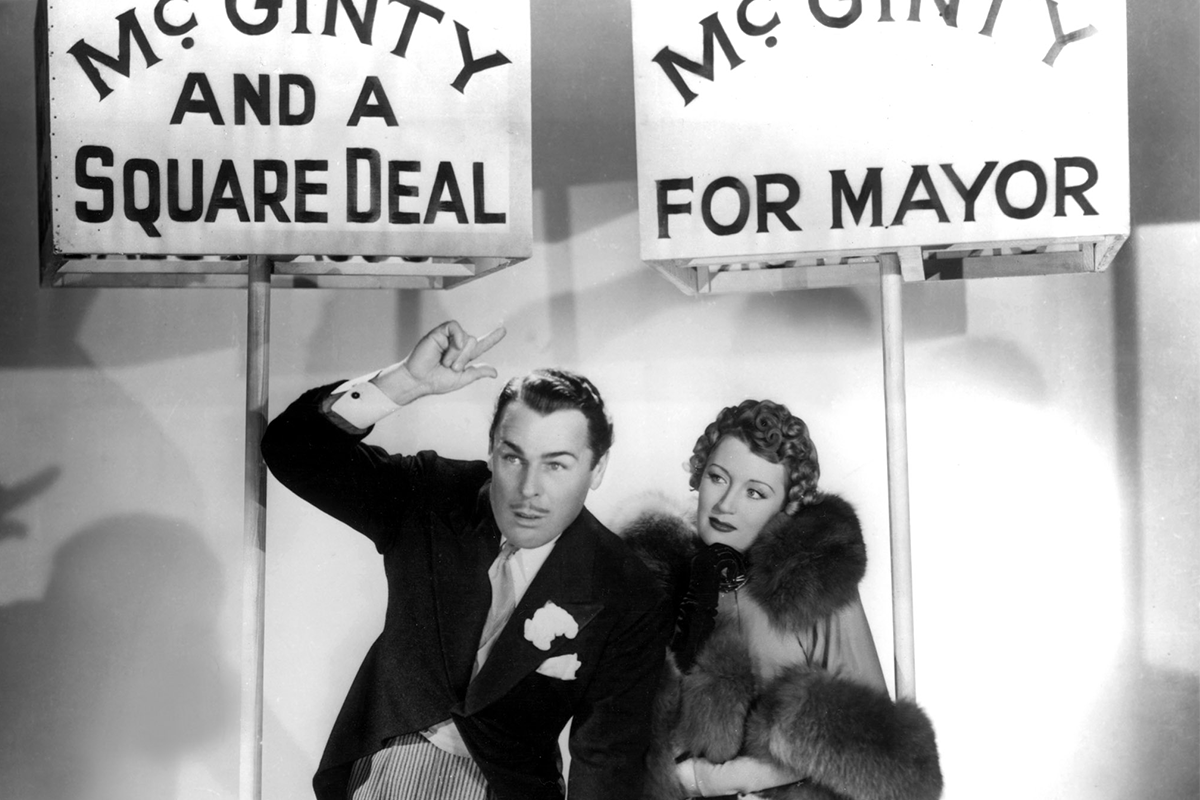
The series concludes on January 30, with flashbacks that start a film’s story, throwing a person’s entire life into perspective by highlighting the differences between their past and present and revealing how the person grew through the years. In one of his most contemplative Westerns, John Ford focuses on The Man Who Shot Liberty Valance (1962), a senator (James Stewart) home for the funeral of the rancher (John Wayne) who befriended and defended him against town bully Liberty Valance (Lee Marvin), setting the stage for Stewart’s rise in political power. Preston Sturges made his directing debut with the more comical and cutting tale of The Great McGinty (1940), in which Brian Donlevy ends up tending a seedy Latin American cantina after rising from hobo to political powerhouse. The script brought Sturges his sole Oscar.
On the sentimental side, Henry Koster’s Good Morning, Miss Dove (1955) traces the sacrifices that made a strict geography teacher (Jennifer Jones) one of the most beloved residents in her small town. Equally touching are Greer Garson’s memories of her marriage to silver tycoon Walter Pidgeon in Tay Garnett’s Mrs. Parkington (1944) and Garson Kanin’s directing debut with A Man to Remember (1938), in which the death of a doctor (Edward Ellis), a seeming failure, leads the small town’s financial leaders to reflect on his life and discover what a truly great man he was.