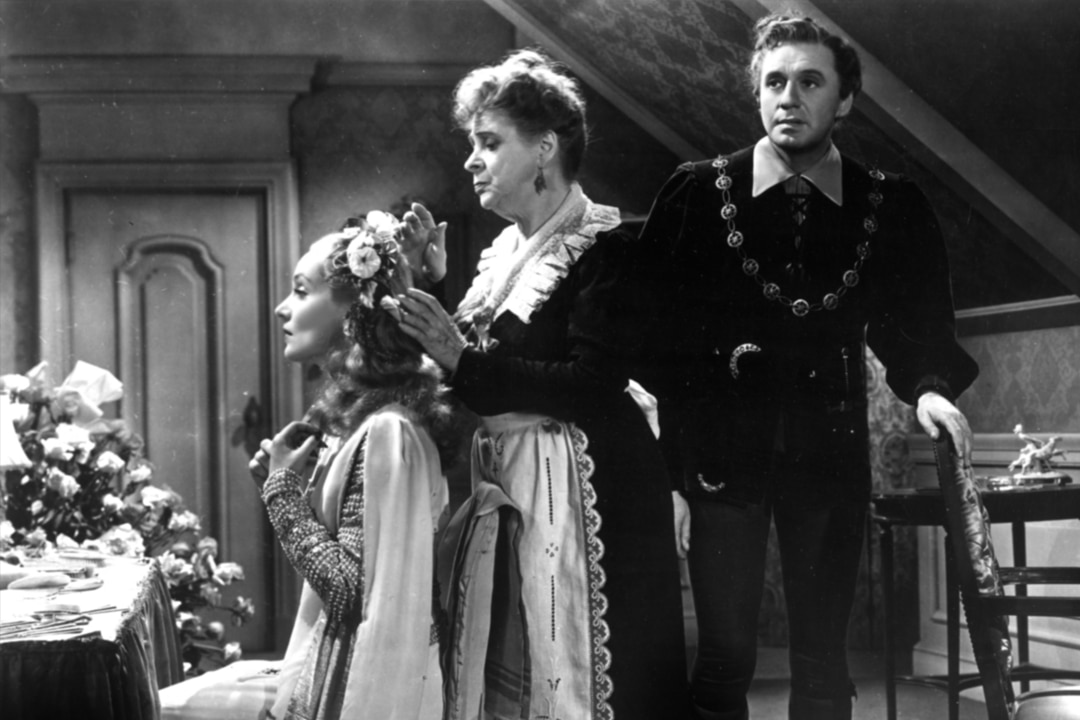
In World War II Poland, the elaborately egotistical theatrical couple Joseph and Maria Tura (Jack Benny and Carole Lombard) head a company that is forced by their occupiers to switch from anti-Nazi propaganda to Shakespeare, allowing Maria to dally backstage with the young pilot Sobinski (Robert Stack) while Joseph hams it up as Hamlet (hence the title). The Turas and their company, using their theatrical skills to create a series of impersonations, including Hitler himself, work with Sobinski to foil the traitorous Professor Siletsky (Stanley Ridges) in his plan to destroy the Warsaw resistance.
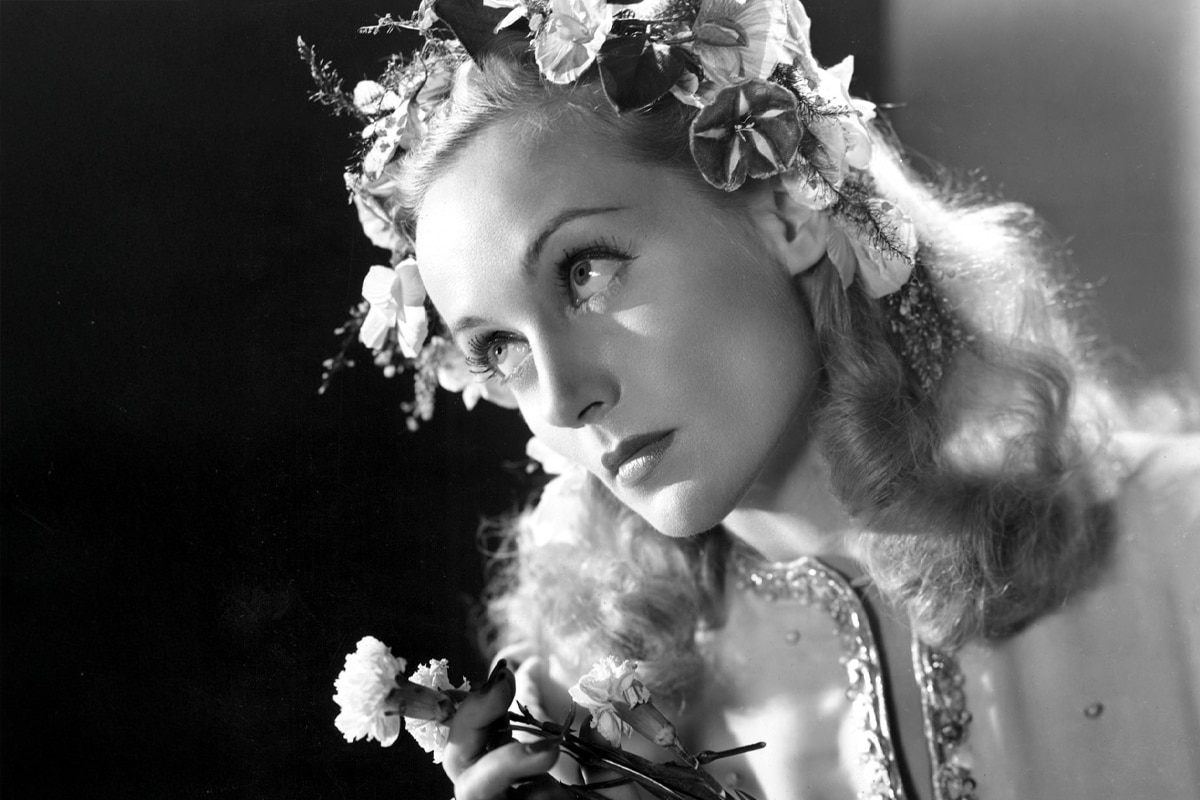
Production on To Be or Not to Be began on November 6, 1941, and would be completed in 42 days. (Carole Lombard would return for some additional work on New Year's Eve, posing for stills shot by Robert Coburn.) The biggest problem early in the shoot was Jack Benny's insecurity about acting the central role in such an important production by a major filmmaker. He seemed dumbfounded that director Ernst Lubitsch had not only cast him but was building the film around him. Finally, Lubitsch set him straight: "You think you are a comedian. You are not even a clown. You are fooling the public for 30 years. You are fooling even yourself. A clown—he is a performer what is doing funny things. A comedian—he is a performer what is saying funny things. But you, Jack, you are an actor, you are an actor playing the part of a comedian and this you are doing very well. But do not worry, I keep your secret to myself."
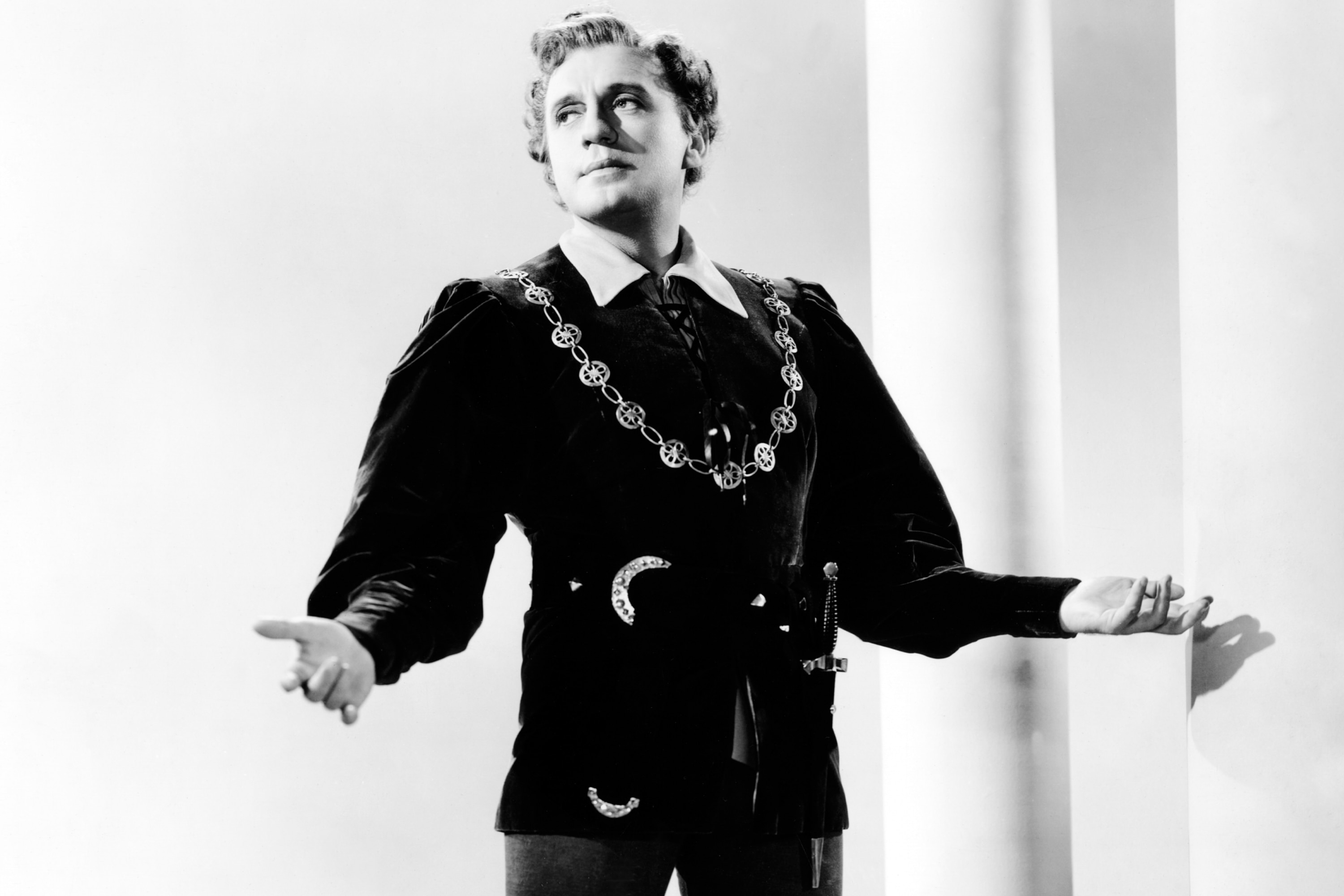
According to Benny's daughter, Joan, he loved his director and "would have done anything for Lubitsch." But even after the encouraging words, he remained nervous about his role. In the words of supporting player Robert Stack, "Jack was an innocent. He'd never done a movie that worked. He'd always ask me, 'Is this funny?' and I'd say, 'Jesus, don't ask me.' 'But you're an actor,' he'd say. Basically he was scared to death." Benny seemed to appreciate having Lubitsch act out his scenes for him, saying later that he was "about the only director who ever really directed me... The trouble was that I knew lots about radio comedy, a little about stage comedy and nothing about movies."
One of Lubitsch's techniques to protect his star was having Benny do multiple takes of many of his crucial scenes. Stack recalled that "Specifically, the scene where Jack comes home and finds me in his bed asleep and does a series of double takes, he made Jack do at least 30 takes." Still, Lubitsch respected Benny's opinion and would redo a scene if Benny himself, after looking at the rushes, thought it could be better.
In addition to its worried star, the film had other difficulties relating to the subject matter itself. Miklos Rozsa, producer Alexander Korda's musical director, refused to score the film because he disapproved of the film's satirical treatment of the Nazi threat. (Werner Heymann took over to create the musical score.) During the shooting of a scene where storm troopers marched in the street, a female visitor to the set, who had just come from Poland and had endured such scenes for real, fell into a faint.
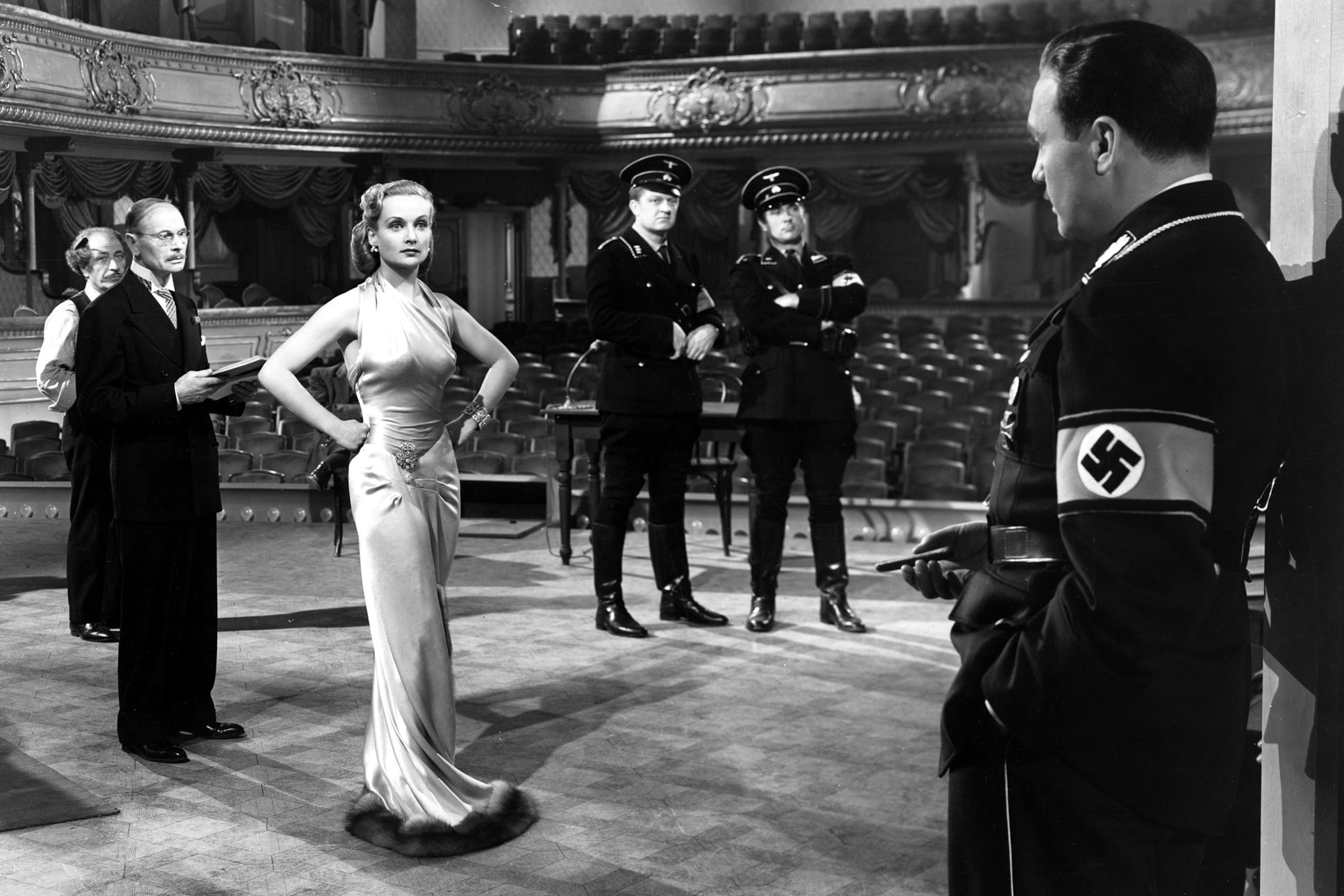
Despite the problems, however, the atmosphere on the set was light and congenial. Candid photographs shot during breaks in filming invariably show everyone in the cast and crew laughing hilariously. Lombard, who told friends that this was the happiest experience of her career, would drive to the set from her ranch in the San Fernando Valley even on her off days, just to watch Lubitsch work with the other actors. Although Lubitsch treated his script with total respect, he often found moments of inspiration on the spot. One example: In the scene at the end where the Nazi Col. Ehrhardt (Sig Ruman) goes behind a closed door to commit suicide, the script indicates only that a shot rings out. But Lubitsch added a topper where Ehrhardt—who has established a habit of screaming out for his assistant's help at every turn—is then heard once again yelling for "Schultz"!
In early January 1942, as Lubitsch was editing the film, United Artists informed him that To Be or Not to Be, with its Shakespearean reference, seemed "too highbrow" a title and that thought should be given to changing it. Impishly, because he had anticipated censorship problems with the script, Lubitsch suggested The Censor Forbids as an alternate title. Suspiciously, both Lombard and Benny fired off almost identical cables describing the new title as "suggestive" and allowing that, as participants and investors in the film, they objected strongly to the change. Benny even said he would refuse to promote the movie on his radio show if such a title were used. Lubitsch then informed UA that, in view of these objections, he had no choice but to withdraw the alternate title. UA, clearly overmatched, said no more about it.
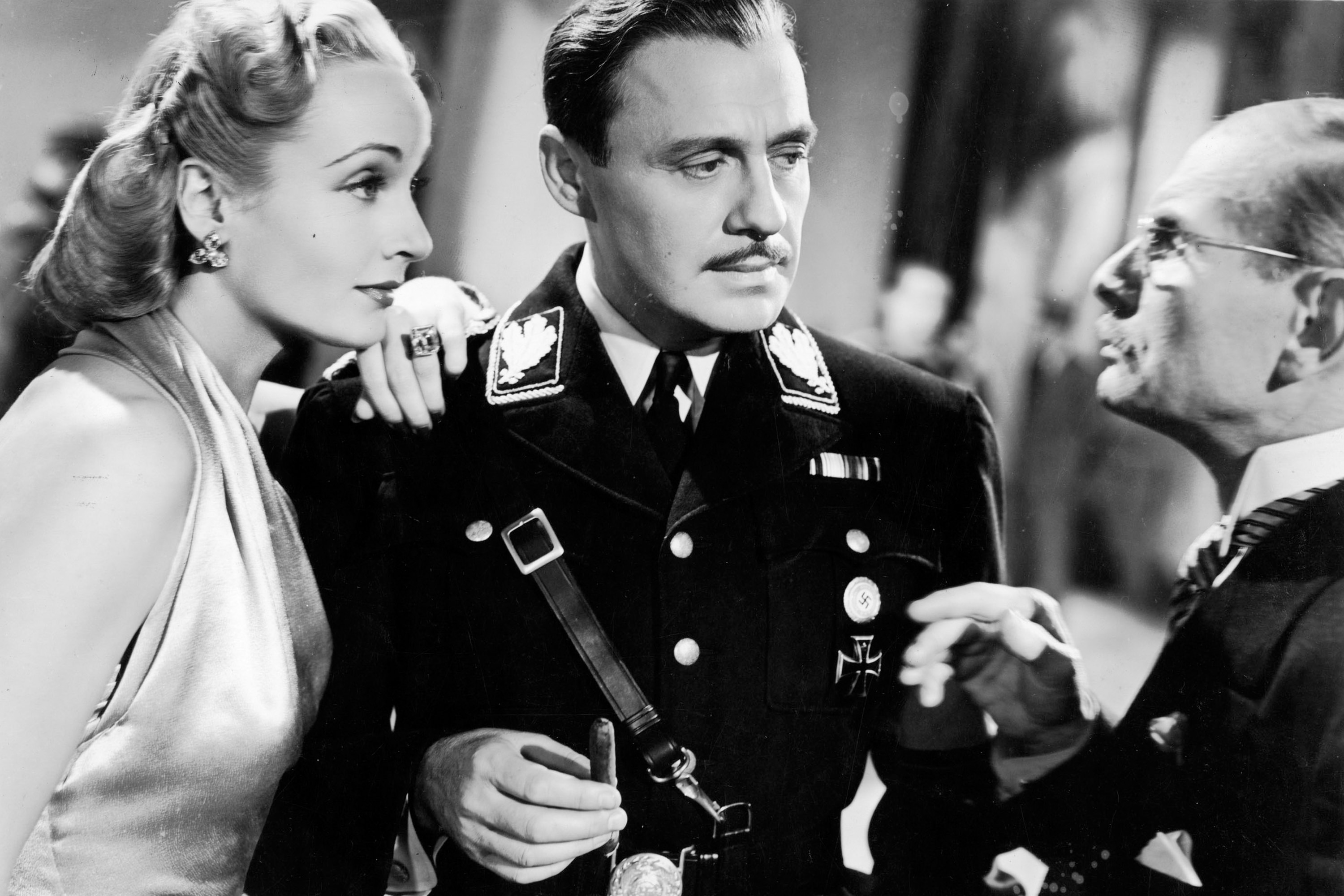
On January 16, the world was shocked to hear that Carole Lombard had been killed in an airplane crash. She had been in her home state of Indiana for a war bond tour and had raised more than $2 million in defense bonds. Lombard was due for an appearance on Jack Benny's radio program in Los Angeles, and she and her mother boarded a Transcontinental and Western Air Douglas aircraft that crashed into a peak of Potosi Mountain near Las Vegas. Everyone aboard was killed instantly. Lombard was mourned internationally and hailed in the U.S. as a heroine who died serving her country. Her husband Clark Gable was devastated by her death and, according to some, never fully recovered from it. The tragedy prompted some slight re-editing of To Be or Not to Be, including the deletion of Lombard's line, "What can happen in a plane?" The reworking required additions to the budget, which finally came to $1,022,000.
The movie opened on March 6, 1942; by this time, of course, World War II was in full swing and its outcome not at all certain. The tragedy of the star's death, along with the film's subject matter, put a damper on the public's desire to see To Be or Not to Be. Negative reviews from critics offended by its satirical treatment of Nazis also hurt the movie, and box-office receipts were poor. Robert Stack considered the entire situation to be "tragic... The press just did a terrible number on Lubitsch, and the arrogance he supposedly had in making fun of the Polish situation. But he was a Jew from the Old Country himself! It was the best satire and put-down of Nazism that's ever been done, but they weren't hip enough to pick up on what he was doing."
Audience members who were "hip enough" loved the film, and Lubitsch himself always held it in high regard as one of his best pieces of work. In a letter to a reviewer for the “Philadelphia Enquirer” who had panned the movie, he wrote, "What I have satirized in this picture are the Nazis and their ridiculous ideology. I have also satirized the attitude of actors who always remain actors regardless how dangerous the situation might be, which I believe is a true observation. It can be argued if the tragedy of Poland realistically portrayed in To Be or Not to Be can be merged with satire. I believe it can be and so do the audience, which I observed during a screening of To Be or Not to Be; but this is a matter of debate and everyone is entitled to his point of view..."
Producer/Director: Ernst Lubitsch
Screenplay: Edwin Justus Mayer from original story by Ernst Lubitsch
(uncredited) and Melchior Lengyel
Cinematography: Rudolph Maté
Editing: Dorothy Spencer
Production Design: Vincent Korda
Music Composer: Werner R. Heymann
Costume Design: Irene
Cast: Carole Lombard (Maria Tura), Jack Benny (Joseph Tura), Robert Stack (Lt. Stanislav Sobinski), Felix Bressart (Greenberg), Lionel Atwill (Rawitch), Stanley Ridges (Professor Siletsky), Sig Ruman (Col. Ehrhardt), Tom Dugan (Bronski), Charles Halton (Producer Dobosh), George Lynn (Actor-Adjutant), Henry Victor (Capt. Schultz)