Mondays in September | 26 Movies
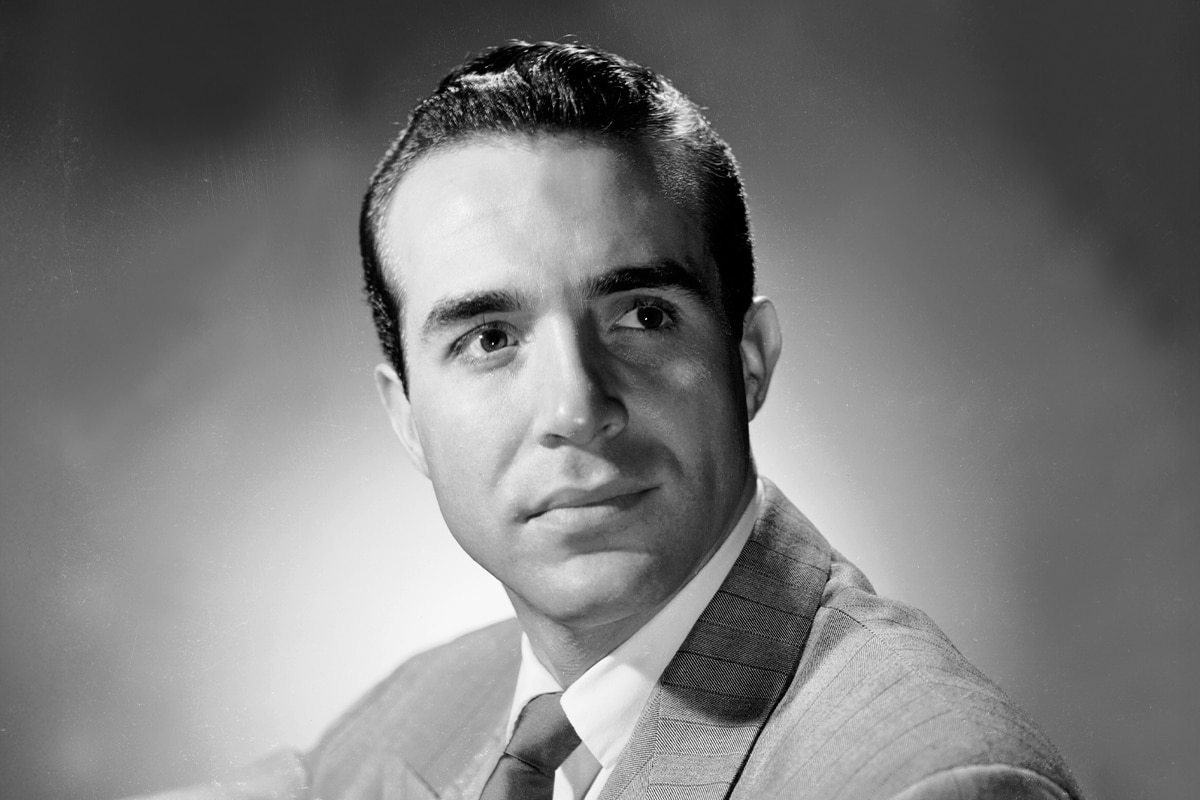
This September, TCM honors actor Ricardo Montalban as its Star of the Month, with special commemoration given to National Hispanic Heritage Month, which begins September 15. Montalban is perhaps best known for his role as Mr. Roarke on the beloved 1970s-1980s TV series “Fantasy Island,” where visitors on a tropical island would have their wildest dreams realized. A modern genie in a fresh white suit, Montalban exuded charm and mystery in equal parts. For those who grew up in the 1970s, he was a visual icon as strong as Wonder Woman or the Dukes of Hazzard. But what many don’t realize is that he had a long-spanning career in feature films, and he took on such wide-ranging roles as the charismatic Casanova in MGM musicals to the most beloved bad guy in the Star Trek universe. He was also the seductive spokesman for Chrysler, praising the “soft, Corinthian leather” of the Cordoba.
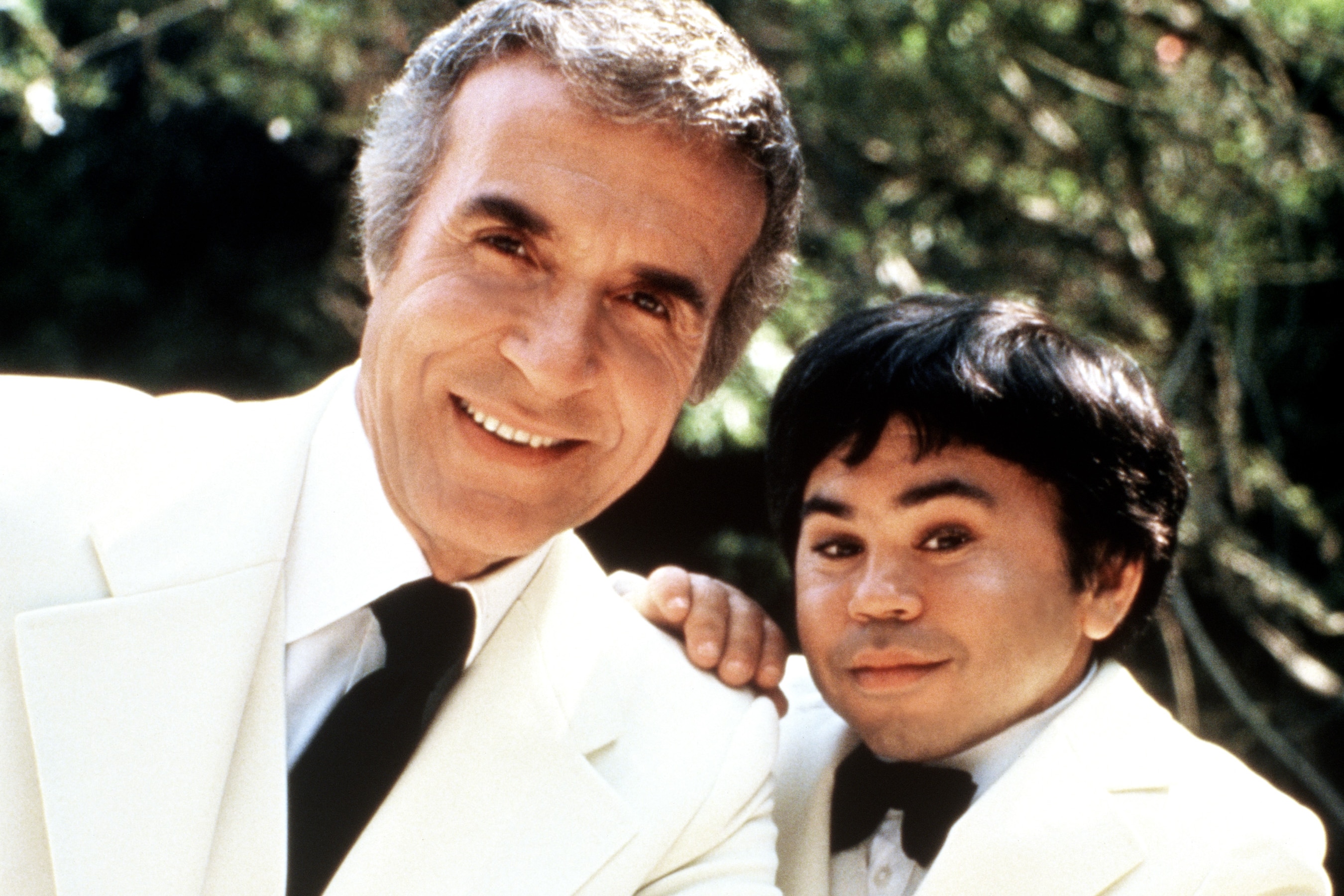
Ricardo Montalban was born in Mexico City, Mexico, in 1920 to Castilian parents who immigrated from Spain. He was the youngest of four children. Montalban ventured to Los Angeles to join his brother Carlos, also an actor, after graduating high school in Mexico. While studying English at Fairfax High School, he was spotted by an MGM talent scout during a play and offered a screen test; he turned it down and went with his brother to New York, where he began appearing in plays and short films. But when his mother fell ill, he returned to Mexico, and it was there that he was first christened as a movie star.
He appeared in such Spanish-language films as Santa (1943) and The Hour of Truth (1945), both by Hollywood director Norman Foster. Montalban had Foster to thank not just for his big break as an actor but also for the introduction to the love of his life. Montalban became enamored with model and actress Georgiana Young when he saw her in the film The Story of Alexander Graham Bell (1939), which she starred in with her half-sisters Loretta Young and Sally Blane. Blane was Norman Foster’s wife, and he told them about Montalban’s crush. He had once spotted Georgiana in a church but couldn’t work up the nerve to talk to her. Foster and Blane made sure Montalban and Young ran into each other at a friend’s house, and Montalban finally worked up the courage to ask her out. They connected over their first date, and by the end of it, he was convinced they should wed. They were married for 63 years and had four children.
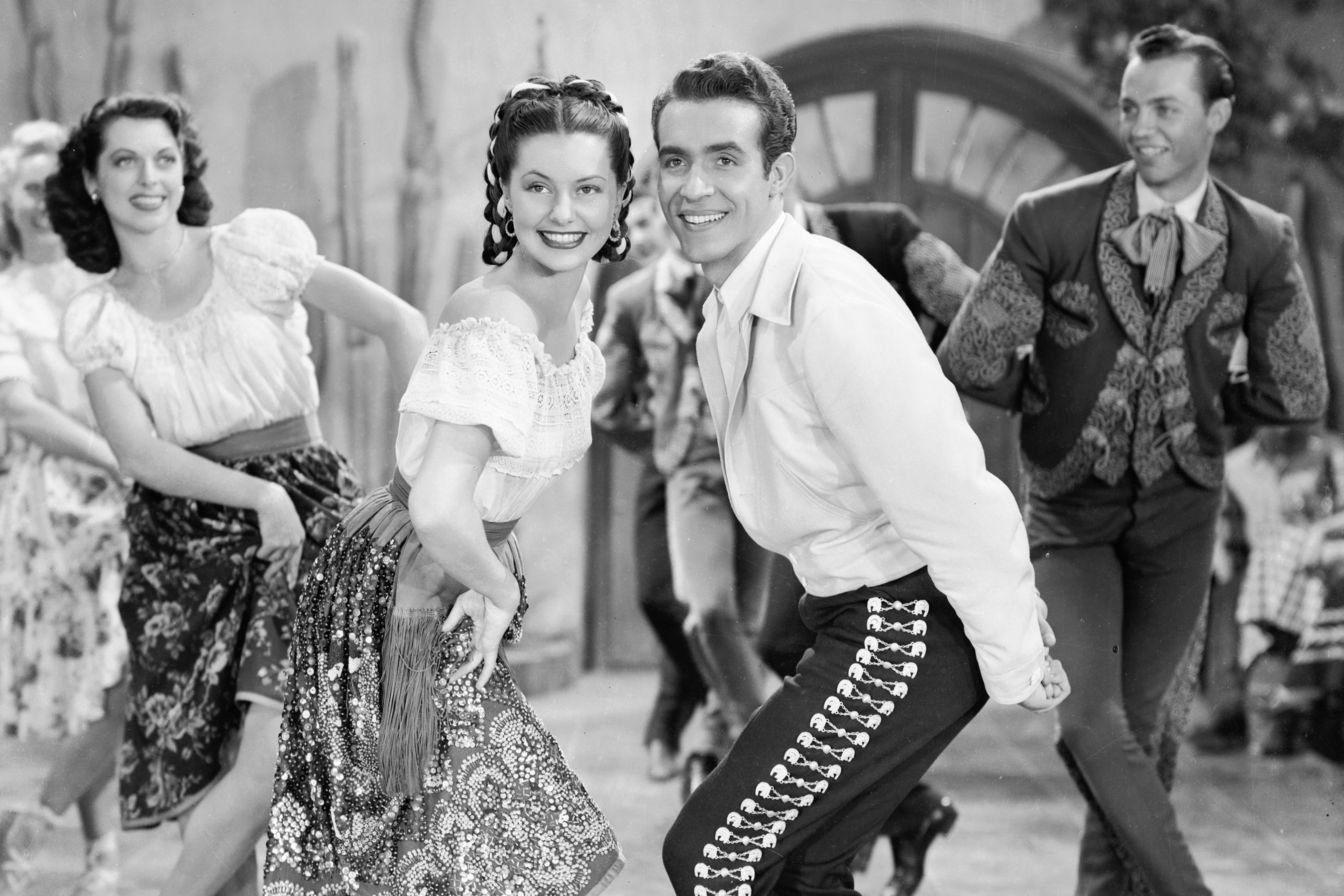
Career-wise, it was perhaps The Hour of Truth, a film about bullfighting, which set him up to be rediscovered by MGM. The studio was producing a film called Fiesta (1947), which was to be shot in Mexico, and they needed an actor to play a matador alongside Esther Williams and Cyd Charisse. With Montalban’s first leading role, he played Mario Morales, son of a bullfighter expected to step into his father’s shoes, only for his sister, played by Williams, to disguise herself as the matador. The movie was a success, and MGM signed Montalban to a seven-year contract. Though he didn’t grow up singing or dancing, he learned quickly. Montalban was teamed up once more with Williams and Charisse in the 1948 romantic comedy On an Island with You, where he danced his way out of romantic entanglements set in Hawaii. He found himself paired again with Williams in the 1949 musical Neptune’s Daughter, which debuted the now-iconic tune “Baby, It’s Cold Outside” sung by Williams and Montalban. It won the Academy Award that year for Best Song.
In his early days in Hollywood, Montalban was often typecast as the Latin Lover. He broke out of that stereotype by playing the lead in Anthony Mann’s film noir Border Incident (1949). Montalban is Pablo Rodriguez, a Mexican border agent who must go undercover to monitor the smuggling of migrant Mexican workers across the California border. In an interview with TCM, Montalban referenced this as one of the few roles where he actually played a more complex Mexican character as opposed to the Latin Lover. It was a polarity he often encountered in his film roles.
In John Sturges’ Mystery Street (1950), Montalban plays Lieutenant Peter Morales, who investigates the case of a murdered girl, her married lover and her nosy landlady, set against the backdrop of Boston and Cape Cod. Montalban shines as the lead in this low-budget film, which was well received; it allowed him to go beyond his usual romantic roles for MGM musicals. Montalban again reunited with director Sturges in Right Cross (1950), a gritty boxing drama. Montalban plays the lead role of Johnny Monterez, a boxer at the height of his career. When his prowess is threatened by an injury, he must decide between furthering his career by betraying his most loyal supporters or giving it all up in the name of love. In a case of life imitating art, Johnny’s Mexican heritage also becomes a point of tension, something that the actor himself had to deal with throughout his acting career.
Life magazine put Montalban on their cover issue on November 21, 1949, making him the first Hispanic actor ever featured. Although he considered it an honor, it did not necessarily pay off in terms of increased offerings of roles—he still had to hustle. In 1951, Montalban took on leading roles in Westerns. Argentinian director Hugo Fregonese’s Mark of the Renegade cast Montalban as a swashbuckling rebel in 1820s Mexican-ruled Los Angeles, where he navigates romantic interests and political intrigues alike. He was also reunited with Cyd Charisse. Universal International Pictures borrowed Montalban from MGM for this picture.
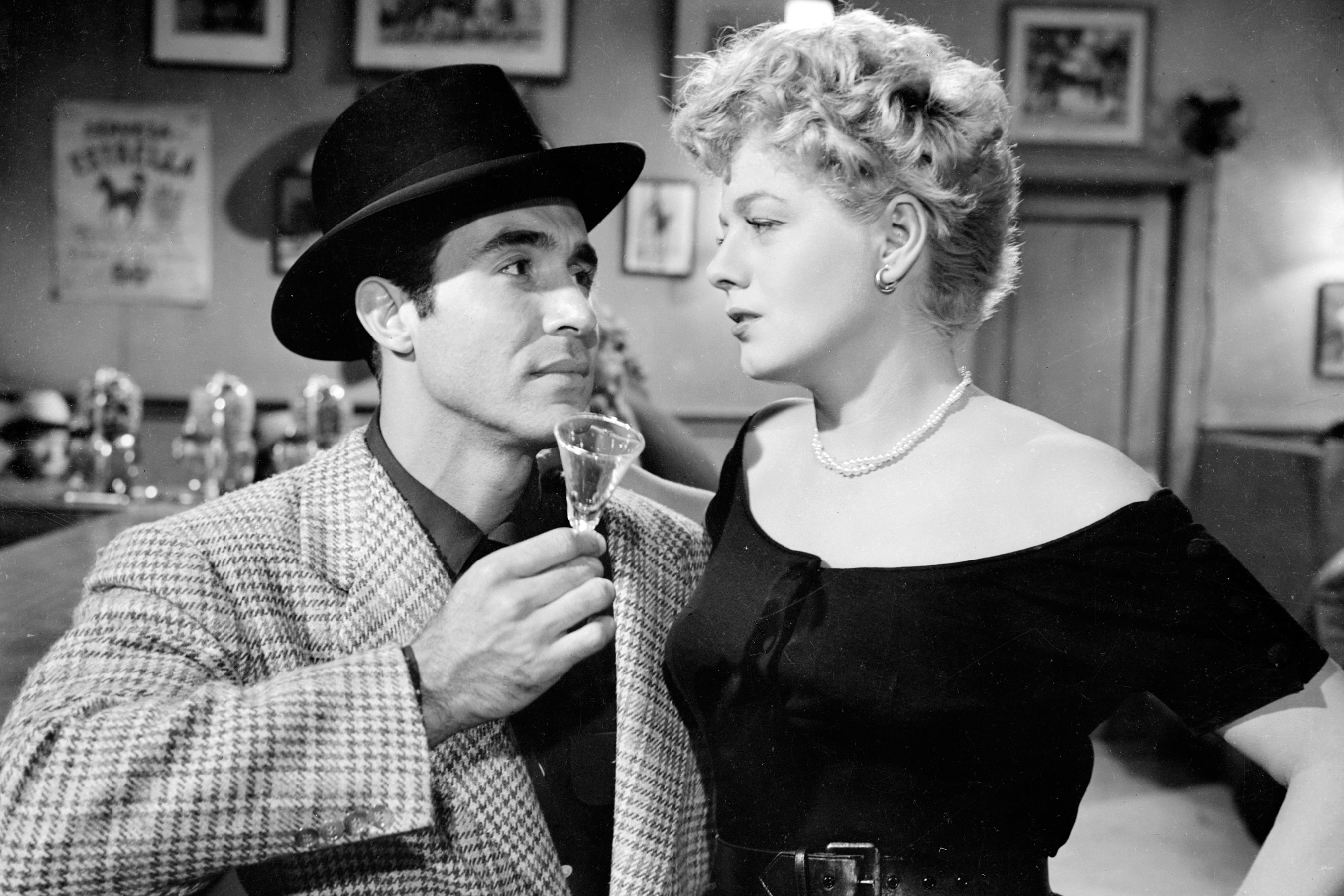
William Wellman’s My Man and I (1952), co-starring Shelley Winters, portrays the plight of Mexican immigrant farm workers, with Montalban as Chu Chu Ramirez, whose devotion to love and country is put on trial when he is framed for a shooting by his boss and his boss’s wife (who’s romantic overtures he rejected). He remains a man of truth and dignity through it all, giving the character a formidable integrity which made him a working-class immigrant hero.
In 1953, Montalban returned as the Latin Lover in a film aptly titled Latin Lovers. Another musical from MGM, it is the story of a wealthy woman, played by Lana Turner, who must discern whether she’s being pursued for love or money. Turner’s real-life beau Fernando Lamas, whom she had starred with in The Merry Widow (1952), had been set for the role of Roberto Santos, but after a bitter breakup, Montalban stepped into the part. Montalban then starred in yet another MGM musical as a Latin Lover, but a big difference with this production was that it took place in Mexico and featured a Latino cast (vs. Montalban being the token). Adapted from Josefina Niggli’s short story collection “Mexican Village,” Sombrero (1953) features the romantic pursuits of three young Mexican men. Montalban is a cheesemaker in love with a woman (Pier Angeli) from a rival village. Sombrero and Latin Lovers were Montalban’s last films with MGM. He reflected, “That studio spoiled me for eight years. They didn’t renew my contract, and I felt completely alone and afraid.” But it was his time to be a free agent. He went on to say, “Television destroyed a way of life in Hollywood, and at first I resented it... And yet it’s to television that I owe my freedom from the bondage of the Latin Lover roles. Television came along and gave me parts to chew on. It gave me wings as an actor.”
Throughout his career, Montalban played characters far from his Hispanic roots, which led to many of his most notable performances, though they were not without controversy. He starred in William Wellman’s Across the Wide Missouri (1951) as Ironshirt, a Blackfoot warrior chief. Even though Montalban had a visual ethnic ambiguity, his casting would still be considered “redface” since he was Latino and not Indigenous American. MGM could have pursued an Indigenous American actor like Jay Silverheels, who had played opposite Humphrey Bogart in Key Largo (1948), but in the end they selected one of their own contracted actors. Though he plays a foil to Clark Gable’s fur trader protagonist, Montalban’s acting versatility is on full display in this movie. It was during this film that Montalban suffered a devastating fall from his horse, giving him a spinal injury that would plague him for the rest of his life. But in this, as with all things, he soldiered through.
In director Joshua Logan’s 1957 Japanese war drama Sayonara, also starring Marlon Brando, Montalban plays Kabuki actor Nakamura, the confidant of a jilted American woman whose fiancé leaves her for a Japanese actress. Interracial romance is examined with an unflinching lens. Yet it’s ironic that a movie that hoped to interrogate race cast a Latino actor for a traditionally Japanese role. In fact, his selection came down to Marlon Brando, who claimed in his autobiography that he had searched the Japanese theater circuit for an actor who could dance, speak English and look romantic to an American girl, but he came up empty-handed so he persuaded Montalban to play the part.
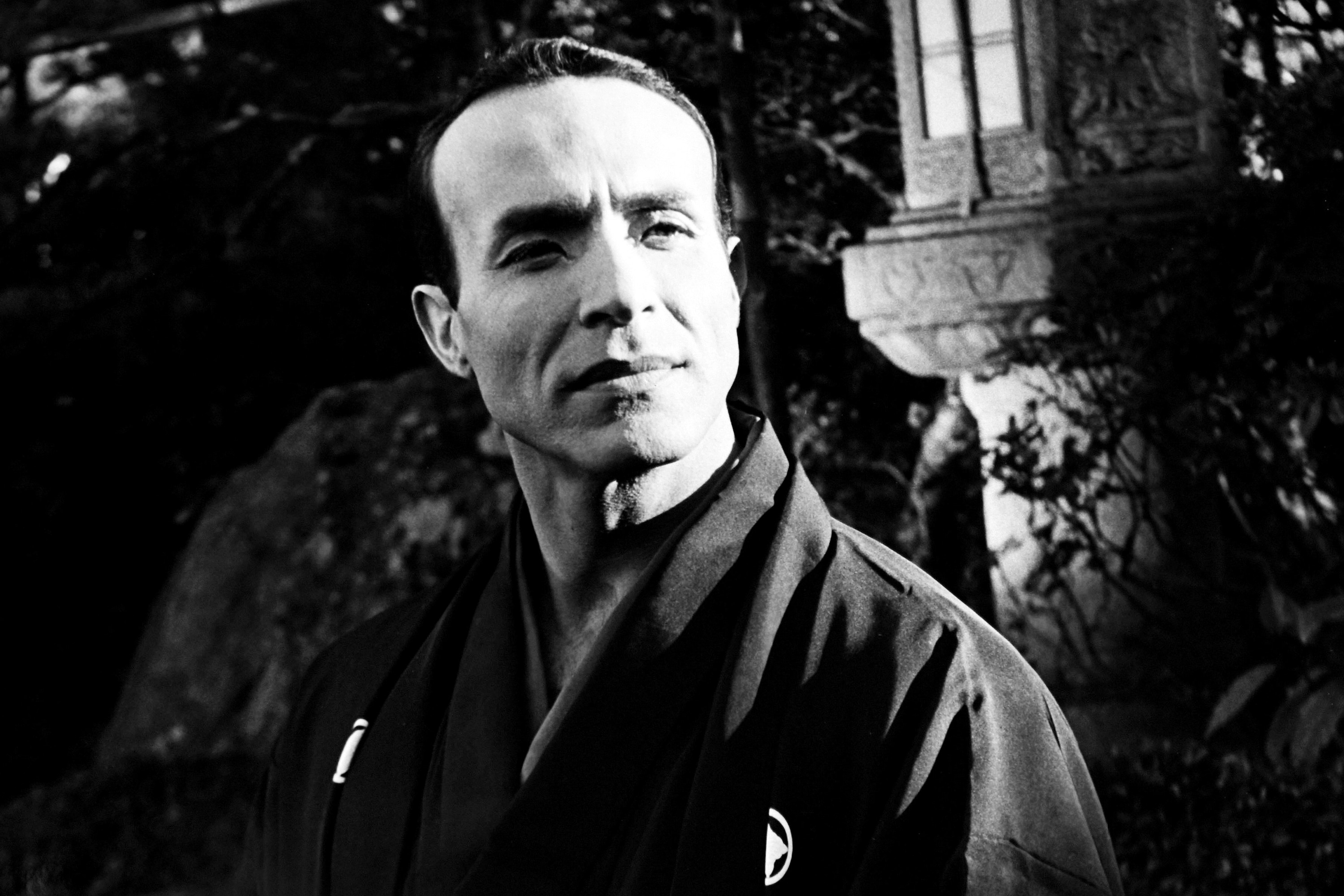
Montalban practiced for months in Kabuki and modeled his character on Japanese actor and teacher Seki Sano, whom he had trained under. Unfortunately, many of the scenes that would have made him Oscar-worthy as a supporting actor ended up on the cutting room floor. This was a great disappointment to Montalban, who found the character to be quite challenging. However, he refused to allow any bitterness to affect him; he was always the consummate professional. In fact, Montalban would go on to win an Emmy for his role as Sioux Chief Satangkai in the TV series “How the West Was Won” (ABC, 1976-1979).
Montalban said, “Because we should always respect other nationalities, I have always tried to play them with dignity.” He never devolved to caricature. He also rarely turned down a role. His playing characters that weren’t of his Hispanic heritage was less poor discretion on his part and more the symptom of a studio system that always chose star power over authenticity. Montalban’s craft was so honed that he could be a chameleon, despite attempts to pigeonhole him. The variety of his roles is a testament to his talent but also an indication of the constraints that prevented him from becoming a true A-lister in the studio system.
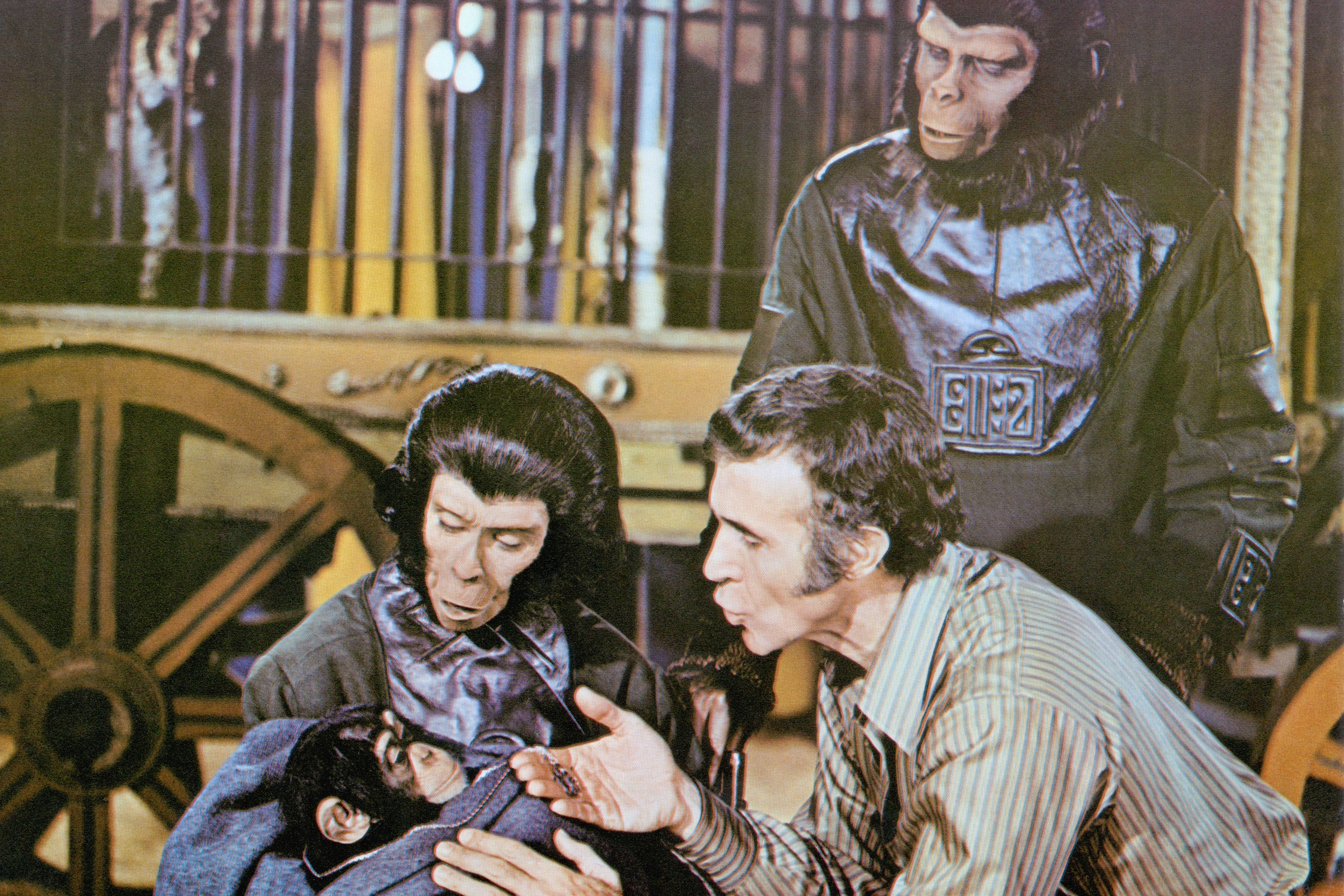
Montalban moved into the science fiction genre in the 1960s and 1970s. In Escape from the Planet of the Apes (1971), the third installment of the Planet of the Apes series, Montalban is Armando, a circus owner sympathetic to the plight of runaway apes. Armando hides the apes and their child, who eventually goes on to lead the apes’ rebellion against humans. Montalban also reprised the role in the sequel, Conquest of the Planet of the Apes (1972). Both films were huge box-office hits, and Montalban seemed pleasantly surprised by their success.
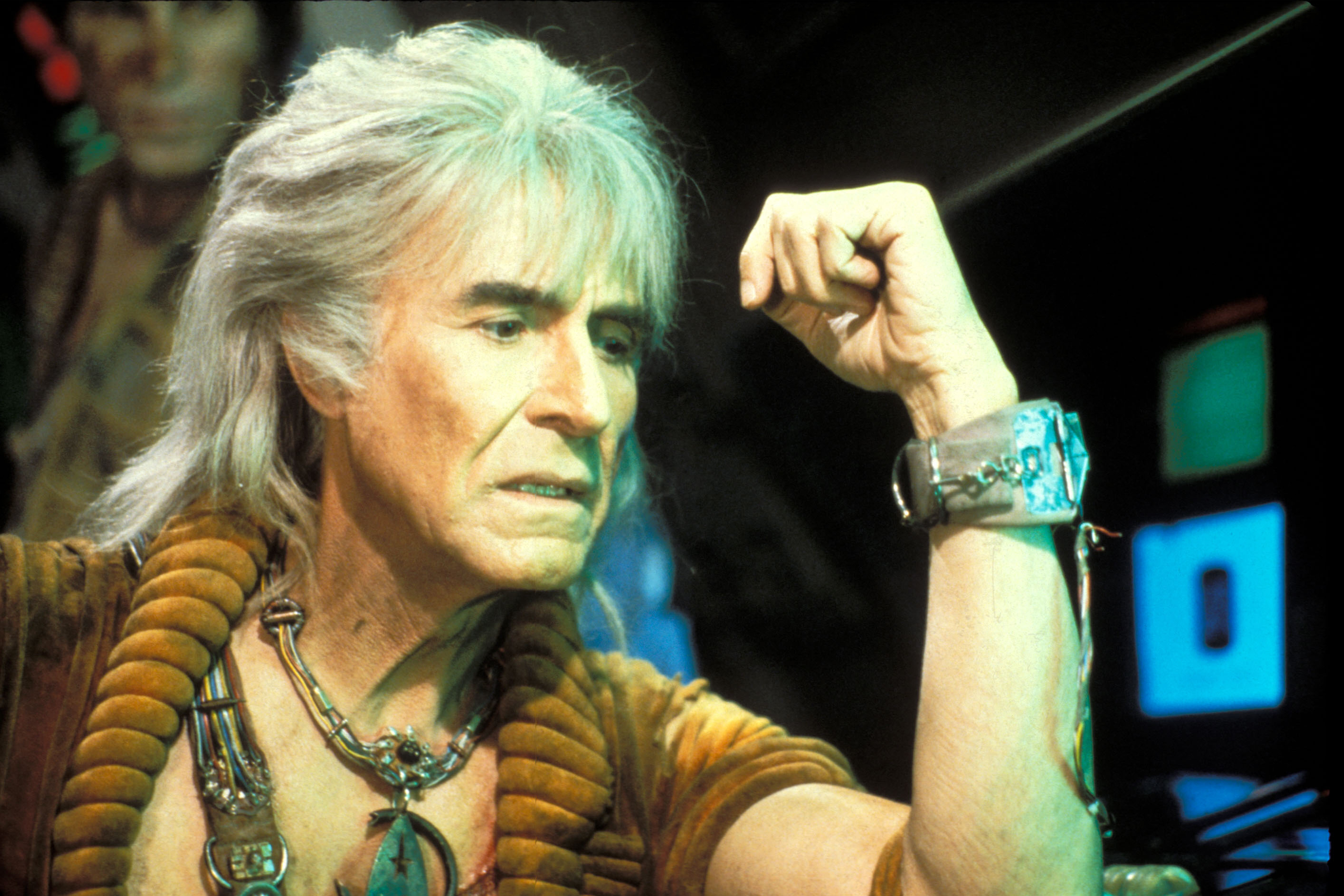
In 1967, Montalban starred as Khan Noonien Singh, Captain Kirk’s foe in the “Space Seed” episode of “Star Trek.” His powerful performance as a villain inspired the team to bring him back for the 1982 Star Trek movie that was named after his character: Star Trek II: The Wrath of Khan. Even as an otherworldly being, Montalban’s on-screen magnetism was undeniable, and it has been considered one of the best performances of his career. One of Montalban’s few regrets over the role was not performing with William Shatner (Admiral Kirk) directly. Scenes where they interacted were filmed completely independently. Khan remains a fan favorite to this day and is often cited as Star Trek’s greatest villain.
In 1993, the Screen Actors Guild gave Montalban a well-deserved and long-overdue Life Achievement Award. Always wanting to support up-and-coming actors, Montalban founded the Nosotros Foundation, an organization that advocated for the representation and craft of Latino actors and recognized achievement by Latino actors in Hollywood. Whatever role Montalban took on, no matter how small or out of his comfort zone, he approached it with passion. He famously said, “Ask not what the role can do for you; ask what you can do for the role.” His spirit of reinvention inspires all to go where the opportunity arises and where curiosity takes you as an artist.
He lived life with vivir la vida and wisely mused in his autobiography “Reflections,” “Very few in this world have been able to get the best out of life. There are too many distractions, too many obligations that deter us, and often we are lazy. You never quite achieve the potential for which you were created. Nevertheless, if your intent is to do the best you can, to live fully, to be selfless and loving, then your existence on this planet is not wasted.” With his incredible oeuvre, he always gave the audience the very best of himself.