Fridays in September | 20 Movies
To quote the Pythons, and now for something completely different. On September 4, TCM debuts Films on Film, an immersive franchise hosted by Ben Mankiewicz that will highlight the history, craft and preservation of cinema. From spotlighting an underappreciated character actor to celebrating the scores of a master composer to a consideration of representation, each Films on Film programming block will launch with a documentary on the night’s theme, followed by curated representative films.
Films on Film kicks off with an appreciation of the inimitable Charles Grodin. There is a breed of character actor whose face is familiar even if the name isn’t. Grodin is not one of those actors. There is only one Charles Grodin; his deadpan and dry wit loom large in his legend. His talk show appearances, particularly with the King of Late Night, Johnny Carson, where he did not suffer show business puffery gladly, were appointment television. The evening begins with James Freedman’s Charles Grodin: Rebel with a Cause (2025), which belies the labels “underrated” and “underappreciated” that are often attached to Grodin’s name. That is certainly not the case with the actors privileged to work with him. Robert De Niro, his Midnight Run (1988) costar, called him “a very special actor.” Martin Short considers him “the funniest, the hippest and the bravest.” Adds Steve Martin, “None of us could do what he did.” Less known was his tireless activism on behalf of the wrongly incarcerated.
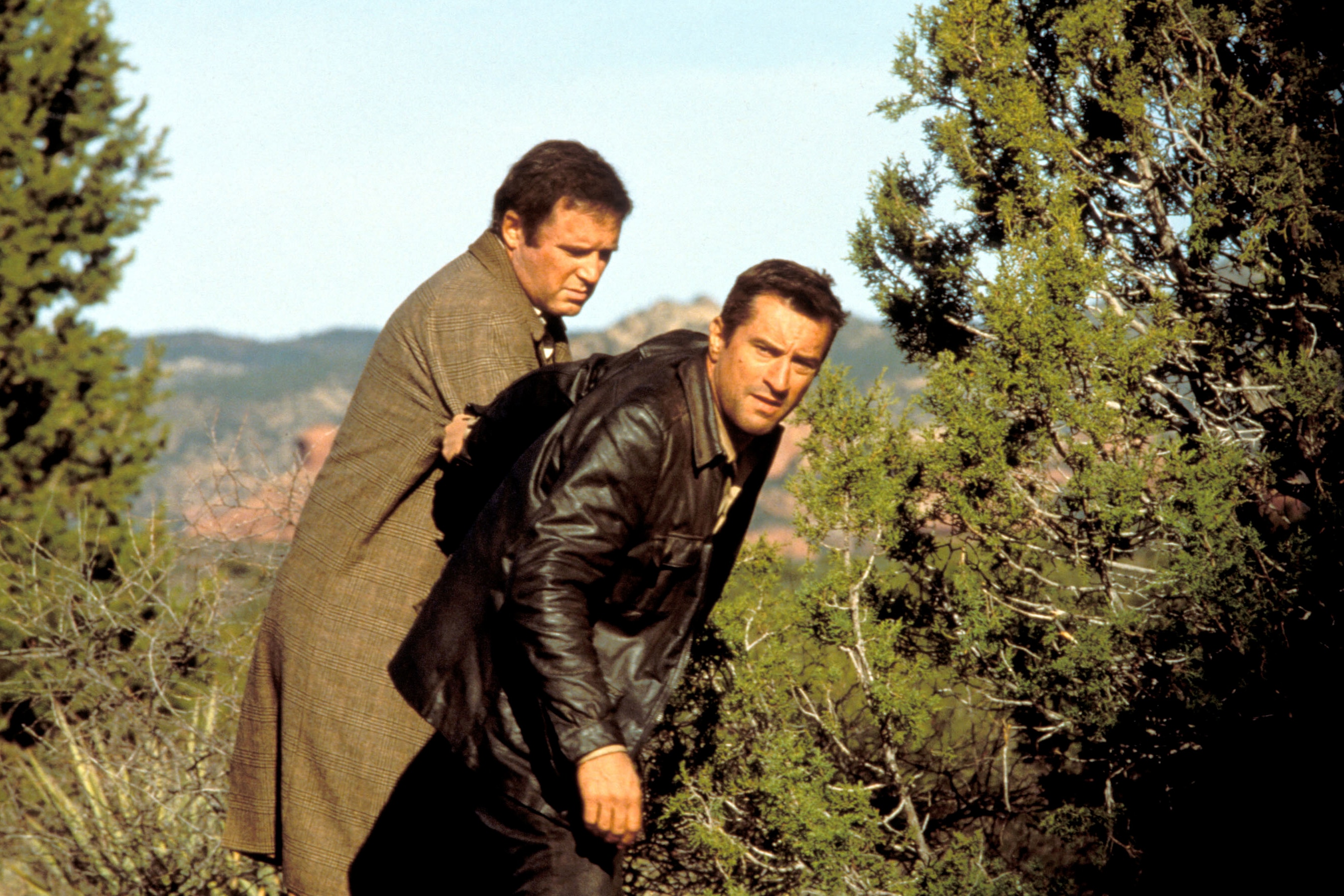
Rebel with a Cause takes full measure of a prickly personality who Richard Kind lovingly refers to as “the most caring, loving narcissist.” The documentary is followed by five Grodin films, starting with Martin Brest’s Midnight Run, featuring one of Grodin’s finest performances as an embezzling mob accountant, who cop-turned-bounty-hunter De Niro must deliver cross-country by midnight while evading a rival bounty hunter and mob henchmen. That Grodin could break the famously committed actor is testament to his comedic genius. At one point, forced to travel by boxcar, Grodin’s wily character tries to get De Niro’s Jack to speak to him. “Have you ever had sex with an animal, Jack?” Grodin ad-libbed. De Niro’s priceless reaction is genuine.
Also in the evening are TCM premieres of Grodin in 11 Harrowhouse (1974), featuring Candice Bergen, James Mason and Trevor Howard, and the Gene Wilder-directed The Woman in Red (1984); as well as Seems Like Old Times (1980) with Chevy Chase and Goldie Hawn.
On September 11, Films on Film scores with a night devoted to Academy Award, Grammy and Golden Globe-winning composer Ennio Morricone. As an overture to a night of films elevated by his classic scores, Giuseppe Tornatore’s Ennio (2021) profiles the iconic composer whose unforgettable music graces the night’s featured films: Sergio Leone’s A Fistful of Dollars (1964), Sergio Corbucci’s The Great Silence (1968), Roland Joffé’s The Mission (1986) and Gillo Pontecorvo’s three-time Oscar-nominated The Battle of Algiers (1966). What are we talking about when we talk about Morricone? “We’re talking about a genius,” songwriter Gianni Morandi notes in Ennio.

Clint Eastwood, directors Bernardo Bertolucci and Lina Wertmüller, composers John Williams and Hans Zimmer and Bruce Springsteen are among the luminaries who sing his praises. In a flip of the conventional Hollywood script, Morricone shares that he himself wanted to be a doctor, but it was his father, a trumpeter, who pushed him into music. Morricone speaks to the difficulty of writing movie scores. “If 10 good composers work for the same director and write for the same movie, they will all write very different music. If there are that many solutions, the hardest part of a composer’s job is: what is the right music, which one fits the best? That is the composer’s agony.” But out of this dilemma comes the audience’s aural ecstasy. As John Williams states, “When you hear his music, you know it’s Ennio.”
On September 18, Films on Film honors Hispanic Heritage Month with the TCM premiere of Clara and Julia Kuperberg’s award-winning documentary Beyond the Border: Latino Representation in Hollywood (2026). In the tradition of The Celluloid Closet (1995) and Is That Black Enough for You?!? (2022), Beyond the Border traces the evolution of portrayals of Latinos onscreen from stereotypical bandits and anonymous foreigners to more authentic representation. John Leguizamo, Esai Morales, Jimmy Smits, Luis Reyes and others reflect on how representation has shaped how the world views Latinos and how Latinos view themselves.
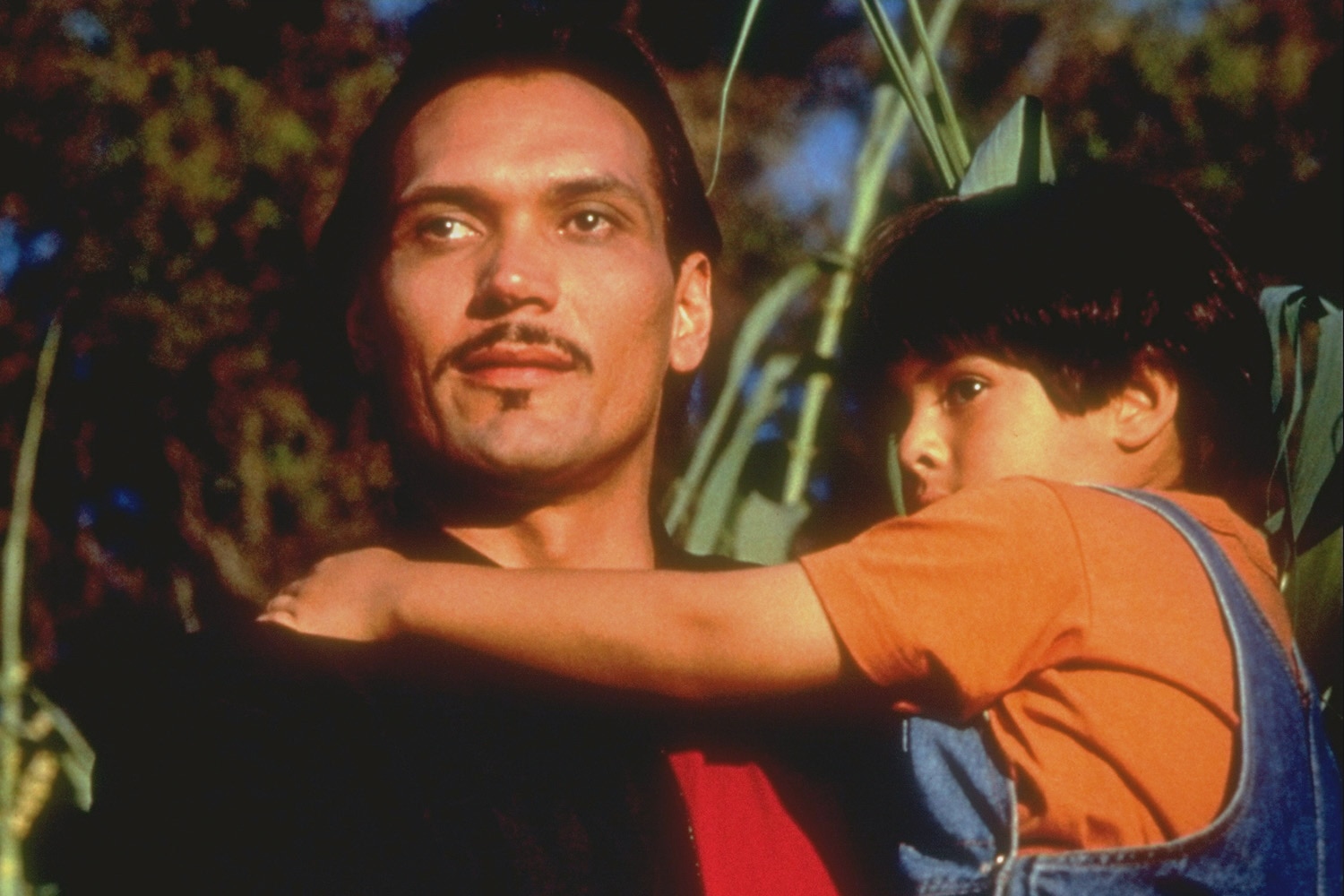
Gregory Nava’s epic immigrant drama Mi Familia (1995) follows, spanning seven decades in the life of the Sanchez family. In his four-star review, Roger Ebert said, “Rarely have I felt at the movies such a sense of time and history, of stories and lessons passing down the generations, of a family living in its memories.” Following Mi Familia is Giant (1956), George Stevens’ Oscar-winning adaptation of Edna Ferber’s sprawling Texas saga that represents a groundbreaking portrayal of the racist and condescending treatment of hard-working Mexican Americans in Texas. In his towering Oscar-nominated performance, Rock Hudson portrays a cattle rancher who is compelled to confront his own prejudices and progress with the times while living on a ranch with his wife, Elizabeth Taylor, and his ranch hand played by James Dean.
On September 25, Films on Film wraps its inaugural slate with a night of comedies that get the last laugh on Nazis. When it comes to dealing with Nazis, are you on Team Woody or Team Mel? In Woody Allen’s Manhattan (1979), he encourages posh gala attendees to bring bricks and baseball bats to an upcoming Nazi march. He dismisses a “devastating satirical piece in the Times” with the observation, “A satirical piece in the Times is one thing, but bricks and baseball bats really get right to the point…. Physical force is better with Nazis.” Mel Brooks, on the other hand, is a proponent of ridicule as a means to “rob Hitler of his posthumous power and myths,” he told German news magazine Spiegel in 2006. Brooks gave us “Springtime for Hitler” in his Oscar-winning masterpiece The Producers (1967), one of the evening’s five featured anti-Nazi comedies.
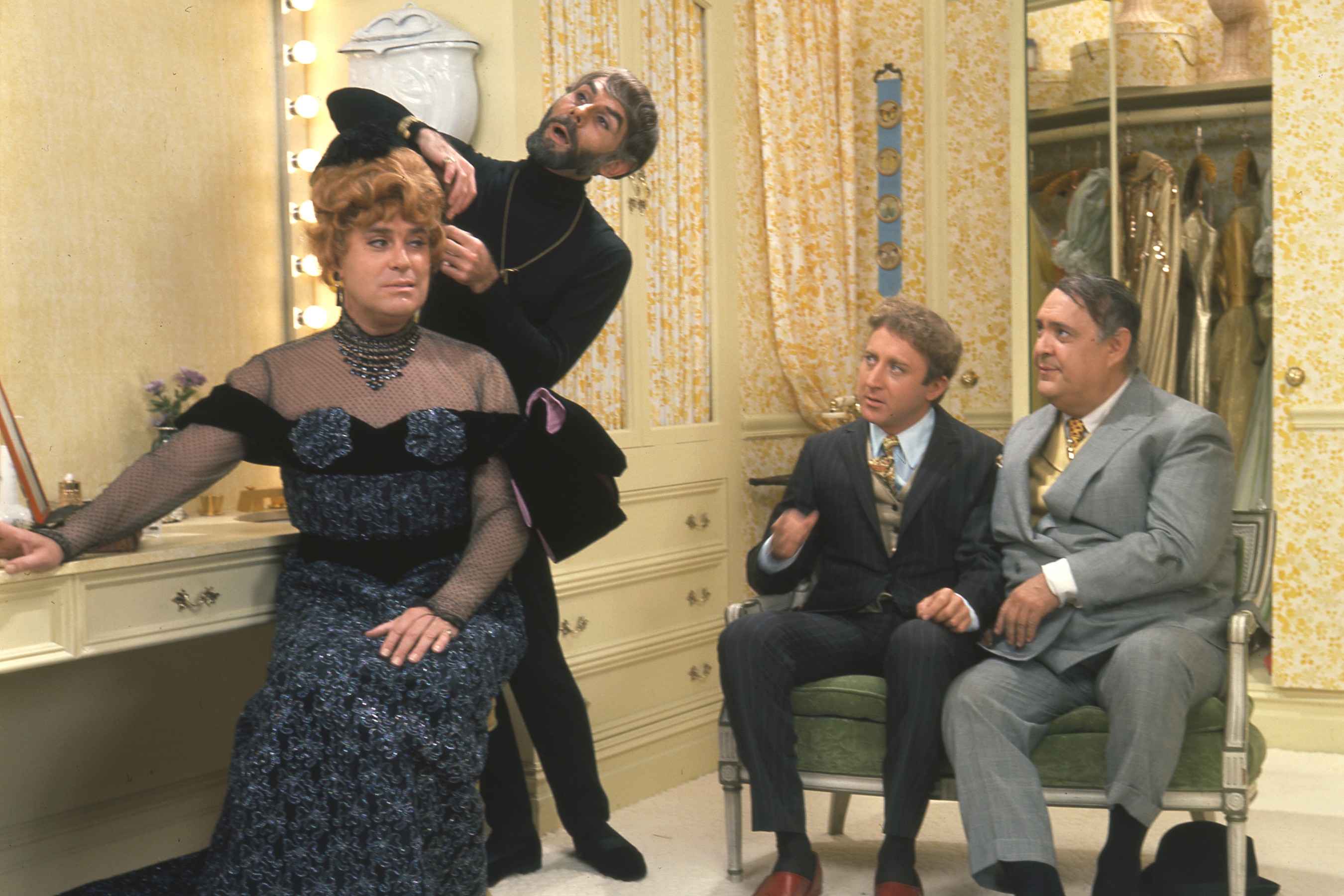
The night begins with the TCM documentary The Tramp and the Dictator (2002), which chronicles how the most loved man of his time, Charlie Chaplin, stood up against the most hated, Adolf Hitler, to make The Great Dictator (1940). A fun fact: Chaplin was not the first to spoof the tyrant. The Three Stooges—yes, the Three Stooges—beat Chaplin to it by a few months with the 1940 short, You Nazty Spy! The documentary is followed by three films inducted into the Library of Congress’ National Film Registry as “culturally, historically or aesthetically significant”: The Great Dictator, Ernst Lubitsch’s To Be or Not to Be (1942) and The Producers. There is, of course, nothing funny about Nazis—which makes them such ripe targets for comedy.