September 13 & 20 | 4 Films
From his early days in entertainment journalism for Entertainment Weekly and Fandango to becoming an official Oscar’s night red-carpet greeter for the Academy of Motion Picture Arts and Sciences (a position formerly held by Robert Osborne), then to making his TCM debut as a guest host for our 31 Days of Oscar in 2007 and finally becoming a full-time TCM host in 2018, our own Dave Karger is truly one of the great movie lovers. While Karger is now a definite authority on film history and classics—being the regular host for our Musical Matinee program every Saturday at noon and our go-to for Oscar’s trivia—he continues to cover the film industry of today, appearing as a regular contributor on the “Today” show and other outlets. He really is the perfect representative of the slogan “Where Then Meets Now.”
Karger combined his knowledge of film history with his entertainment reporting skills in 2024, with the release of his first book, "50 Oscar Nights." In that fun and fascinating read, he shares his conversations with 50 Oscar-winning stars and filmmakers, including Steven Spielberg, Martin Scorsese and Meryl Streep, just to mention a few. Each winner shares fond memories and anecdotes about their own discovery of the Oscars ceremony, the production for which they received their recognition, their state of mind before and after their win and where their coveted gold statue lives today.
On September 15th, Karger’s newest book, “50 Movie Nights,” will be released. In this volume, he welcomes 50 of today’s most popular stars to discuss one of their favorite classic movies, sharing how they first encountered the film, why they love it and how it has shaped their own careers and lives. Interviewees include Scarlett Johansson, Paul Rudd, Carol Burnett and many more. Their film selections cover an enormous variety of decades and genres. On September 13th and 20th, TCM celebrates the release of Karger’s book with two nights of films featured in the book.
British actor/filmmaker Bruce Robinson made his directorial debut with his tragicomedy Withnail & I (1987). In late 1960s London, unemployed actors Withnail and Marwood (Richard E. Grant and Paul McGann, respectively) share a filthy apartment in Camden Town. The duo spends more time drinking and bickering rather than trying to find work. After an especially hostile argument about who is the bigger slob and what might be growing in their disgusting kitchen sink, the pair agrees that it might be time for a holiday. They journey to Chelsea to visit Withnail’s rich Uncle Monty (Richard Griffiths). No sooner have they arrived than it is clear Uncle Monty may have other things on his mind than just a friendly visit.
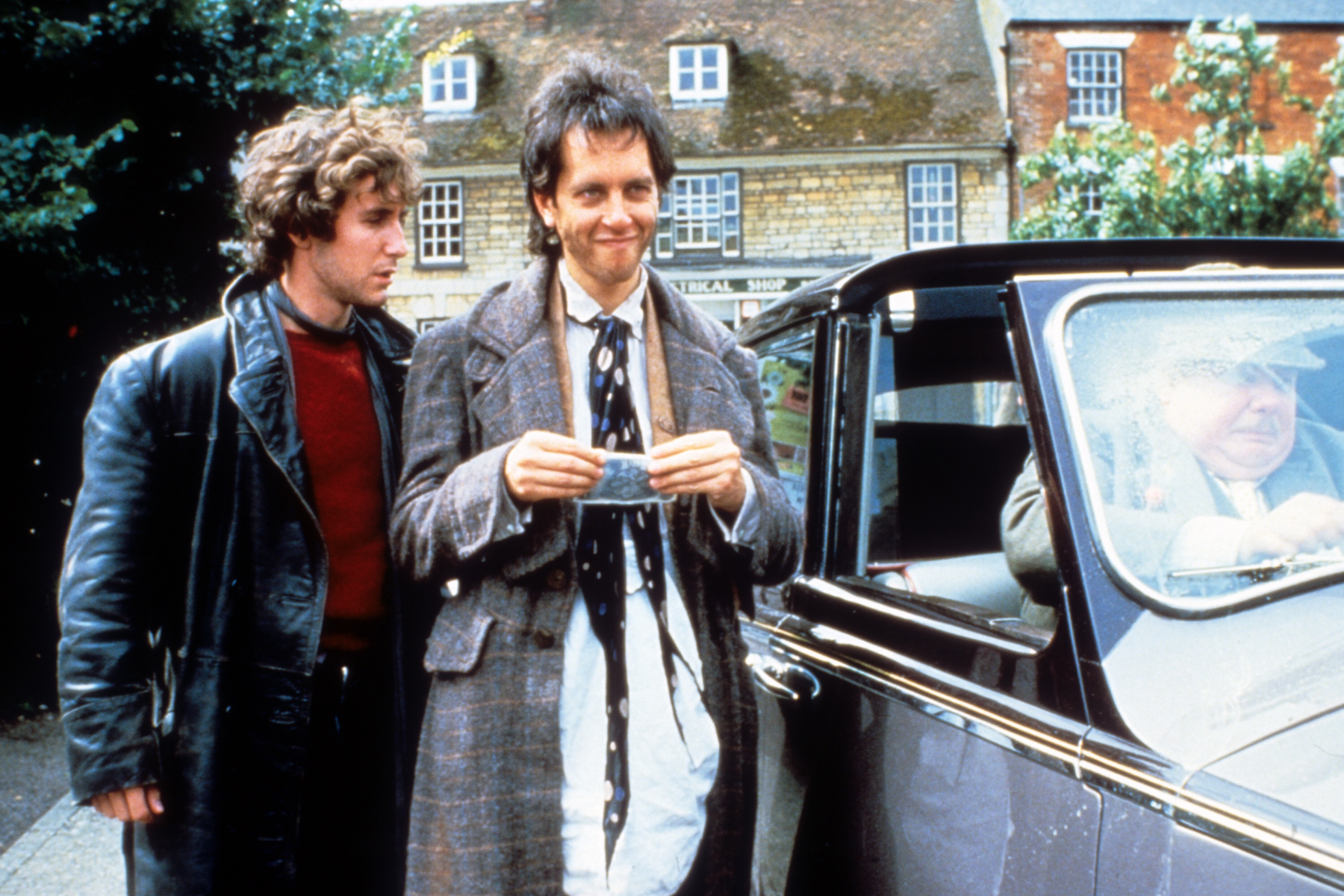
This story first started as an autobiographical novel that Robinson began writing in 1969 about his time living with alcoholic actor Vivian MacKerrell. The character of invasive Uncle Monty was based on the director Franco Zeffirelli, who reportedly made unwanted advances toward Robinson when he played Benvolio in Zeffirelli’s film version of Romeo and Juliet (1968). In 1980, Robinson was persuaded by actor friend Don Hawkins and producer Paul Heller to turn his story into a screenplay. Heller also encouraged Robinson to direct the film himself, in no small part because it would save money.
Many up-and-coming young actors, including Daniel Day-Lewis and Kenneth Branagh, auditioned for the meaty role of Withnail. Robinson ultimately cast the then-unknown Richard E. Grant in the role. The result was a loudly praised performance and a still successful acting career. Though as British a story and characters as were ever portrayed on film, Withnail & I has developed a considerable cult following in America, particularly in acting circles and with filmmakers whose movies share a similar style of dark humor and character study. Alexander Payne and David Fincher are among them.
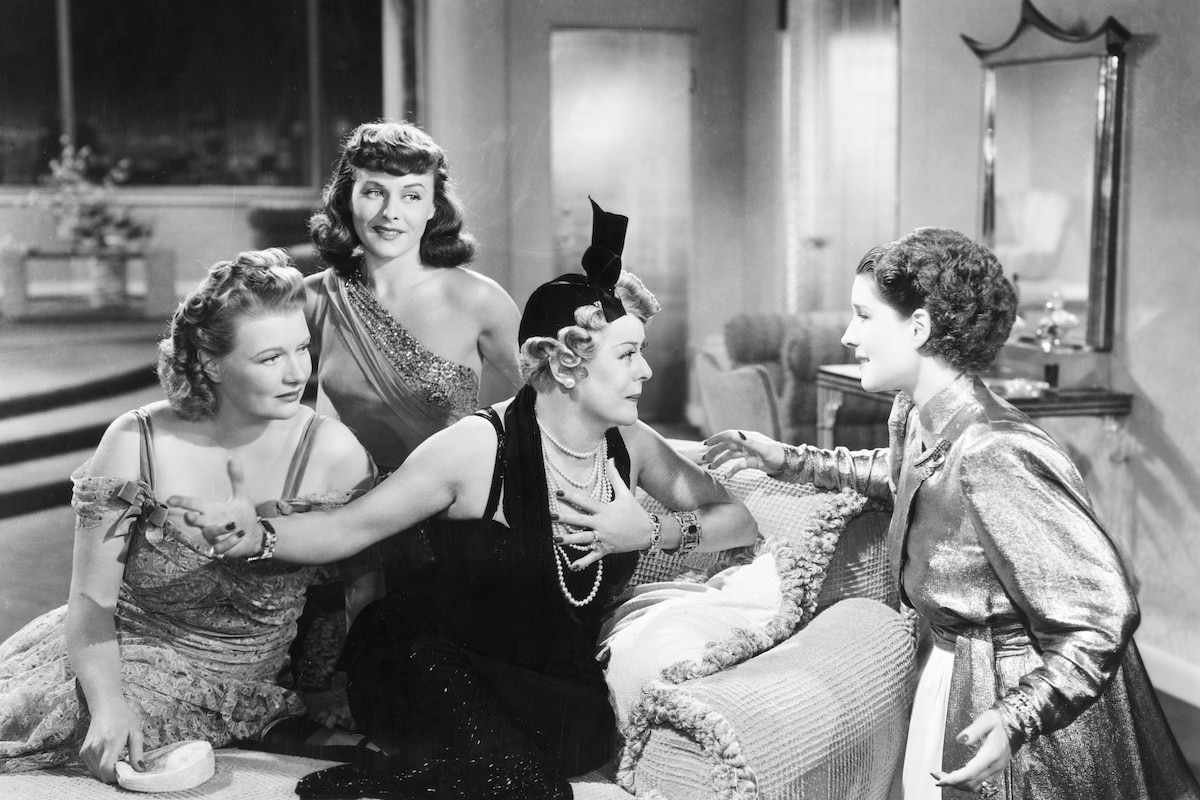
From Hollywood’s golden year of 1939, one of the most celebrated is MGM’s The Women (1939). Norma Shearer plays Mary Haines, the seemingly happy wife of a wealthy New York businessman who discovers that her husband, Stephen, has begun an affair with a salesgirl named Crystal (Joan Crawford). Mary’s cousin Sylvia (Rosalind Russell) seems much more interested in spreading the word about the scandal than being of any real help or comfort to her. The film was adapted from a hit Broadway play by Clare Boothe Luce. As in the stage play, not a single man appears among the 130 actresses shown on the screen (even the animals used in the film were all female).
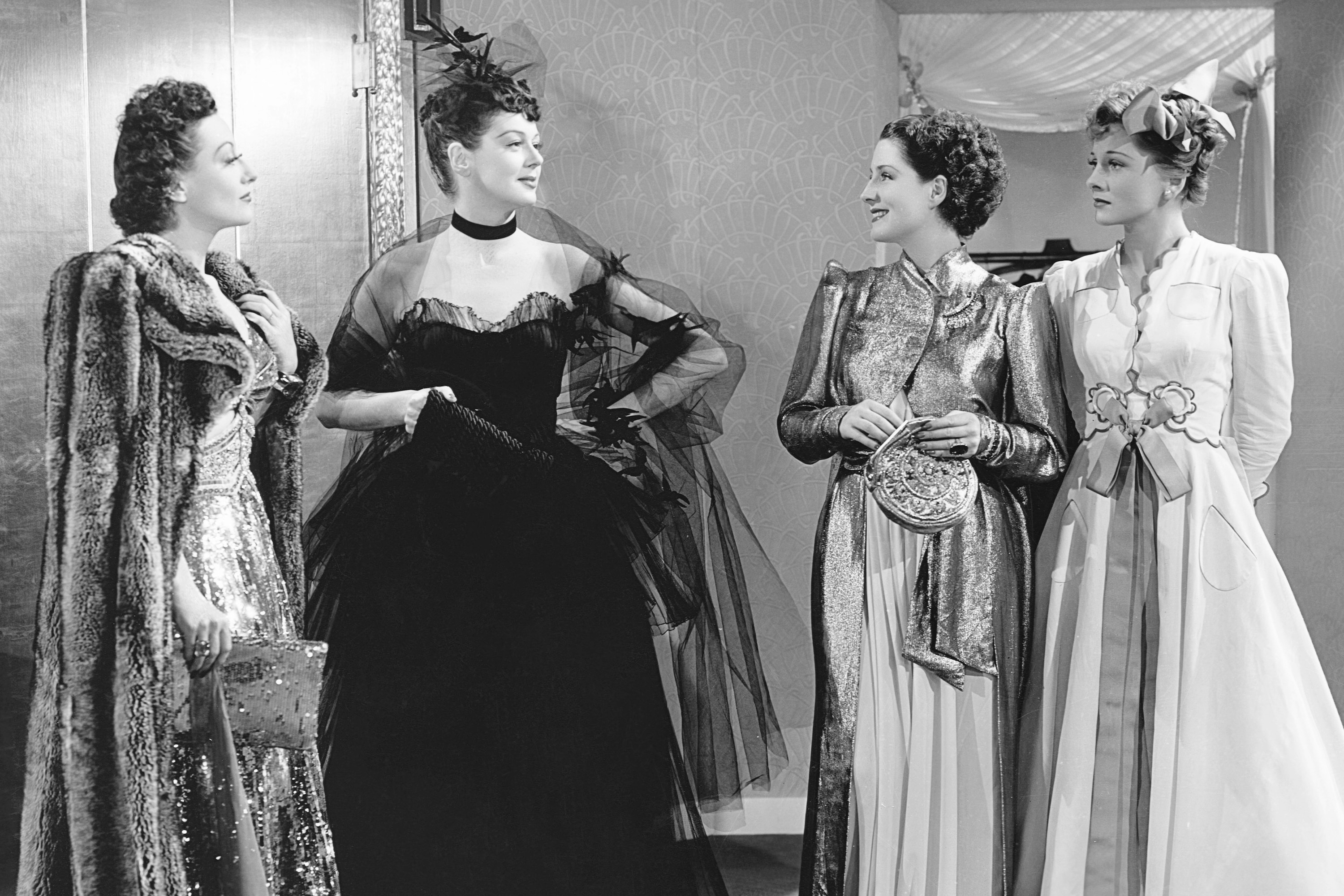
Director George Cukor had very definite ideas about how he wanted his three lead actresses to portray their roles, particularly Russell as Sylvia. Cukor had her read the part several different ways before telling her to play it in an exaggerated, almost slapstick style. Russell was uncertain about playing the character so broadly, but Cukor insisted that the only way audiences would like Sylvia, a character who essentially helps break up a marriage, was if she made them laugh. The result is a hilarious performance that launched Russell into a whole new level of success as a comedienne. She made such an impact in the film that she even successfully convinced the studio to allow her billing above the title alongside megastars Shearer and Crawford.
Crawford also took a risk playing the villainous Crystal. The actress had just been labeled “box office poison” and was in dire need of a hit. She correctly predicted that appearing alongside her MGM rival Norma Shearer would generate public attention. Though it is now perhaps the film she is best remembered for, Shearer reportedly did not enjoy making this film. In fact, she left for an extended trip to Europe just two days after filming wrapped. While the character of Mary is probably the most vanilla of the film, she is also (as Cukor described her) “the glue” that holds the high comedy together. The film remains a very popular favorite of classic movie buffs alike.
Irving Berlin’s Easter Parade (1948) remains one of the most beloved Golden Age Hollywood musicals. Fred Astaire plays Don Hewes, the leading man in a successful dance duo with his partner Nadine (Ann Miller in her first MGM film). Don plans to profess his love for Nadine on Easter Sunday, only to receive news that she has accepted a contract as a solo performer in the Ziegfeld Follies. Heartbroken, but determined to show he can turn anybody into a dancer, Don randomly selects chorus girl Hannah Brown (Judy Garland). Laughter, romance and some of cinema’s greatest musical numbers ensue. Gene Kelly was originally cast in the role of Don and envisioned the film as a more serious, “Pal Joey” type story.
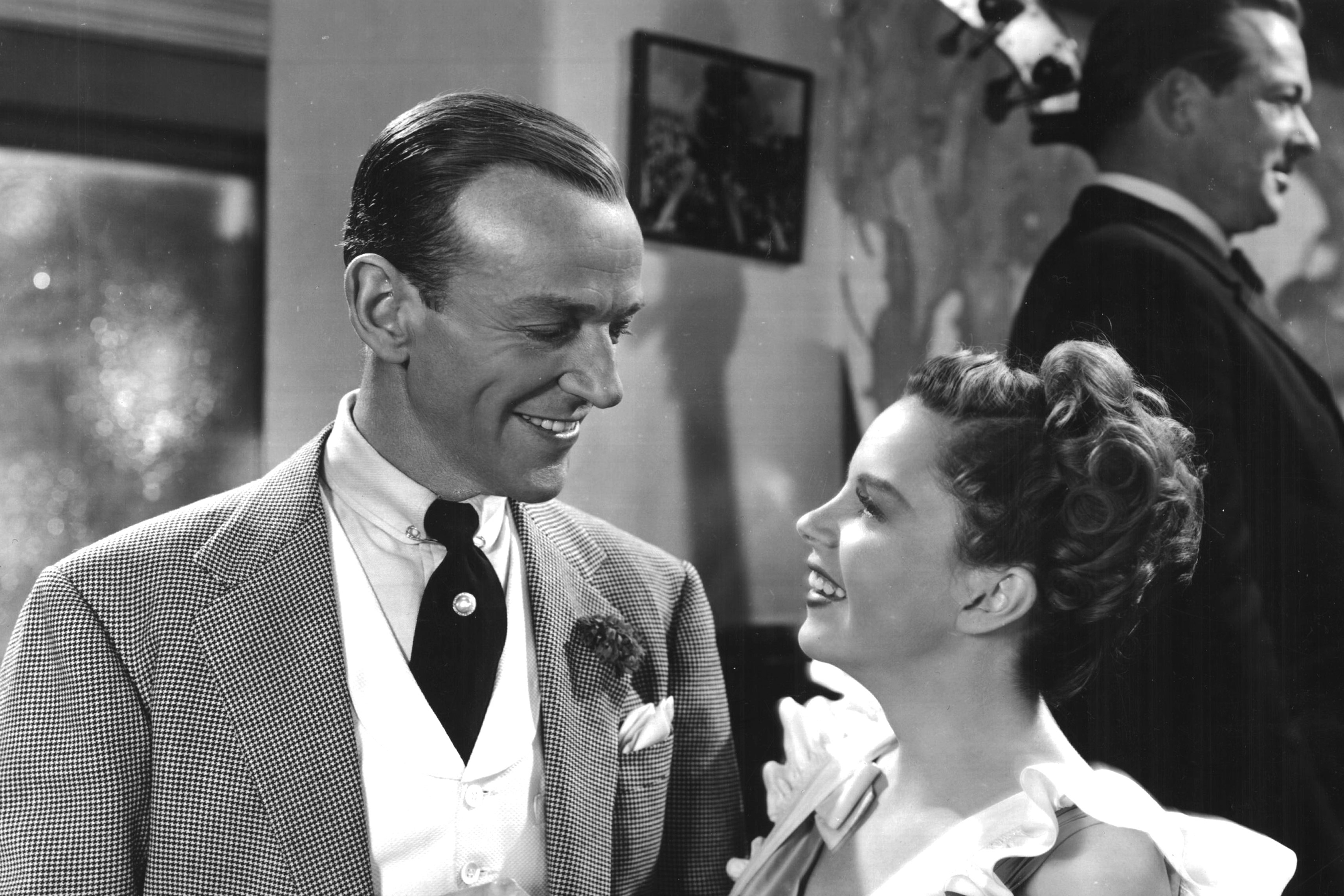
After breaking his ankle during rehearsals, Kelly was replaced by Astaire, who came out of a two-year retirement for the chance to work with Garland. Garland was coming off a very troubled experience on her previous film, The Pirate (1948). The actress had missed many days of production and clashed with her husband and director, Vincente Minnelli. Garland agreed to return to make Easter Parade only on the condition that Minnelli not be her director. Charles Walters was assigned the film, and production ran smoothly, finishing both on time and on budget. The result was a runaway hit, ultimately becoming the second highest-grossing musical of the 1940s, behind another Garland vehicle, Meet Me in St. Louis (1944).
Based on a Jerzy Kosinski novel of the same name, Hal Ashby’s Being There (1979) is one of the most praised comedies of the 1970s. Peter Sellers is Chance the Gardener, a sheltered middle-aged man who has never even left the townhouse he’s lived in since childhood. Upon his longtime benefactor's death, Chance is forced to venture out into the real world. This proves extra challenging for a man who bases everything he knows about the real world on what he has seen on television. Of course, this doesn’t stop him from being mistaken for a Wall Street and political expert by some prominent D.C. figures. Shirley MacLaine costars as Eve Rand, the younger wife of a prominent Washington insider.
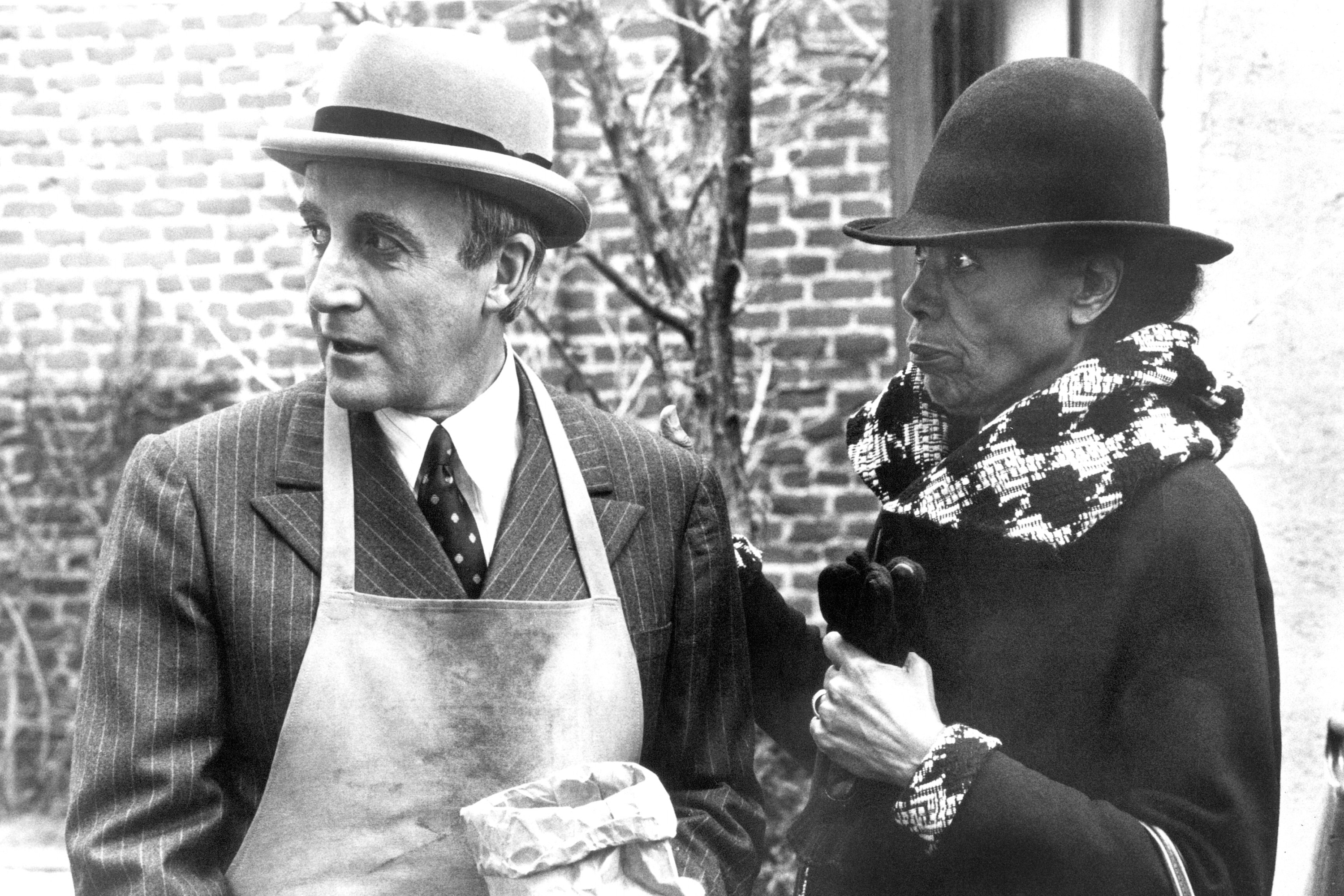
Melvyn Douglas won an Oscar for his performance as Eve’s husband Ben, an aging presidential advisor who mistakenly thinks Chance should be his heir apparent. Both of Ashby’s first choices for the role, Burt Lancaster and Laurence Olivier, turned it down. This film had been a longtime passion project for Sellers, who loved the original book and thought it would be a great star vehicle for himself. He even wrote a personal note to author Jerzy Kosinski. The film would be the comedic genius’s last film released before his death in July of 1980.
Just as Dave’s new book runs the gamut of movies discussed, so too do the movies we show on TCM. But whatever title is shown or written about, one thing is for certain: they are absolute classics that cannot be shown, written or talked about enough.