Thursdays in September | 15 Films
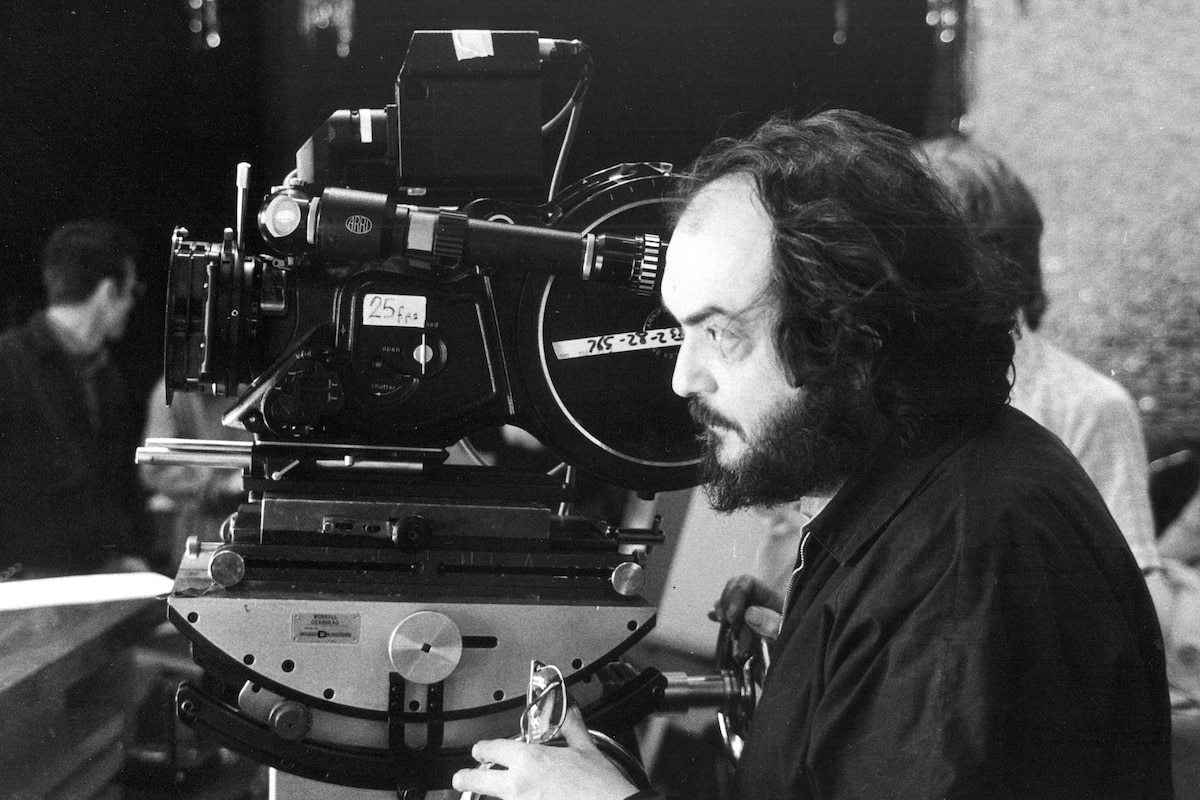
Stanley Kubrick is the rare director whose name has become an adjective. "Kubrickian" became a common description of films with meticulous, often symmetrical compositions, an emotional remove from the drama, and exacting attention to detail. With only 13 features in a career that spans almost 50 years, Kubrick made such an impression that by the end of the 1960s, each new film became a cinematic event. TCM celebrates the director every Thursday evening in September, leading up to the premiere of TCM’s newest season of The Plot Thickens podcast, with the director as its subject.
Born in the Bronx to Jewish parents in 1928, young Kubrick was a sharp kid but an indifferent student. He was, however, a talented photographer and an avid moviegoer who was convinced he could make better pictures than what Hollywood was turning out. Powered by talent, confidence and tenacity, he turned his photography hobby into a profession and sold his first photo to the esteemed picture magazine Look while still in high school. He was soon hired as the youngest member of the magazine's photography staff and learned not just lighting and composition but how to create drama and tell a story in images. But his goal was to make movies.
Thursday, September 3
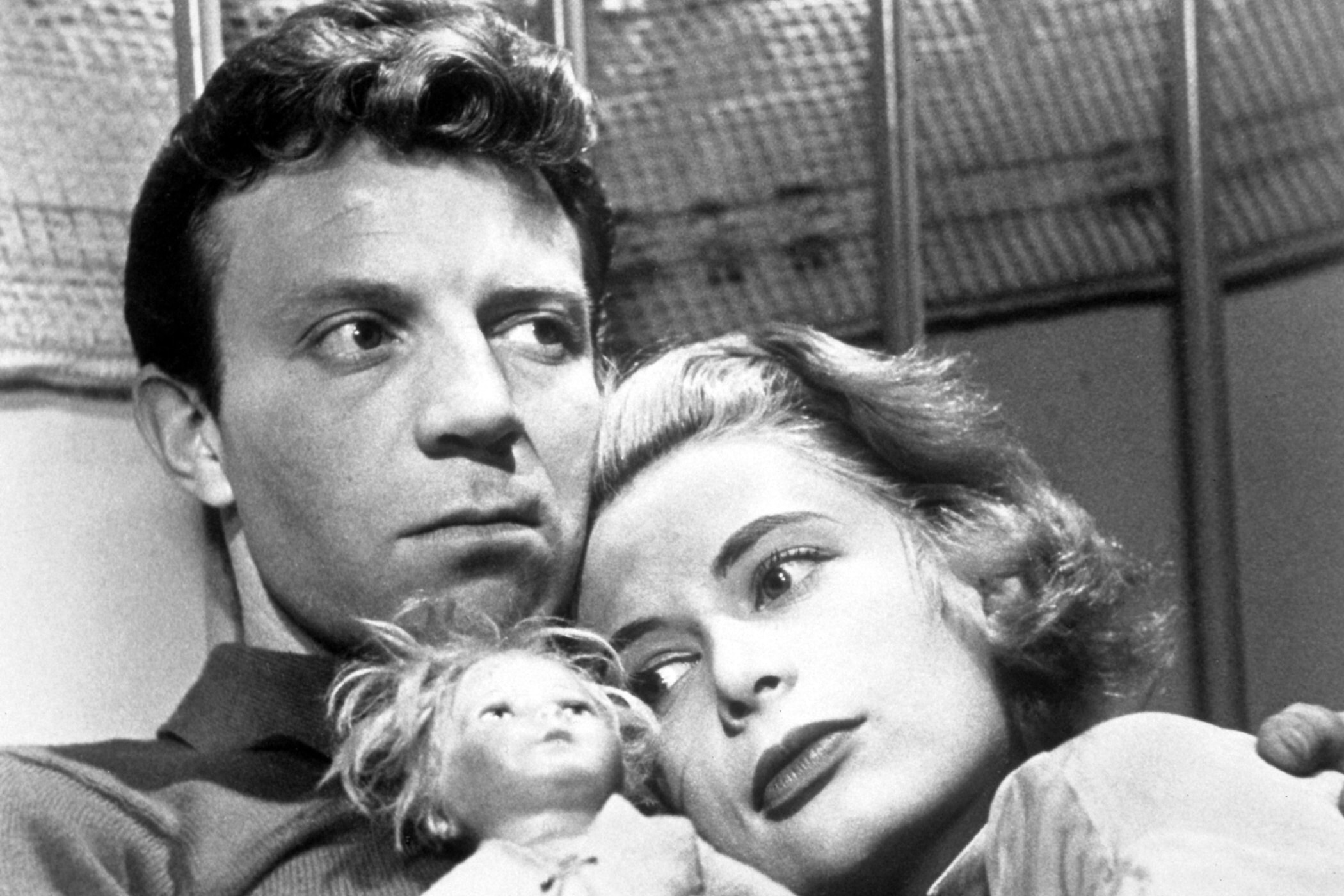
Killer's Kiss (1955) is not Kubrick's first feature, but it is the first he acknowledged, if grudgingly. It's a thin story, about a washed-up young boxer, a sad dance hall girl and the hood who sends his thugs to break up their romance for good. But Kubrick's eye for imagery—he designed the film around striking locations he scouted in his neighborhood, among them a mannequin factory—and atmosphere creates dynamic and memorable scenes. The boxing scene, shot in extreme close-up to enhance the intensity of the ordeal, owes much to Kubrick's debut short film Day of the Fight (1951). The portrait of young boxer Walter Cartier and his manager and twin brother, Vincent, was inspired by a photo essay Kubrick shot for Look, and he took his handheld camera into the ring for the fight scenes.
The Killing (1956), a clever heist thriller built around a meticulously plotted racetrack robbery, shows how quickly Kubrick was mastering the art of cinematic storytelling. Kubrick and his new producing partner, James B. Harris, loved the non-linear structure of the novel "Clean Break" and built their screenplay around it, delivering a cracking "perfect crime" thriller with a savage twist. Kubrick called it "my first truly professional work." The film stars Sterling Hayden, Coleen Gray, Marie Windsor, Elisha Cook Jr., James Edwards and Timothy Carey.
Flying Padre (1951), another documentary short adapted from one of his Look photo essays, profiles a parish priest who flies his own private plane to minister his congregation in rural New Mexico. It was Kubrick’s first film to screen in theaters.
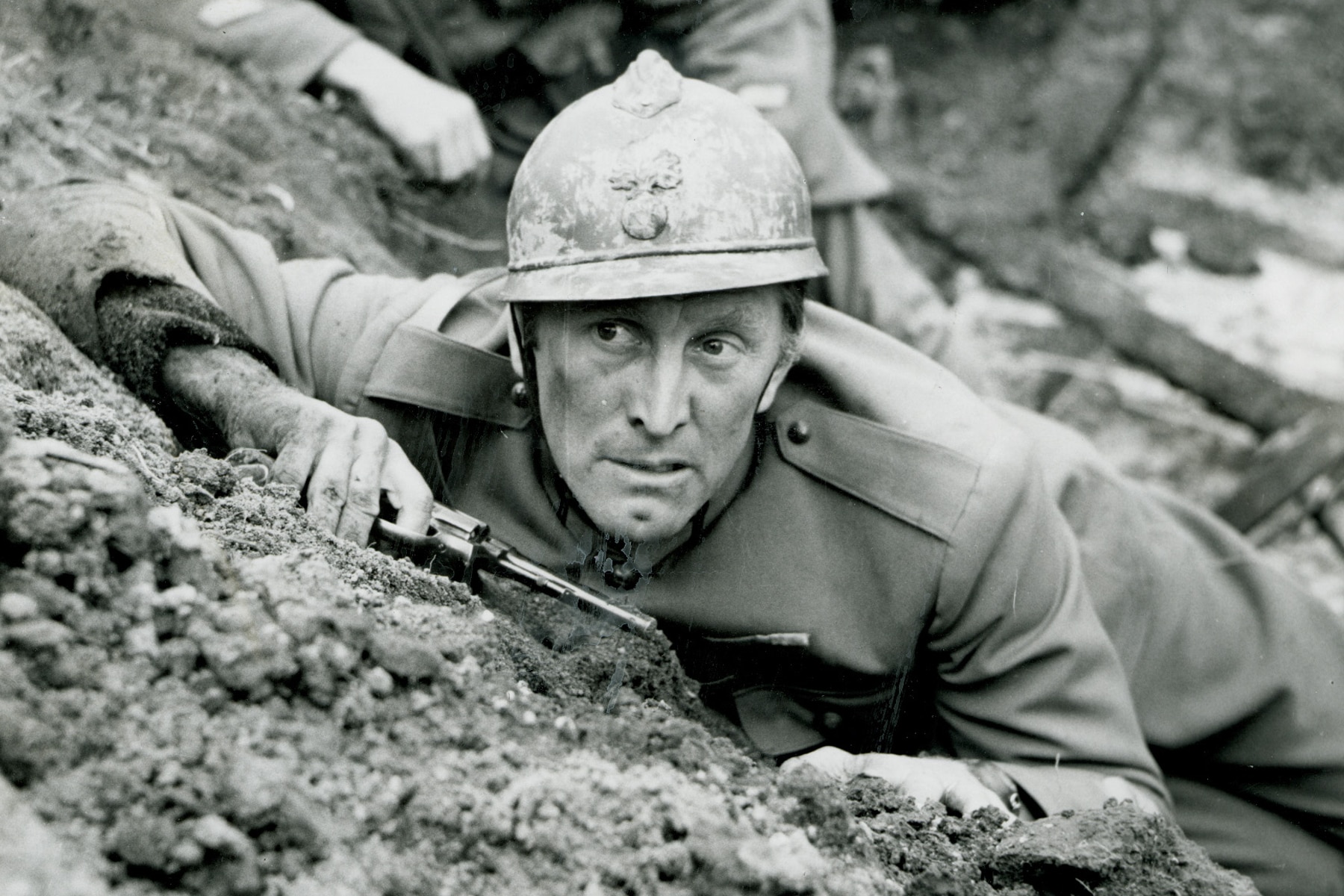
Paths of Glory (1957), based on a bleak anti-war novel about a real-life incident from World War I, was a hard sell to the studios until Kirk Douglas came on board with his own production company, Bryna. Shooting in Germany, Kubrick turned the countryside into the barren, battle-scarred "no man's land" of the Western Front of France. A German palace stood in for the lavish French chateau commandeered by the commanding officers while the enlisted men endured constant shelling in the trenches. In 2000, Stuart Klawans wrote in The New York Times: "There's been only one first-rate film made about the First World War since Grand Illusion: Stanley Kubrick's Paths of Glory…"
The evening ends with Kubrick's debut feature Fear and Desire (1952), an existential war movie shot on a tiny budget by a young filmmaker still teaching himself the rudiments of storytelling. Kubrick focused on the imagery, creating a sense of dislocation and isolation that leads to paranoia, obsession and madness for four soldiers lost behind enemy lines. It took two years to get the film released, and the reviews were generally poor. Kubrick later tracked down and destroyed all the prints he could find, effectively making the film unavailable until years after his death, when the Library of Congress restored a rare, preserved print.
Thursday, September 10
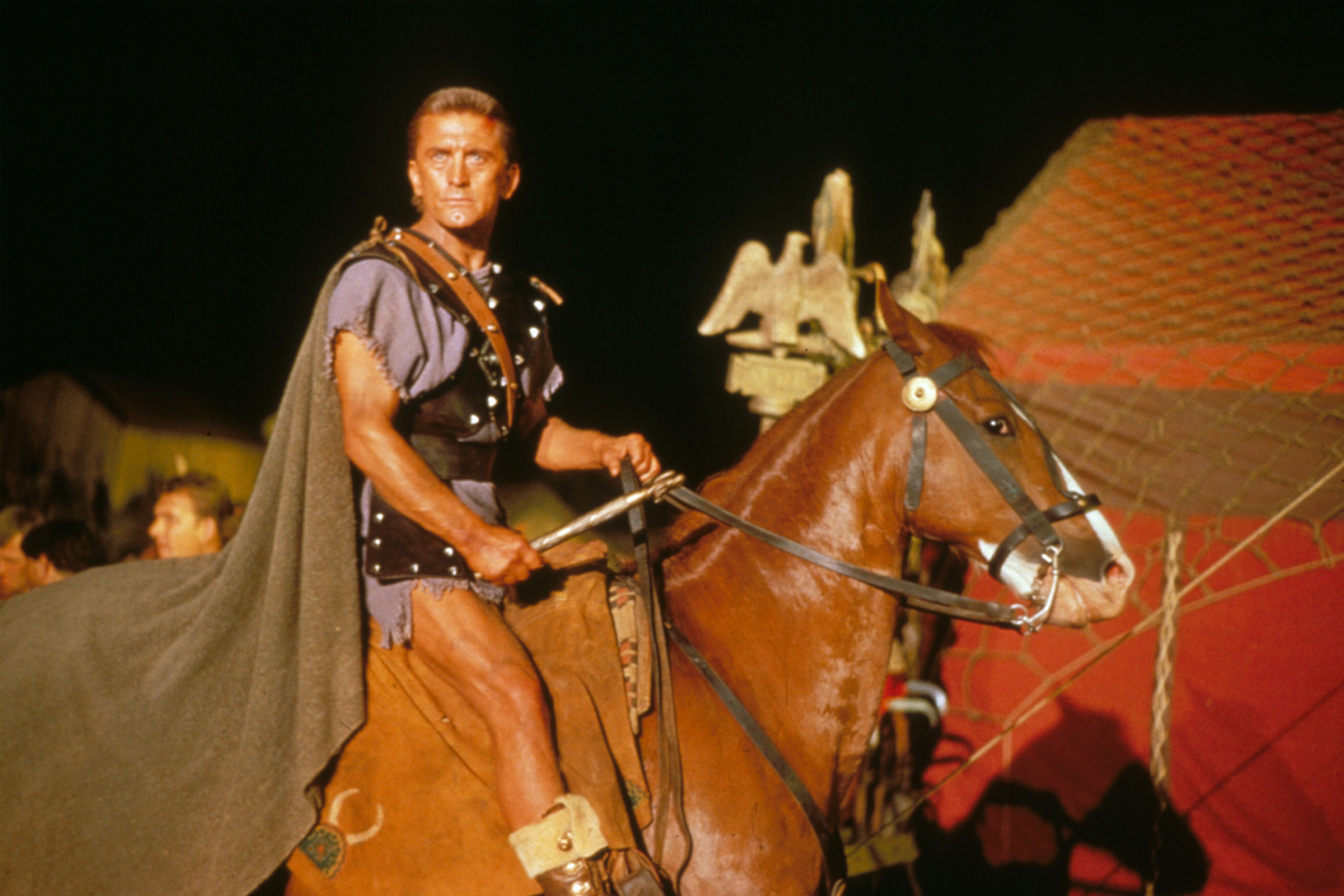
Spartacus (1960) is the only feature directed by Stanley Kubrick that he did not develop himself. The story of a slave who leads a rebellion against Rome in 73 B.C. was a passion project for actor Kirk Douglas. Kubrick was brought on after Douglas fired the original director a week into production. It was a massive project, the most expensive production made at that time, and Kubrick constantly butted heads with the veteran crew and Douglas himself, who had his own vision of the film. Kubrick brought his own sensibility to the project with his eye for composition and the spectacular climactic battle that Kubrick shot in Spain months after the end of principal photography. Even the film's most quoted scene—the captured slaves rising one by one shouting "I am Spartacus!"—was invented by Kubrick. It was a huge hit and won four Academy Awards, but Kubrick decided he would, from then on, be his own producer. Also featured in the cast are Laurence Olivier, Jean Simmons, Peter Ustinov, Charles Laughton and Tony Curtis.
He took on adapting the controversial Lolita (1962) from Vladimir Nabokov's notorious novel about a middle-aged man lusting for a pubescent girl. The film was advertised with the tagline: "How did they ever make a movie of Lolita?" James Mason took on the role Humbert Humbert as a challenge, while Shelley Winters is both flamboyant and poignant as Lolita's lonely, widowed mother and 14-year-old Sue Lyon was cast in the title role after a lengthy search. The role of playwright Clare Quilty was expanded from the novel into a kind of dark double of Humbert, and Peter Sellers, with Kubrick's blessing, improvised scenes as his character took on various personae to pursue Lolita for himself. They shot in England to escape the scrutiny of American censors, and Kubrick eventually made the country his home, shooting every subsequent film in England. The darkly comic satire of lust and obsession was finally passed by American and British censors after negotiations and careful editing. Reviews were mixed, but its masterful mix of wit, sophistication and black humor has stood the test of time.
Dr. Strangelove or, How I Learned to Stop Worrying and Love the Bomb (1964) began its lifecycle as a serious look at the fears of the nuclear age. Its source, the novel “Red Alert” by Peter George, was a grave contemplation of the Cold War gone hot with a rogue nuclear attack on Russia. Kubrick couldn't help but see the absurdity in the enterprise and enlisted author Terry Southern to help transform the script into a dark comedy. Sterling Hayden, star of The Killing, was cast as deluded rogue General Ripper, whose conspiracy theories are rooted in impotence. George C. Scott plays a Pentagon hawk who treats the attack as an opportunity, while Peter Sellers takes on three roles, as the president, a British officer and the title character, a weapons scientist with a demented German accent. Encouraged by Kubrick, much of Sellers' performance was improvised on set. Studio executives and middle-aged audiences were baffled by the film, but the growing youth audience embraced the anti-establishment attitude and irreverence, turning the film into a hit. It remains the funniest film ever made about nuclear Armageddon.
Thursday, September 17
Kubrick had been a fan of science fiction since his teenage years, and he baffled even his closest friends when he announced his interest in making a science fiction feature. 2001: A Space Odyssey (1968) would put an end to the cliché that science fiction was beneath serious consideration. Working with the esteemed science fiction author Arthur C. Clarke, whose short story "The Sentinel" provides the central premise, Kubrick created a meeting of science, speculation and metaphysics. With help from special effects supervisor Con Pederson and young animation artist Douglas Trumbull, Kubrick turned space flight into ballet, while at the same time visualizing the most detailed and believable look into the future of space travel. Kubrick oversaw every aspect of production, down to the smallest details of production design, and created a film that spoke to a new generation of audiences. As word-of-mouth turned the critically lambasted film into a surprise smash, the revised promotional campaign summed it up succinctly for a generation experimenting with psychedelics, calling the film "the ultimate trip."
A Clockwork Orange (1971) was Kubrick’s first film set in England. Based on a novel by Anthony Burgess, it’s a mix of science fiction and social commentary set in a near-future England where violent gangs roam the streets and the uncaring government channels the worst of society's miscreants into enforcers of its own control. Kubrick scouted locations around London for modernist and brutalist architecture that conveyed an undefined future of neglect and decay, and he worked closely with his leading actor, Malcolm McDowell, to create an anti-hero who possessed both dark charm and malevolence. Kubrick compared McDowell's character, Alex, to Shakespeare's Richard III: "They both take the audience into their confidence, they are both honest, witty, intelligent, and unhypocritical." It was also Kubrick’s first film for Warner Bros., which gave him complete artistic control. It became his home studio for the rest of his career.
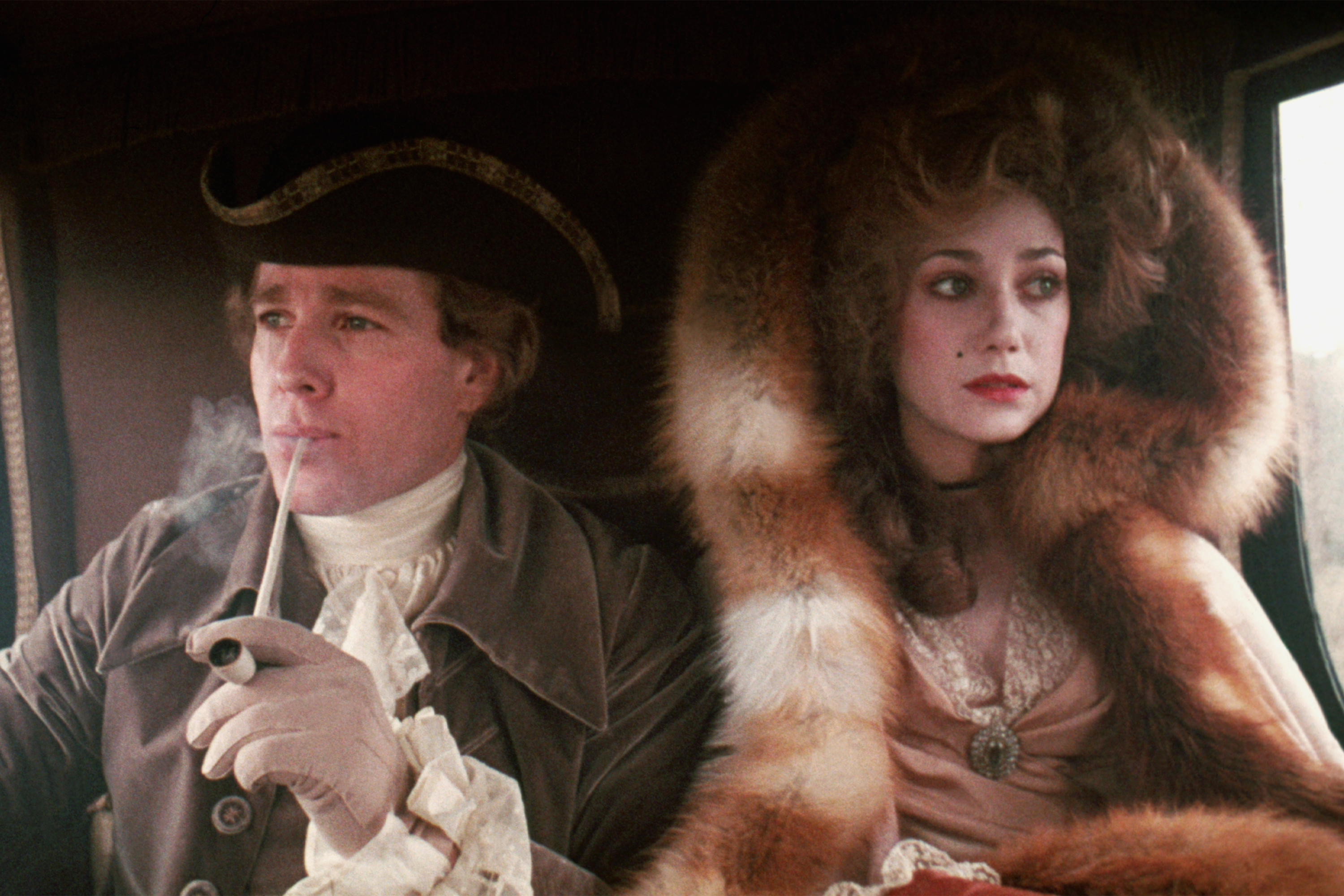
After completing his loose science fiction trilogy, Kubrick turned to the past. Barry Lyndon (1975), a period piece based on a minor novel by William Makepeace Thackeray, follows the fortunes of a naïve, headstrong Irish lad whose ordeal in foreign wars turns him into a cunning, mercenary man, conniving his way into English high society. With Ryan O'Neal cast in the lead, the sole American in a cast of Europeans, it is perhaps the most physically beautiful film that Kubrick ever made. He modeled scenes after paintings from the Age of Enlightenment, and he shot scenes by candlelight with state-of-the-art camera lenses originally developed by a German company for NASA to use in space. Though it won four Academy Awards for its exquisite craft, it was a commercial disappointment. It had become a familiar rhythm for Kubrick, dismissed upon release and later reassessed as the masterful work of an artist in top form.
Thursday, September 24
On September 24, TCM releases its seventh season of The Plot Thickens podcast. With 11 episodes, “Stanley” will feature excerpts from a never-before-heard interview with the filmmaker from 1972 with film critic Joseph Gelmis. Ben Mankiewicz returns as the season’s host.
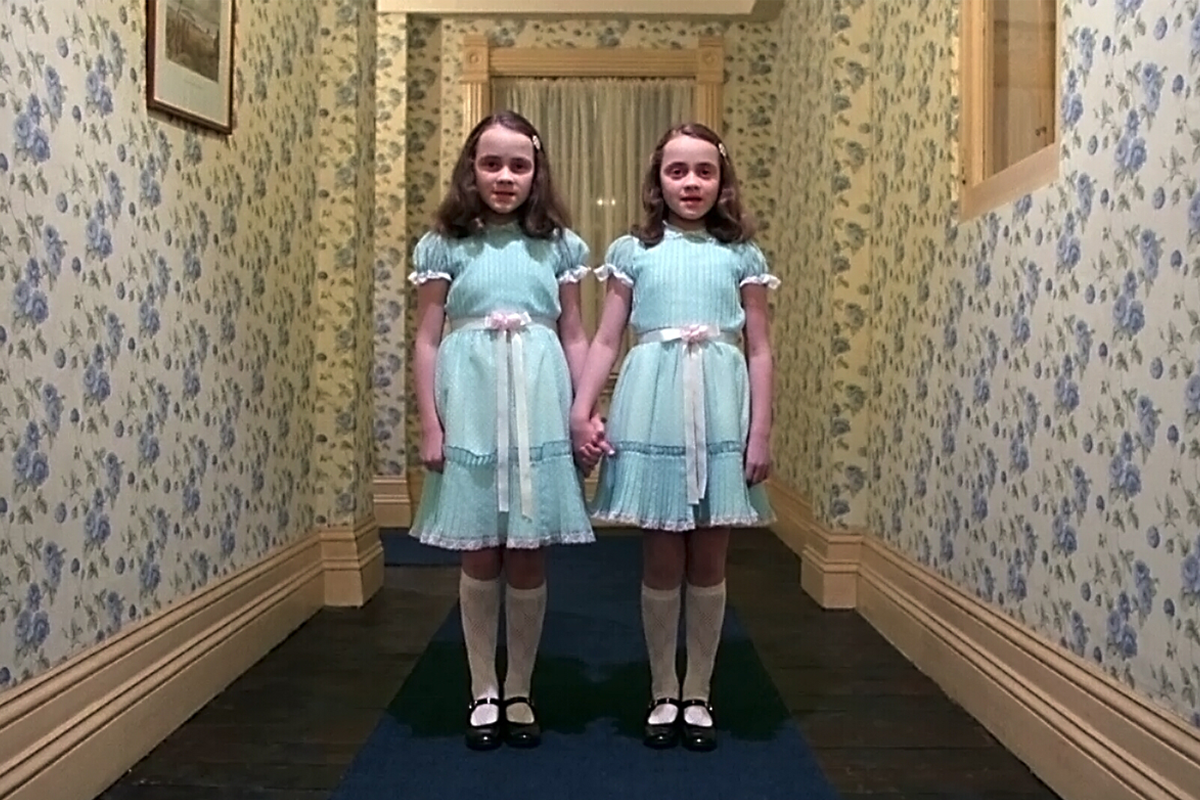
For his next project, Kubrick called Stephen King's novel “The Shining” "One of the most ingenious and exciting stories of the genre I had read," but the book was only the starting point for what would become Kubrick's The Shining (1980). Working with Diane Johnson, they made major changes from King's novel, playing down some of the supernatural aspects and developing psychological motivations and nuances. With Jack Nicholson and Shelley Duvall cast as the parents living in a mountain hotel cut off during the winter months, assistant Leon Vitali spent months searching for a young actor to play their gifted child, who can sense the evil in the hotel. King was frustrated with Kubrick's changes, but audiences made it one of Kubrick's biggest hits.
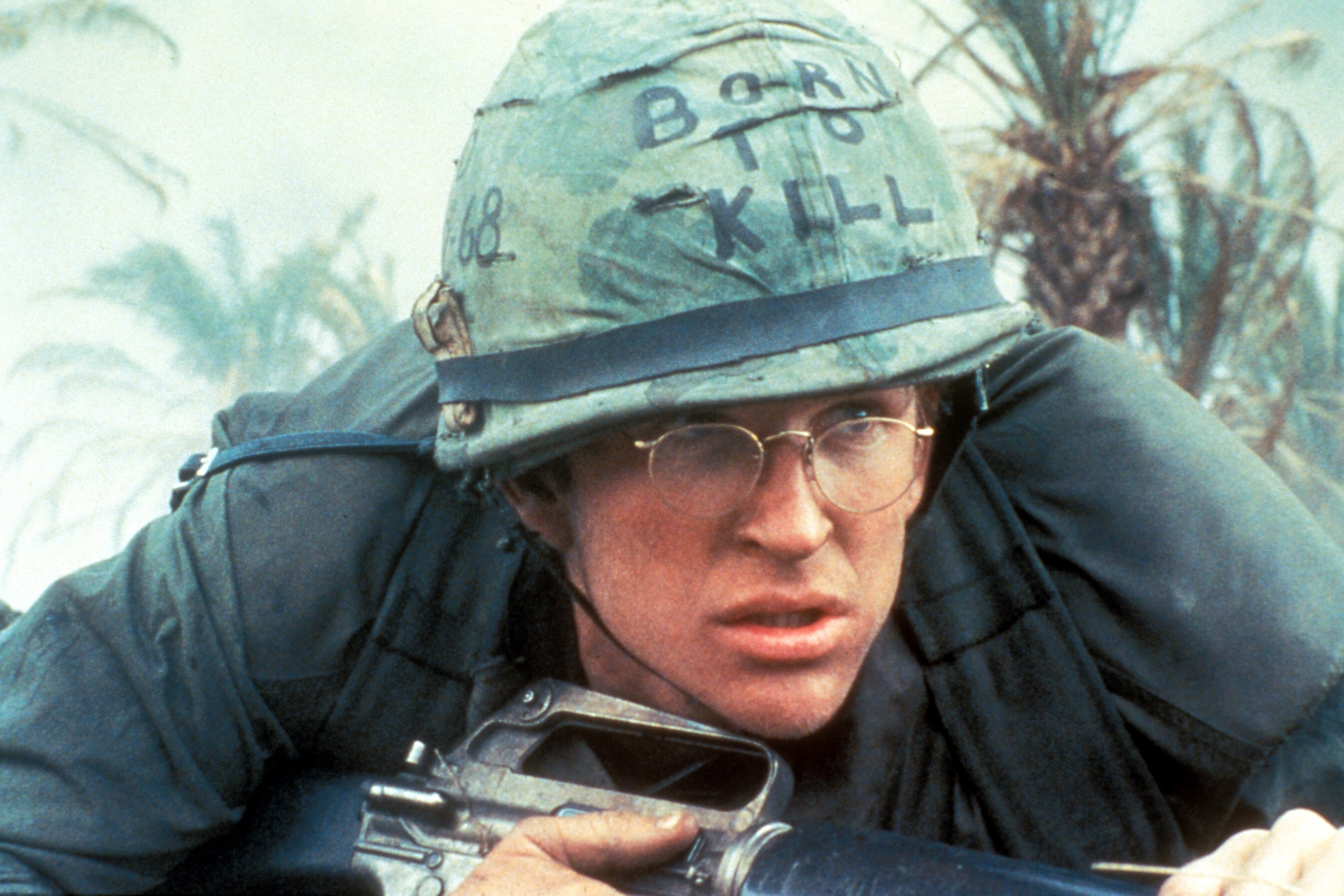
It took years for Kubrick to find his next project. He found it in Gustav Hasford's “The Short-Timers,” a novel about American soldiers in Vietnam, and asked Michael Herr, author of the non-fiction book “Dispatches,” to collaborate on a screenplay that would become Full Metal Jacket (1987). He cast young, largely unknown actors as the soldiers, including Matthew Modine, Vincent D’Onofrio, Adam Baldwin and Dorian Harewood. R. Lee Ermey, a Vietnam vet and technical advisor, was so intimidating as the drill instructor during the auditions of young actors that Kubrick cast him in the film. Full Metal Jacket proved to be different than the Vietnam films before it, less an anti-war movie than a portrait of how the military machine dehumanizes individuals to remake them into cold, dispassionate killers.
Kubrick first read Viennese author Arthur Schnitzler's 1926 novella “Traumnovelle” in the 1950s. It would be decades before this story of sexual desire, obsession, temptation and transgression would be made as Eyes Wide Shut (1999). Updated from 1920s Vienna to 1990s New York City (recreated almost entirely in London), Kubrick cast superstars and then-real-life couple Tom Cruise and Nicole Kidman, who spent over a year shooting the film, and delivered his final cut just days before his death on March 7, 1999. To secure a contractually obligated R rating, some of the most explicit imagery was censored, hidden behind digitally added figures. It was one last posthumous controversy to Kubrick's storied career. The uncensored version has since been restored to home video.
Primary sources and suggested texts for further reading:
The Stanley Kubrick Archives, edited by Alison Castle. Taschen, 2005.
Kubrick: An Odyssey, Robert P. Kolker and Nathan Abrams. Pegasus Books, 2024
Stanley Kubrick: A Biography, Vincent LoBrutto. De Capo Press, 1997.