February 9 | 6 Movies
What exactly is "the Lubitsch touch"? One is hard pressed to come up with a definition of the ineffable cinematic magic of Ernst Lubitsch, the German-born filmmaker who came to Hollywood in 1922 and wove sex, sophistication and satire into sparkling romantic comedies. Biographer and critic Joseph McBride explained it as a combination of "a characteristic joie de vivre in the actors with an elegant visual design that conveys its meanings largely through sophisticated innuendo." Lubitsch himself joked about the phrase: "… fortunately, I am not conscious of it. If I ever became conscious of it—Heaven prevent—I might lose it." Call it an alchemic blend of romance, visual elegance, sophisticated wit, slapstick humor and sexual innuendo (which he deftly slipped past the censors with a knowing wink), all rooted in the earthy passions of his characters.
TCM spends an evening celebrating “That Lubitsch Touch,” with six classics that show the filmmaker's range from lavish costume pictures and serious drama to musical comedy and, of course, the sly, suggestive romantic comedies that made his reputation.
Born in 1892, Ernst Lubitsch chose to pursue show business rather than take up the family business and run his father's Berlin clothing shop. He joined Max Reinhardt's celebrated theater company in 1911, appeared in his first film in 1913, stepped behind the camera in 1914, and by the end of the decade was one of Germany's most celebrated filmmakers, excelling in both small-scale comedies and lavish historical dramas. It was the latter that brought him to America, where he all but reinvented the sex comedy. Lubitsch proved himself a master of silent movie storytelling, but the arrival of sound gave the director a whole new dimension of expressive possibilities. "Sound in some ways freed Lubitsch to be even more deftly allusive and suggestive," argues McBride.
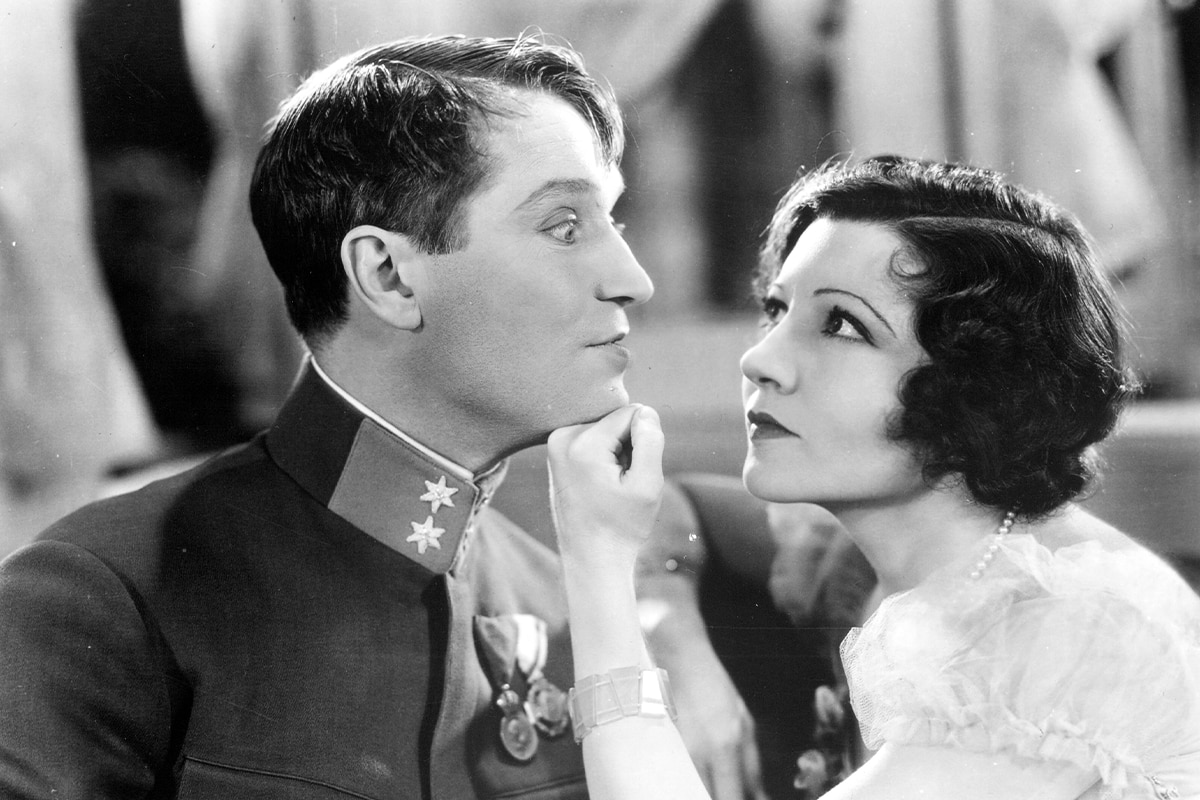
You could say that Lubitsch created the cinematic musical in 1919, when, in the silent movie comedy The Oyster Princess, the entire cast breaks out in dance in a "foxtrot epidemic." Without the benefit of synchronized sound, Lubitsch created an energetic, infectious, syncopated sequence set to its own visual rhythm. With the arrival of "the talkies," Lubitsch married music, narrative, dialog and imagery in a series of comedies that practically invented the modern movie musical. The Smiling Lieutenant (1931), the third of five musicals he made between 1929 and 1934, is built on a romantic triangle centered on Maurice Chevalier's womanizing Viennese officer. Claudette Colbert is the violin player and bandleader he falls in love with, and Miriam Hopkins is the prudish, unsophisticated princess he's forced to marry. The dialogue is spare, and the five featured songs are spoken as much as sung, giving them a conversational, often flirtatious quality, which the performers play for maximum suggestiveness. It was a hit with audiences and was nominated for Best Picture at the Academy Awards.
Broken Lullaby (1932) is an anomaly among Lubitsch's American films, a serious anti-war drama about a French World War I veteran (Phillips Holmes) who, gripped by guilt and anguish over the killing of a German soldier, seeks out the parents of the dead man. Lionel Barrymore plays the grieving father, confronting his own nationalistic pride and lingering bitterness as he witnesses the hostile reception afforded to the sincere young man. Along with an overt anti-war message is a big, theatrical performance from Holmes, a stark contrast to the playful, discreet style of his musicals. Critics praised the drama, with New York Times critic Mordaunt Hall citing the film as "further evidence of Mr. Lubitsch's genius," and Robert E. Sherwood proclaiming it "the best talking picture that has yet been seen and heard" in the New York Post. Audiences were not so receptive, even after Paramount changed the title from the more explicit and charged The Man I Killed, and it became an expensive flop for Lubitsch. When he returned to the weighty topic of war and oppression a decade later with To Be or Not to Be (1942), he snuck his message under a witty comedy with a sharp satirical edge.
Maurice Chevalier and Jeanette MacDonald, by now Lubitsch veterans, play a deliriously happily married couple in One Hour with You (1932), where their wedded bliss is upset when the wife's best friend (Genevieve Tobin) sets her sights on seducing the handsome husband. It's essentially a musical remake of Lubitsch's hit silent comedy The Marriage Circle (1924), with musical numbers again spoken as rhymed dialogue in some scenes and delivered directly to the camera in others. In one deftly choreographed scene at a party, as bachelor Charles Ruggles sets his sights on MacDonald and turns the romantic triangle into a randy quartet, the verses are handed off from one character to another in a complex roundelay of attempted seduction.
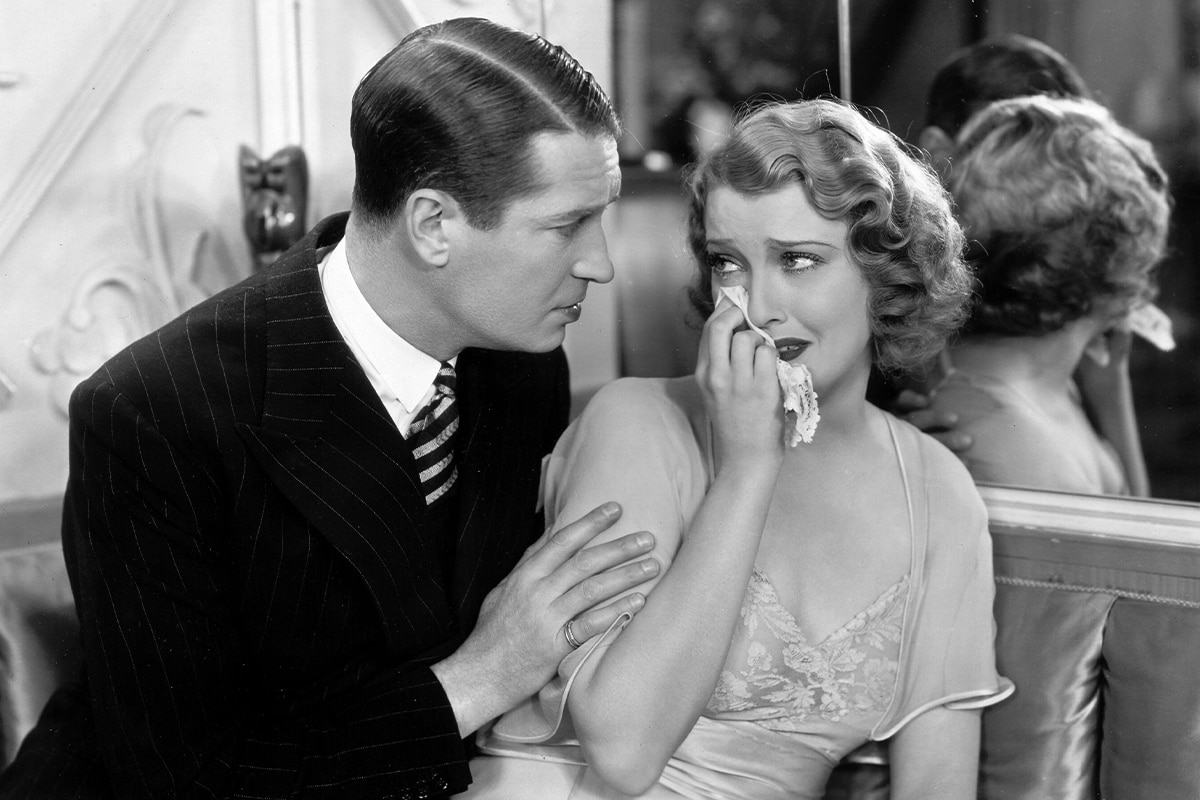
Originally assigned to supervise the production with George Cukor in the director's chair, Lubitsch delayed the start date to rewrite the script with Samson Raphaelson, transforming a conventional screenplay into a saucy lark filled with innuendo and witty flourishes. Chevalier complained about Cukor's direction and, after viewing the rushes from the first couple of days, Lubitsch agreed that he missed the comic potential of the script. He took a greater hand in the production, ultimately taking over completely with Cukor on the set in a supportive capacity. Reflecting on the experience years later with interviewer Gavin Lambert, Cukor was politic: "With the best intentions in the world, I couldn't do a Lubitsch picture. Lubitsch was what they really wanted and what they should have had [all along]." It was another success for Lubitsch, earning an Academy Award nomination for Best Picture.
Trouble in Paradise (1932) is almost unanimously regarded as Lubitsch's masterpiece, the pinnacle of "the Lubitsch touch" and arguably the most sparkling and sexy romantic comedy ever made. Herbert Marshall and Miriam Hopkins play continental jewel thieves working the wealthy rubes of Europe's hot spots, and Kay Francis is the flighty heiress they target. It's a fantasy of wealth and luxury among the rich and privileged, taking us from the old-world beauty of Venice to art deco-styled Parisian apartments, while never forgetting that just outside the cloistered walls is a world of working people struggling to get by. Within this bubble of glamor and style, Lubitsch and frequent collaborator Raphaelson suggest sexual attraction and desire through smiles, gestures, double entendre and shadow play.
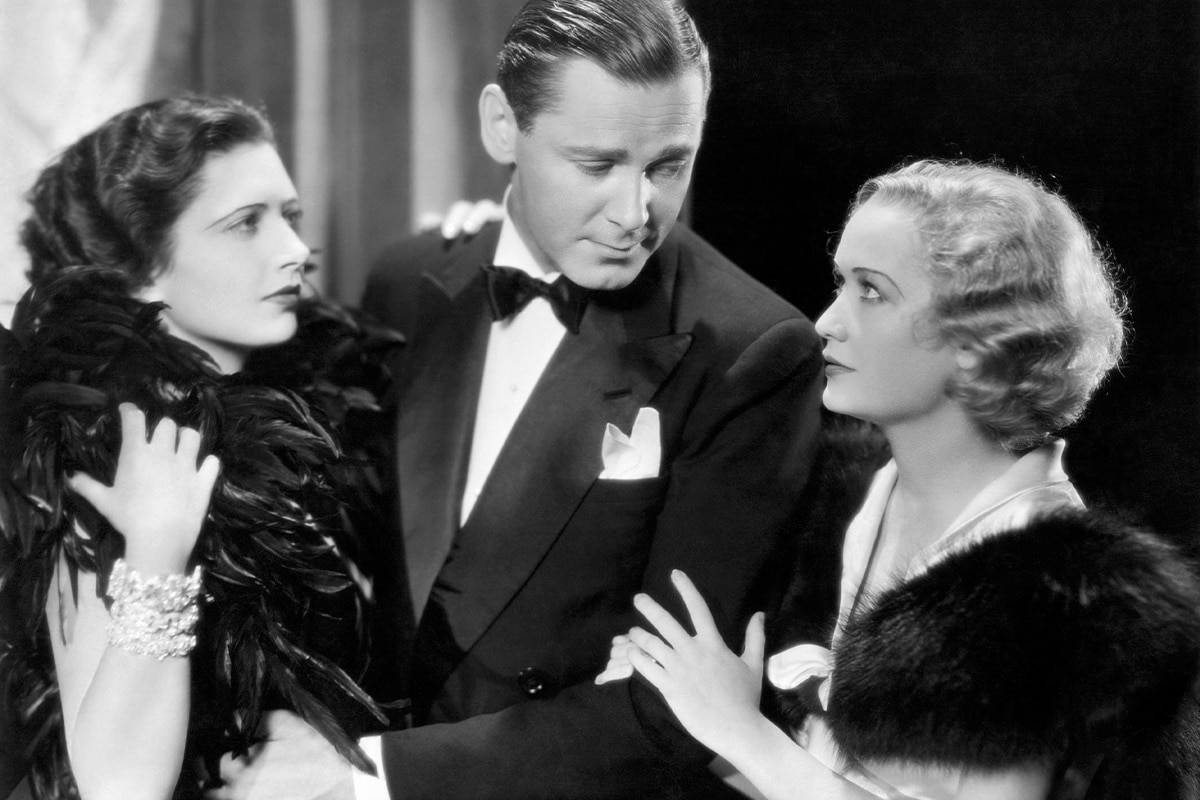
As Marshall and Hopkins target one another before discovering they are in the same business, Lubitsch turns picking pockets into seduction, a kind of foreplay that cements a romantic and professional partnership. The suggestiveness was so provocative that when the producers attempted to reissue the film in 1935, after the Production Code was in full force, it was refused. Marshall, who lost a leg in the war and was physically restricted when it came to moving about sets, could be a stiff performer, but his voice has an almost musical quality that makes the dialog all the more seductive. Lubitsch directs him to arguably his greatest performance and even gives him a kind of gift by sending his character dashing up and down flights of stairs with the deft use of a double, giving him a physicality that Marshall's screen characters otherwise never exhibited.
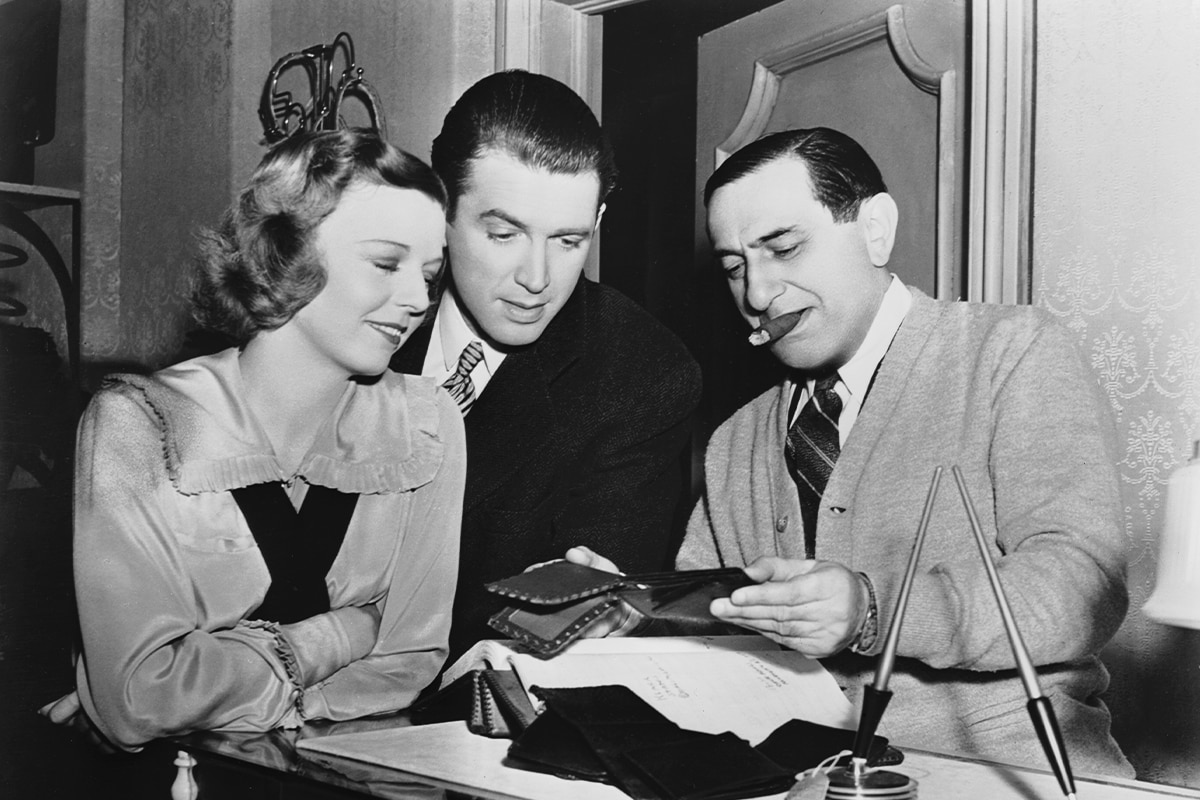
The Shop Around the Corner (1940) takes Lubitsch from the sophisticated worlds of the rich and aristocratic to the streets of working-class folk with a gentle yet bittersweet romantic comedy set in a Budapest shop during the Depression. James Stewart and Margaret Sullavan play rival sales clerks who bicker by day and, unknowingly, romance one another at night as pen-pals. It was a personal project for Lubitsch, who had worked in his father's Berlin clothing store as a boy. He purchased the rights to the Hungarian play "Parfumerie" and developed the screenplay with his longtime collaborator Raphaelson, shifting the action from a ritzy perfume shop to a modest leather-goods store catering to a middle-class clientele. Though set in Budapest, it could (but for all the Hungarian signs) have just as easily been an American city struggling through the Depression, and the casting of Stewart and Sullavan further Americanizes the otherwise foreign locale (created entirely, of course, on the MGM lot).
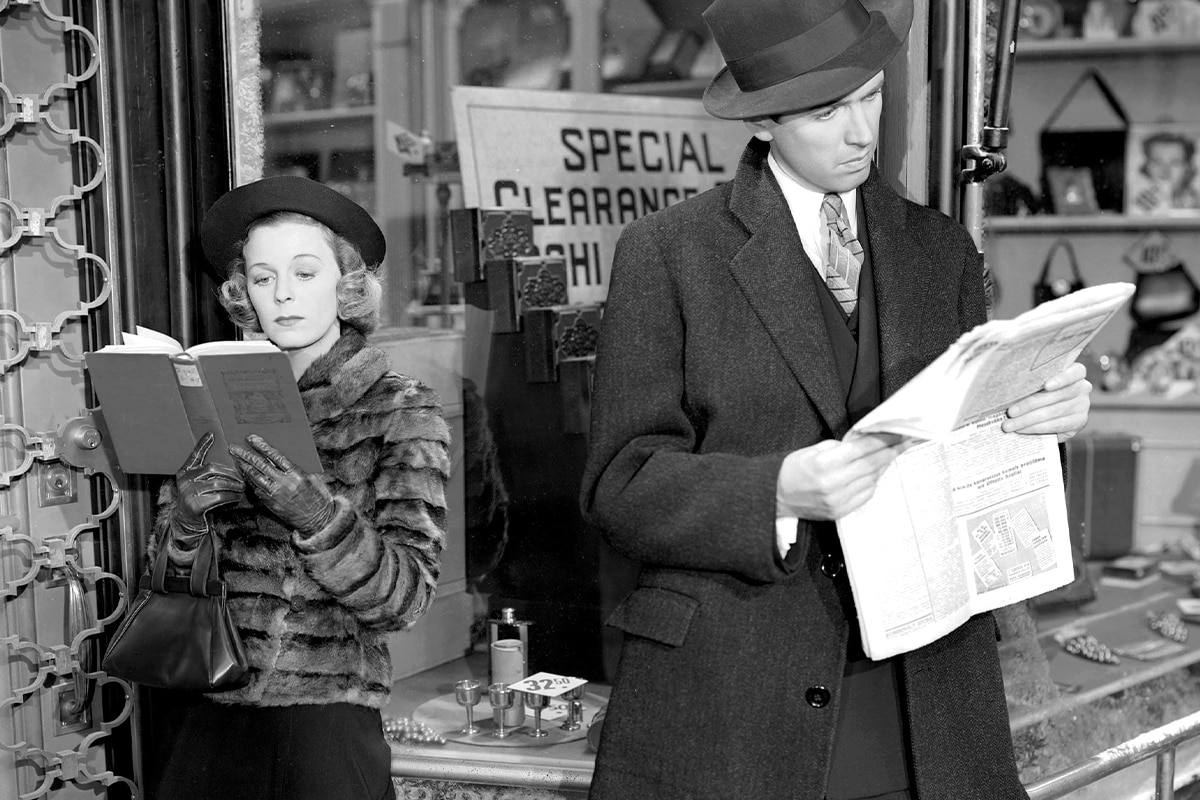
Lubitsch had hoped to make it independently in 1938, but couldn't find any backing and finally sold the project to MGM as part of a two-picture deal. When his two stars, who had been friends since their theater days in the 1920s, proved unavailable, he delayed production until their schedules cleared. While he waited, he made Garbo laugh in the glamorous Ninotchka (1939). "As for human comedy, I think I was never as good as in The Shop Around the Corner," he wrote in a letter to film historian Herman G. Weinberg in 1947. "Never did I make a picture in which the atmosphere and the characters were truer than in this picture." It was remade as the musical In the Good Old Summertime (1949) with Judy Garland and Van Johnson and was reimagined for the e-mail age in You've Got Mail (1998) with Tom Hanks and Meg Ryan. But neither quite captures the modest humanity and heartfelt camaraderie that make Lubitsch's original so beloved.
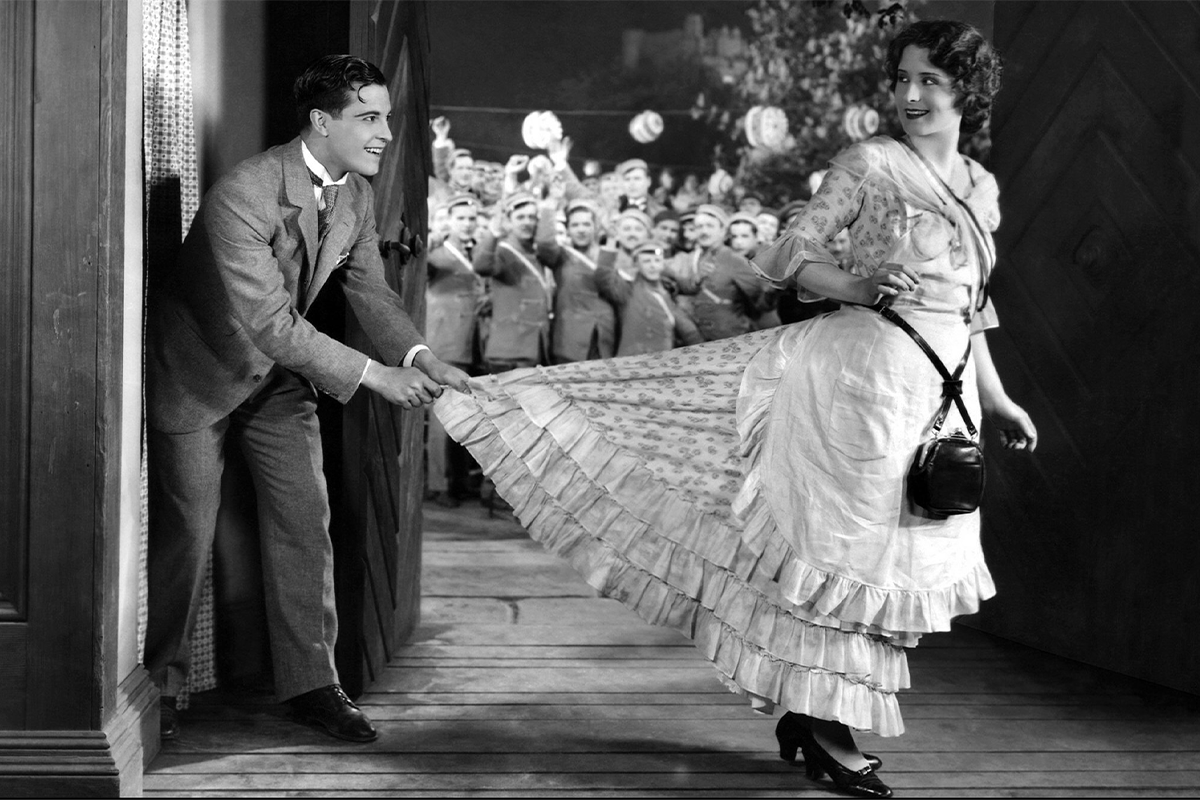
While Lubitsch’s American reputation was built on his witty, sophisticated romantic comedies, it was the lavish costume pictures he made in Germany that brought him to Hollywood's attention. The Student Prince in Old Heidelberg (1927), listed simply as Old Heidelberg on some prints, is the rare Hollywood film to harken back to those glory days. Roman Novarro, who leapt into the top ranks of American movie stars after headlining the blockbuster epic Ben-Hur in 1925, stars as the titular prince. A sheltered royal from a small (fictional) European country, he escapes the cloistered palace grounds for college and finds bonhomie with his fellow students and love with Kathi (Norma Shearer), the serving girl at the local beer garden. But the freedom from royal responsibility cannot last. The MGM production was a change from the elegant sex comedies Lubitsch had been making for Warner Bros., a bittersweet romantic drama that celebrated rather than satirized the old-world charm of its European setting and embraced the passions of its characters, prince and peasant alike, without a hint of satire or hypocrisy. "I got tired of those frothy French farce comedies," the director told interviewers at the time. "I tried for simplicity. It's a tender, romantic story and I treated it that way." This is Lubitsch at his most earnest, and his affection for the characters, and everything they have to sacrifice to duty is genuine.
Sources:
Ernst Lubitsch: A Guide to References and Resources, Robert Carringer and Barry Sabath. G.K Hall & Co., 1978.
Ernst Lubitsch: Laughter in Paradise, Scott Eyman. Simon & Schuster, 1993.
"Lubitsch Musicals," Michael Koresky. Criterion, 2008.
On Cukor, Gavin Lambert, Rizzoli, 2000.
How Did Lubitsch Do It?, Joseph McBride. Columbia University Press, 2018.
The Lubitsch Touch: A Critical Study, Herman G. Weinberg. Dover, 1977.
AFI Catalog of Feature Films
IMDb