February 1 and 8 | 4 Movies
In honor of Black History Month, TCM will feature maverick director Michael Schultz in conversation with Jacqueline Stewart for two nights in February to discuss his origin story as a hero of Black cinema. One of the most prolific Black directors of all time, Michael Schultz’s craft transcends mediums. He broke ground in theater and broke through ceilings in Hollywood, not just with feature films, but with TV shows as well. He launched the careers of young actors who are now icons, such as Denzel Washington and Samuel L. Jackson, and as a new director also collaborated with the comedy legends of the time, like Richard Pryor. His career was not merely a burst that spanned a few years, but a marathon of determination, and at 87, he has outperformed his peers by decades.
Originally hailing from Milwaukee, Wisconsin, Schultz first started out in theater. His work with the Negro Ensemble Company paved the way for his Broadway debut in 1969, “Does a Tiger Wear a Necktie?,” which starred a young Al Pacino whose featured performance earned a Tony Award. Schultz’s wife Lauren Jones starred opposite Pacino; she and Schultz were also nominated for Tonys for their roles as Best Supporting Actress and Best Director, respectively. After that, Schultz was offered the opportunity to direct his first movie, To Be Young, Gifted, and Black (1972), a biography about the pioneer Black playwright Lorraine Hansberry. His star rising, Schultz journeyed to Hollywood, where he cut his teeth directing for the small screen on such shows as “Starsky and Hutch,” “The Rockford Files,” and “Baretta.”
Schultz got his big feature-film break with American International Pictures’ Cooley High in 1975. Cooley High is a coming-of-age independent film about seniors Leroy Preach Jackson (Glynn Turman) and Richard Cochise Morris (Lawrence Hilton-Jacobs). Preach is a writer and poet who won’t fully embrace his writing ambitions; Cochise has just won a sports scholarship to college with a bright future ahead. Preach and Cochise ditch the last period of school one Friday to embark on the sort of adventure that teens would be familiar with—trying to get the girl, crashing out at a party, generally having a good time—only for the joyride to go a step too far, with a far-too-adult price to pay. The tragic turn marks the difficult transition from the innocence of youth to the harshness of adulthood. Screenwriter Eric Monte based much of the story on his own experience attending Cooley Vocational High School in Chicago.
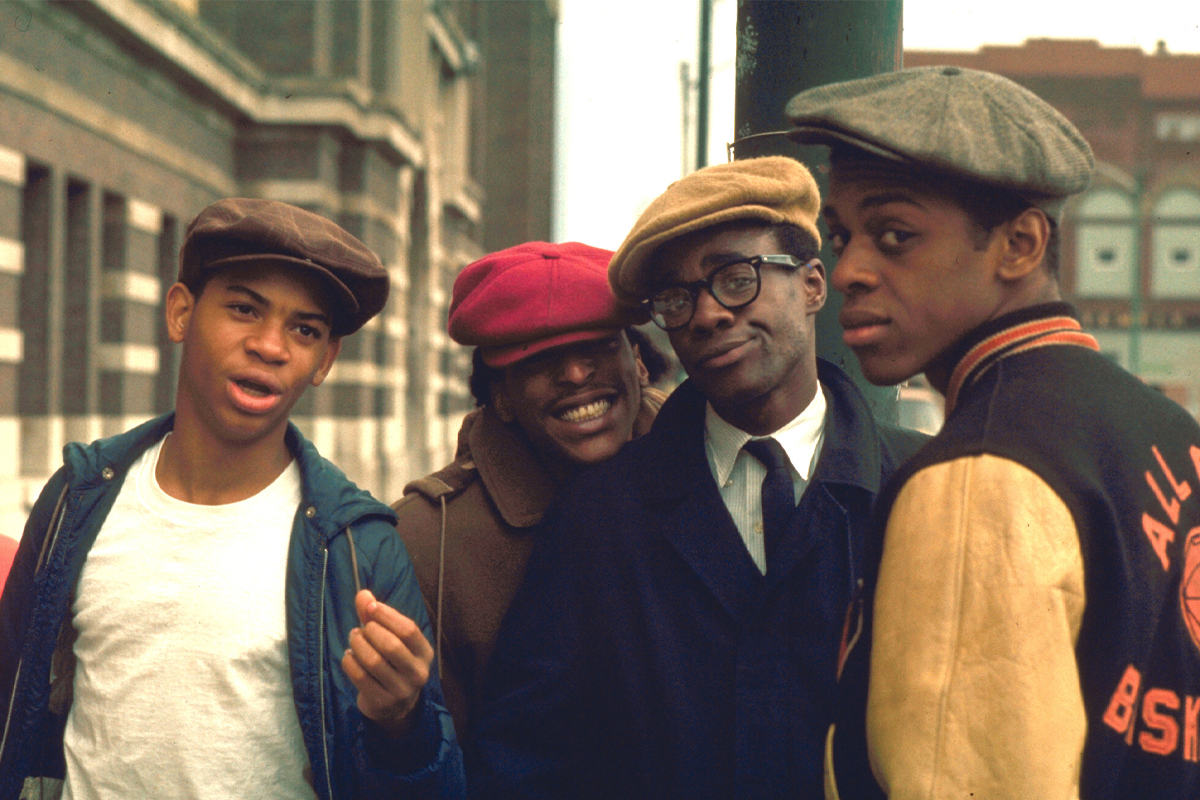
The soundtrack featured huge Motown hits, adding to the nostalgic vibe of the film. The song “It’s So Hard to Say Goodbye to Yesterday” was such a popular song that Boyz II Men covered the tune in 1991, on an album named “Cooleyhighharmony” in tribute to the film. Cooley High was a groundbreaking movie that launched Michael Schultz into mainstream success. He brought to the forefront not just the trials of growing up in Chicago’s Cabrini-Green housing project in the 1960s but also the joy of youthful camaraderie, even if it proved fleeting by the film’s end. In an interview with Filmmaker magazine, Schultz said, “In Cooley High, I wanted the audience to fall in love with the kids and their hijinks, so that when the tragedy happened, it would really feel like a loss. I wanted to show the heart of these guys in a way that hadn’t been seen in the Blaxploitation movies, where everyone was just a badass.”
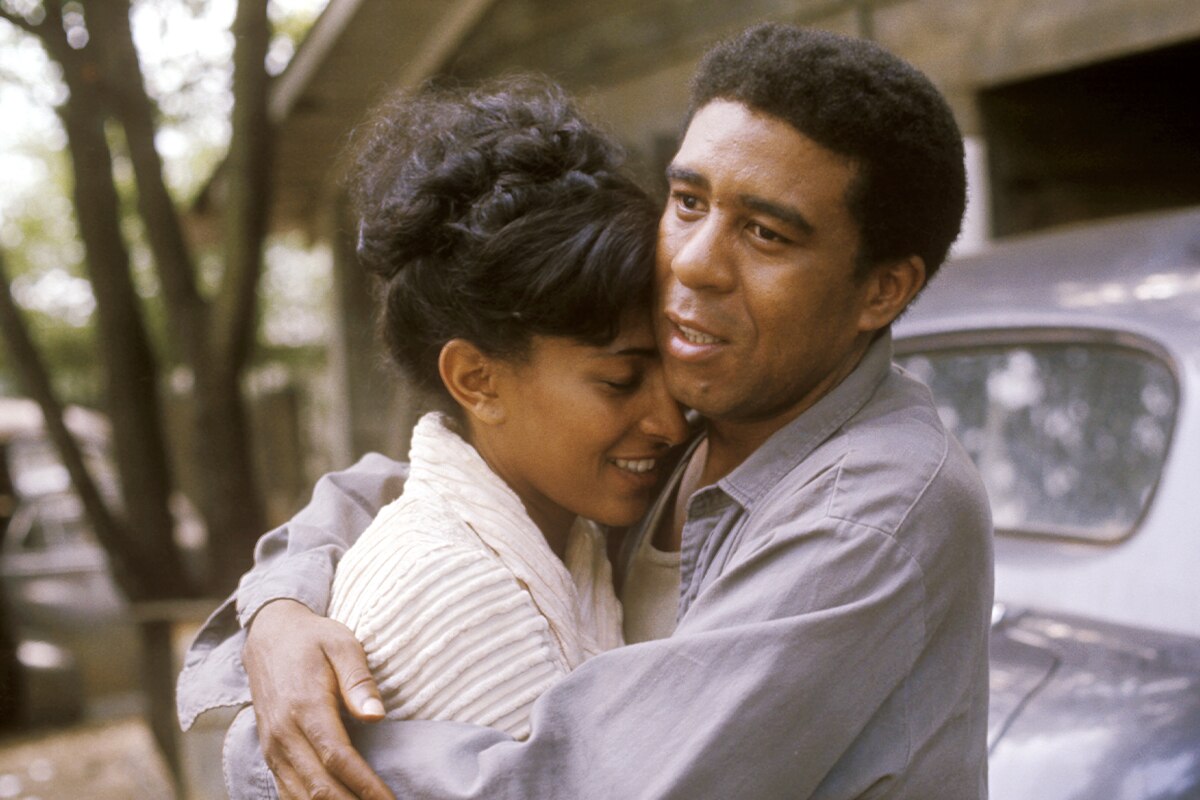
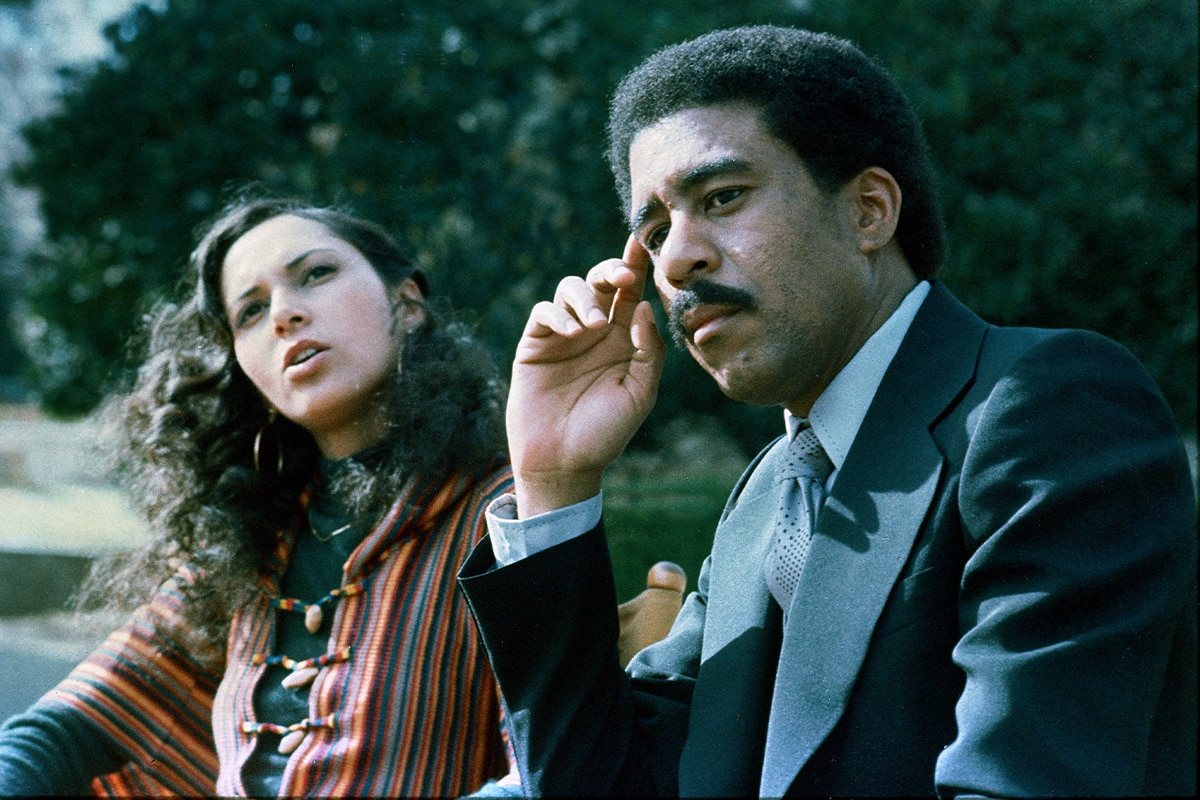
Schultz went on to direct Warner Bros.’s Greased Lightning in 1977. Melvin Van Peebles was originally set to direct, but when he had artistic differences with the producers, Schultz was brought in. The film stars Richard Pryor and is a biopic of Wendell Scott, the first Black NASCAR driver. The movie features Scott’s early days as a taxi driver and illegal substances runner, both of which honed his skills so he could give all the predominantly white racecar drivers and track owners a run for their money. The film shows his rise to become the first Black NASCAR champion. Shooting the film on location at actual racetracks around Georgia mirrored the racism that Scott came up against, with onlookers causing such a ruckus during takes that Schultz flipped his calls for “action” and “cut” just to have quiet on the set. The film also stars Pam Grier, who appeared extensively in Blaxploitation films of the era. Grier and Pryor fell for each other on Greased Lightning and were coupled up for years after. Pryor’s portrayal of Scott showed his dramatic range—he wasn’t just a funny guy. Pryor went on to work with Schultz more than any other director.
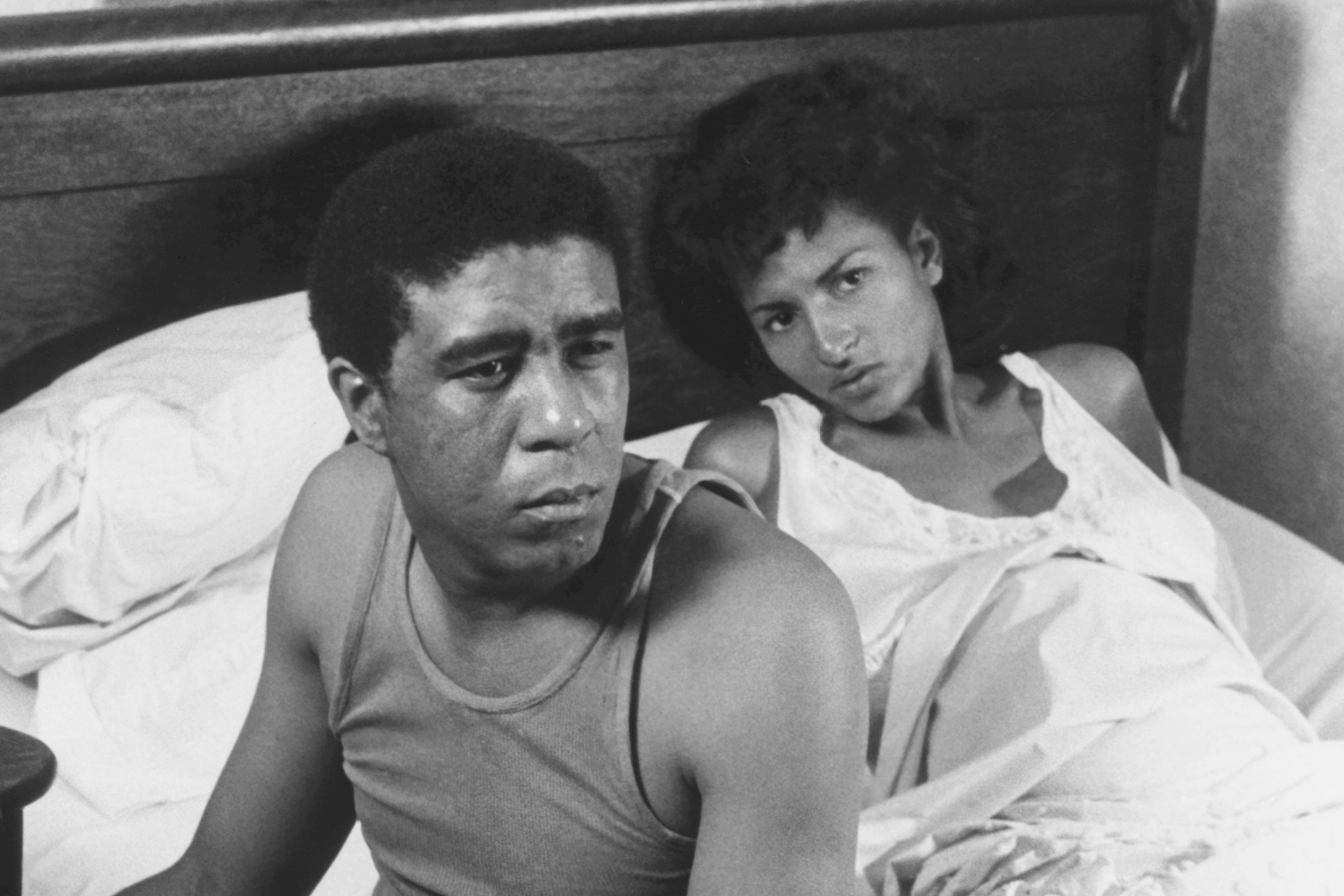
Their next film together was Which Way Is Up?, released by Universal Pictures in 1977. It was adapted from a 1972 Italian film called The Seduction of Mimi. Which Way Is Up? further demonstrated Pryor’s acting talent, as he plays three different characters in the film: Leroy, a farm worker turned union sympathizer who takes adoption of a new life way too far; Leroy’s father Pop, who stays on the farm when Leroy flees to California; and Reverend Thomas, a priest who doesn’t practice what he preaches. Leroy goes from field worker to activist to corporate shill, picking up a new girlfriend and son along the way. For a while, he attempts to live two separate lives with two separate families. But not even a man like Leroy can have his cake and eat it too, in business and in love. The film feels like a commentary on late-stage capitalism, preceding that modern term by almost 50 years. Leroy learns through action and mistakes rather than any kind of self-reflection, and it is perhaps the audience who learns the lesson in the end: that even seemingly superficial choices can come with big consequences. Pryor’s acting versatility truly spoke to Schultz’s ability to pull incredible performances from his actors.
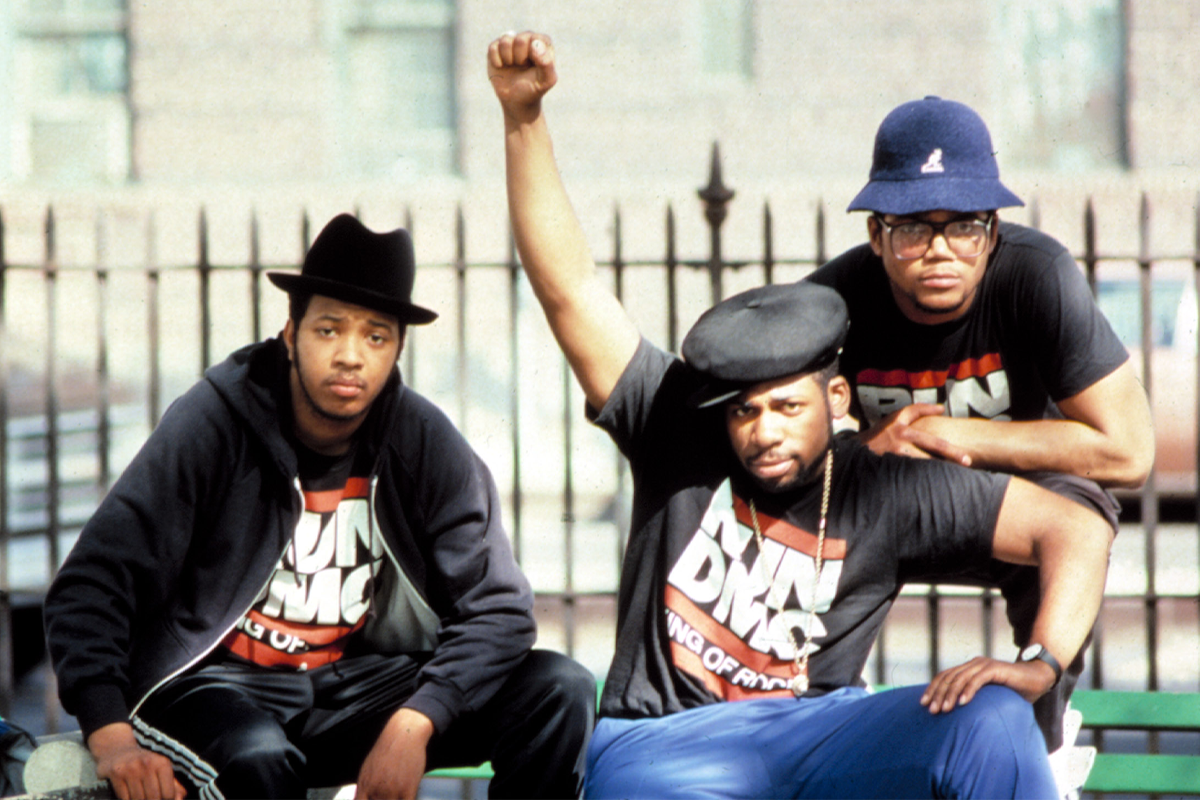
Schultz broke new ground with every film he directed, and he also had a special knack for discovering young talent and launching them into stardom. In fact, the spirit of discovery seems a common thread throughout his vast repertoire. Now a household name, Denzel Washington made his acting debut in Schultz’s 1981 film Carbon Copy. Schultz’s first-ever feature film (Together for Days, 1972) starred a youthful Samuel L. Jackson, formidable even far before Pulp Fiction (1994). Then in 1985, Schultz made Warner Bros.’s Krush Groove, a film inspired by the rise of music producer Russell Simmons and his Def Jam Recordings. A then-unknown Blair Underwood plays Russell Walker, embodying the musical genius who was also adept at the hustle. Such hip hop and rap royalty as Run-DMC, the Beastie Boys and LL Cool J held court in the film, as well as Sheila E. and Chaka Khan—a full roster of musical talent that dominated the ‘80s auditory landscape.
Schultz had originally conceived of the film as a documentary feature of the rap tour Fresh Fest. However, Simmons preferred to see his story as a feature film. Screenwriter Ralph Farquhar took the narrative through several drafts, and the team eventually settled on one that smoothed out the grittiness of earlier versions and featured a love triangle amongst Russell Walker, Sheila E. (who played herself in the film) and “Run” of Run-DMC (played by Joseph Simmons himself, as well). As with any movie adaptation of a real movement, the film took narrative liberties, but the truest authenticity lay in the inclusion of so many of the brightest musical acts of the era, showcasing the vibrancy of the scene itself. Shultz always had an instinctive way to tap into the zeitgeist so that his films were definitive, vital showcases of their times.
Silent Sunday Night will also honor Black History Month with the films of director Oscar Micheaux, the most prolific Black independent filmmaker of the first half of the 20th century, with over 44 films and seven novels to his name. Micheaux spent most of his formative years in random jobs, from a steel mill worker to a Pullman porter. He was enterprising in that he used every one of these experiences to inform his filmmaking, whether financially through connections he had made while traveling or life providing the inspiration for his art. Micheaux was both a literal and figurative pioneer; at a time when many Black young adults chose to stay in cities, Micheaux moved out West and bought a homestead in 1904 in South Dakota.
Although his chapter as a homesteader was brief, he used this time in his life as material for his novel “The Homesteader.” An African American film production company, Lincoln Motion Picture Company, offered to produce his novel as a feature film. Although Micheaux refused their offer, he was inspired to make a film version of his book himself under his own production company, Micheaux Film Corporation. He was rigorous with budgets but still managed to attract some of the most well-known Black actors of their time. His films resonated immediately; Black audiences were attracted to his films, seeing themselves reflected authentically where mainstream studio films had failed.
Within Our Gates (1920) was Micheaux’s second film and presented the journey of a Black woman named Sylvia Landry, played by Evelyn Preer, who travels to the North to visit her cousin and must navigate romance and marriage amidst the racial tensions of the time. Some viewed Within Our Gates as a reaction to D.W. Griffith’s Birth of a Nation (1915), but in truth, it was much more than that. It was a searing portrayal of the violence that widespread racism of the day caused. Micheaux did not flinch from focusing on difficulties Black people faced, but the key was exploring these challenges within a gripping story that audiences could resonate with.
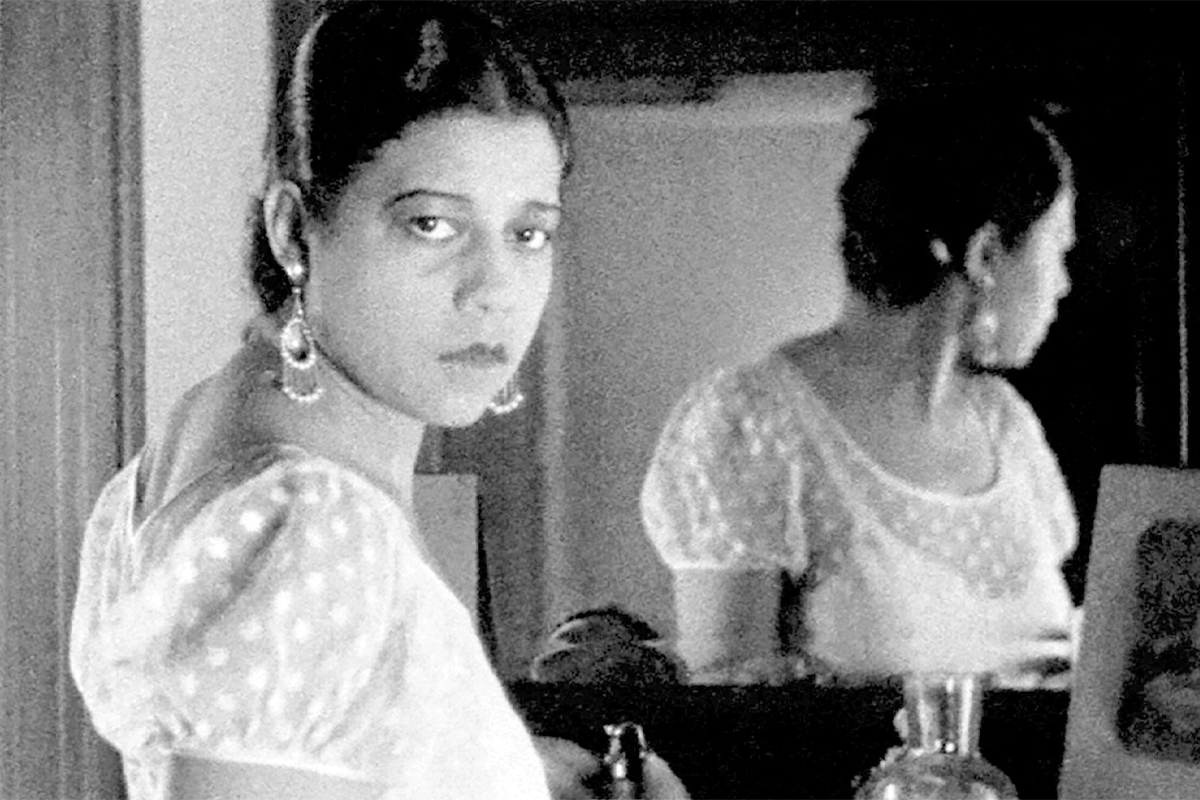
With The Symbol of the Unconquered in 1920, a white-passing Eve Mason, played by Iris Hall, leaves the Deep South for the Northwest and faces the intersectional conflict of race when it dovetails with patriarchy. Micheaux examined with a sharp eye not only racism but also mixed race and white-passing identity and how it was perceived by white society and the Black community. Micheaux once again expounded on complex identity issues that are effectively unpacked through story.
For a long time, Oscar Micheaux was underrated in film history, but he was finally recognized in 1986, when the Directors Guild of America posthumously awarded him its Golden Jubilee Special Award. He received a star on the Hollywood Walk of Fame in 1987. The 2021 documentary Oscar Micheaux: The Superhero of Black Film Making by Francesco Zippel shines a light on his life and work, finally giving him the honor he is due and contextualizing his art within the wider history of Black filmmaking.