In partnership with The Film Foundation, iconic film director and classic movie lover Martin Scorsese's exclusive monthly contribution to the TCM newsletter Now Playing in December, 2016.
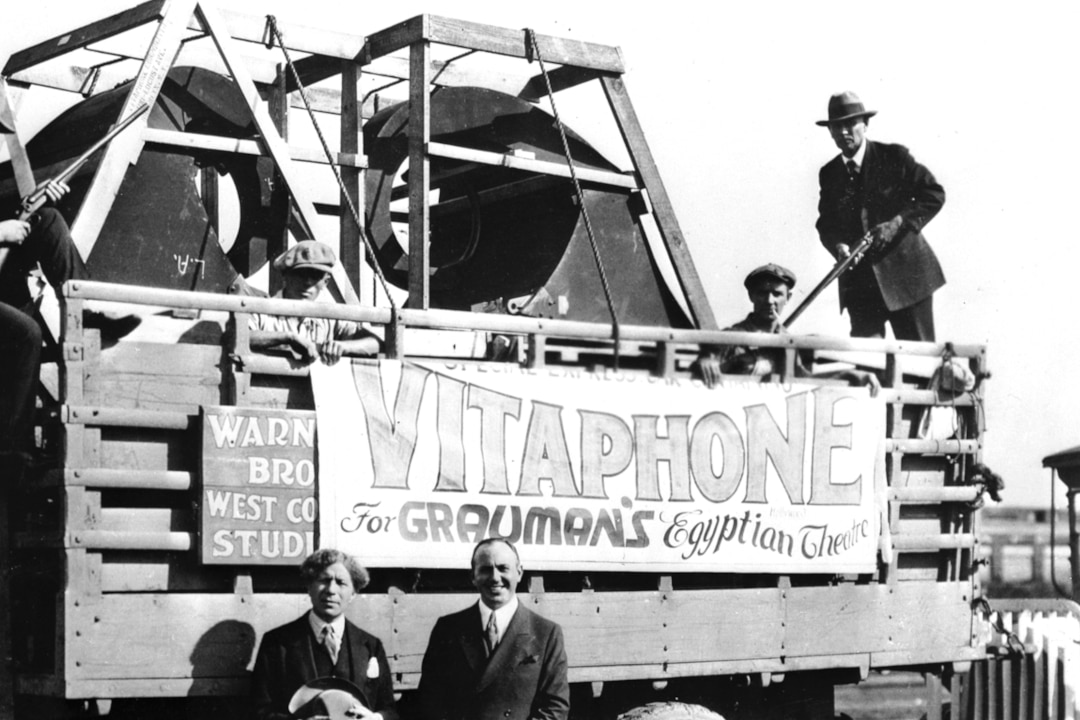
December 5 marks the 90th anniversary of Vitaphone, the first widely used sound system in movies. The sound was recorded on discs, and they were played on a turntable that was synced to the motor for the projector. Warner Bros. acquired the system from Western Electric and introduced it with the 1926 feature, Don Juan, with John Barrymore, where it was used for a symphonic score and sound effects only. The big breakthrough, of course, came a year later with The Jazz Singer, a part-talkie. TCM is celebrating the anniversary with 24 hours of Vitaphone, which includes screenings of both of those pictures in addition to Showgirl in Hollywood, the Colleen Moore picture Why Be Good? and The Better 'Ole, an Edwardian musical comedy for the stage starring Charlie Chaplin's brother Sydney.
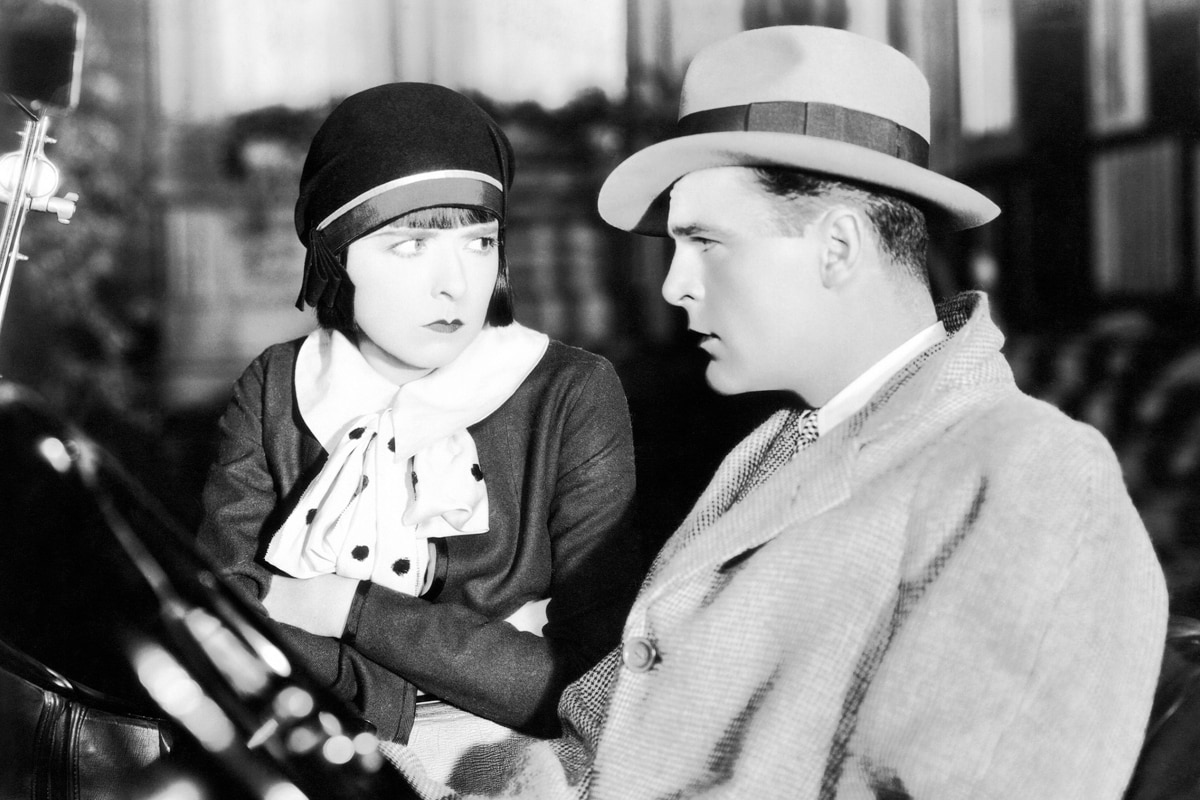
But today, the Vitaphone process is primarily associated with hundreds of shorts, many of them musical, shot during the early sound era, and the many more made under the Vitaphone banner after the shift to optical soundtracks. These shorts comprise the majority of TCM's programming for the anniversary tribute. Many of these pictures are made with a static camera (for a sense of the very early days of sound and the obstacles posed by the first Vitaphone pictures, see Singin' in the Rain...again), but that's beside the point. The Vitaphone shorts, many of which have been restored by The Vitaphone Project, a consortium of movie fans and record collectors (they also facilitated the restoration of Why be Good?), offer us a priceless record of the world of vaudeville (TCM is showing Burns and Allen in Lambchops, The Foy Family in Chips Off the Old Block, Barber Shop Blues with The Nicholas Brothers and Blossom Seeley and Bennie Fields), early glimpses of performers who would become stars within a few years (including Bob Hope in Paree, Paree from 1934 and James Stewart in Art Trouble, also 1934), and performances by some of the best musicians of the era, including Jimmy Lunceford, Cab Calloway and Louis Prima.
TCM is also doing a program of pictures on Tuesday nights throughout the month, entitled The Golden Years. In other words, movies about "old people." There are some remarkable films here, including Vittorio de Sica's extraordinary neorealist picture Umberto D; Ingmar Bergman's Wild Strawberries, starring the great silent director Victor Sjöstrom, and one of the titles that really opened the door to the great era of "foreign film" distribution in the United States in the '50s and '60s: Akira Kurosawa's Ikiru; The Sunshine Boys with George Burns and Walter Matthau; Sam Peckinpah's first great film, Ride the High Country, with Randolph Scott and Joel McCrea; along with Leo McCarey's Make Way for Tomorrow and Yasujiro Ozu's Tokyo Story.
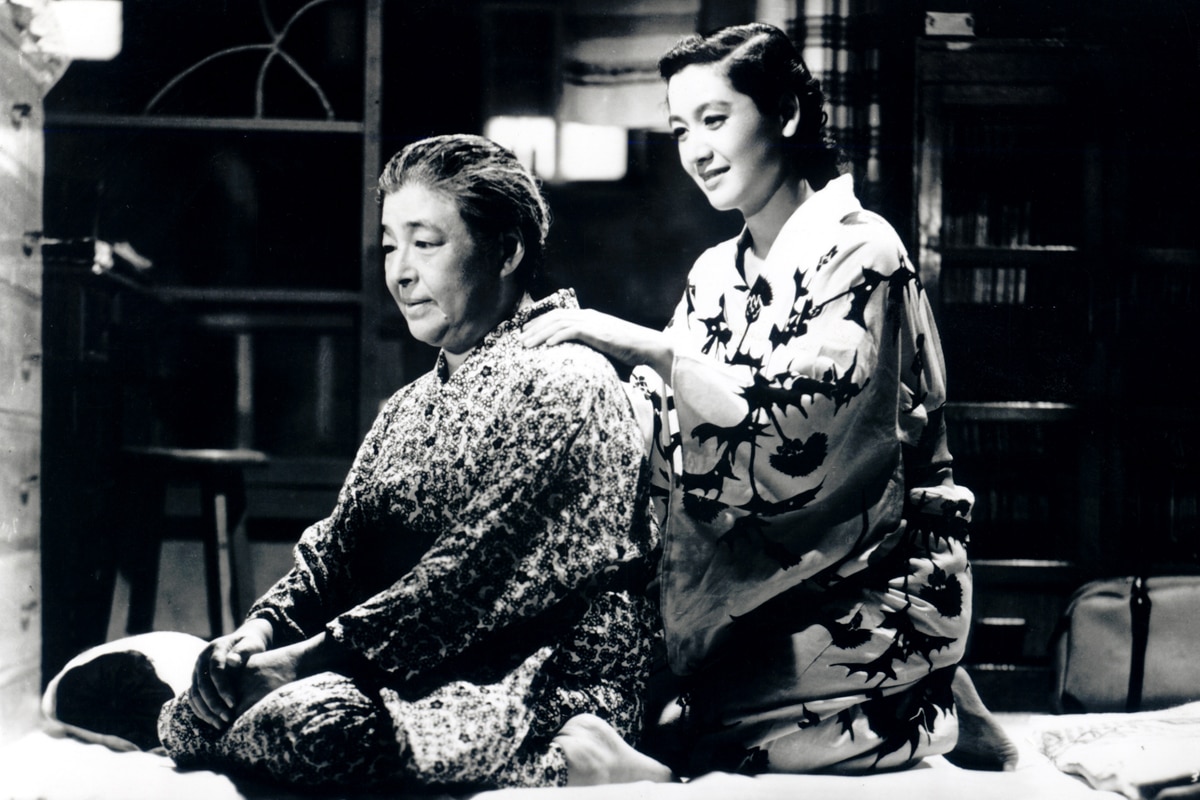
I want to draw particular attention to these two pictures. I know that Ozu was a movie fan and that he knew Hollywood moviemaking very well (there's a clip from the section of If I Had a Million directed by Lubitsch, Ozu's favorite director, in the 1933 Woman of Tokyo), but I have no idea if he had been able to see McCarey's 1937 film before he made Tokyo Story. Not that it matters. What's interesting is that two great artists, thousands of miles, 15 years and a world war apart, made two pictures that were so similar in tone and storyline, and both devastating.