In partnership with The Film Foundation, iconic film director and classic movie lover Martin Scorsese's exclusive monthly contribution to the TCM newsletter Now Playing in April, 2015.
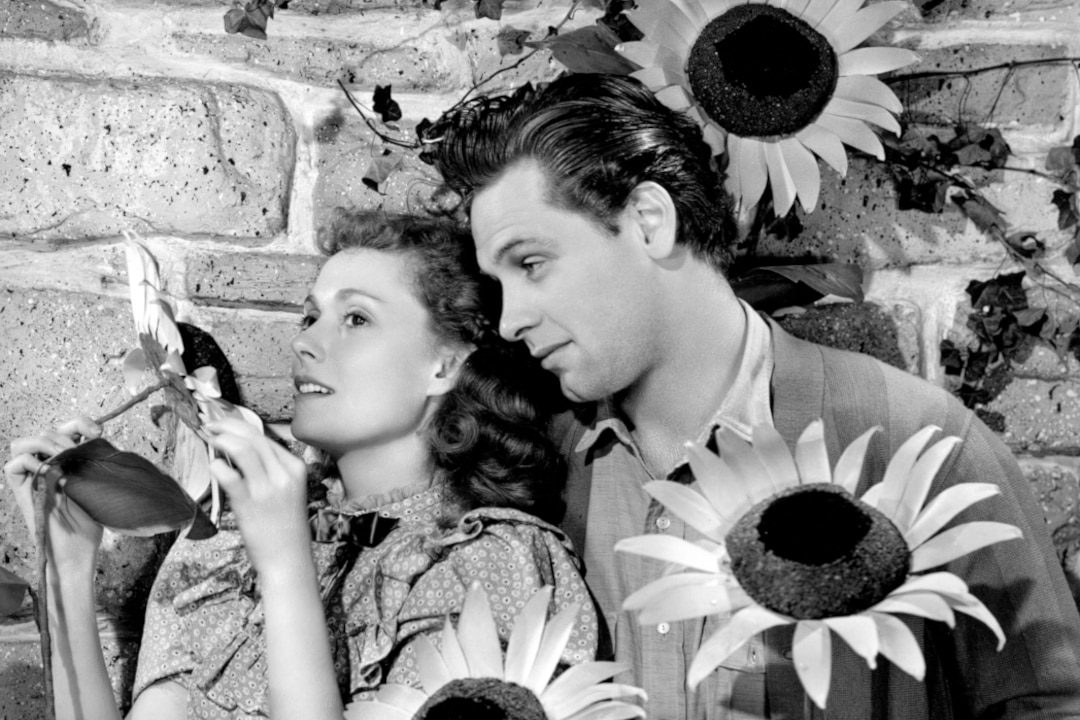
This month, TCM celebrates two actors who more or less defined American movies in the 1950s: William Holden and Marlon Brando represented two vastly different ideas of acting, of manhood, of moviemaking, of America. They were only six years apart (Holden was born in 1918 and Brando in 1924), but Holden always seemed decades older than Brando. It's interesting to remember that he started in movies at the age of 20 and made 26 movies between 1938 and 1949. Some of those movies, like the 1940 adaptation of Thornton Wilder's Our Town, are very good, but Holden doesn't leave a very firm impression in any of them. And then, suddenly, in 1950, came Sunset Blvd. Montgomery Clift was Billy Wilder's first choice for the role, but you would swear that the character had been written for Holden–the biting sarcasm, the self-hatred, the seedy edge to his handsomeness and elegance, the sense of doom shadowing his every move...what a performance.
And then, a year later, came Elia Kazan's version of Tennessee Williams' A Streetcar Named Desire. Marlon Brando's performance in Kazan's 1947 stage production had become legendary and he had already made his film debut in The Men, but he exploded into the movies as Stanley Kowalski in Streetcar. Brando forever changed the idea of acting–he and Kazan turned everything around and made the truth of the actor's approach to his or her character a key element in movies from then on. It was solidified with On the Waterfront, but it started with Streetcar. So you had Holden as the quintessential man of "the straight world persuasion," as Joaquin Phoenix's character says in Inherent Vice, and Brando as the Outsider–both troubled, both very moving as human presences. Holden was buttoned up and Brando was spilling over; Holden was America as it saw itself in the '50s and Brando was the explosive America just around the corner. And we loved both of them equally.
TCM's tributes, on Brando's and Holden's birthdays–respectively, April 3 and April 17–offer little snapshots of their early careers. Neither Sunset Blvd. nor On the Waterfront are included, but Streetcar is, along with Brando's Marc Antony in Joseph L. Mankiewicz's 1953 version of Julius Caesar (I can still remember the sneering derision directed at Mankiewicz for casting Brando, and the freshness and power of the performance, both still there), The Wild One (one of Brando's most iconographic roles), The Fugitive Kind (Sidney Lumet's version of Williams' Orpheus Descending) and The Young Lions, in which Brando gives an amazingly delicate performance as a disillusioned German officer in WWII. You can see Holden in George Cukor's version of Garson Kanin's Born Yesterday, supporting Judy Holliday in her signature performance; The Moon Is Blue, Otto Preminger's film version of German playwright F. Hugh Herbert's hit play (Preminger bucked the Production Code's demands for changes to the script–they objected to the light approach to virginity and pre-marital sex–and the film caused a real stir when it was released without the Code's Seal of Approval), and Executive Suite, one of Holden's very best pictures. It's interesting to think of these two remarkable actors in contrast to one another.