In partnership with The Film Foundation, iconic film director and classic movie lover Martin Scorsese's exclusive monthly contribution to the TCM newsletter Now Playing in January, 2015.
The '80s and '90s were great decades for movie lovers. Suddenly, we had channels like Bravo, American Movie Classics, TNT and then, of course, TCM. All the movies we'd been used to seeing in beat-up 16mm prints were now presented to us in beautiful new transfers, and many other pictures that had been difficult or even impossible to see over the years were suddenly available. I remember so many discoveries and rediscoveries from around this time from the MGM, RKO and Warner Bros. libraries. For instance, many of Frank Borzage's films from the '30s could be seen in transfers that allowed us to fully appreciate their tremendous visual beauty (two of the best of those pictures, Big City and The Shining Hour, are playing this month, as are The Vanishing Virginian and two of his more famous titles, Three Comrades and History Is Made at Night). And then there was Rowland Brown.
Brown was a director I'd heard about for many years, but it was extremely difficult to see his films, of which there were only three (he was working on a fourth, The Devil Is a Sissy, when he was fired for punching out an unidentified "producer"–rumored to be either producer-of-record Frank Davis, David O. Selznick, or Irving Thalberg). Around this time, I was able to see all three of Brown's films and they were a revelation. Brown was a very interesting figure. He was known for his great visual talent, his leftist politics, his underworld connections (you can feel his firsthand knowledge in his two gangster pictures, Quick Millions and Blood Money), and his refusal to compromise on his artistic principles. Brown walked out on more movies than he made, including What Price Hollywood?, The Scarlet Pimpernel and State's Attorney with John Barrymore.
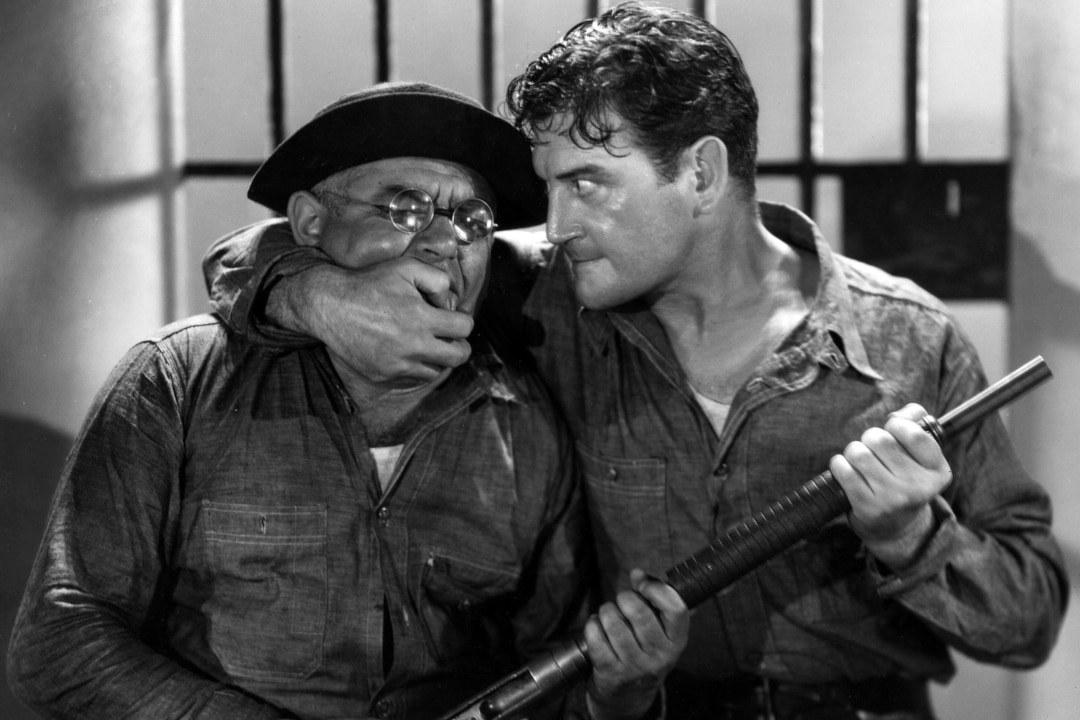
Of Brown's three completed films, Hell's Highway, about the brutality of the chain gangs in the '30s (inspired by the case of Arthur Maillefert, an inmate at the Sunbeam Prison Camp who was strangled by the chain that held him in a sweatbox), was the first to turn up regularly on television in the '90s. It's playing this month on TCM and it's a powerful movie, made quickly at RKO to get the jump on Warner Bros.' I Am a Fugitive from a Chain Gang. Like all of Brown's work, it has a sophistication–artistic, visual, sexual, moral–lacking in other films of the period, and a sardonic irreverence toward authority that is even rarer. Brown and his co-writer Samuel Ornitz (later one of the Hollywood Ten) don't even go through the motions of being respectful to law enforcement (the relatively conventional ending was reportedly shot by another director), and the cynicism is refreshingly casual. There are moments that you will never forget. There's a remarkable scene that we included in my documentary on American cinema: the prisoner played by Richard Dix is about to be whipped by a guard, who suddenly flinches when he sees the tattoo on Dix's back and recognizes that he's a fellow WWI vet. And there's another passage that is quite unlike anything else in American cinema of the period, in which the story of a cuckolded guard and his cheating wife is told in an impromptu Frankie and Johnny ballad. Hell's Highway is an exciting picture by a brilliant artist.