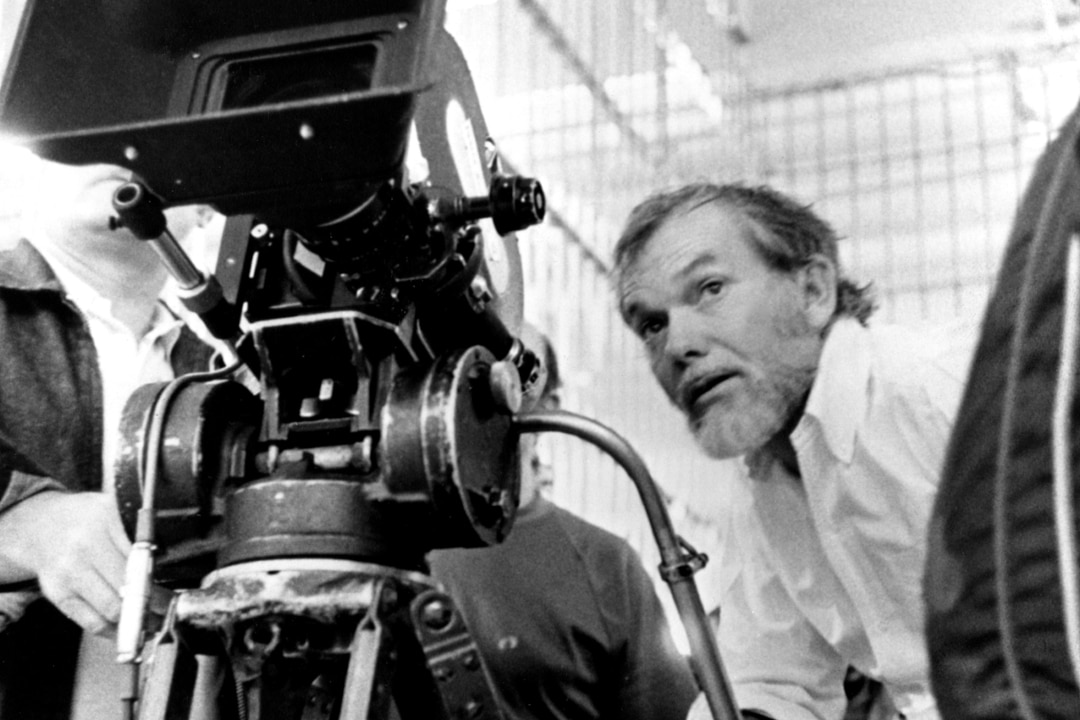
In partnership with The Film Foundation, iconic film director and classic movie lover Martin Scorsese's exclusive monthly contribution to the TCM newsletter Now Playing in June, 2014.
Sam Peckinpah was a born Westerner. He grew up in California on a ranch owned by his grandfather, Denver Church, a judge and four-time Democratic congressman. Peckinpah joined the Marines during WWII and served in China, and when he returned, he went to college, where he developed a passion for the theater. He started in television during its early days, as a stagehand, and in the mid-'50s, he entered the movie business as a dialogue coach for Don Siegel on Riot in Cell Block 11. Siegel became a mentor to Peckinpah, who worked on several of his films in various capacities. Peckinpah actually turns up in a cameo appearance in Invasion of the Body Snatchers (the story that he told years later about re-writing the script appears to have been untrue). In the late '50s, he started writing and directing for television. He began with an interesting sitcom called “Mr. Adams and Eve” starring Ida Lupino and Howard Duff as married acting celebrities (which they were at the time), and from there he worked on numerous Western series, including “Gunsmoke,” “Broken Arrow,” “Zane Grey Theatre” and “The Westerner” (I vividly remember an episode of “The Dick Powell Theatre” he wrote and directed with Lee Marvin called "The Losers"–I believe that was his first use of stylized slow motion).
Peckinpah was asked to direct his first picture, The Deadly Companions, thanks to its co-star, Brian Keith–he was often at war with his producers and sometimes with his stars, and it all reportedly began with this film. The fact that he was unable to change one word of the script (written by Sid Fleischman, who had worked on some of William Wellman's '50s pictures and was known as a writer of children's books) was an added frustration. His second film, Ride the High Country, was another matter. The script is credited to N.B. Stone, another veteran of TV westerns, but Peckinpah did an uncredited rewrite and made it his own. Almost all of Peckinpah's westerns are elegies, with aging heroes who understand that the West they knew–the landscape, the codes of honor, the freedom–is coming to an end. In this picture, his two stars (Randolph Scott and Joel McCrea) were also coming to the end of their days as leading men, and you can feel it in their acting. It's a deeply moving film, and you can see in every frame and hear in every spoken word that it was made by someone with an intimate knowledge of Western history.
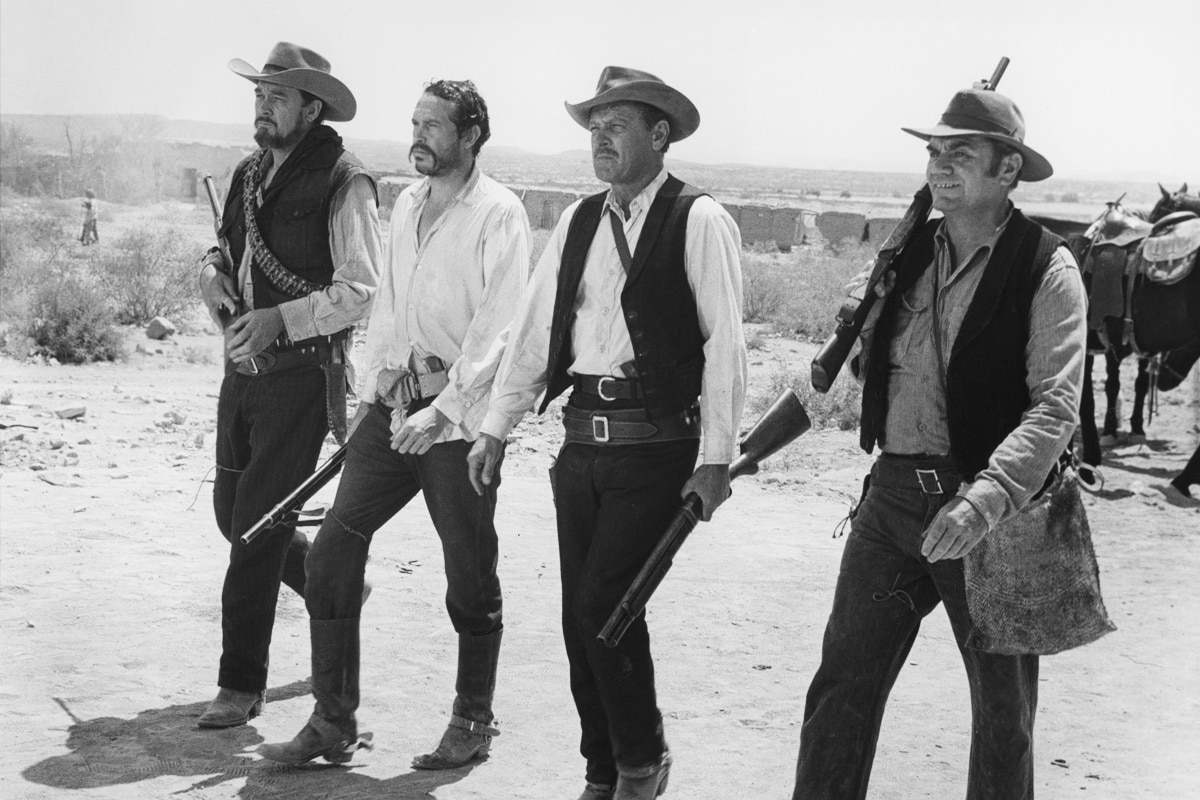
Over the years, Peckinpah acquired a reputation for unpredictable, crazy and violent behavior: the stories of what was happening off the set started to merge with what was happening on the screen, and by the early '80s, he was in bad shape, physically and professionally. He died of heart failure in 1984, two months short of his 60th birthday. As the years have passed, all those stories and rumors and the popular image of Sam Peckinpah the crazy, violent outlaw have passed away, and all we have left are the films. The westerns, which are absolutely unlike anyone else's before or since, are his finest achievements. TCM is presenting five Peckinpah Westerns, including the three greatest: Ride the High Country, The Wild Bunch and Pat Garrett and Billy the Kid. Taken together, these pictures feel like one epic work, rich in character, historical detail and visual beauty. They're extremely (and famously) brutal and bloody, but lyrically so: the spasms of physical violence are directly linked to the spiritual violence of time's passing. They represent three peaks of the Western genre, of American cinema, and of cinema, period.