In partnership with The Film Foundation, iconic film director and classic movie lover Martin Scorsese's exclusive monthly contribution to the TCM newsletter Now Playing in January 2022.
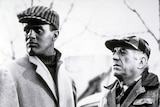
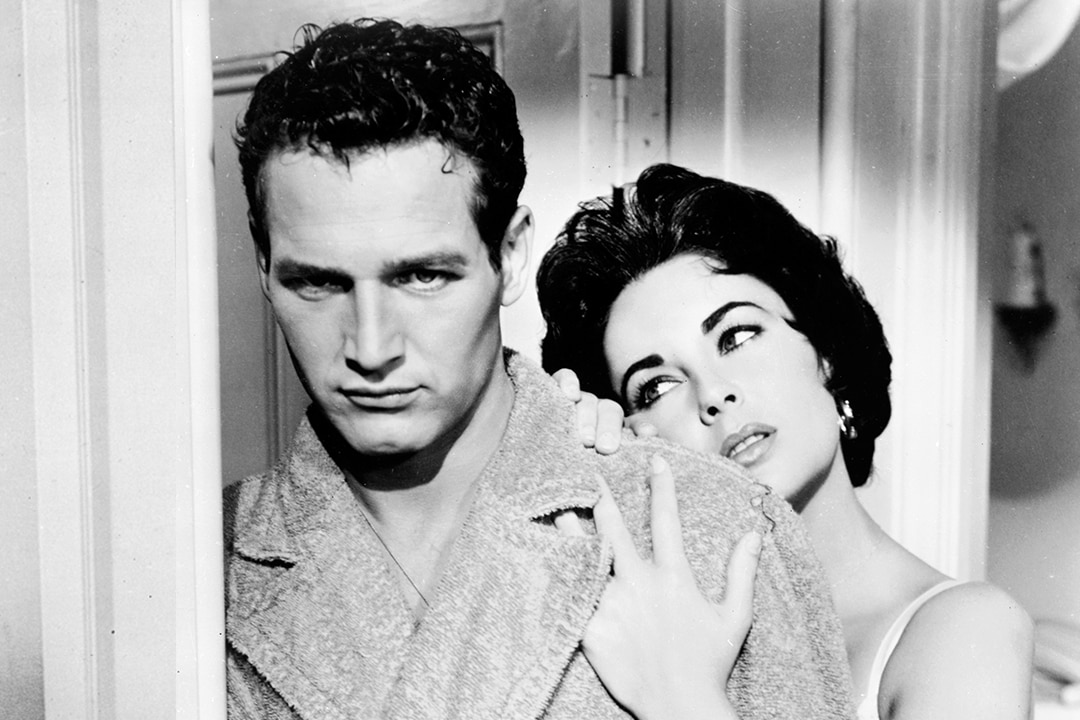
January 26th marks what would have been Paul Newman’s 97th birthday, and TCM is marking the occasion with a six-film program: Somebody Up There Likes Me, Cat on a Hot Tin Roof, The Young Philadelphians, The Prize, Harper and Cool Hand Luke. I find some of these pictures enjoyable and I like Cat on a Hot Tin Roof very much, but I wonder why The Left-Handed Gun or The Hustler or The Rack aren’t included, not to mention some of his later pictures like Buffalo Bill and the Indians, Slap Shot, The Verdict or Mr. and Mrs. Bridge, the last film he made with his beloved wife Joanne Woodward (they acted together in 10 and he directed her in four). On the other hand, it’s interesting at this point to take a close look at Newman in those early roles. You could see him finding his way as an actor, working at his craft and creating his own screen image.
In the beginning of his career, Newman and James Dean, both of whom studied with Lee Strasberg at the Actors’ Studio, were up for many of the same roles—The Left-Handed Gun was written with Dean in mind, and he was also supposed to star in Somebody Up There Likes Me. But Newman had a very different kind of energy and focus as an actor: quieter, more concentrated and coiled—unlike Dean, more a matter of inner tensions than outer anguish. Newman was impossibly beautiful, and in the ‘60s he became what they used to call a “sex symbol,” and one of the biggest movie stars of the era. But he never coasted. He started his directing career with Rachel, Rachel in 1968. It’s a remarkable collaboration with Woodward and an emotionally devastating picture, as was their follow-up in 1972, The Effect of Gamma Rays on Man-in-the-Moon Marigolds.
He never stopped working on his own craft as an actor, and he worked hard at it (he also worked hard for a number of progressive political causes, and he made Richard Nixon’s enemies list). That’s why I regret the omission of titles from the ‘80s and after in the tribute. By the time Paul and I worked together on The Color of Money, he had honed his acting “instrument” to a level of refinement that very few actors get to, and it was stunning to watch him at work. Stunning and quite moving, because it takes a lot to get to that level, where every single gesture and word not only counts but cuts like a knife. I consider myself lucky to have been able to work with Paul and Joanne (on The Age of Innocence) and to have counted them as friends. The artistry of their generation of actors is a beacon.
Happy Birthday, Paul