Tuesdays in July | 22 Movies
This year, the United States marks the 250th anniversary of the nation’s founding. Because movies have been part of American life for more than half that time, it’s natural that any look back at our history should include the films that have both shaped and reflected our culture. Much of that output has come from the Hollywood studios, of course, but filmmakers working outside the studio system have contributed significant work since the very beginning, taking on stories, exploring themes and giving voice to communities that were often neglected or marginalized by Hollywood’s big business model. TCM celebrates these American Independents all month with 22 films by 22 groundbreaking filmmakers, beginning prime time every Tuesday in July.
July 7
Documentaries are almost always independently made, so it’s fitting that the only non-fiction film in this series should kick off the month-long spotlight. The focus here, however, is not so much on Francesco Zippel, the Italian writer-director of several feature-length cinema profiles, including the award-winning Sergio Leone: The Italian Who Invented America (2022), but on the most prominent African American filmmaker of the first half of the 20th century. Zippel’s documentary, Oscar Micheaux: The Superhero of Black Filmmaking (2021), showcases the independent writer, director and producer of more than 40 pictures between 1919 and 1948. Micheaux was the first Black filmmaker to release a feature-length film (The Homesteader, 1919) and a sound feature (The Exile, 1931). This documentary not only looks at his cinematic milestones, most of which suffered from meager financial and technical resources; but it also examines racial issues in early 20th century America and Micheaux’s use of motion pictures to raise consciousness in an age of segregation and prejudice.
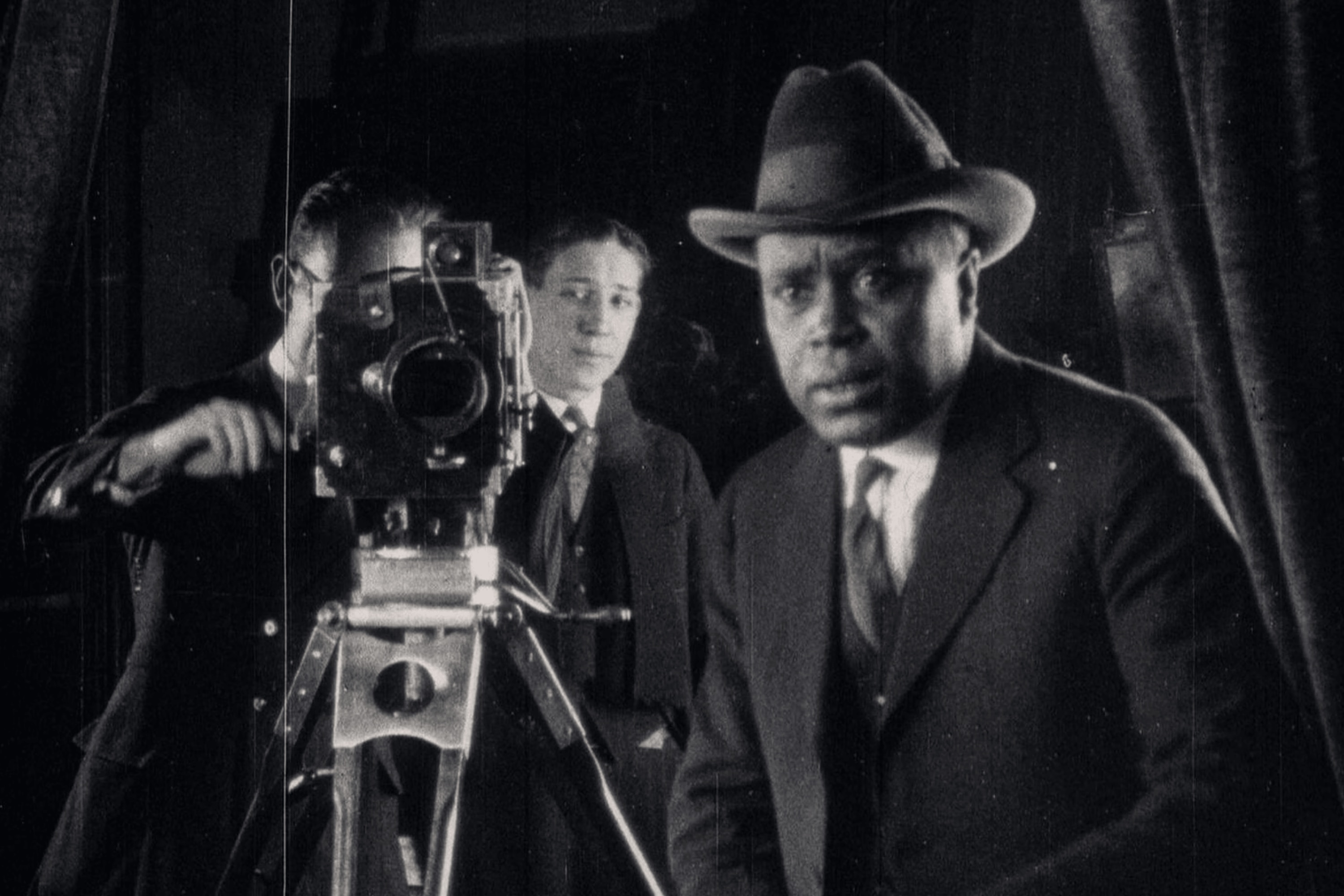
African American film pioneers get another nod with The Blood of Jesus (1941), arguably the most successful of what was known as “race pictures” and the feature film directing debut of Spencer Williams, who gained fame in the 1950s as one of the stars of the popular TV comedy series The Amos ‘n Andy Show. In 1991, this religious fantasy drama was selected for preservation in the National Film Registry by the Library of Congress.
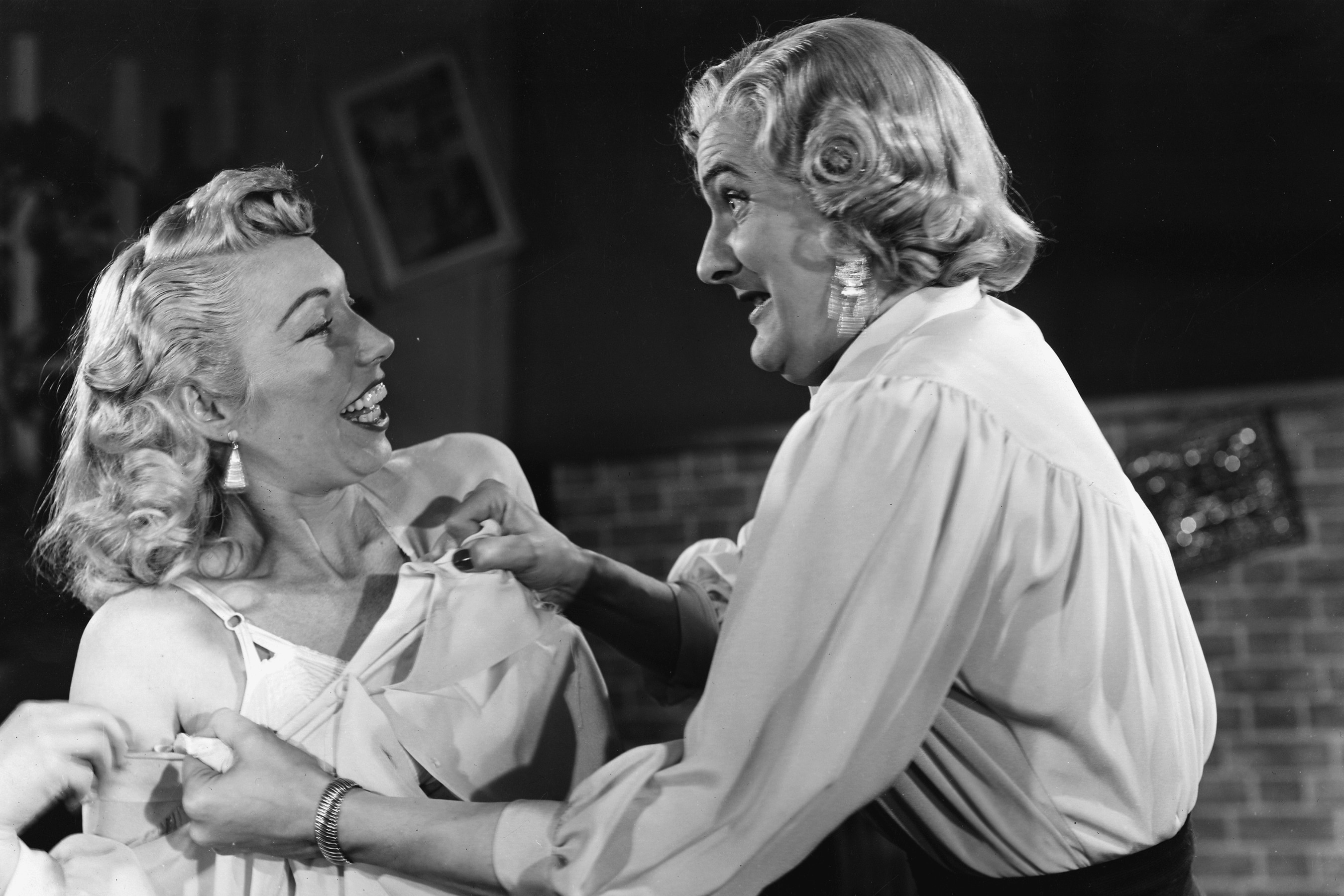
The evening also sees the TCM premiere of Ed Woods’ Glen or Glenda (1953). It’s hard to believe this story about a conflicted cross-dresser could have been made in the early 1950s, a testament to the idiosyncratic work independent artists were able to produce far outside the studio system. Considered one of the worst films ever made at the time of its release (soon to be supplanted by Woods’ own Plan 9 from Outer Space, 1958), it has since become a cult favorite and a landmark, if a problematic and quirky one, of gender indentity representation on screen. As anyone who has seen Tim Burton’s biopic Ed Wood (1994) knows, the director was himself a cross-dresser and portrayed the lead in this picture.
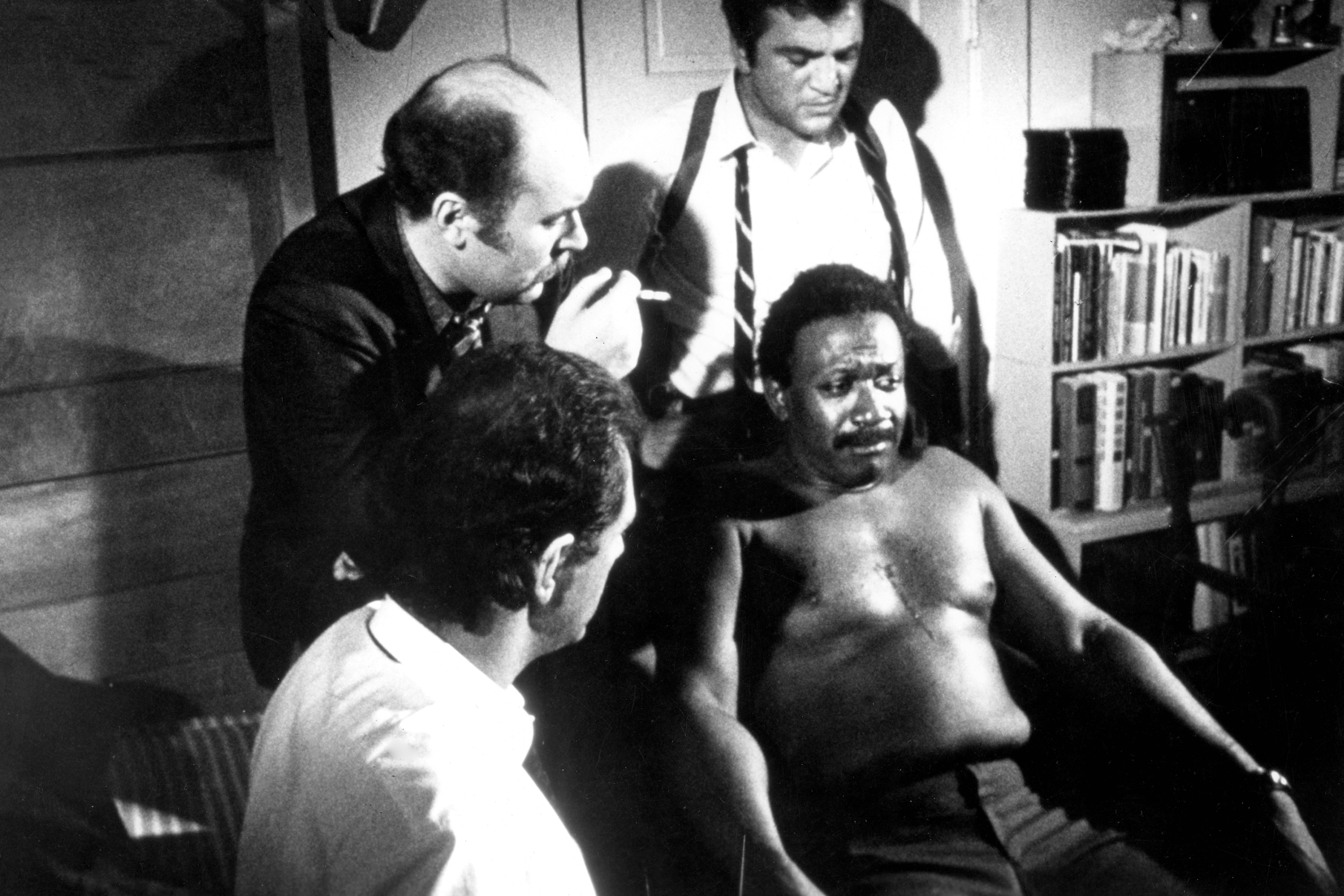
The evening also includes work by some more recognizable names, including the suspenseful The Hitch-Hiker (1953) by Ida Lupino, a popular actor who segued into directing, becoming one of the most prolific and successful female filmmakers of her time; Hell’s Angels (1930), a realistic depiction of WWI flying aces by future RKO studio owner Howard Hughes; and Captain Fury (1939), an Australia-set Western from Hal Roach, better known as the producer-director of comic legends Harold Lloyd, Laurel and Hardy and the Our Gang child actors.
July 14
By the 1960s, the style and substance of Black-produced films had changed from Micheaux’s and Williams’s day, but not necessarily the conditions of production. Even though he had been offered a three-picture contract by Columbia, Melvin Van Peebles was unable to get any studio backing for Sweet Sweetback’s Baadasssss Song (1971), a picaresque tale of a Black man and his run-ins with authorities, written, directed, edited, scored and starring Van Peebles. The film was initially rated X (“by an all-white jury,” according to one of its advertising tag lines) and opened in only two theaters but soon became a big hit, giving birth to a new style of films that would evolve into the Blaxploitation genre, which rose to prominence over the following decade. Spike Lee credited the film with opening the door for his own movies and others by Black artists.
Speaking of X-rated landmarks (and the updated adults-only rating NC-17), John Waters’ Pink Flamingos (1972) made him and star Divine household names (at least in certain households) for its wildly outrageous “exercise in poor taste,” a line used aptly to market the picture. One of the best known and most beloved underground cult films of all time, it was preserved in the National Film Registry in 2021. That distinction was also awarded in 1999 to the granddaddy of all zombie movies, George A. Romero’s Night of the Living Dead (1968). A veteran of commercials, industrial films and Mister Rogers’ Neighborhood, Romero mixed gore and genuine frights with a subtle political and cultural critique to create, in the words of Paul McCullough of Take One, the “most profitable horror film ever…produced outside the walls of a major studio.”
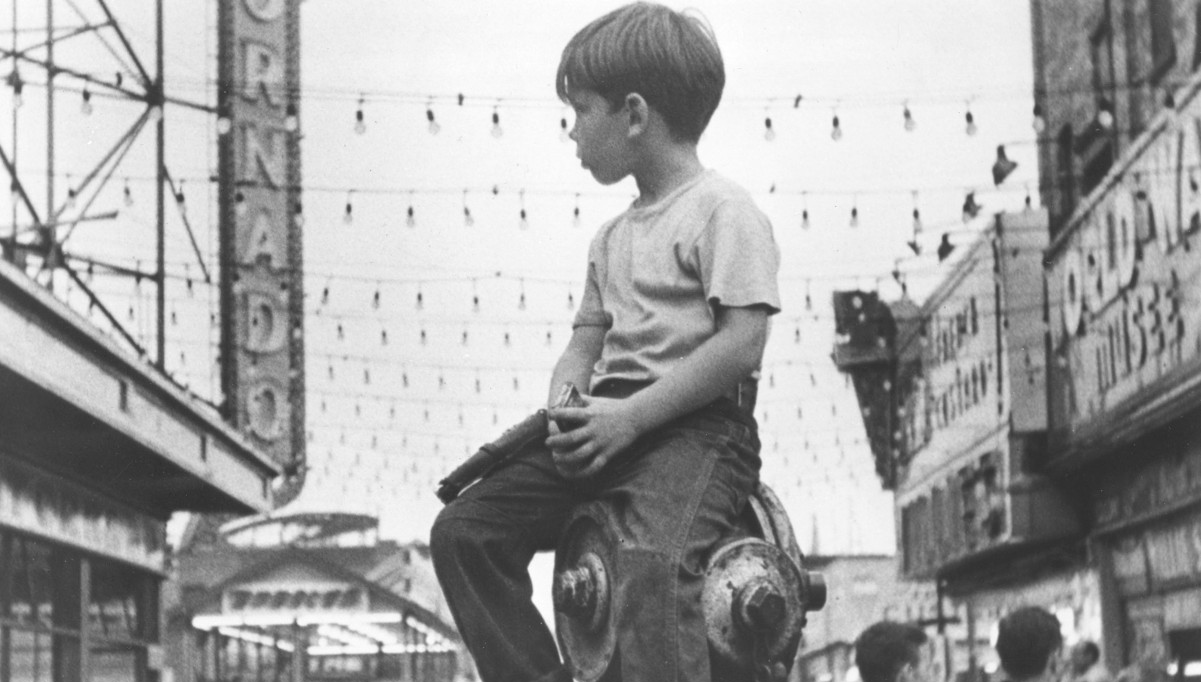
For some earlier, and decidedly less shocking, though no less impactful, dramas, the night’s programming offers Little Fugitive (1953), directed by Morris Engel and often acknowledged as an influence on the French New Wave; The Connection (1961), the first feature by Shirley Clarke, a visionary avant garde artist marginalized and neglected for many years; and Park Row (1952), a lively look at journalism history by the uncompromising Samuel Fuller, regarded by critic Andrew Sarris, an early proponent of the so-called auteur theory, as an “authentic American primitive.”
July 21
Three nights into the series brings an incredibly rich line-up of influential and artistically accomplished independent works, beginning with one of the most acclaimed dramas by a true icon of American independent cinema and an inspiration for generations of filmmakers to come. With six groundbreaking films already under his belt, John Cassavetes turned out his most successful and accessible feature yet in A Woman Under the Influence (1974). The story of a blue-collar housewife losing her grip on reality (played by his wife and indispensable collaborator Gena Rowlands), the film earned two Academy Award nominations, several other important awards and commercial success after Cassavetes personally booked it into theaters when he couldn’t find a distributor. It remains highly praised today, particularly for Rowlands’ intense performance.
Contemporary filmmaker Jim Jarmusch publicly proclaimed his admiration of Cassavetes in an open letter published in Tom Charity’s book “Lifeworks” in 2001, 12 years after Cassavetes’ death, noting that “what [Cassavetes’] films illuminate most poignantly is that celluloid is one thing and the beauty, strangeness and complexity of human experience is another.” Jarmusch has built a career around that complexity, amply demonstrated in his second feature, Stranger Than Paradise (1984). An interesting comparison can be made between the two film artists, revealing what they have in common, with the screening of Jarmusch’s absurdist deadpan comedy, directly following Cassavetes’ film.
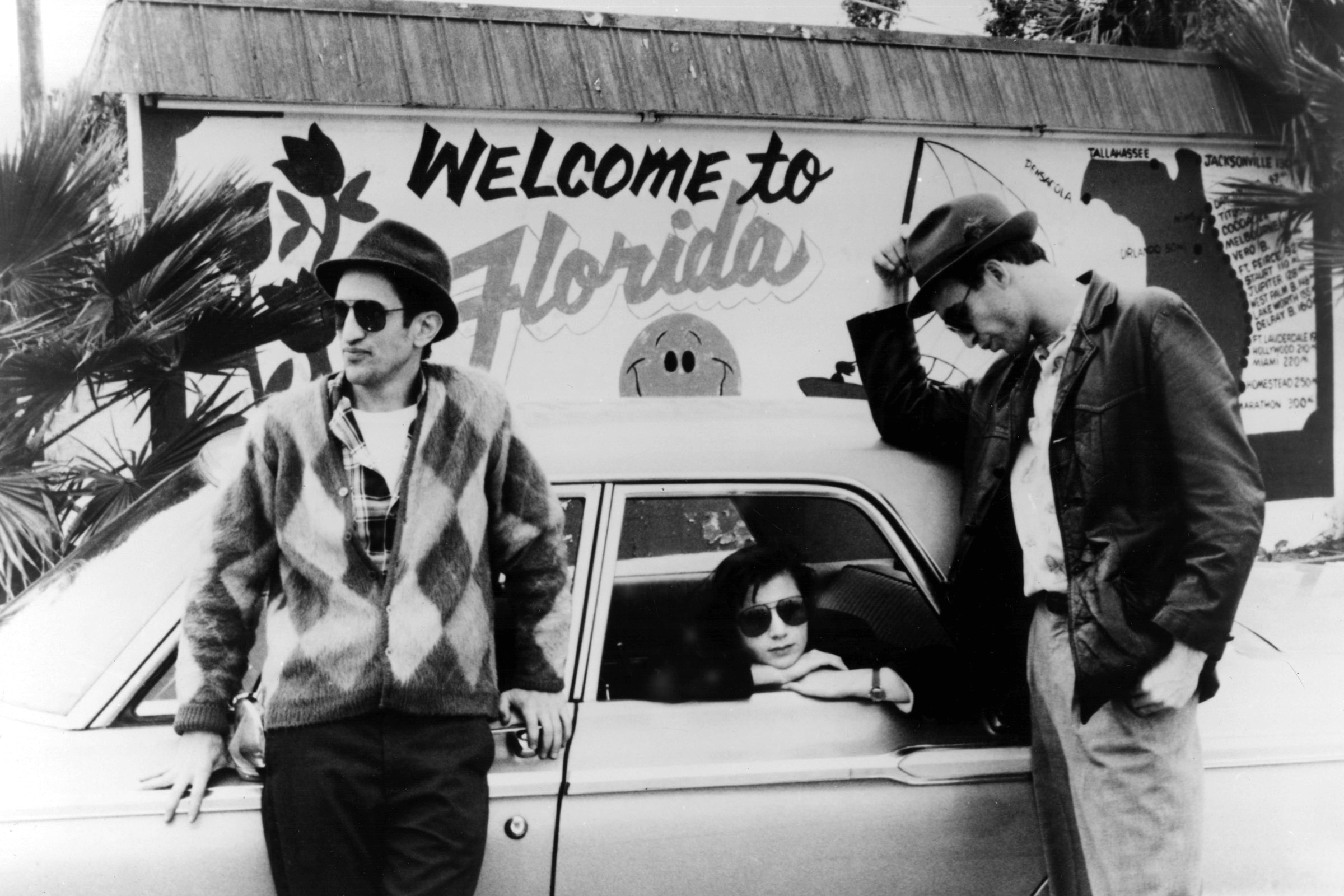
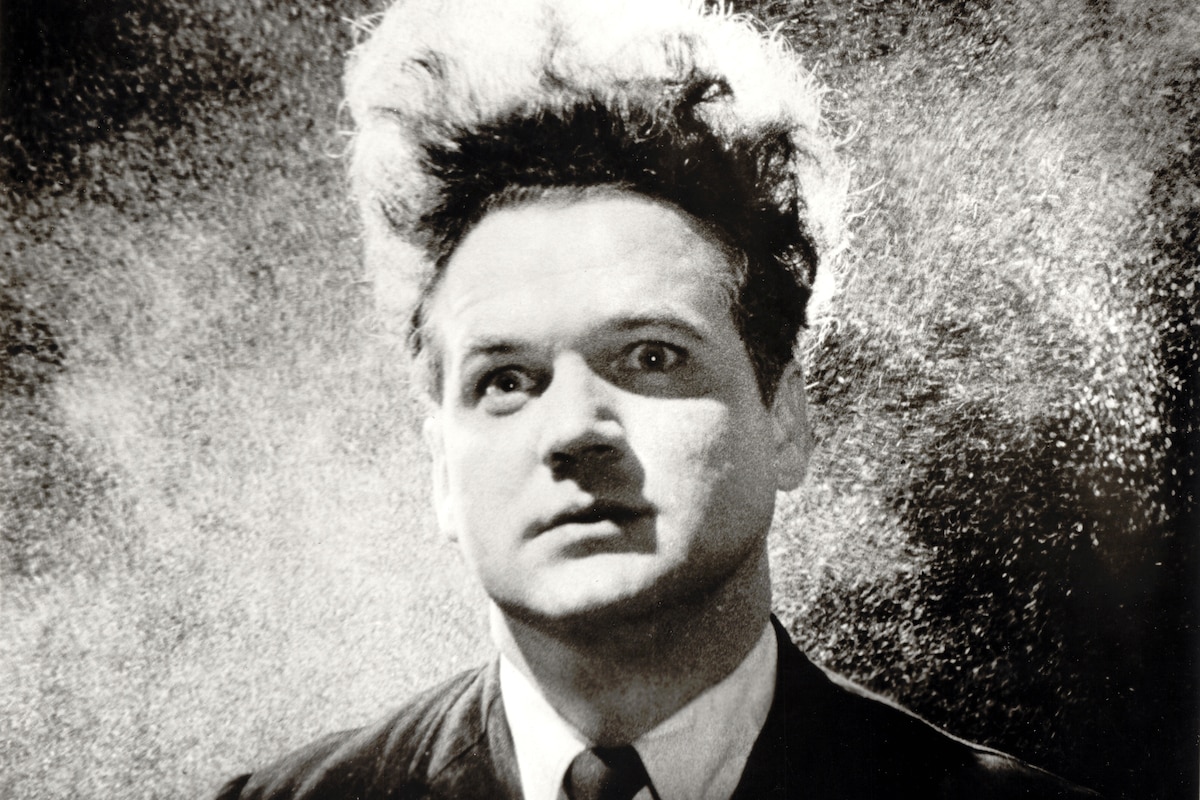
Absurd, quirky, deadpan and surreal are all adjectives that have been applied to the work of David Lynch, whose feature-length debut Eraserhead (1977) closes the night’s program. This strange black-and-white masterpiece has become a legendary cult film and reportedly the favorite film of no less than Stanley Kubrick. Also on view the same night is Killer of Sheep (1978), Charles Burnett’s lyrical drama of Black life in Watts, Los Angeles. According to an essay for the Criterion Collection, this little seen work “is now recognized as a touchstone of the groundbreaking L.A. Rebellion movement, and a masterpiece that brought Black American lives to the screen with an aching intimacy like no film before.” This “rebellion” refers to the work of the Black artists who emerged from the UCLA film school between 1960 to 2001. One of the main breakthrough talents to come from this movement is Julie Dash, whose Daughters of the Dust (1991) became the first feature-length film directed by an African American woman to receive a general theatrical release in the U.S.
July 28
The series closes with some of the seminal works by noted contemporary directors, some of whom went on to mainstream success and major studio backing for their later films. John Sayles’ Matewan (1987) dramatizes the bloody conflict of the 1920 coal miners’ strike in West Virginia. He went on to direct the critically praised but commercially disappointing baseball drama Eight Men Out (1988) and the more successful The Secret of Roan Inish (1994). Gus Van Sant’s second feature, Drugstore Cowboy (1989), a black comedy starring Matt Dillon and Kelly Lynch, heralded a distinctive new voice in American independent film. He achieved later mainstream success with the Oscar-winners Good Will Hunting (1997) and Milk (2008). In such dramas as Gas Food Lodging (1992), Mi Vida Loca (1993) and Grace of My Heart (1996), Allison Anders’ creation of some of the most distinct and complex female characters in contemporary cinema has been recognized with Independent Spirit and Peabody awards and honored by the New York Film Critics Circle, National Society of Film Critics and the MacArthur Fellows Program. TCM’s screening of her first film, Border Radio (1987), a post-punk odyssey co-directed with Kurt Voss and David Lent, is a chance to see her emergence into indie greatness.
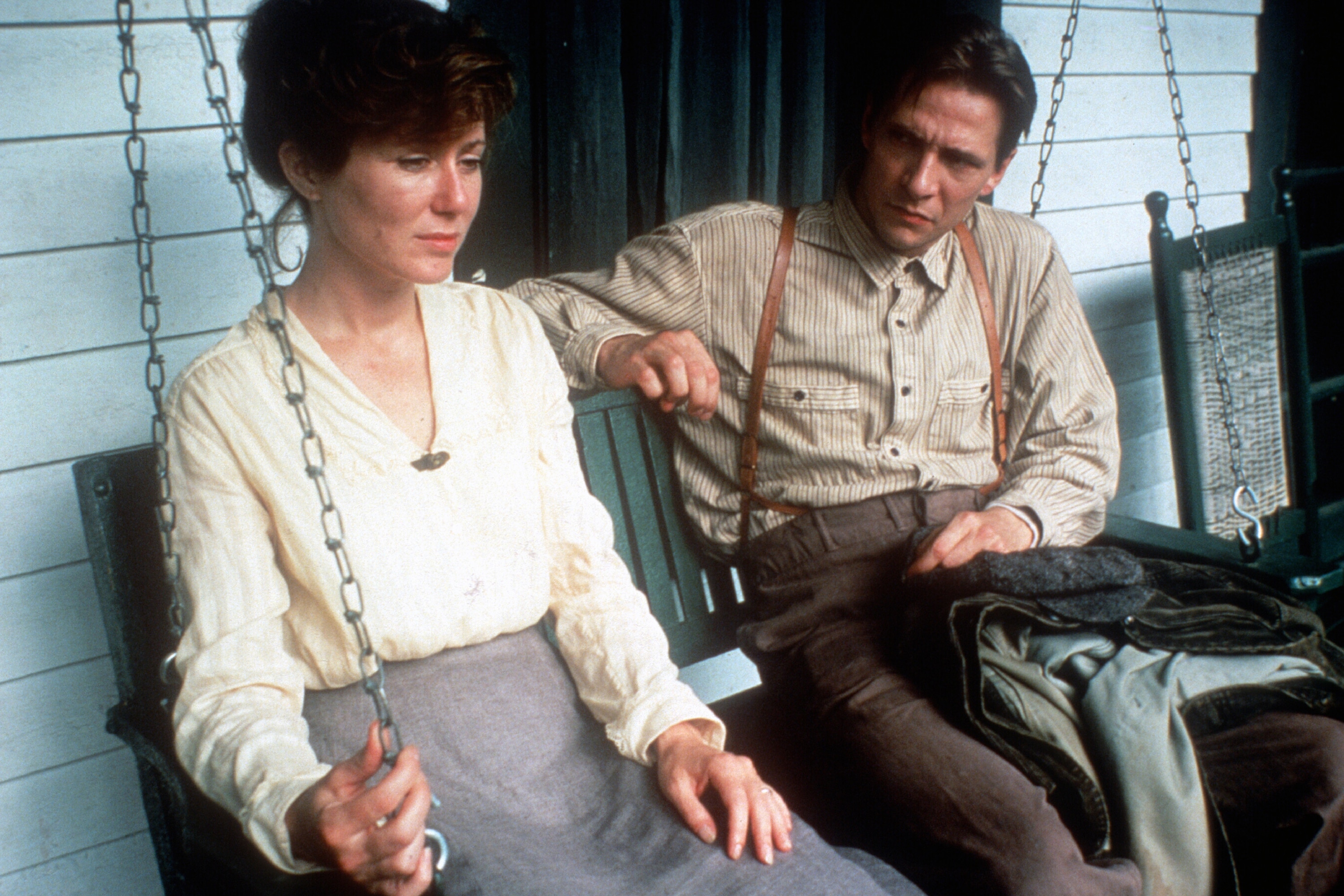
This final night of the series spotlights two of the most prolific, acclaimed and popular filmmakers working today, announcing themselves early in their careers as important film artists who have gone on to major success while maintaining their independent spirit. Slacker (1990) was Richard Linklater’s second feature (and first to be widely seen) in a long career that includes Before Sunrise (1995) and its sequels, School of Rock (2003), Boyhood (2014) and Blue Moon (2025). Wes Anderson had not yet fully developed his signature visual and narrative style in his first feature, Bottle Rocket (1996), but the dark comedy already shows his interest in offbeat characters and situations, amply evident in such later pictures as The Royal Tenenbaums (2001), The Grand Budapest Hotel (2014) and Asteroid City (2023).