Mondays in July | 32 Movies
Filmmakers have been casting singers in movies since the movies first spoke. In fact, the film that essentially launched the sound era, The Jazz Singer (1927), featured only a handful of scenes with synchronized sound. But those centered on Al Jolson belting out songs to audiences who had never heard voices coming from their cinema screens became cinema’s first. For the month of July, TCM features over 30 films that put singing stars from the stage, the radio and the recording studio on the big screen. From radio sensations Bing Crosby and Rudy Vallee to Elvis Presley and the era of rock stars and teen idols to Cher, David Bowie and Will Smith, the series shows both those who thrived in the movies and those whose musical sparks never managed to catch fire on the silver screen.
July 6
The first night of the festival spans four decades, from the early days of the talkies through the early 1960s, which ushered in a new kind of singing star. Opportunities for African-American performers in the movies were limited, to say the least, through much of the 20th century. New Orleans (1947), for example, was originally conceived as a vehicle for jazz legends Billie Holiday and Louis Armstrong, but their story was cut down by studio rewrites that put a love story between two white characters front and center. Cabin in the Sky (1943) was the rare Hollywood production to feature Black performers in starring roles. While the film is rife with demeaning stereotypes, it gave both nightclub star Lena Horne and celebrated jazz and blues singer Ethel Waters leading roles and features appearances by Louis Armstrong and Duke Ellington in support.
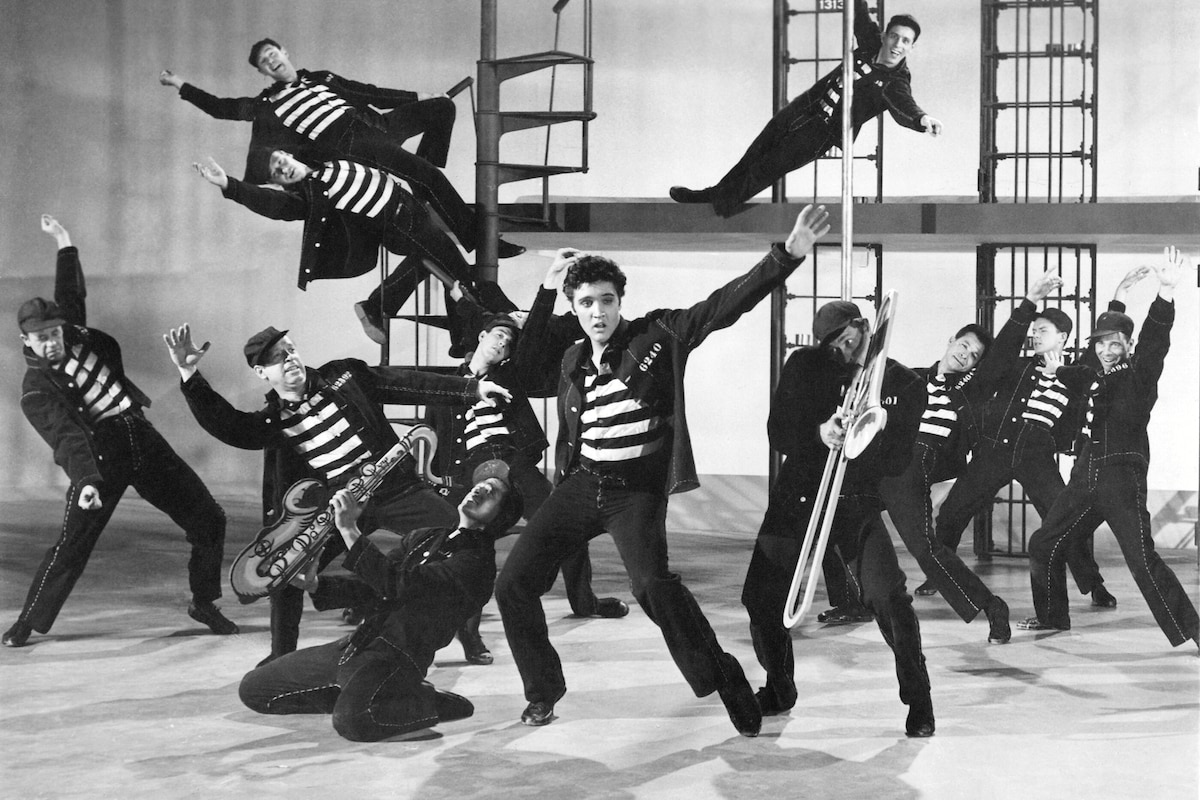
Hollywood wasn't sure what to do with the explosion of rock and roll, but it was quick to jump on anything that might bring young audiences into theaters, and Elvis Presley was a phenomenon that could not be ignored. While many films simply dropped pop acts in for a number or two, the Elvis movies were built around his musical performances, and Jailhouse Rock (1957) gave the young King some of his greatest onscreen moments. He idolized Marlon Brando and Robert Mitchum, and the role of an ex-con turned surly rock star gave him the kind of anti-hero rebel they embodied so well. Presley never took an acting class, but he looked to the veteran actors for advice and studied the rushes every night to improve his performance. Though critically lambasted upon release, it was a hit and remains the rare picture to capture the energy and power of young Elvis in his prime.
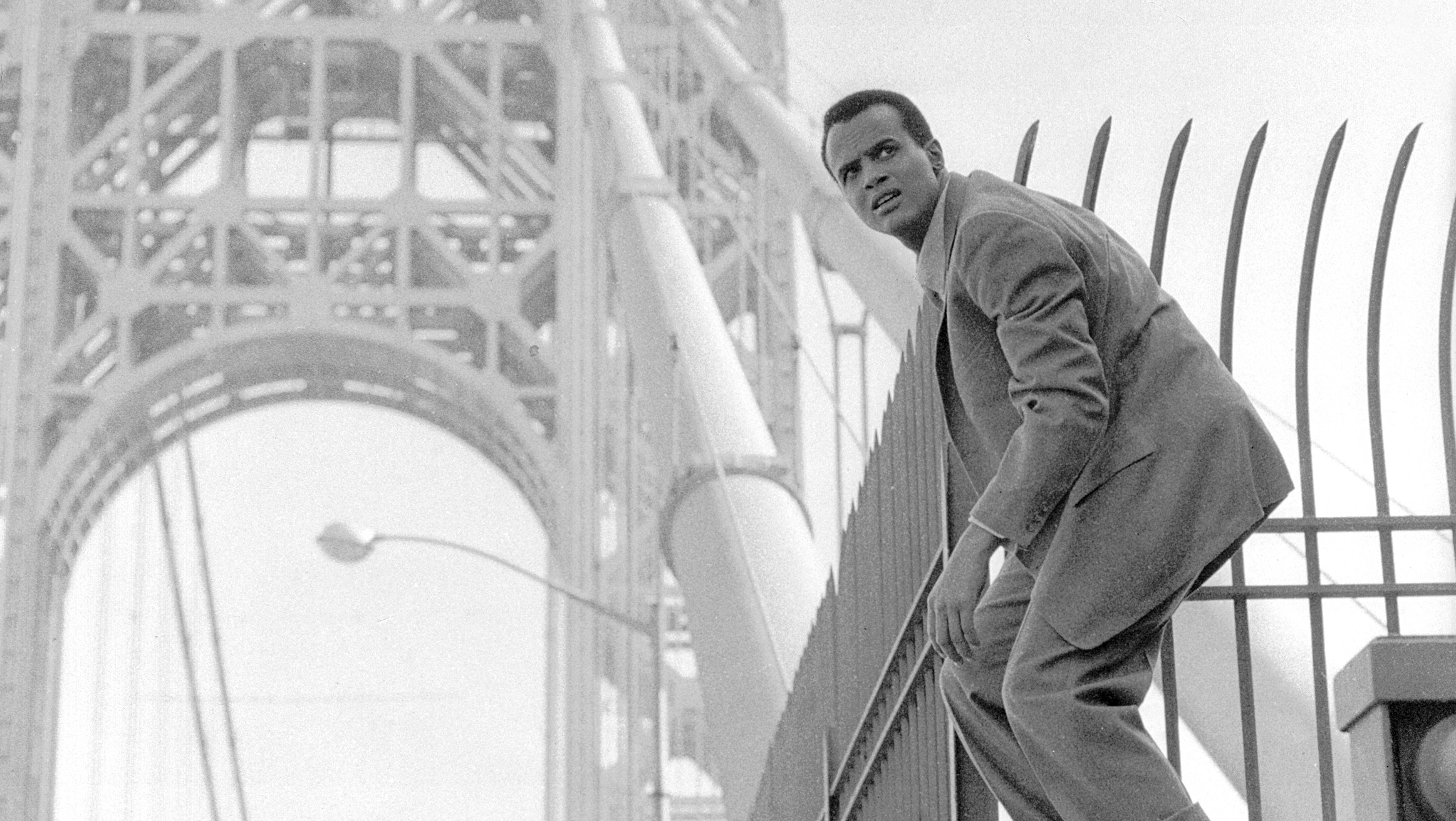
Race is the central issue in The World, the Flesh and the Devil (1959), an end-of-the-world thriller starring Harry Belafonte in a love triangle with two white survivors (Inger Stevens and Mel Ferrer). The singer and committed civil rights activist developed the film for his own independent production company, HarBel Productions, but the studio reshot the ending to placate segregationist states. "They had a wonderful basis for a film there, but it didn't happen," he later reflected. Nevertheless, his performance and the haunting portrait of a deserted New York City still resonate.
Frank Sinatra had already established himself as both a bona-fide movie star and a serious actor when he embarked on the Las Vegas caper comedy Ocean's 11 (1960) with his "Rat Pack" friends, including fellow singers Dean Martin and Sammy Davis Jr. Aimed at a much younger audience, former Mouseketeer Annette Funicello and teen singing idol Frankie Avalon found big screen success in frothy beach movie romances. Muscle Beach Party (1964) was the second in a series that at times left the beach for the race track and the ski slopes without changing the formula.
The evening concludes with a trip back to the 1930s, when the "talkies" discovered that more than talk, the movies could sing, and Hollywood looked to radio for voices in the new musical genre. Two of the biggest were Bing Crosby, who stars in Going Hollywood (1933), and Rudy Vallee, who takes top billing in Gold Diggers in Paris (1938). Maurice Chevalier came from the French music hall to the American screen and became one of the great musical comedy stars of the 1930s, thanks to director Ernst Lubitsch. The Merry Widow (1934) was the last of their collaborations.
July 13
Carnal Knowledge (1971), an acerbic satire of masculinity and male sexuality from director Mike Nichols, gave meaty, demanding roles to both Ann-Margret, who was looking to break out of light musicals and wild-child sex kitten roles, and Art Garfunkel, one-half of pop duo Simon and Garfunkel, and who had costarred in Nichols' Catch-22 (1970). They both proved themselves more than capable against star Jack Nicholson. The third version of the oft-remade A Star is Born (1976) took the story out of Hollywood and into the world of rock stardom, with Barbra Streisand as an unknown singer and Kris Kristofferson as the hard-drinking veteran superstar who gives her career a lift while he spirals downward. Outlaw country legend Willie Nelson took the lead as a veteran country star who falls for a young singer while on the road in Honeysuckle Rose (1980).
Sex, drugs, and rock and roll come together in a pair of films that put two powerhouse rock vocalists of the 1960s on the big screen. Roger Daltrey made his big screen debut with the rest of The Who in Tommy (1975), director Ken Russell's adaptation of the band's rock opera. When Daltrey took the lead in Russell's Lisztomania (1975), it was, as he wrote in his autobiography, "the first time I ever put myself before The Who." The wildly excessive portrait of composer Franz Liszt as the world's first pop star was a flop, but Russell praised Daltrey as "a natural, brilliant performer." Mick Jagger signed on with a couple of first-time filmmakers to make his screen debut in Performance (1970), playing a reclusive rock star who brings a British gangster into his hedonistic home. Co-director Donald Cammell later proclaimed that "Mick is not acting in Performance. That is Mick to the teeth."
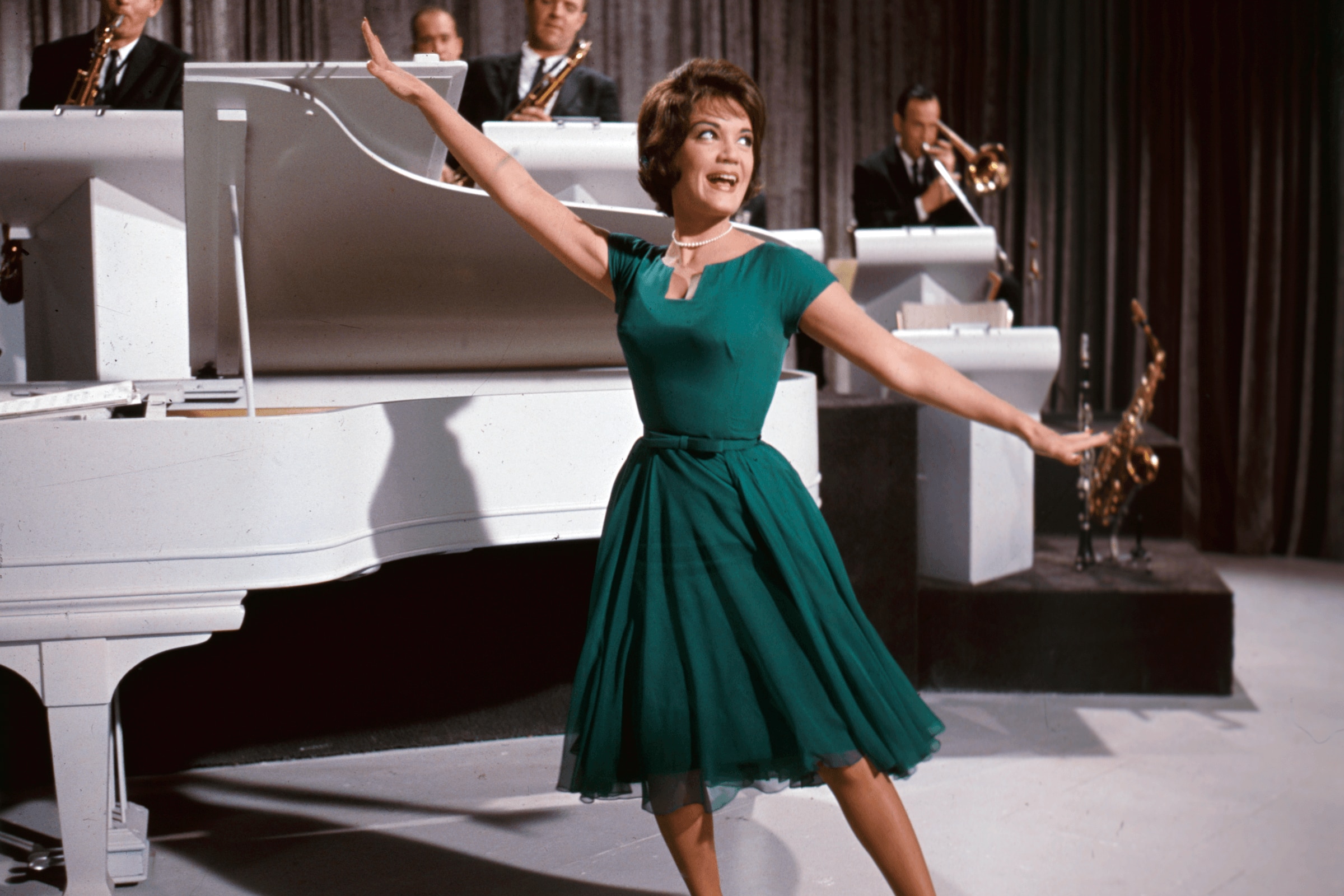
The success of Elvis Presley's movies sent the studios searching for the next big pop star to launch on screen. Johnny Cash, a country artist who, like Elvis, began at Sun Records and crossed over from rockabilly to the pop charts, actually invested his own money in his feature debut Door-to-Door Maniac (1961), a grim thriller also known as Five Minutes to Live. Ricky Nelson, a TV star turned pop idol, was cast as a young gunslinger opposite veterans John Wayne and Dean Martin in Rio Bravo (1959) to appeal to younger audiences. Between gunfights, he even got to duet with Martin. Chart-topping singer Connie Francis, fresh from her debut in Where the Boys Are (1960), was promoted from support to leading lady in Looking for Love (1964), a light romantic comedy featuring many of her Boys costars and a cameo by Johnny Carson as himself.
And it wasn't just a stateside phenomenon. Shot quickly on a small budget, A Hard Day's Night (1964) was rushed out to cash in on Beatlemania. The studio's indifference to the actual film gave director Richard Lester and screenwriter Alun Owen the freedom to make something cheeky, witty and inventive, while showcasing the distinctive personalities of John Lennon, Paul McCartney, George Harrison and Ringo Starr, previously only glimpsed at press conferences.
July 20
Dolly Parton added acting to her already impressive accomplishments when Jane Fonda cast her in 9 to 5 (1980), a workplace comedy that Fonda developed through her own production company. Not only was the film a success, but Parton scored a number one hit with the theme song, which she wrote on the set of the film. Ruthless People (1986), a black comedy from the directing team behind Airplane! (1980), helped launch Bette Midler, who had earlier earned an Oscar nomination for the drama The Rose (1979), as a big-screen comedy star. "No one was more surprised than me," she confessed after it became Disney's highest-grossing film and helped launch Midler in a string of hit comedies.
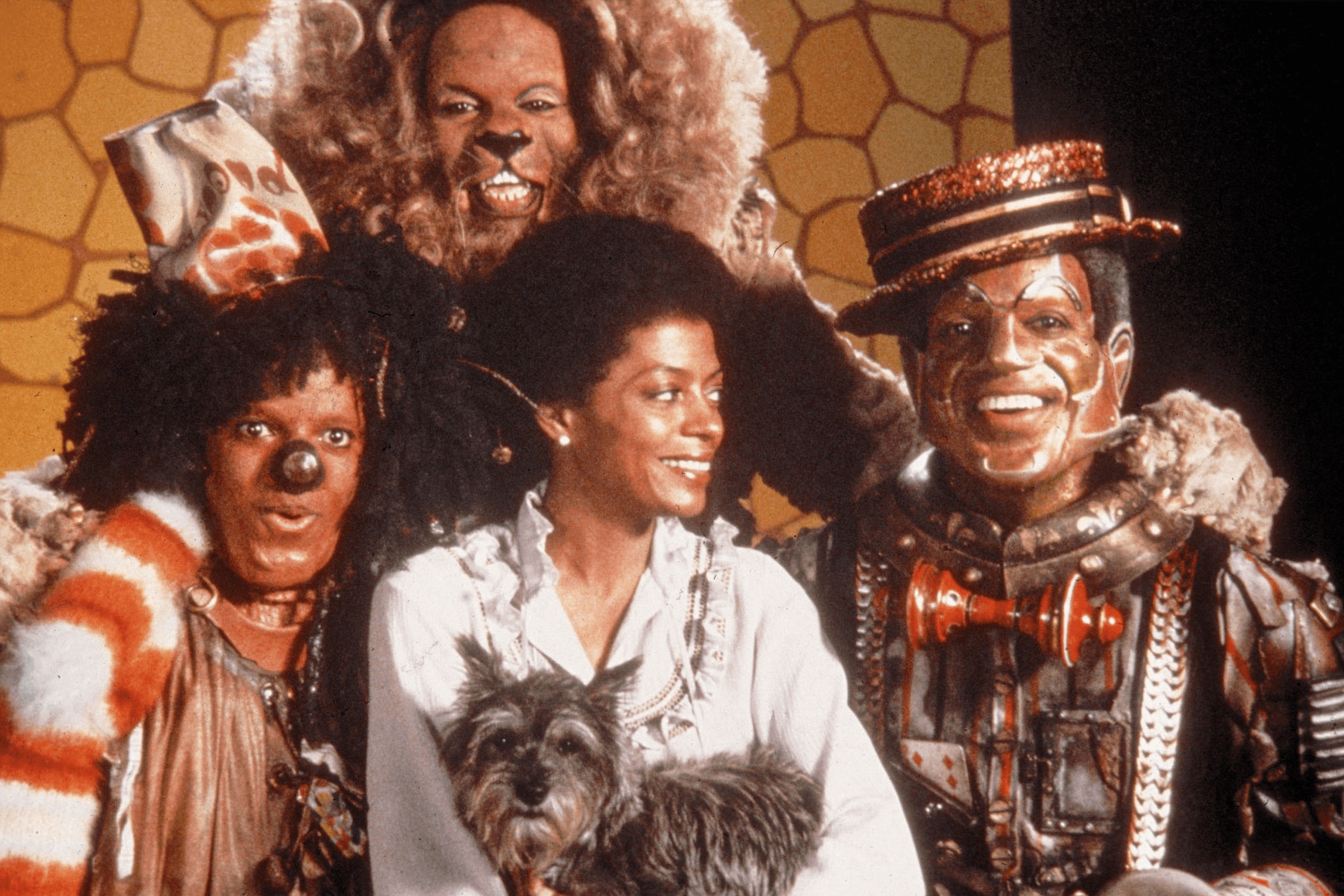
Diana Ross lobbied hard for the leading role in The Wiz (1978), the feature version of the Broadway hit that reimagined The Wizard of Oz in a fantasy take on urban New York, and Michael Jackson made his feature debut as the Scarecrow. Jackson described his time making the film as "my greatest experience so far" in a 1980 interview, and his work with the film's music producer Quincy Jones led to a long collaboration that transformed Jackson into one of the biggest and most influential musical artists of his era.
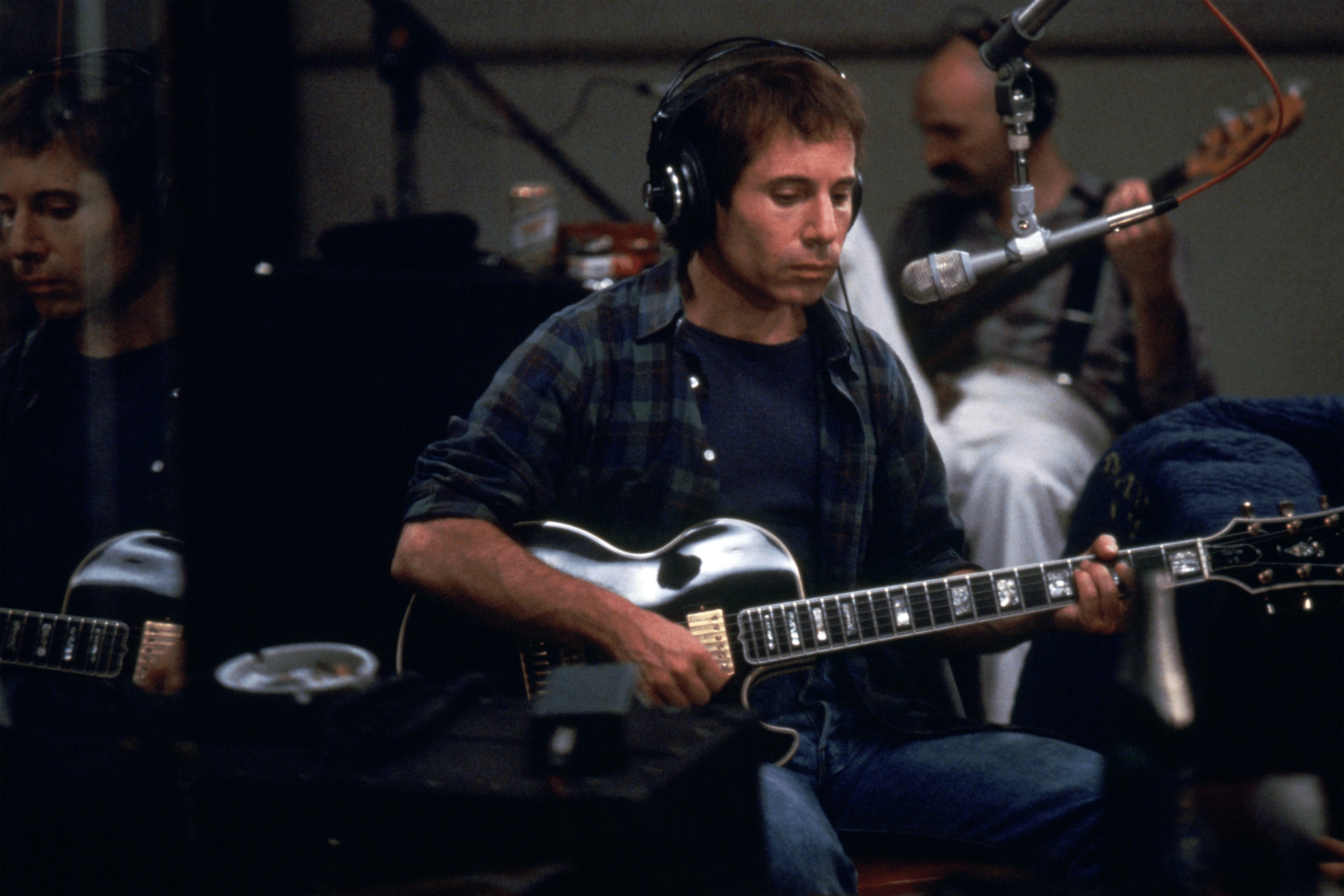
Issac Hayes was best known for his Oscar-winning soundtrack for Shaft (1971) when he landed the lead in the low-budget action thriller Truck Turner (1974). Hayes also composed and performed the soul-drenched soundtrack, tracks of which Quentin Tarantino used in his Kill Bill: Vol. 1 (2003). Paul Simon built his original screenplay for One Trick Pony (1980) around something he knew well, the life of a singer-songwriter on the road, except his fictional musician has spent the last decade or so trying to recapture his early success. Curiously, Simon never intended to star in the film himself but stepped up when he was unable to cast a major star in the lead role. The film flopped, but the soundtrack introduced some of his best songs.
The evening ends with a pair of 1950s teen pop idols remaking themselves in the 1960s. Tommy Sands plays support to Robert Walker Jr. in Ensign Pulver (1964), a sequel to Mister Roberts (1955), and Fabian gets caught up in murderous intrigue in the Agatha Christie mystery Ten Little Indians (1965).
July 27
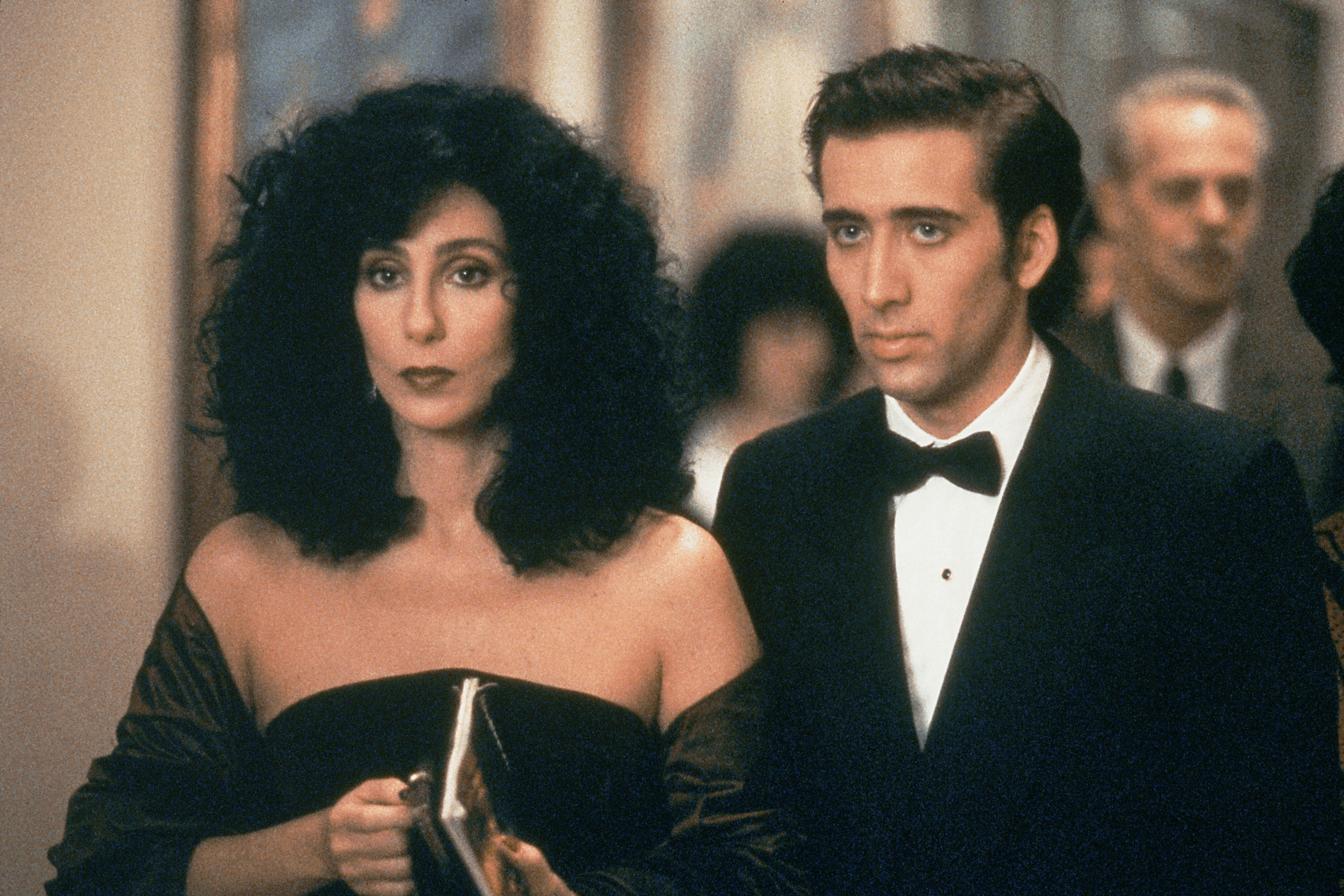
The final night of "Singers as Stars" takes us through the last decades of the 20th century. Cher established her bona fides as a serious screen actress on such films as Silkwood (1983) and Mask (1985) but was unsure she could pull off the role of a Brooklyn Italian-American widow in Moonstruck (1987). Director Norman Jewison convinced her otherwise, and she won the Academy Award for her performance. Will Smith, a hip-hop artist and TV sitcom star, proved himself a talented dramatic actor playing a young con man who hustles his way into New York high society in Six Degrees of Separation (1993). Japanese filmmaker Nagisa Ōshima cast David Bowie in Merry Christmas, Mr. Lawrence (1983) after seeing him on Broadway in "The Elephant Man." Bowie accepted the role of a British POW in a Japanese prison camp because, unlike so many parts he was offered, it was far from his pop star persona. He called it one of the most rewarding screen experiences of his career.
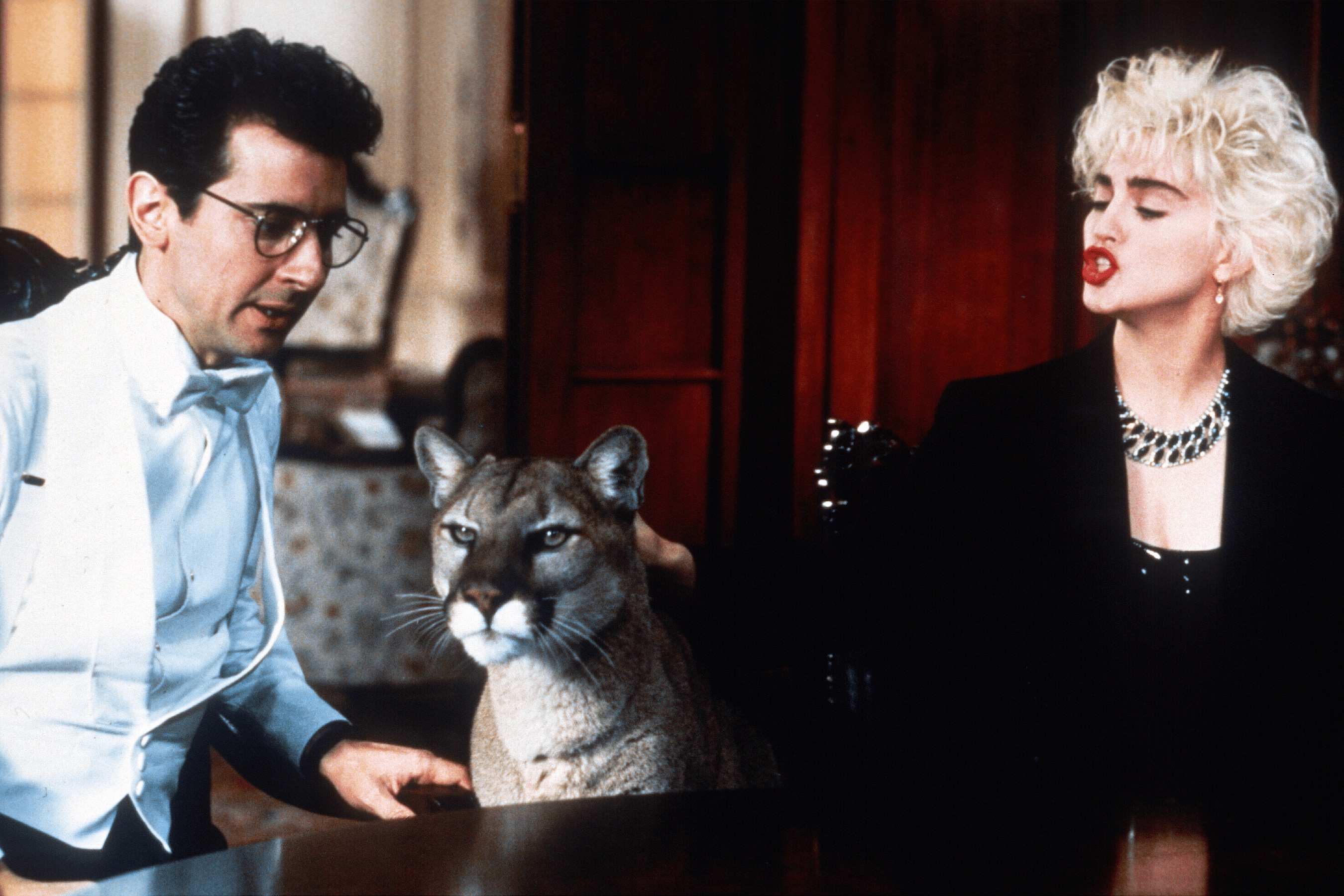
NYU Film School graduate Susan Seidelman drew from the New York underground scene for her scrappy feature debut Smithereens (1982) and even cast American punk pioneer Richard Hell as a mercenary punk rocker looking for his big break. Tom Waits, whose gravel-voice and songs of life in the margins earned him a small but passionate following, had appeared in a few films when Jim Jarmusch put his distinctive presence at the center of his offbeat comedy Down By Law (1986). Robert Altman, a director with a history of unusual and inspired casting choices, gave country singer Lyle Lovett his feature debut as a police detective in The Player (1992). It was the first of many collaborations with the performer. The series ends with Who's That Girl (1987), a contemporary screwball comedy starring Madonna as a wrongfully convicted woman determined to prove her innocence with the reluctant help of an uptight tax attorney. Madonna, whose previous film Shanghai Surprise (1986) was a critical and commercial flop, threw herself into the film and its promotion, including a 1987 world tour she named after the film. It didn't help the box office, but it did result in a hit soundtrack.