Fridays, June 5, 12, and 26 | 9 Movies
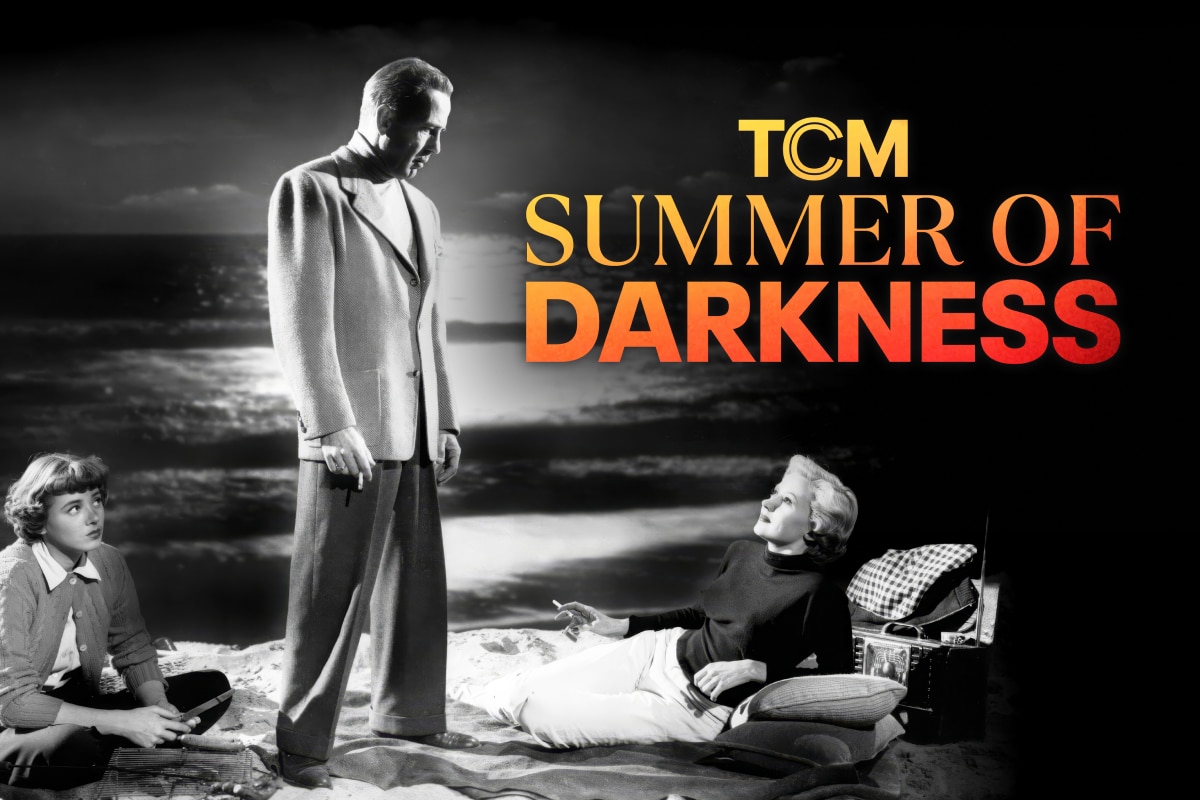
The days may be longer, but this summer the nights will be darker as TCM host Eddie Muller takes over Fridays with the return of his two-month Summer of Darkness film noir festival. Friday nights in June and July (with the exception of June 19’s tribute to Juneteenth) will be devoted to Muller’s favorite genre, with the Czar of Noir hosting the prime-time offerings, as he did in the festival’s 2015 debut, followed by late-night salutes to neo-noirs like The Long Good Friday (1980), The Yakuza (1974) and Harper (1966).
The 2026 version will feature Muller’s favorite trips to the dark side, drawn primarily from “Endless Night: 25 Noir Films that Will Stand the Test of Time,” a list created years ago for his website, eddiemuller.com. Twenty-three films from that list are featured, leaving out two that aren’t available to TCM at present. But the two chosen in their place still rank among Muller’s favorites and, as he suggests, would probably be on his list if he re-did it today. The films are programmed in roughly chronological order, giving viewers a look at the way the genre has developed over the years. This month, the entries are all taken from the 1940s, the decade most often identified as the birth of film noir and during which Hollywood reached a peak in the production of dark thrillers.
In the promo for the 2017 debut of Muller’s weekly “Noir Alley” on TCM, he described film noir as “unheralded virtue against unmitigated vice. It’s whiskey neat and hearts of ice…. It’s the end of your rope and the wall at your back.” In his 2021 book “Dark City: The Lost World of Film Noir,” he calls these pictures “distress flares launched onto America’s movie screens by artists working the night shift at the Dream Factory.” Film noir offers a pessimistic vision of life. It was most prominent after World War II, when the rush of victory was replaced for some with the realization that the problems leading to the Great Depression remained. In the world of noir, corruption runs rampant, and you never know whom you can trust. It’s ruled by the most ruthless and sometimes downright psychopathic characters. Paranoia runs rampant, and crime infects every level of American society.
Film noir gets its name from French critics who classed crime novels with a similar outlook as “roman noir.” There’s a lot of disagreement about what constitutes the first noir film, with some placing it as early as D.W. Griffith’s 1912 The Musketeers of Pig Alley. Others have pointed to Fritz Lang’s 1931 M or examples of French poetic realism like Julien Duvivier’s Pepe le Moko (1937). Another popular contender is Boris Ingster’s stylish B movie The Stranger on the Third Floor (1940). Some even put the birth of noir as late as 1944, when Otto Preminger’s Laura and Billy Wilder’s Double Indemnity hit the screen. At least most critics agree that one of the chief inspirations for the look of noir is Orson Welles’ Citizen Kane (1941), with its use of dark shadows, odd camera angles and point-of-view shots.
For Eddie Muller, as good an authority as you can find, the first noir is John Huston’s debut feature, The Maltese Falcon (1941), which opens this year’s Summer of Darkness. It fits all the qualifications, with its morally questionable hero (Humphrey Bogart’s Sam Spade, who’s not above sleeping with his partner’s wife or the occasional beautiful client), action set mostly at night in the big city and an array of colorful, amoral characters. It’s also notable as the first faithful screen adaptation of Dashiell Hammett’s 1929 novel, whose terse writing and cynical worldview set the tone for the many roman noir to follow.
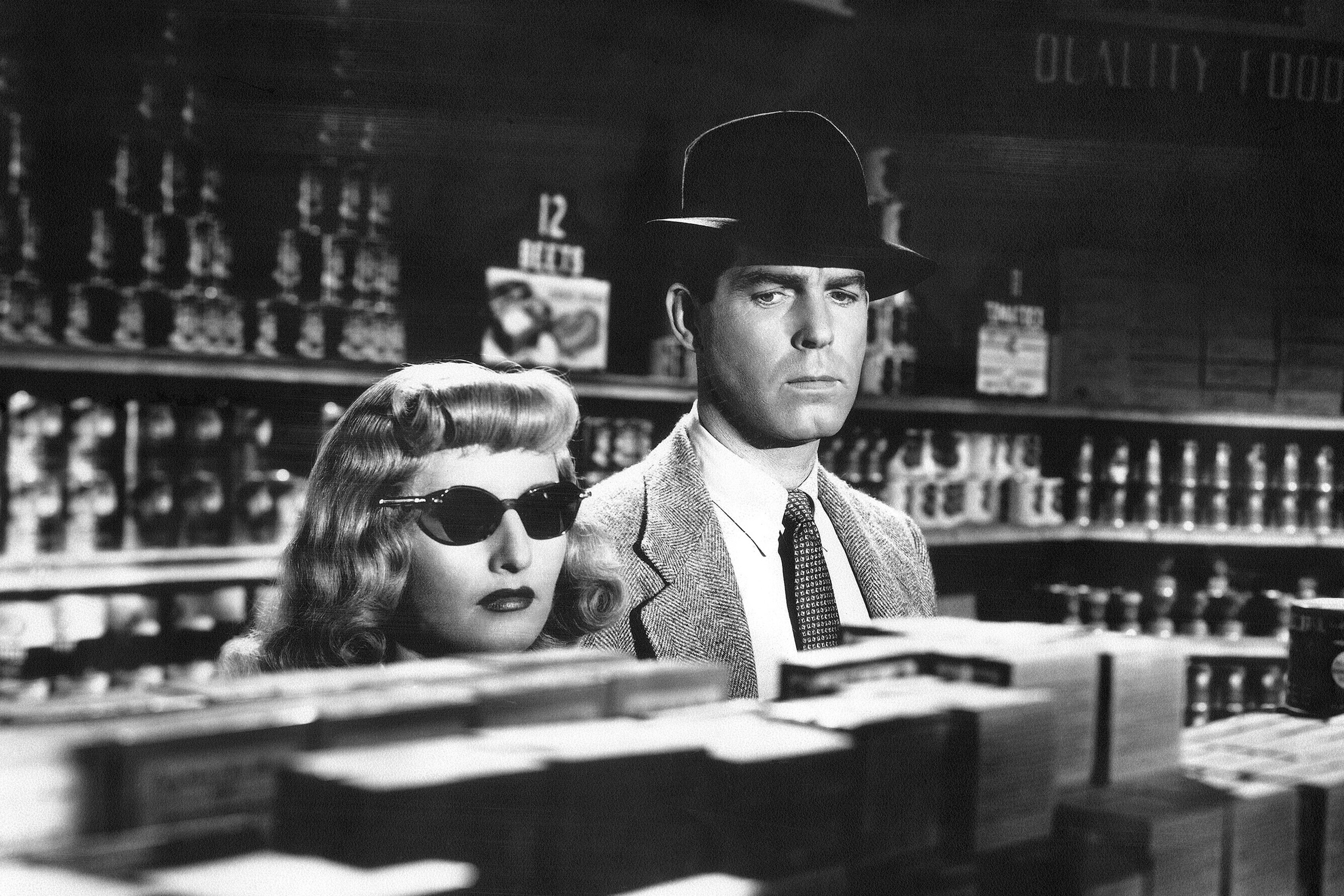
The Maltese Falcon also features one of the form’s key tropes, the femme fatale. Mary Astor’s Brigid O’Shaughnessy is a woman with a lie for every occasion, and she leads Spade into the battle to possess the priceless, gem-encrusted statuette of the title, “the stuff that dreams are made of.” More would follow, with two of the best airing the same night as Huston’s film. As Phyllis Dietrichson in Billy Wilder’s Double Indemnity, Barbara Stanwyck’s cheap wig, ankle bracelet and carefully placed towel lure insurance agent Fred MacMurray into a murder-for-profit scheme. This was the film that ended the Production Code’s embargo on James M. Cain adaptations. Wilder and co-writer Raymond Chandler managed to capture the writer’s sleazy, fatalistic tone while also getting past the censors’ objections to the 1936 novel’s rampant sex and violence, paving the way for other notable Cain adaptations like Mildred Pierce (1945) and The Postman Always Rings Twice (1946).
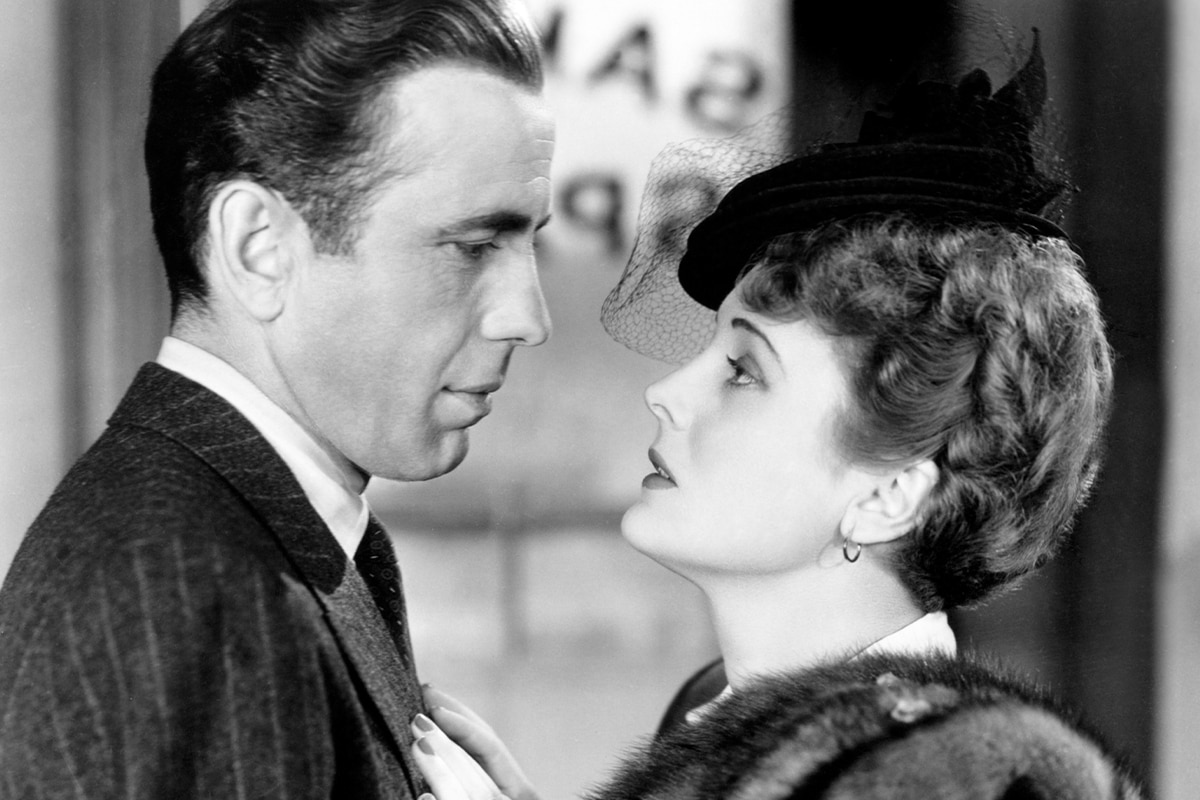
Edgar G. Ulmer’s Detour (1945) contains possibly the most vicious femme fatale in the genre’s history. Vera (Ann Savage) is a wildcat hitchhiking through the Southwest when she lands on the perfect sucker, down-at-heels pianist Al Roberts (Tom Neal), who’s trying to avoid capture after being involved in an accidental death that looks like murder. When she learns the dead man is heir to a fortune from a family that hasn’t seen him in ages, she blackmails Al into posing as him so they can split the inheritance, all the while spewing an almost endless stream of vitriol. The film is a marvel of creativity on a meagre budget (some have estimated it as low as $25,000). Ulmer, a promising director relegated to B movies like this after stealing a studio executive’s unhappy wife, created a terrific air of fatality and claustrophobia with few resources. That and Savage’s gutsy performance as someone Muller has called “the meanest woman in the movies” have made Detour a cult classic often hailed as the best B movie ever made.
Femme fatales and the innocents (or almost innocents) they dupe abound in the Summer of Darkness. Joan Bennett takes part-time painter Edward G. Robinson to the cleaners in Fritz Lang’s Scarlett Street (1945), and Ava Gardner does much the same for boxer Burt Lancaster in Robert Siodmak’s The Killers (1946). The film marked Lancaster’s screen debut and made him and Gardner stars. You also get Helen Walker as the unscrupulous psychiatrist helping phony mind-reader Tyrone Power fleece Chicago’s upper crust in Edmund Goulding’s Nightmare Alley (1947).
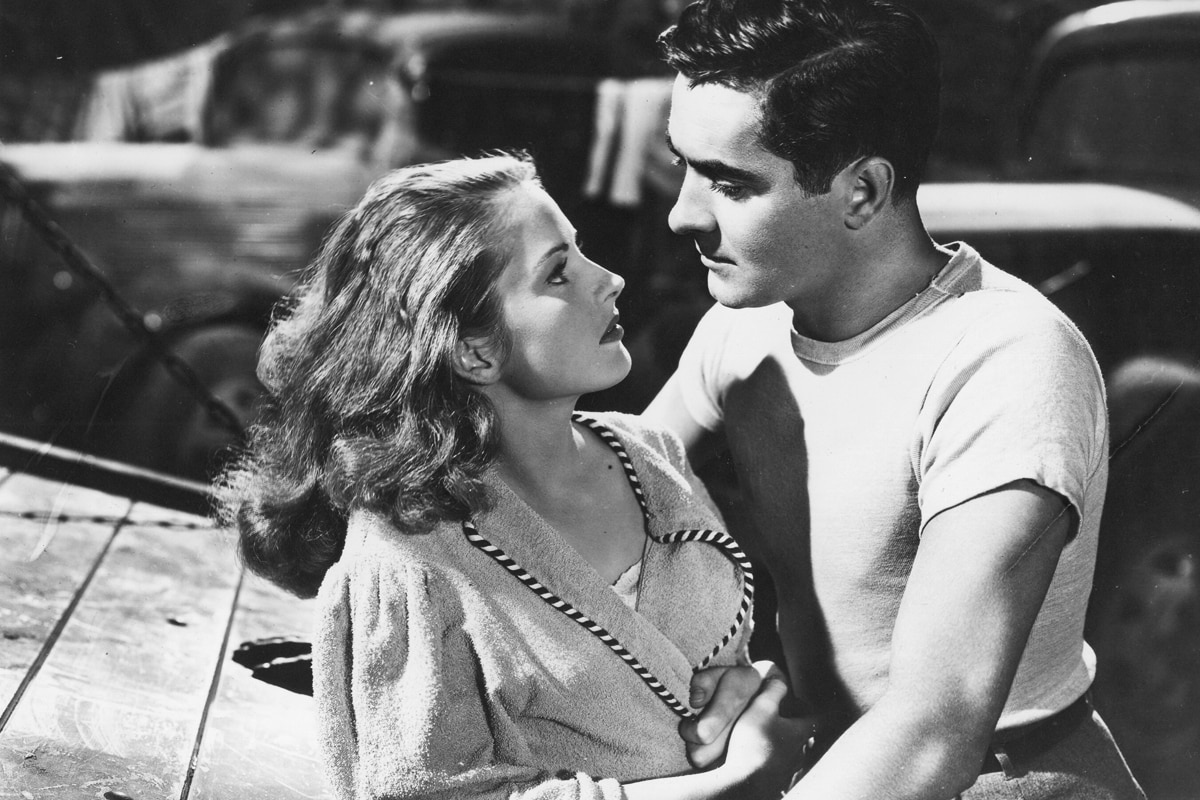
One of the screen’s greatest femme fatales is Kathie Moffatt in Jacques Tourneur’s Out of the Past (1947). Jane Greer was just 22 when she played this intriguing, complex character, whose surface innocence hides a character so devious that even her masks have masks. The man she lures to the dark side is Robert Mitchum as a private eye hired by Moffatt’s gangster boyfriend (Kirk Douglas) to hunt her down and get back the $40,000 she stole after shooting him. Mitchum tracks her to Tijuana, where her wide-eyed act gets him to fall in love.
Film noir heroes tend to be one of two types. Some are crooked to begin with, like Tyrone Power in Nightmare Alley and escaped convict Dennis O’Keefe in Anthony Mann’s Raw Deal (1948). Others are innocents, or at least non-criminals, led astray. To the catalog of dupes and dopes drawn into crime by greed, sex or just bad luck — like MacMurray in Double Indemnity, Neal in Detour, Robinson in Scarlet Street and Lancaster in The Killers — add one of the most innocent: Dane Clark in Frank Borzage’s Moonrise (1948). In an uncharacteristically rural noir, he plays Danny Hawkins, a small-town Southern boy who takes a stand against bully Lloyd Bridges and kills him in self-defense. His attempts to avoid detection make him look guilty, so he takes it on the lam. In his only film noir, Borzage focuses on mood and on two young lovers, Clark and Gail Russell, not all that different from the romantic couples in such classics as 7th Heaven (1927), with Janet Gaynor and Charles Farrell, and The Mortal Storm (1940), with James Stewart and Margaret Sullavan.
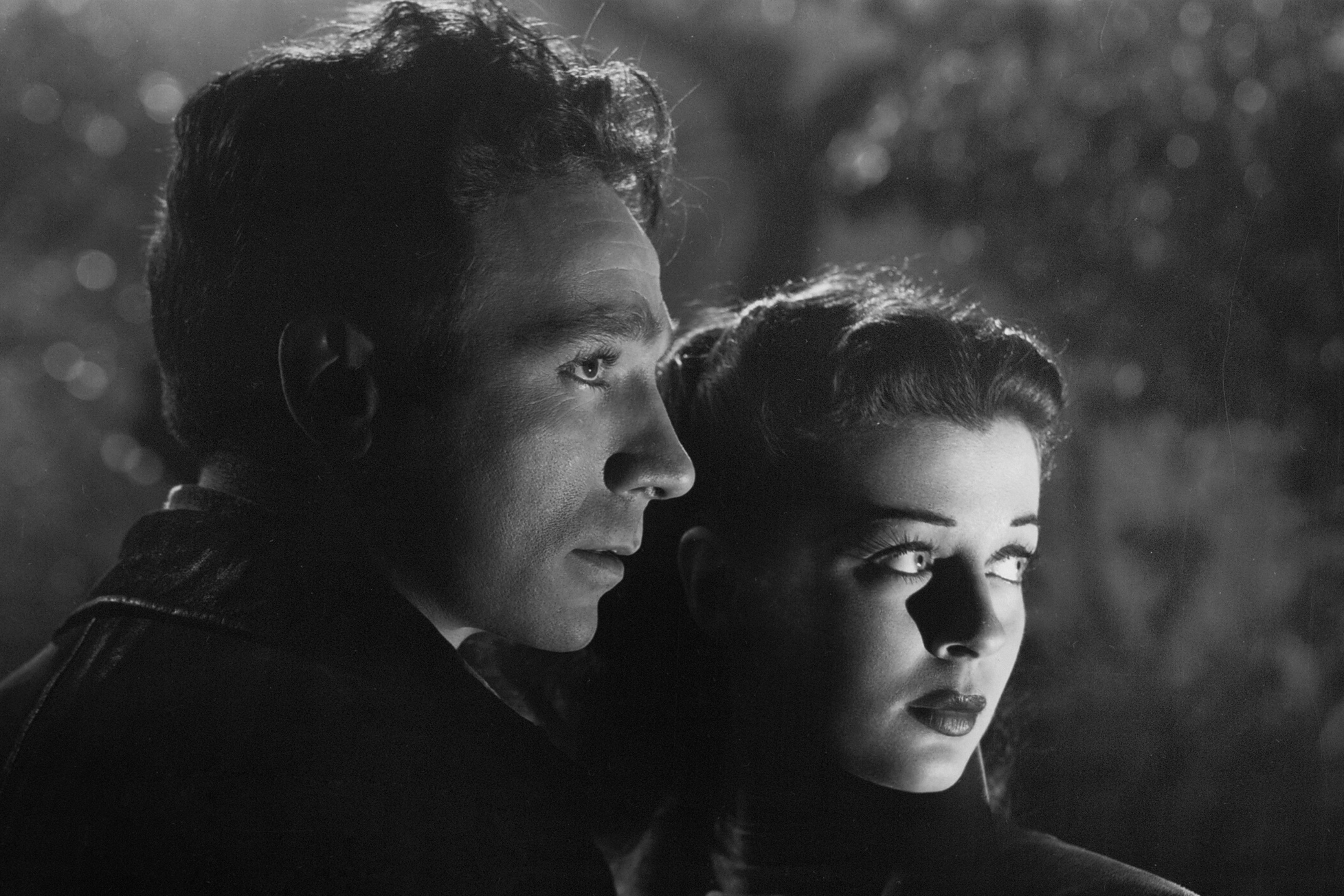
The look of noir, whether set in the city or, on rare occasions like Moonrise, in the country, made it a great showcase for directors and cinematographers. John Huston launched his directing career with The Maltese Falcon, while Anthony Mann used noirs like T-Men (1947) and Raw Deal to move from B movies to A features. Those films also provided a showcase for cinematographer John Alton. He joins a list of great cameramen — including John Seitz (Double Indemnity), Woody Bredell (The Killers) and Nicholas Musuraca (Out of the Past) — who helped turn the 1940s into a decade of darkness.
So, tighten your trench coat against the cold night air, put on your favorite hat and make sure you’ve got some protection in your pocket, as Eddie Muller takes you on a walk through the dark side of life.