Saturdays in June | 8 movies
This June’s Two for One series on TCM features award-winning actors who have also stepped into the directing chair. They will visit as guest hosts every Saturday night to discuss a pair of films they admire with TCM host Ben Mankiewicz. The first feature will kick off at 8pm with a second feature at 10pm. Join us for intriguing summer conversations about origin stories, both personal and fictional.
John Turturro is known for playing fierce, unforgettable characters who light the screen on fire. He got his early start in Spike Lee movies, appearing in Do the Right Thing in 1989. He is perhaps best known for his roles in the Coen Brothers’ films like Barton Fink (1991) and O Brother, Where Art Thou? (2000), each one an intricate exploration into neo-noir themes and characters. He will discuss Out of the Past (1947) and The Set-Up (1949), two film noir classics that inspired him as an actor and director.
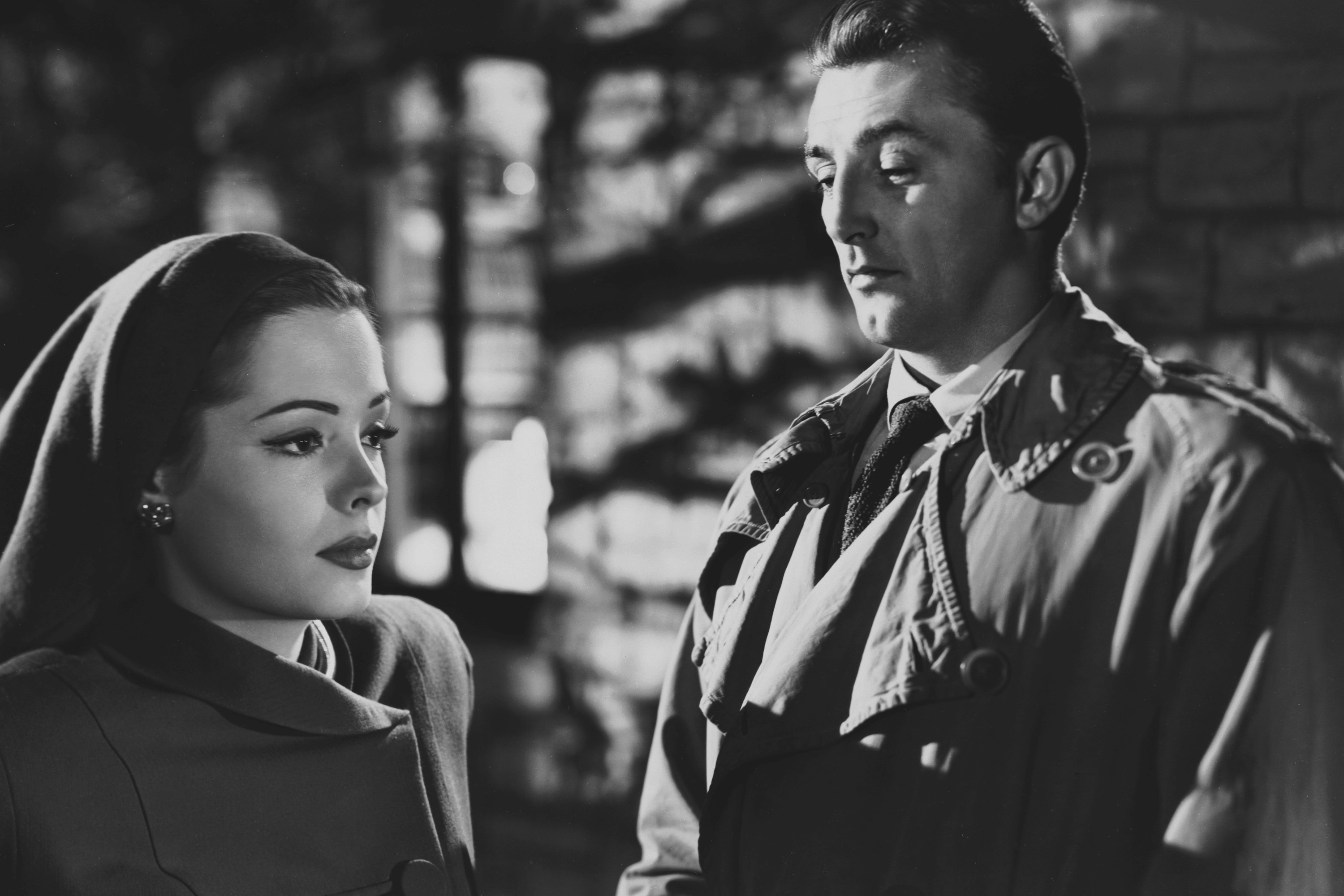
Out of the Past from RKO Radio Studios is considered one of the best examples of film noir. It was adapted from a novel called “Build My Gallows High” written by Daniel Mainwaring, who also wrote the screenplay. Robert Mitchum plays Jeff Markham, a former detective turned gas station owner who moves to a small town to escape the crime of the big city. But his past comes back to haunt him when gangster Whit Sterling, played by then-rising star Kirk Douglas, hires him for a job. Jeff then runs into the femme fatale, portrayed by Jane Greer, who had previously entangled him in intrigue and whose love may bring him down. Director Jacques Tourner and cinematographer Nicholas Musurasca play with light and shadow to create an atmosphere of mystery and danger, framing their hardboiled detective and tragic heroine alike in inescapable spaces and scenarios. It is a film that would influence the Coen brothers’ movies Miller’s Crossing (1990) and Barton Fink, namely in the twisting plot and hapless characters who must escape the webs they are trapped in. Both films were written with Turturro in mind, and he won a Best Actor Award for his role in Barton Fink at the Cannes Film Festival in 1991.
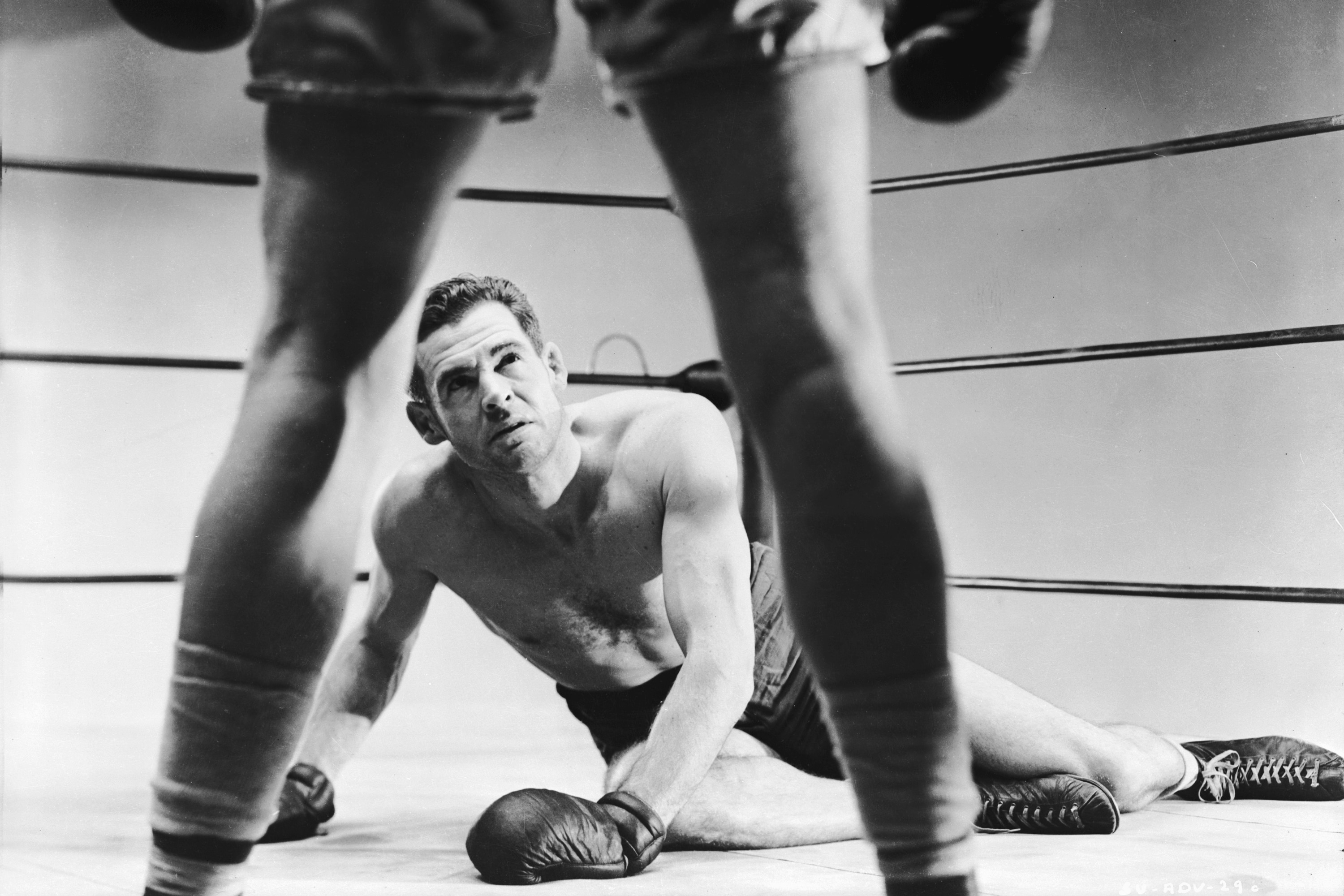
The Set-Up is another influential noir that stood apart because it delved into the world of boxing. Robert Ryan stars as Bill “Stoker” Thompson, an intrepid boxer past his prime who wants to prove himself one last time, even when gangsters and his own manager are rooting for his demise. Stacked against a much younger and fitter opponent, with a large bet riding on his fall, Stoker must decide whether to surrender or go down fighting. Turturro himself starred in a boxing movie called The Cut (2024) in the role of a trainer who puts the boxer through a dangerously rigorous regimen, where the hero must fight to fight. Once again, Turturro is as fierce as ever on the screen.
The characterizations in these movies can be seen in some of the films Turturro himself has directed, especially in Fading Gigolo (2013) and The Jesus Rolls (2019). The Jesus Rolls is a spin-off of one of Turturro’s most memorable characters in a movie, that of Jesus in the Coen brothers ‘The Big Lebowski (1998). Ironically, Jesus only gets a few moments of screen time, yet as an audience favorite, he rightly deserves his own film, and we are lucky Turturro abides.
Actress and director Maggie Gyllenhaal hosts a night of two foreign language films on the 13th: Nights of Cabiria (1957) and Babette’s Feast (1987). Both won Academy Awards for Best Foreign Language Film. Both deal with sensuality—of the body with the former and of the spirit with the latter.
Daughter of director Stephen Gyllenhaal and artist Naomi Achs, Maggie Gyllenhaal got her start in Hollywood as an actress. She chose roles that challenged female stereotypes and appeared endlessly magnetic on the screen. She earned an Academy Award nomination for Best Supporting Actress for the 2009 movie Crazy Heart. She moved behind the camera and into the director’s chair with her 2021 directorial debut, The Lost Daughter, a film about a woman remembering the challenges of early motherhood. The film garnered Academy Award nominations for Best Actress for Olivia Colman, Best Supporting Actress for Jessie Buckley and Best Screenplay for Gyllenhaal. Her latest film, The Bride! (2026), is a modern take on James Whale’s 1935 sequel The Bride of Frankenstein, based on Mary Shelley’s “Frankenstein” with a decidedly feminist edge. With such compelling female protagonists, it’s no wonder that Gyllenhaal chose two films whose heroines push the boundaries of what society expects of them.
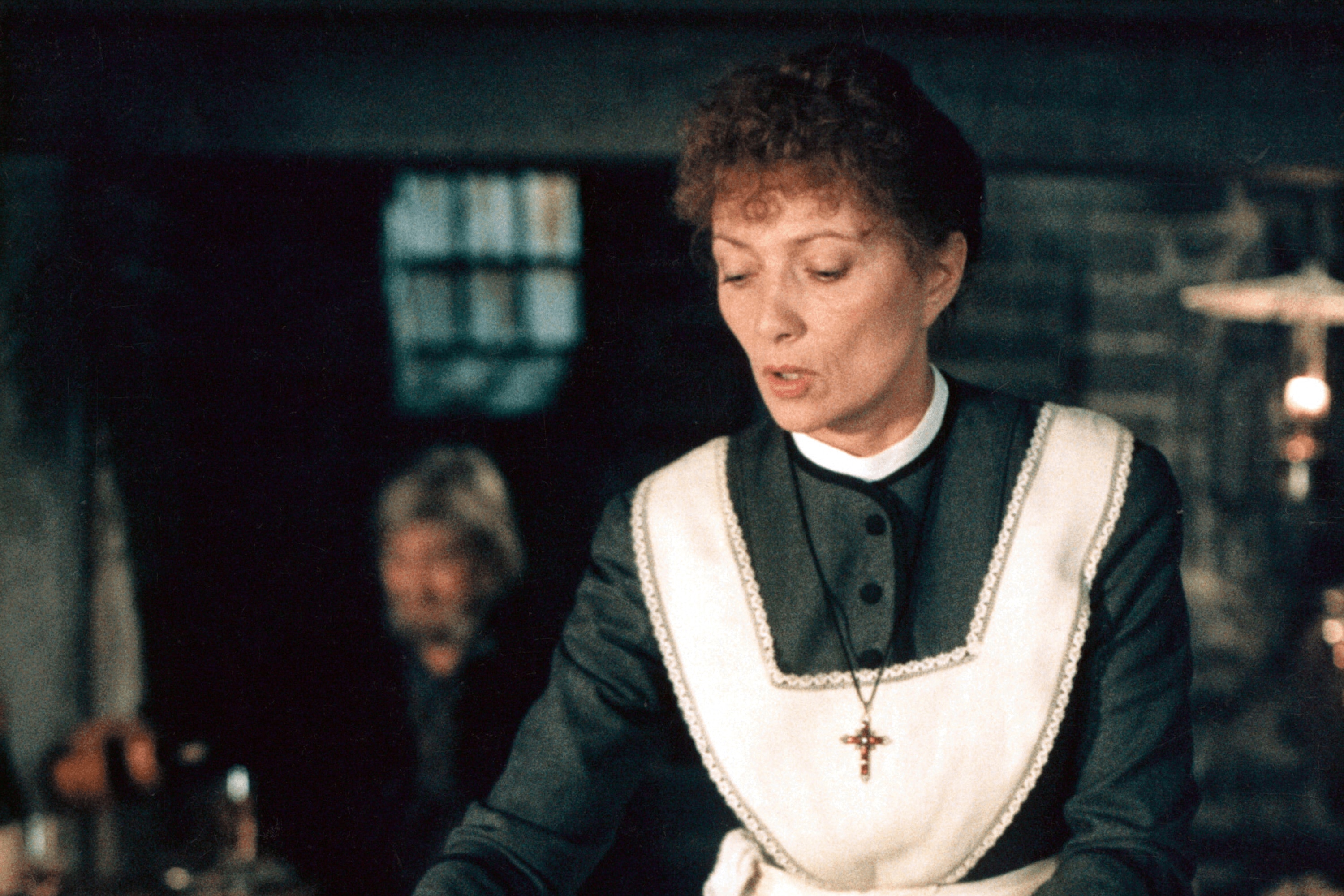
In Danish director Gabriel Axel’s Babette’s Feast, adapted from the novel by Karen Blixen, a mysterious French woman named Babette (Stéphane Audran) makes entree into a village devoted to God. Once led by a pastor, who has since passed away, the pastor’s two daughters continue his religious mission in the most austere of ways, rejecting proposals of marriage in their sacrifice. Babette has worked for the two sisters without pay, adding some flavor to their bland meals; when she wins a lottery, she decides to cook them a special French feast in honor of their father’s heavenly hundredth birthday. The meal awakens their senses and shows how earthly pleasure can also be spiritual.
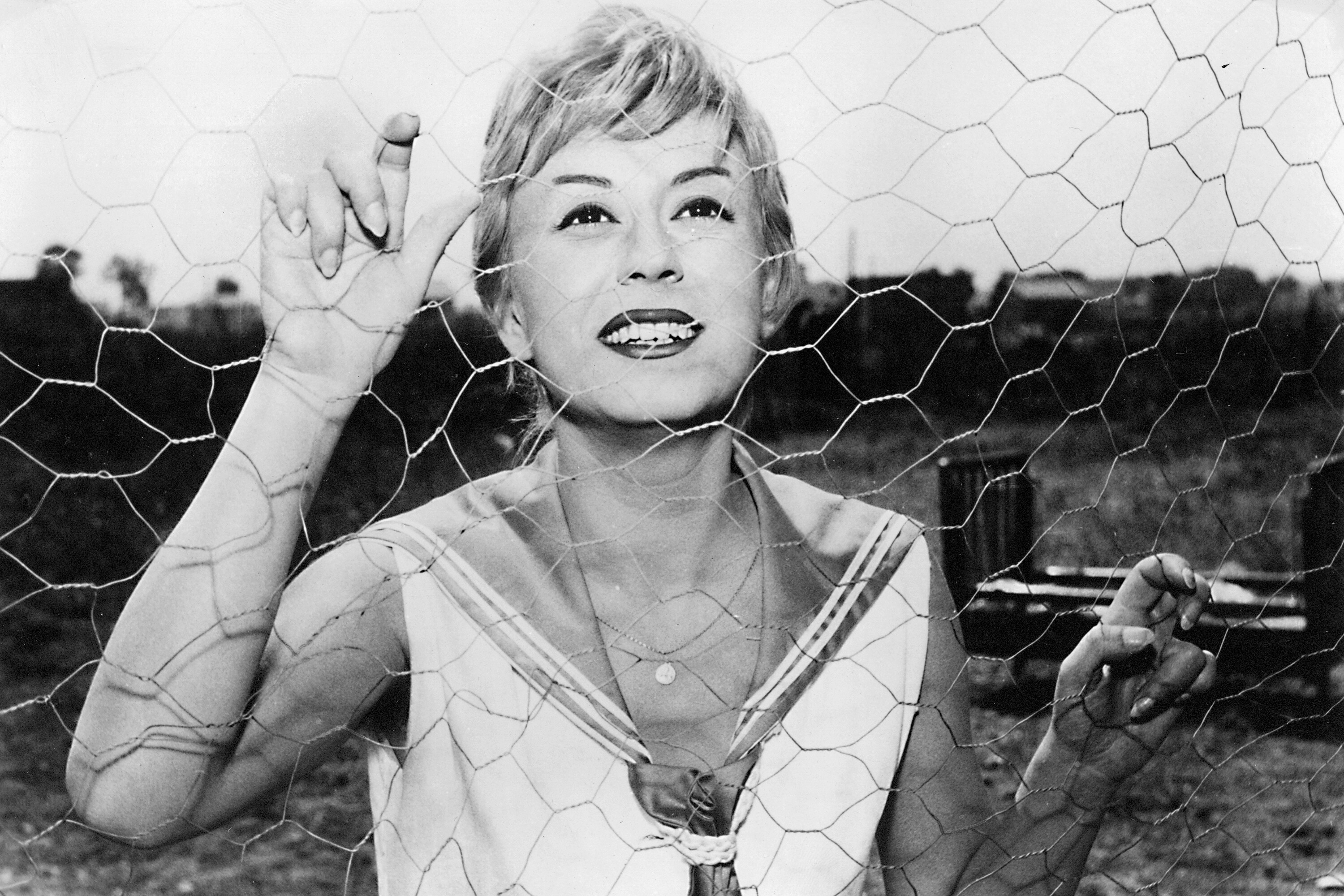
The second film is Italian director Federico Fellini’s Nights of Cabiria, considered by many as one of his greatest films. Actress Giulietta Masina, who was also Fellini’s wife, plays Cabiria, a woman of the night whose evening adventures into the city bring her into contact with not only different types of men but also different lifestyles she could lead. One moment she is dancing with a famous actor, another she is part of a magic show. The subtextual question of the story being: can men make women happy? This seems to be a question in many of Gyllenhaal’s movies as well, whether she is the leading actress or the director.
Colman Domingo stars in the latest Michael Jackson biopic Michael (2026) as the singer’s father, Joseph Jackson. Having worked in the industry both on screen and onstage for decades, Domingo’s star is only rising. His roles have included Ali Muhammad in the popular TV series Euphoria and Mister in the 2023 remake of The Color Purple. He was nominated for Academy Awards for Best Actor in a Leading Role for Rustin (2023) and Sing Sing (2023). On the 20th, he discusses two films that have influenced him, Alfred Hitchcock’s legendary murder mystery Rear Window (1954) and Peter Bogdanovich’s Depression-era black-and-white film Paper Moon (1973).
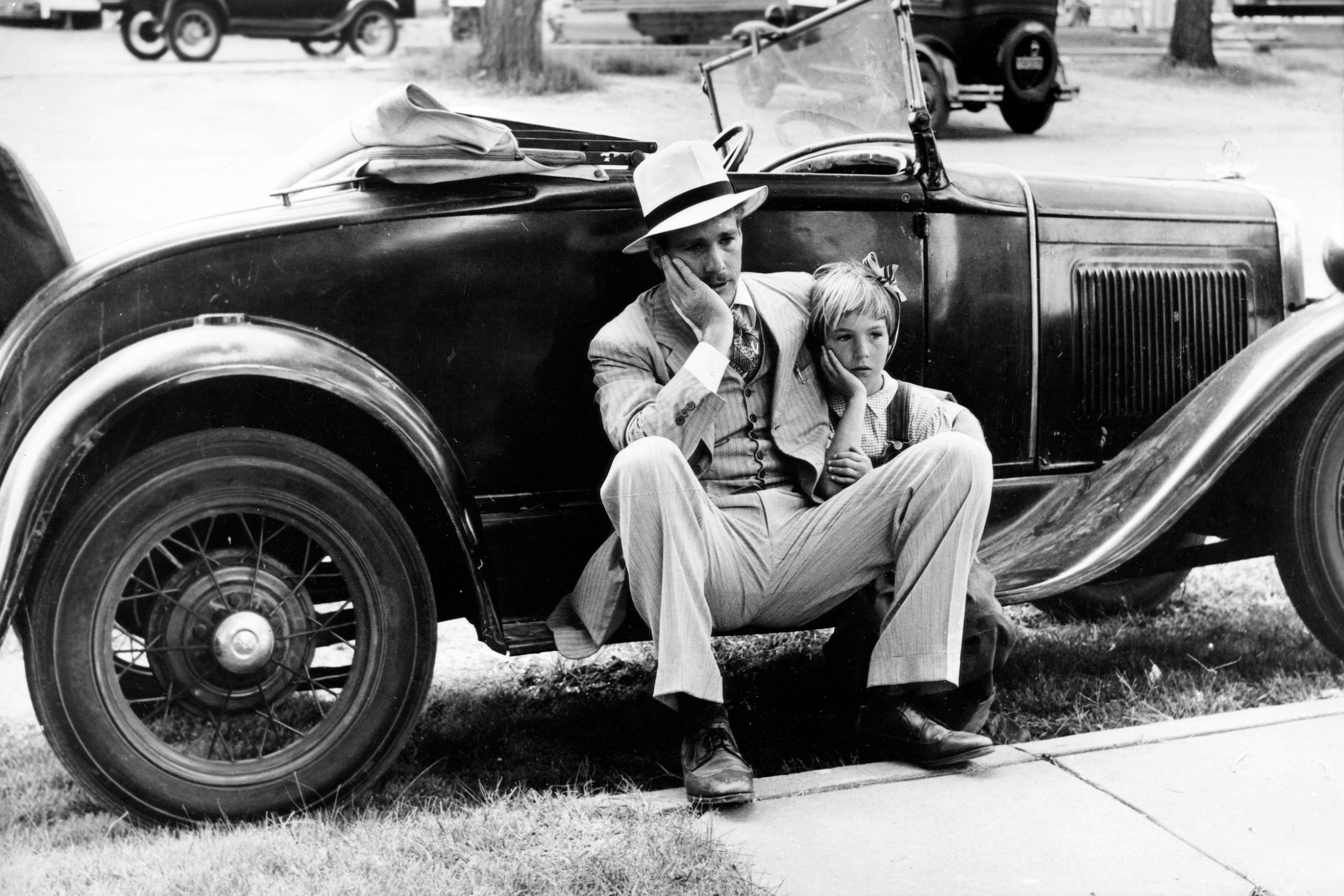
In Paper Moon, Ryan O’Neal is Moses Pray, a conman who has scammed people all his life. He meets a little girl named Addie, played by O’Neal’s own daughter Tatum O’Neal in her first film role, newly orphaned upon her mother’s death. Neighbors suspect Moses is her father, but he denies it. When the two embark on a road trip to get Addie to her aunt’s house across the country, they collaborate to form a formidable con-artist team, making the audience wonder if she isn’t his real daughter after all. Tatum O’Neal won the Academy Award for Best Supporting Actress, making her the youngest actor to ever receive it at the time.
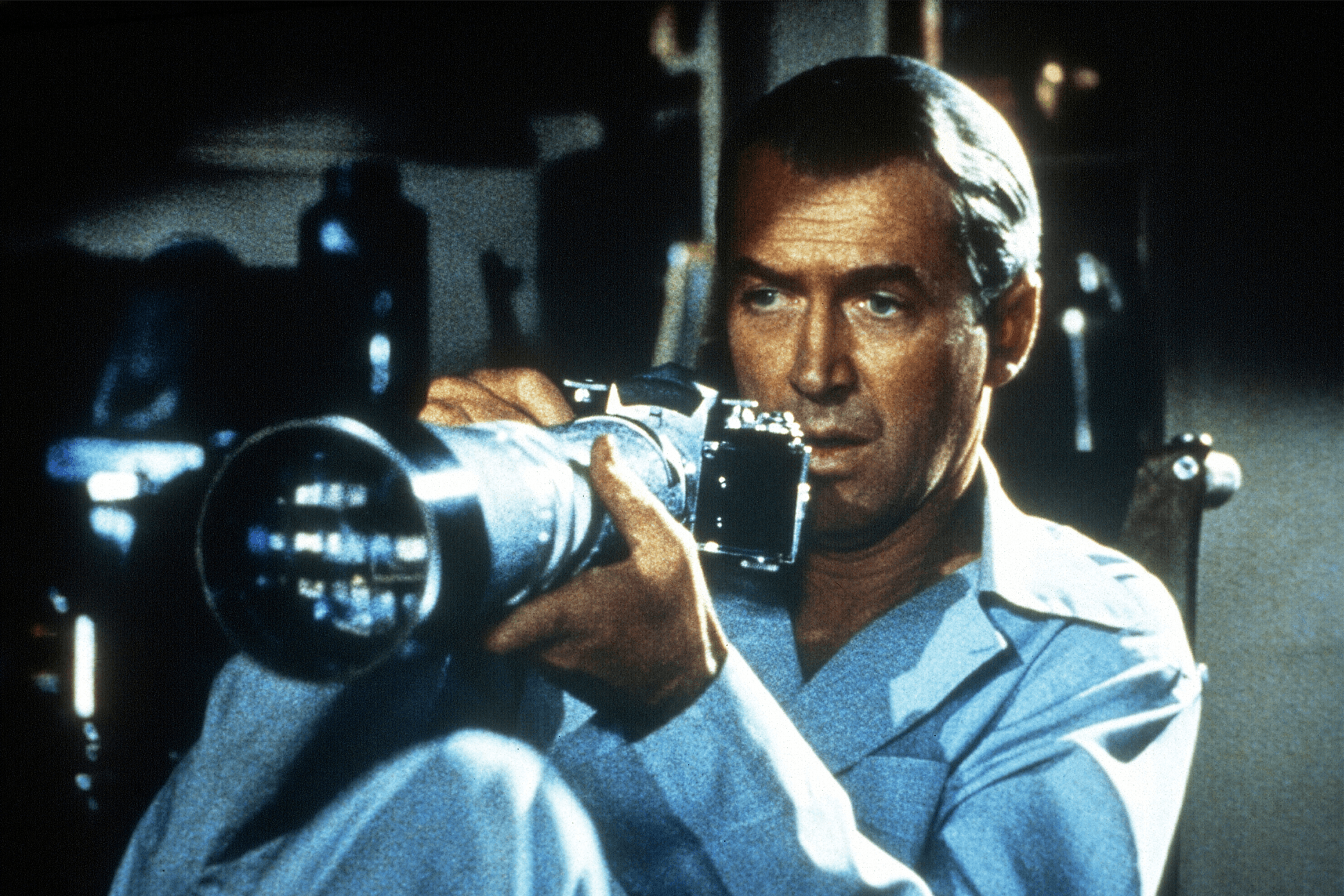
No one is a stranger to Hitchcock’s Rear Window, where everyone, even neighbors in a New York skyscraper, is a stranger. James Stewart is the temporarily incapacitated photojournalist Jeff Jeffries, who takes his investigative skills too far, snooping on his neighbors through the rear window of his apartment. Grace Kelly is his fashionista girlfriend, unable to resist getting entangled in the intrigue unfolding in Jeff’s mind about murder in their midst. What seems like the imagination of two bored individuals gone wild becomes more sinister, where ill intentions may indeed be afoot. Rear Window came to be known as one of Hitchcock’s best films, highlighting the voyeuristic tendencies of human nature through suspense, and exemplifying Hitchcock’s ability to craft a tight story through innovative camera moves. He was able to pull incredible performances from his actors, something that must inspire Domingo now that he is also directing. He directed episodes of Fear the Walking Dead and The Four Seasons and has a biopic of Nat King Cole on the horizon, which he will also star in as the legendary singer.
B.J. Novak became known for his starring role as Ryan Howard in The Office, the NBC TV series he also co-wrote, produced and directed. He has been nominated for and won numerous WGA, SAG and Emmy awards. He is also an acclaimed author with his fiction collection “One More Thing: Stories and Other Stories” and children’s book “The Book With No Pictures.” Vengeance (2022) was his writing and directing feature film debut. If Novak has an artistic trademark, it is his skill with satire, and he has chosen two films which exemplify how it’s done: Sullivan’s Travels (1941) and Contempt (1963).
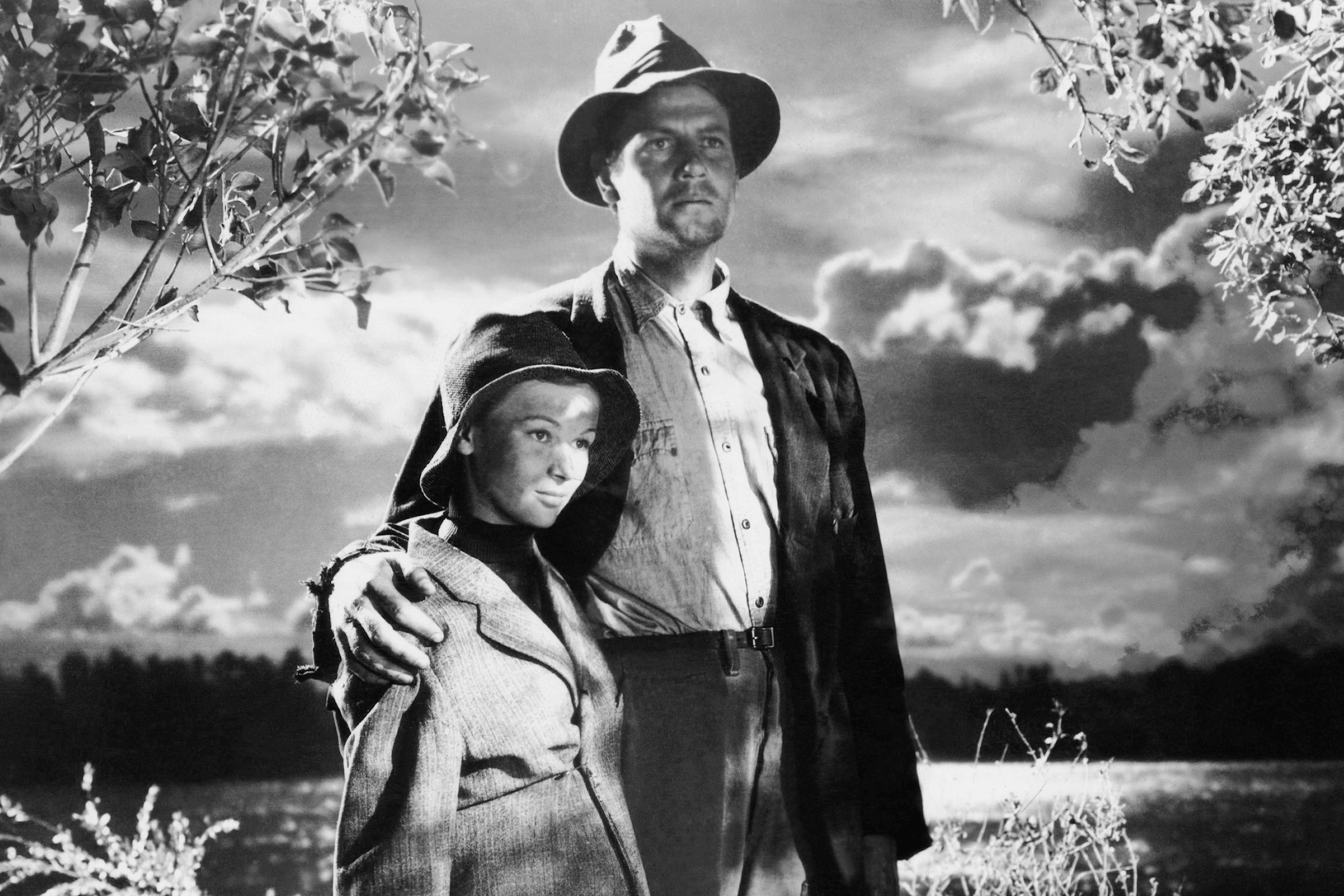
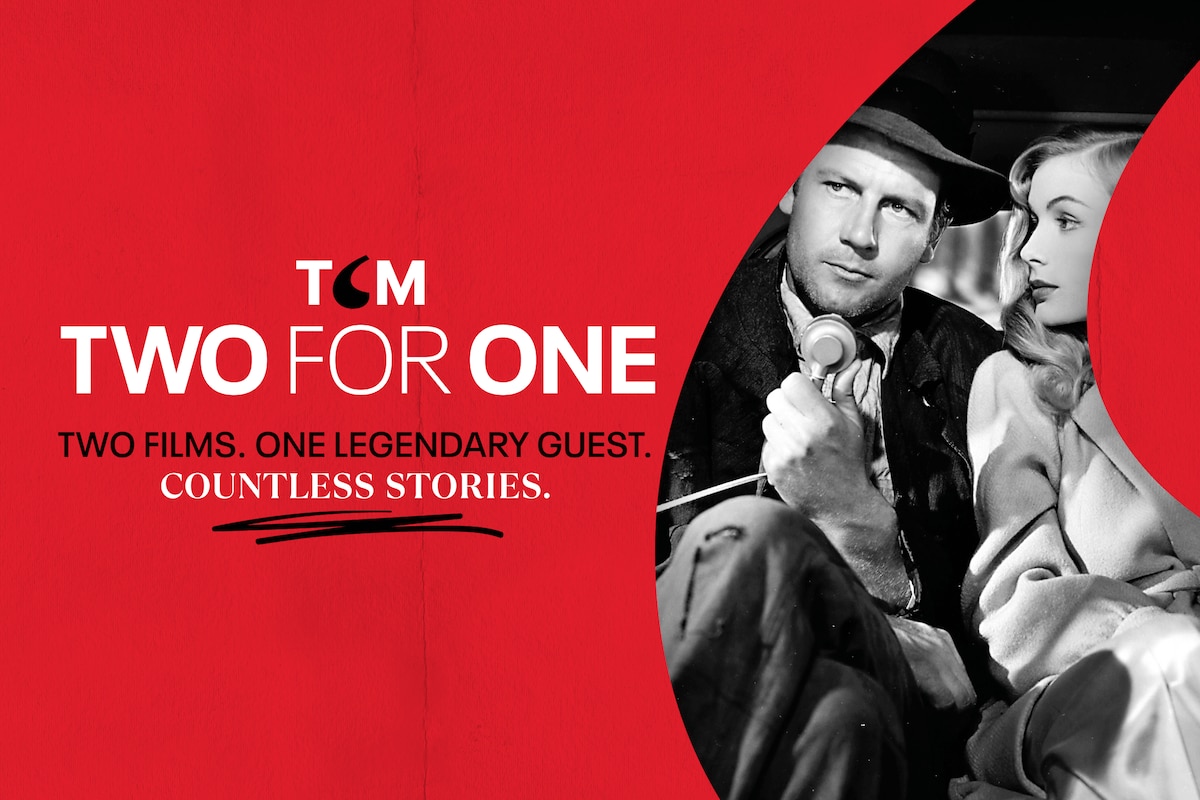
Sullivan’s Travels is a parody of the film industry by director Preston Sturges. The title itself is a riff on the famous Jonathan Swift novel Gulliver’s Travels. Joel McCrea stars as John Sullivan, a young director who has had success with his comedy movies but yearns to move on to more serious, dramatic material. He embarks on a journey where he pretends to be homeless so he can experience firsthand the trials and tribulations of the common man, though never too far from his entourage, who his studio has tasked with shadowing him. He meets a struggling actress played by Veronica Lake and takes her along on his ill-fated journey to find himself. The comedy of the film holds true today in the context of modern Hollywood.
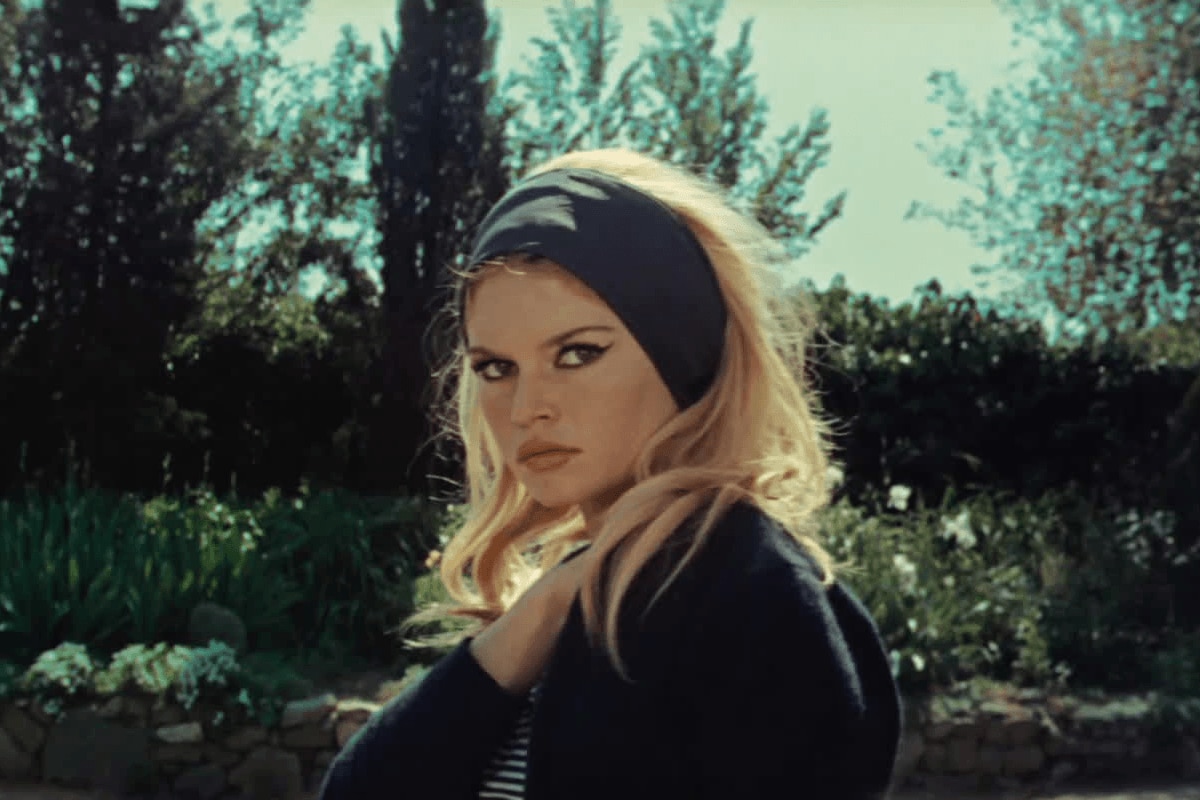
Contempt is a classic satire by revolutionary French New Wave director Jean-Luc Godard. Michel Piccoli is Paul Javal, a playwright who is given the chance to do a screenplay adaptation of Homer’s “The Odyssey,” which will be directed by Fritz Lang (starring as himself). When Paul sees that the film’s American producer, Jeremy Prokosch, played by Jack Palance, is intrigued by his wife Camille, a luminous Brigitte Bardot, he allows her to become entangled in an intrigue of romantic and artistic seduction. It is a dramatic, comedic satire, effective in its criticism of people using each other as pawns for their own desires.
Both films are meta-textual, drawing comedy and catharsis from the unflinching satire of the film and theater world. Both films’ social commentary dovetails with Novak’s work, especially with Vengeance and The Office, where he skewers office culture with equal parts drama and comedy, and the jokes hit perhaps a little too hard.
Two for One in June offers a particularly special behind-the-scenes look at classic films and the way they have influenced modern actors and directors. It will be a summer to remember.