Former monthly contribution by TCM host Ben Mankiewicz to the TCM newsletter Now Playing in June, 2011.
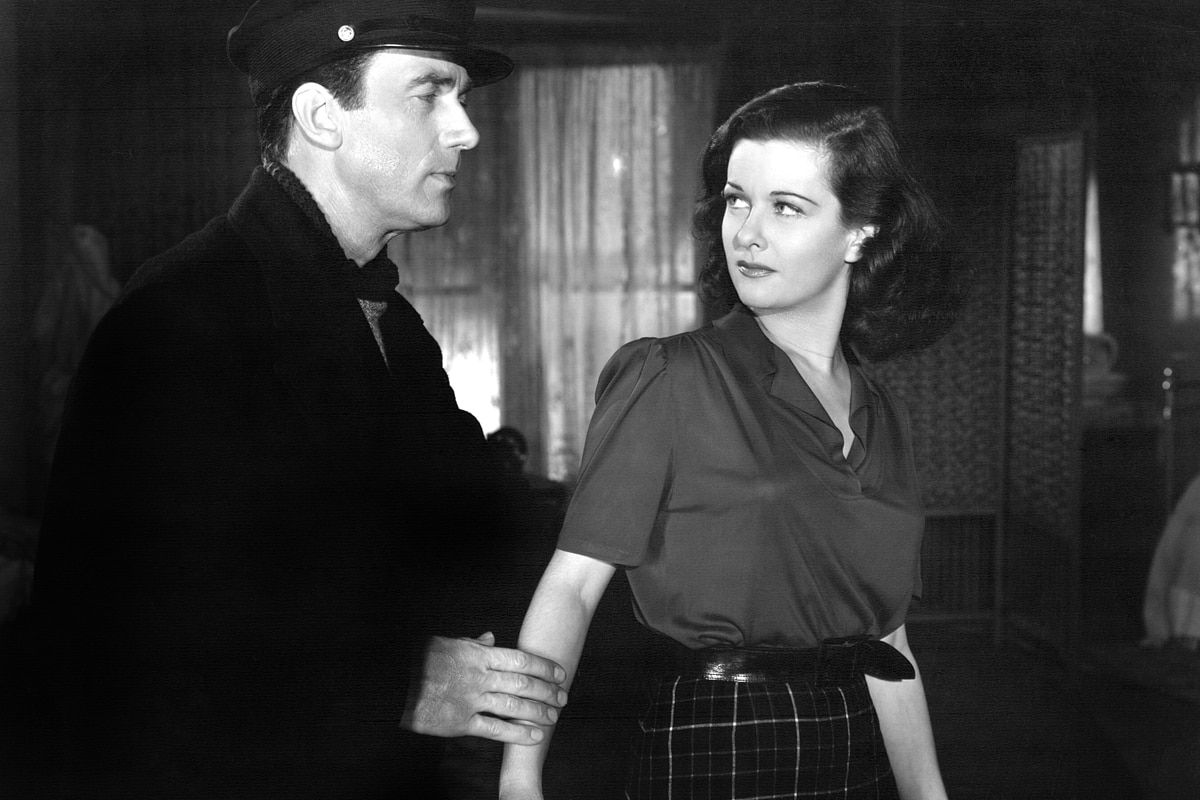
The premise for Fritz Lang's 1941 Man Hunt is thrilling on its face: A big game hunter, played by Walter Pidgeon, stalks Adolph Hitler at Berchtesgaden–he has an opportunity to assassinate him, but instead, he's captured and turned over to the Gestapo, who torture him. Pidgeon manages to escape–elaborately–but when he gets to England, he finds himself hunted by Nazi spies. Now that story, adapted from a novel by Geoffrey Household (first published in serial form in “The Atlantic Monthly”), is compelling, but it's got nothing on the film's production history.
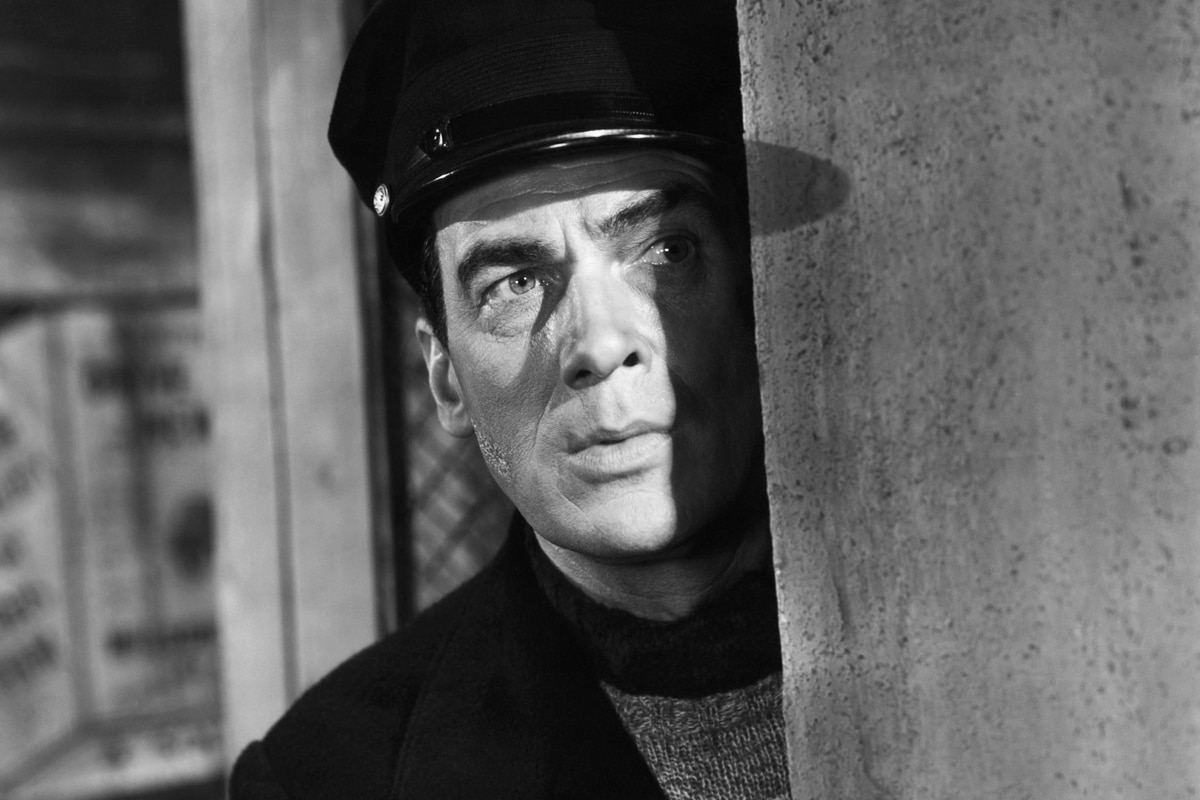
The Production Code Office objected to the story, writing in a memo that "in this script the Nazis are characterized as brutal and inhuman people." Yes, you're reading that right. The Nazis were unfairly portrayed.
To understand that puzzling objection, remember that Man Hunt went into production in early 1941. The United States hadn't yet entered World War II. We didn't even formally enter into open support of the Allies until the Lend-Lease Act in March of 1941. On December 29, 1940, President Roosevelt gave his famous "arsenal of democracy" speech, effectively calling for Congress to reverse better than two decades of isolationist foreign policy. Many powerful members of Congress objected. And though Hollywood was just about to release a spate of films portraying the evils of Nazism, the Production Office was still looking to keep movies unbiased.
So it was against that backdrop that Joseph Breen, head of the PCA, read the script for Man Hunt and then fired off that memo to 20th Century-Fox, reminding the studio of PCA's policy against "hate" pictures. Given the way the Germans were portrayed, in contrast to the more "sympathetic" British hero, Breen argued a majority of the public would object to the film as "inflammatory."
One can only wonder what director Fritz Lang, who had fled the Nazis to find refuge in Hollywood in the early '30s, must have thought when he read that memo.
The finished product did little to assuage Breen's concerns: a few sympathetic Germans in exile were included, but the Nazis still behaved like Nazis.
Man Hunt was released in June 1941. In September, the film came up during a Senate subcommittee meeting on propaganda in the movies. The committee was scheduled to meet again, but on December 7th, the Japanese attacked Pearl Harbor and within four days, the United States was at war with Japan and Nazi Germany.
The film itself is a taut, exciting thriller directed by one of the greats, and it includes a phenomenal performance by Joan Bennett as a Cockney prostitute–and Breen, by the way, also objected to that. Sometimes, thankfully, there's just no pleasing the censors.