Former monthly contribution by TCM host Ben Mankiewicz to the TCM newsletter Now Playing in May 2019.
There is a strong argument–one made by historians at the National World War II Museum in New Orleans–that World War II represents the most consequential six years of the 20th century. And if you accept that–and you should–then it stands to reason that June 6th, 1944, D-Day, stands as the most momentous 24 hours of the 20th century.
We've partnered with the museum to present Never Surrender: WWII in the Movies, 75 World War II movies throughout May and June, all to commemorate the 75th anniversary of the D-Day invasion. I'm co-hosting 27 of those films from New Orleans with historians affiliated with the museum, presenting three movies in primetime every Thursday night.
I can't say enough about the National World War II Museum, so I'll keep it simple: It's among the finest museums in the world, a fully immersive experience (I should warn you–I used the word "immersive" early and often during those conversations at the museum, because I'm telling you, it's...immersive). The museum somehow manages to tell America's World War II story on two different planes–one epic, the other intimate. The grand scope of the American campaigns in Europe and the Pacific is simultaneously balanced by the opportunity to hear those stories told through oral histories of individual soldiers, marines, sailors and airmen.
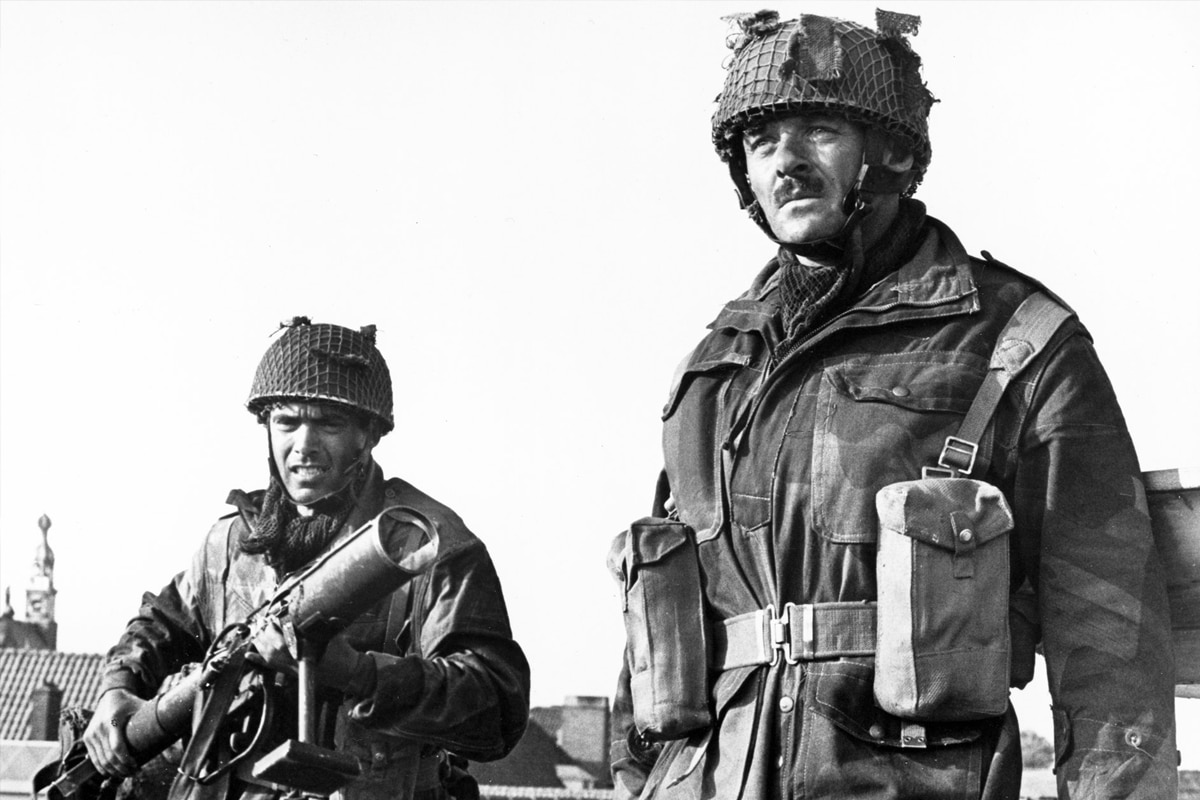
And throughout, no punches are pulled. There is no censorship. Alongside the triumph over fascist Germany and imperial Japan are accounts of the fire bombings of Japanese and German cities, which killed hundreds of thousands of civilians at a minimum; plus the atomic bombings of Hiroshima and Nagasaki; as well as the American defeat at the Kasserine Pass and the failure of the ambitious Allied plan to end the war early with Operation Market Garden–the story told in A Bridge Too Far, which airs June 6th.
Over nine Thursdays in May and June, we're offering a range of pictures, from stories of the home front to a selection of seminal war pictures from Hollywood and Great Britain. A little tour of our co-hosted lineup includes William Wyler's Mrs. Miniver, which we opened our programming with on May 2nd, and George Stevens' masterful wartime romantic comedy The More the Merrier on the 9th.
Those nights are gone, but seven additional Thursdays lie ahead, including a British drama with memorable doses of British humor on the 16th, Millions Like Us. Told in documentary-like detail, it's the story of a young woman working at a wartime factory who falls in love with an RAF recruit about to embark on his first mission. On the 23rd, we'll have another small but moving British picture, writer/director John Boorman's autobiographical 1987 film Hope and Glory, which earned five Oscar nominations. On the 30th, we return to William Wyler with the first feature he made after his wartime service, The Best Years of Our Lives (Mrs. Miniver was the last film he made before joining Frank Capra's documentary unit).
During primetime in June, we move to the front. On the night of June 6th, the 75th anniversary of D-Day, we have a double feature we're enormously proud of, opening with The Longest Day, Darryl Zanuck's star-studded, detailed epic account of the Normandy invasion, followed by Overlord, an intense, minimalist and somewhat surreal British picture about a single English soldier followed from his call-up to his journey across the channel in the early morning hours of June 6th.
The rest of June will feature familiar wartime titles in primetime, including John Wayne in Sands of Iwo Jima on the 13th; John Sturges' The Great Escape and David Lean's The Bridge on the River Kwai on the 20th; and Audie Murphy playing himself in To Hell and Back on the 27th.
But here's why this two-month spotlight matters so much. Many of you are familiar with some of these movies, but you've never experienced them curated and contextualized by the country's foremost World War II historians, including: Gordon "Nick" Mueller, the National World War II Museum's co-founder and first president; Rob Citino, the museum's senior historian; Lynn Olson, “New York Times” bestselling author and British war expert; Seth Paridon, the museum's staff historian; and Gregory Cooke, a historical documentarian and researcher on the African-American experience during WWII.
Normally, when we welcome a co-host to TCM, we dive deep into the movies. Not in this case. Far more of these conversations focus on the real-life horror stories told inside these movies. It is our hope that you'll experience what has already happened to me–that your appreciation for these films and for the sacrifice of every man and woman who contributed to the war effort will intensify as we prepare to observe the 75th anniversary of the most significant day of the 20th century.