December 19-25
TCM’s 2026 Christmas Marathon, running 24 hours a day for seven straight days culminating on Christmas Day, spans 70 years of movies. From A Christmas Past—a compendium of 10 silent shorts made between 1901 and 1925—to Mon Oncle Antoine (1971), there is something for everyone. Comedies, dramas, musicals, Westerns, romances, films noir, melodramas, period pieces and more are all in the mix. Audiences simply love to see movies at holiday time that have the holiday in them. Becoming invested in characters onscreen who navigate the tropes, traditions and meanings of the season is not just relatable but cathartic, reminding us of the love, togetherness and compassion—as well as the loneliness, wistfulness and stress—that the season can represent. The purest Christmas films feature the holiday as a meaningful part of the storytelling, with the season as a catalyst prodding characters to reconcile or transform.
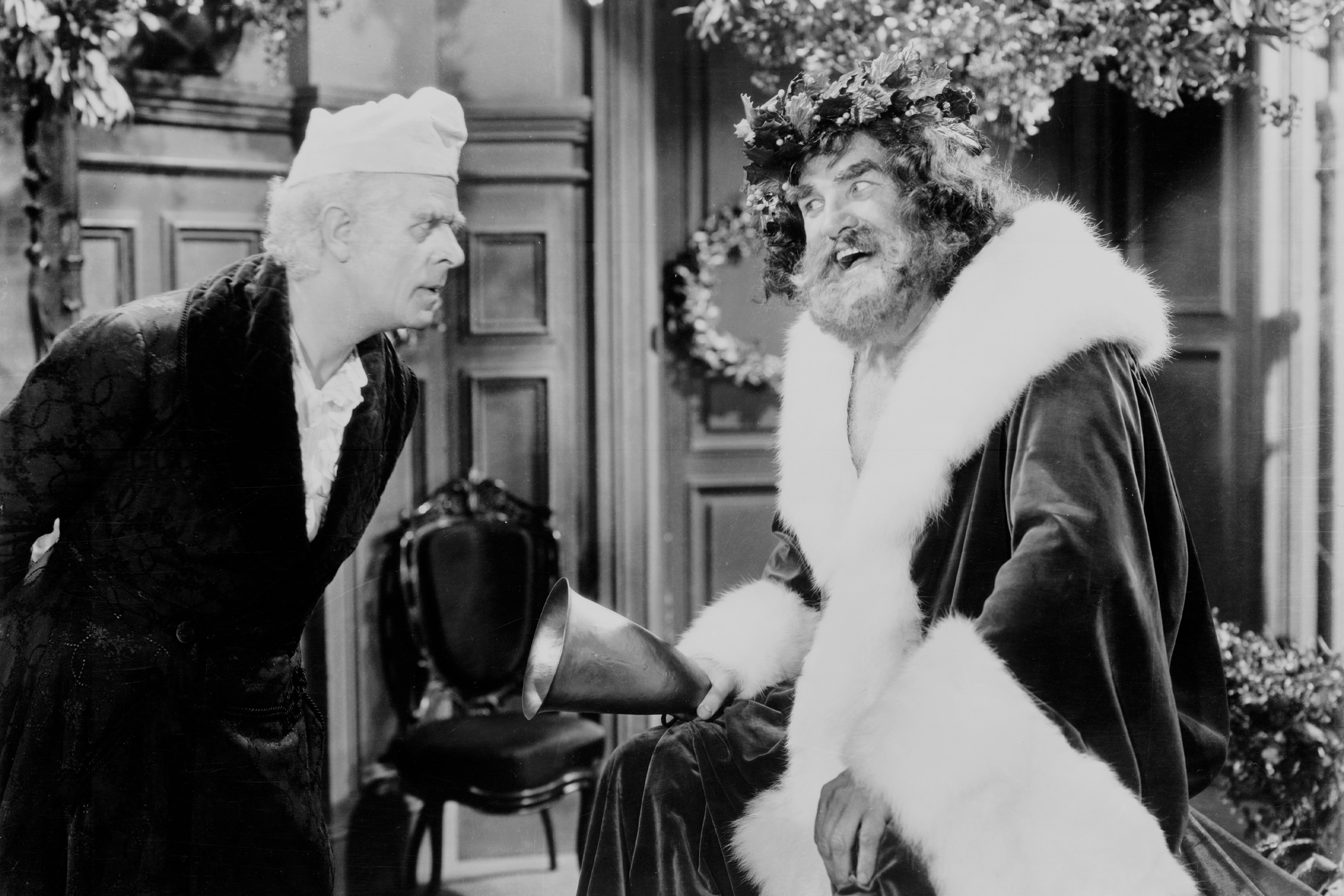
The granddaddy of holiday transformation stories is Charles Dickens’ “A Christmas Carol.” That 1843 novella introduced the world not just to Ebenezer Scrooge, but to the very idea that Christmas can transform a soul for the better and that the better version has been in us all along. It is one of the most-filmed stories of all time, with countless screen adaptations dating to at least 1901. This marathon presents two of them. MGM’s A Christmas Carol (1938) is a polished and somewhat glamorized take, low on Dickens’s London grit but boasting an affecting blend of humor and pathos, as well as an entertainingly sexy Ann Rutherford as the Ghost of Christmas Past. Reginald Owen replaced Lionel Barrymore as Scrooge when Barrymore had to bow out due to injury, but it is Terry Kilburn—currently 100 years old—who steals the show as perhaps the definitive Tiny Tim.
The second adaptation is a sneakier one: Cash on Demand (1961), a suspenseful British film noir made by Hammer Films. Told in real time, it is the story of a bank heist, with debonair thief Andre Morell forcing miserly bank manager Peter Cushing to assist in robbing his own bank on Christmas Eve. Based on a television play, it applies the characters and events of “A Christmas Carol” to its story, with Cushing standing in for Scrooge, Morell representing all the Christmas spirits, and Richard Vernon, as the office manager, playing a version of Bob Cratchit. The effect is subtle but unmistakably there, making Cash on Demand a wonderfully offbeat title to discover.
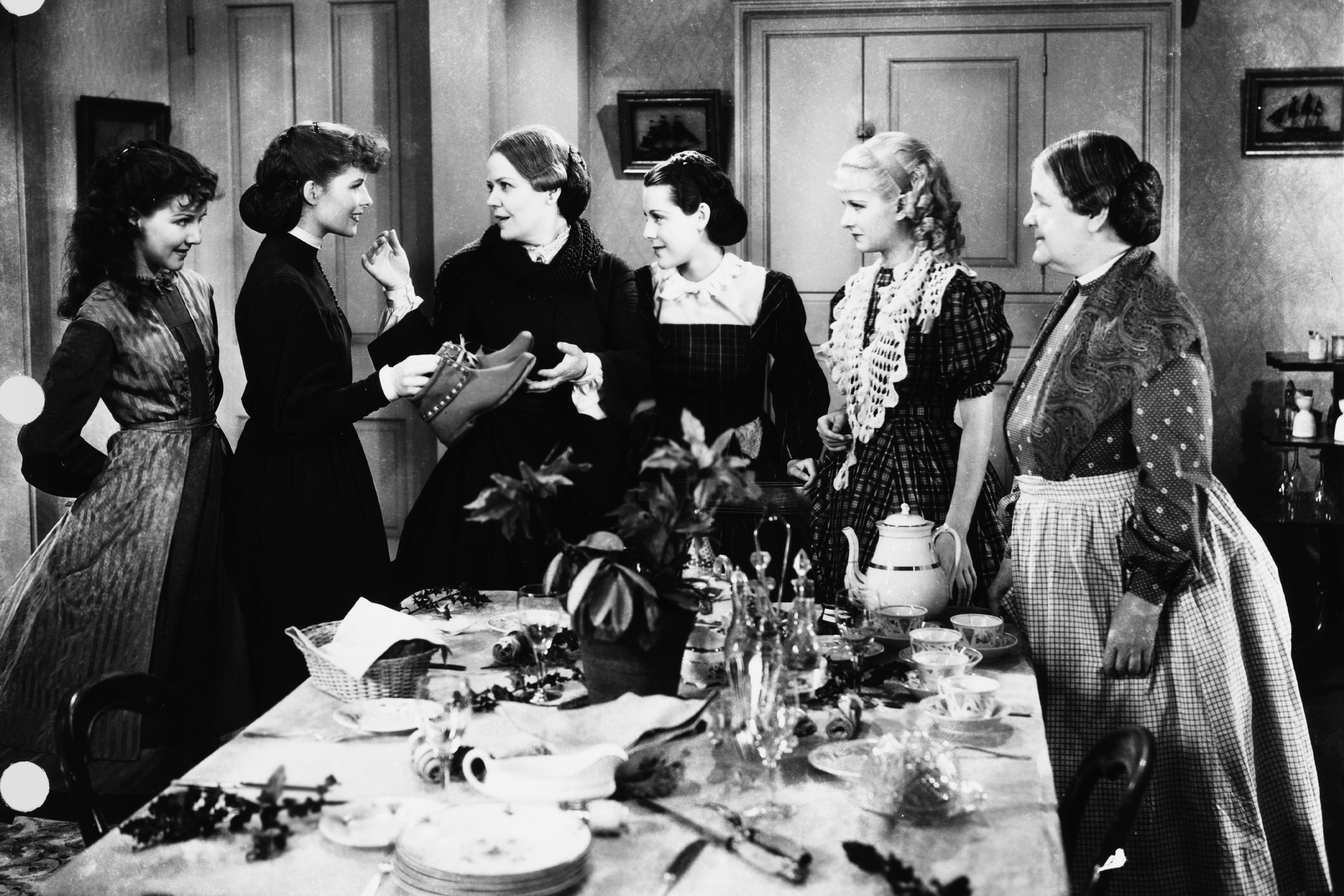
Other beloved novels have also been adapted multiple times into holiday films. Louisa May Alcott’s “Little Women” has the season baked into its story. The four March sisters grow up with their mother over several years—and Christmases—in 1860s New England, while their father is serving in the Civil War. The 1933 film version of Little Women, directed by George Cukor and a surprise hit for RKO, drew three Oscar nominations and remained a career highlight for Katharine Hepburn, who plays the headstrong Jo March. Her sisters are played by Frances Dee, Jean Parker and Joan Bennett, and the film boasts the most lovably cantankerous Aunt March of them all, played by Edna May Oliver. In 1949, MGM made its own Little Women, in Technicolor and with more glamor than RKO’s version, but just as effective. June Allyson, Elizabeth Taylor, Janet Leigh and Margaret O’Brien make for a starry cast, with Mary Astor as the most poignant Marmee of any Little Women film.
MGM’s two versions of Three Godfathers, released in 1936 and 1948, are actually the fourth and fifth screen adaptations of Peter Kyne’s 1913 allegorical story. Set over a few days leading to Christmas, it’s the tale of three outlaws on the run who rescue a baby from a dying mother in the middle of the desert, prompting them to seek redemption as they now try to get the baby to safety in the town of New Jerusalem. The admirable 1936 adaptation stars Chester Morris, Walter Brennan and Lewis Stone, while the better-known, Technicolor 1948 version stars John Wayne, Harry Carey Jr., and Pedro Armendariz under the direction of John Ford. Its opening dedication to Harry Carey Sr. is all the more poignant for the fact that Carey had starred in the two (now lost) silent versions of the tale, one of which was also directed by Ford.
Two fascinating B movies airing in the pre-dawn hours of December 20 are well worth catching. The Curse of the Cat People (1944), a sequel to RKO’s horror smash Cat People (1942), was given its lurid title by the studio brass before a story was even devised. Producer Val Lewton resented this, and in a cheeky bit of payback, he turned out not another horror but rather a poignant, mildly spooky fantasy drama about a lonely little girl with two mother figures—her real mom and an imaginary one who loves her unconditionally and may be the ghost of Irena, the “cat woman” who died in the first movie. Christmas enters the story in the second half, with the feel of the season blending with snowy imagery and gentle visions of Irena, resulting in cinematic poetry. Exquisitely photographed by Nicholas Musuraca, Curse is a touching journey into the mind of a child as well as a perceptive exploration of marital relationships, parent-child dynamics and trauma—all in a scant 70 minutes.
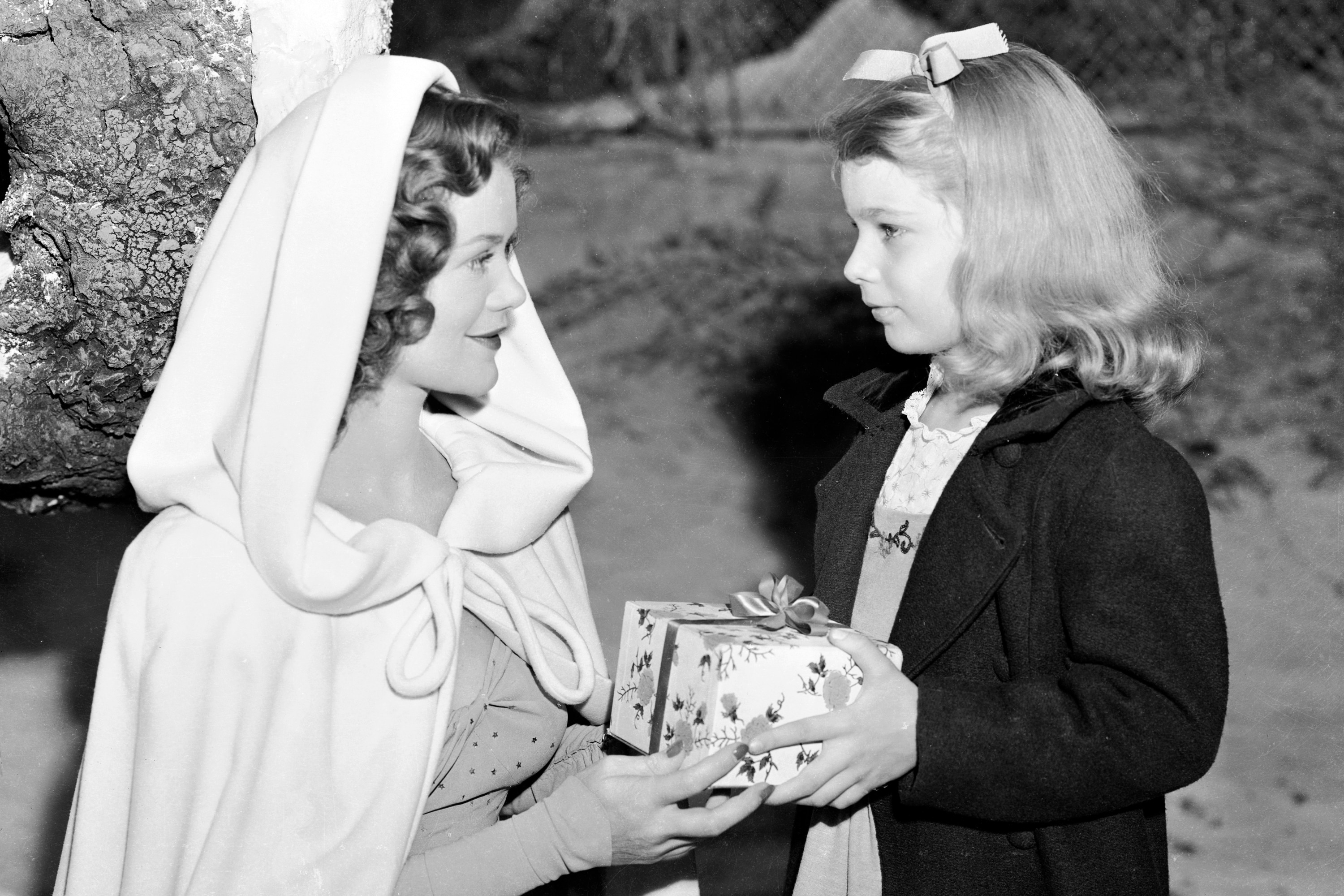
The other B film, Miracle on Main Street (1939), has been slowly gaining attention since its debut on TCM three years ago. The actress known as Margo stars as a stripper with a shady husband who attempts to fleece an undercover cop on Christmas Eve. On the run, Margo finds an abandoned baby in a church, which she takes in order to mask her escape. But gradually she develops attachment and decides to raise the infant herself—as well as drop her husband and get a respectable job. Produced for the poverty row studio Grand National Films by Jack Skirball, a former rabbi who would later become a prominent philanthropist, Miracle on Main Street brings together many ingredients of what we now see as Christmas movies, including a focus on family, especially one that unites and grows, and an acknowledgement of the lonelier aspects of the season. The holiday comes off as an active force, fostering redemption and healing as it prompts Margo and other characters to shed their cynicism.
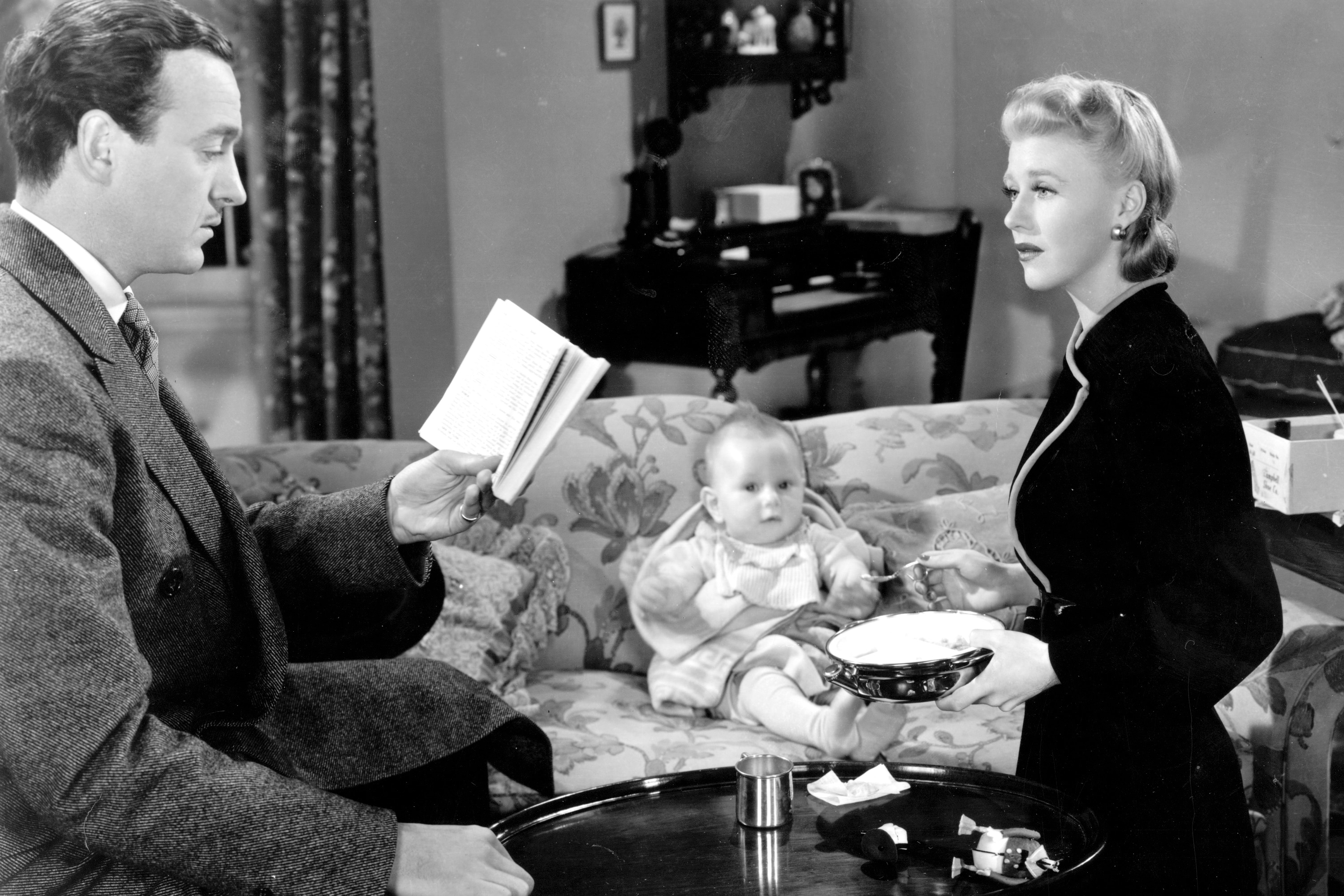
By the time the film was ready for release, Grand National had gone out of business. Skirball made a deal with Columbia to release the movie domestically and arranged for Twentieth Century-Fox to release a Spanish-language version that had been filmed simultaneously (also starring Margo). Miracle on Main Street remains a bit rough around the edges, lacking a major studio’s polish, but it compensates with some unusually frank and suggestive scenes for its time as well as an offbeat, touching story. By contrast, Bachelor Mother (1939), a major RKO production starring Ginger Rogers, was in release around the same time as Miracle on Main Street and is also about a woman whose life turns around when she finds a baby on Christmas. But the holiday is not as centrally meaningful to the story, functioning more as a backdrop to an otherwise breezy and light tale. Both Bachelor Mother and its musical remake Bundle of Joy (1956), starring newlyweds Debbie Reynolds and Eddie Fisher, are in the TCM marathon, allowing for some fascinating side-by-side comparisons.
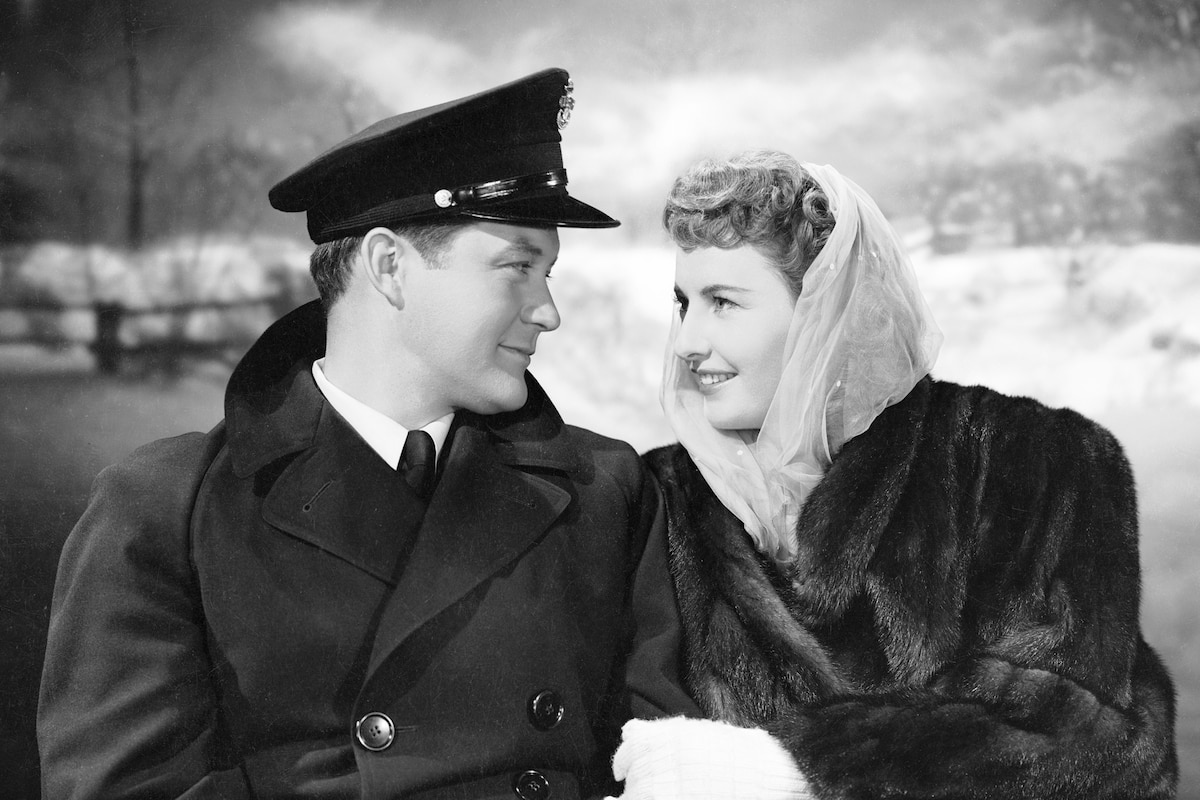
The night of December 23 offers another lineup that should not be missed: a triple feature starring the sublime Barbara Stanwyck. The first two titles are among the top holiday classics that fully integrate Christmas, and all three show off Stanwyck’s great versatility. In Christmas in Connecticut (1945), she is in farcical comedy mode as a popular magazine columnist who’s known as a model homemaker with perfect recipes and for having a loving husband, an eight-month-old baby and an idyllic Connecticut farmhouse. The only problem? It’s all a lie. Elizabeth actually lives alone in a Manhattan apartment without so much as a window box, and she can’t cook toast. Her recipes have come from a Hungarian chef friend (S. Z. Sakall), so when her editor insists that she host a wounded sailor for Christmas at her farmhouse, she has to come up with a farmhouse, husband and baby—fast. Stanwyck and Dennis Morgan bring the wild comedy to great life, along with Sydney Greenstreet in a rare comic role. A huge hit for Warner Bros., the film grew into a holiday perennial decades later, thanks to repeat television airings a la It’s a Wonderful Life (1946).
Remember the Night (1940), meanwhile, places Stanwyck into a first-rate blend of comedy and romance that pairs her for the first time with Fred MacMurray. In the witty script by Preston Sturges, she’s a shoplifter and he’s the assistant district attorney prosecuting her. With the trial interrupted for the Christmas holiday, MacMurray bails Stanwyck out and drives her to her childhood home in Indiana, as it’s right on the way to his own childhood home. They fall in love as the story moves along, but hanging over their heads is the problem of how to resolve the shoplifting case when they return to New York.
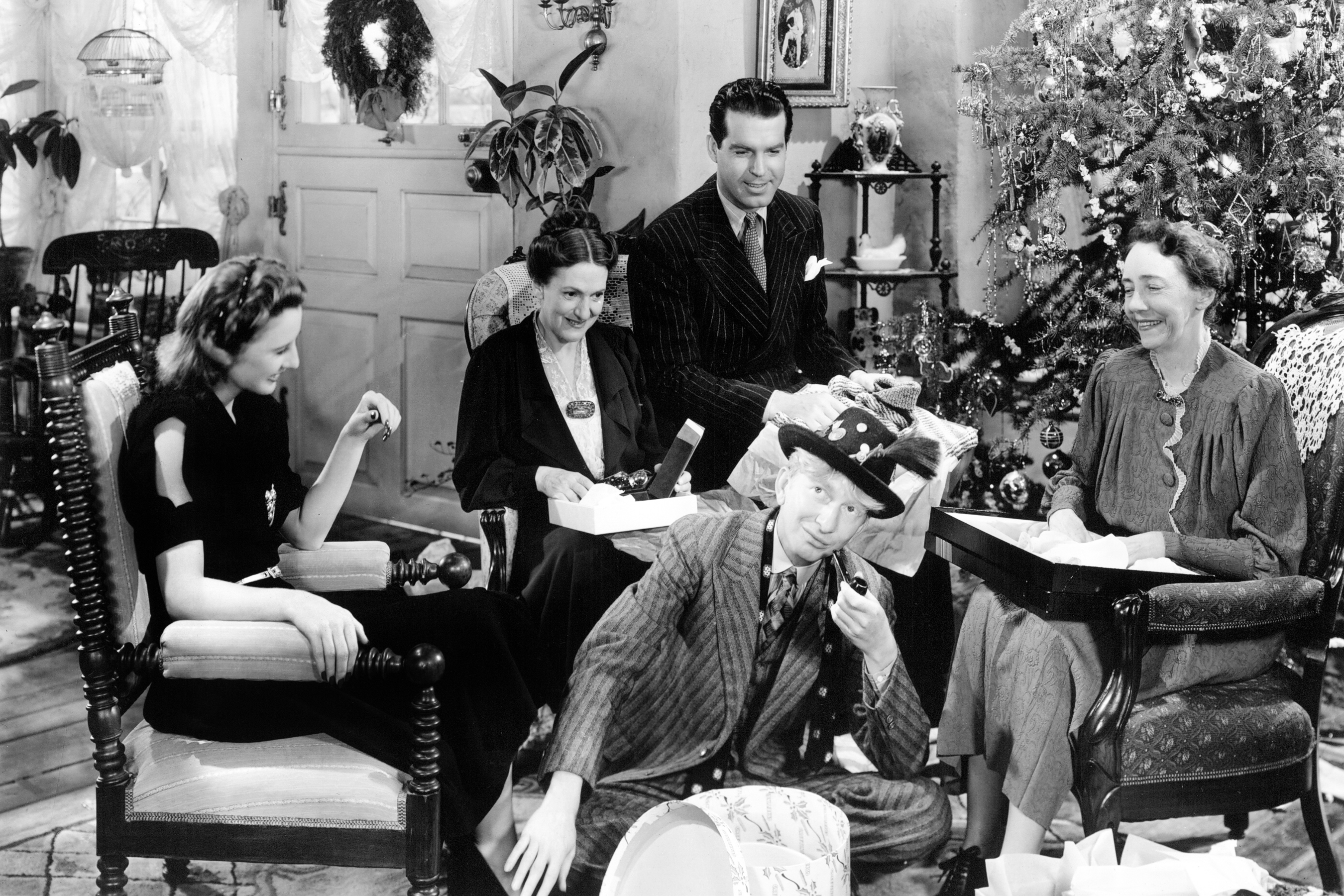
Remember the Night is one of the key Christmas movies because it uses the season to actually define the characters’ psychologies. The contrasts between their lives are shown in Christmas-movie terms: Stanwyck’s mother (Georgia Caine) is among the iciest and most unwelcoming in movie history, while MacMurray’s mom (Beulah Bondi) is kindhearted and sympathetic to the max—the kind of mom anyone would want to come home to for Christmas. Even the two childhood houses are presented, lit and shot in such a way as to highlight the contrast between Christmas warmth and the lack thereof. Director Mitchell Leisen had started his career as an architect, art director and costume designer, and his experience in using those design elements to express story was a big part of the film’s success.
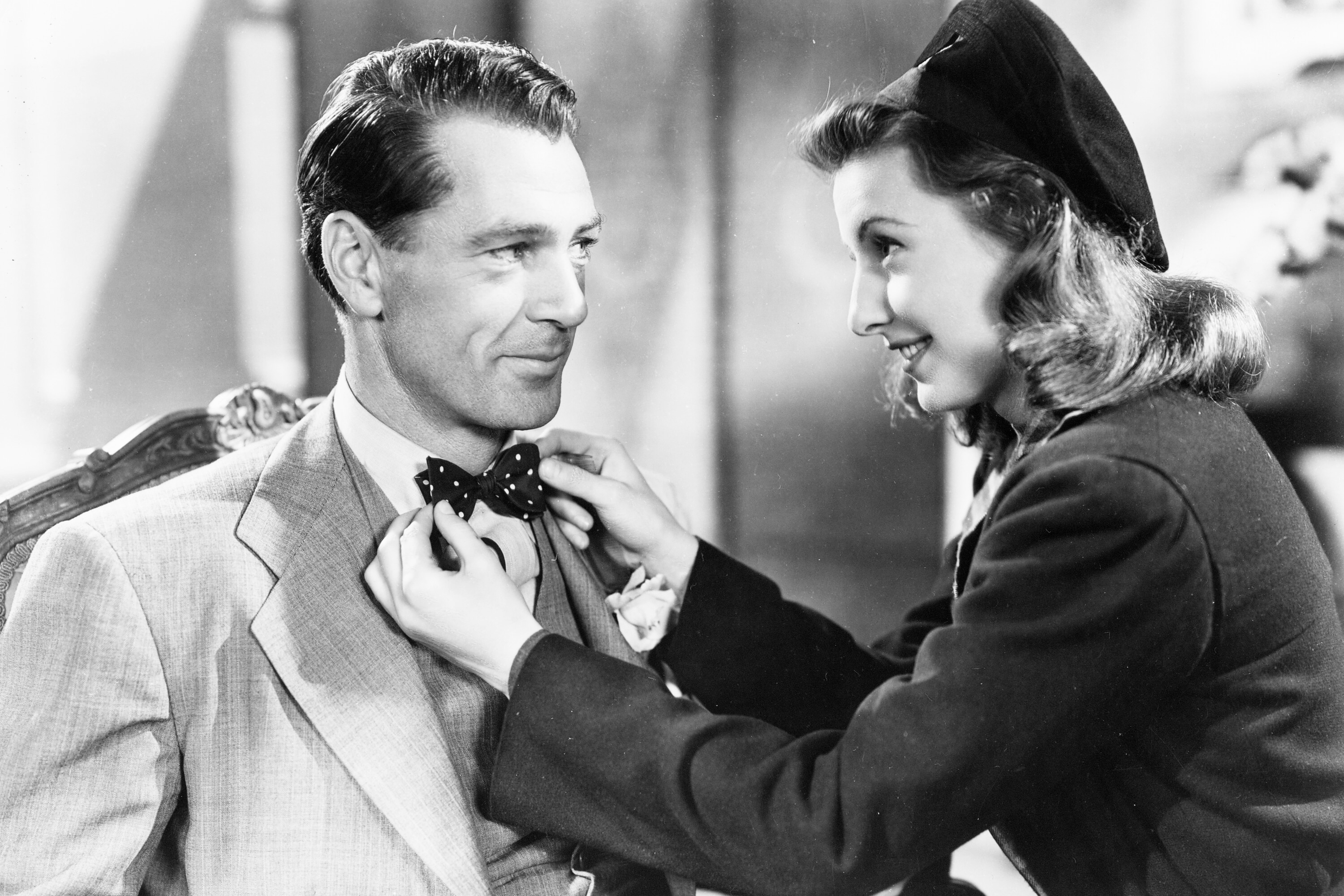
Finally, in Meet John Doe (1941) Stanwyck plays another newspaper columnist, this time in a political drama made as a warning against homegrown fascism. She cynically writes and prints a fake letter from a nonexistent reader that says he is fed up with society’s treatment of the common man and will jump off a building on Christmas Eve. In a striking similarity to Christmas in Connecticut, Stanwyck suddenly has to find a real “John Doe” to play the one she invented, and she finds him in the form of Gary Cooper. While not a full-fledged Christmas movie, Meet John Doe is notable for reuniting Stanwyck with director Frank Capra, who in the early 1930s had directed her in four other films, including the one that boosted her to stardom, Ladies of Leisure (1930).
For the full list of programming, visit the TCM schedule or look below.
Saturday, December 19
| 6:00 AM | Kind Lady (1935) |
| 7:30 AM | Bush Christmas (1947) |
| 9:00 AM | Tenth Avenue Angel (1948) |
| 10:30 AM | A Christmas Carol (1938) |
| 12:00 PM | Babes in Toyland (1934) |
| 1:30 PM | 3 Godfathers (1949) |
| 3:30 PM | Pocketful of Miracles (1961) |
| 6:00 PM | We're No Angels (1955) |
| 8:00 PM | It Happened On Fifth Avenue (1947) |
| 10:15 PM | The Man Who Came to Dinner (1942) |
| 12:15 AM | Fitzwilly (1967) |
| 2:15 AM | Cash on Demand (1961) |
| 3:45 AM | Cover-up (1949) |
| 5:15 AM | The Curse of the Cat People (1944) |
Sunday, December 20
| 6:30 AM | Miracle on Main Street (1939) |
| 8:00 AM | Our Vines Have Tender Grapes (1945) |
| 10:00 AM | Lady on a Train (1945) |
| 11:45 AM | The Thin Man (1934) |
| 1:30 PM | The Apartment (1960) |
| 3:45 PM | An Affair to Remember (1957) |
| 6:00 PM | Bell, Book and Candle (1958) |
| 8:00 PM | Going My Way (1944) |
| 10:15 PM | The Bells of St. Mary's (1945) |
| 12:30 AM | Christmas Past (1925) |
| 2:45 AM | Mon Oncle Antoine (1971) |
| 4:45 AM | Metropolitan (1990) |
Monday, December 21
| 6:30 AM | Three Godfathers (1936) |
| 8:00 AM | Carol for Another Christmas (1964) |
| 9:30 AM | Mrs. Parkington (1944) |
| 11:45 AM | Ma and Pa Kettle at Home (1954) |
| 1:30 PM | Little Women (1933) |
| 3:30 PM | The Lion in Winter (1968) |
| 6:00 PM | Period of Adjustment (1962) |
| 8:00 PM | Mr. Soft Touch (1949) |
| 10:00 PM | Lady in the Lake (1947) |
| 12:00 AM | Crooks Anonymous (1962) |
| 1:45 AM | Alias Boston Blackie (1942) |
| 3:00 AM | Roadblock (1951) |
| 4:15 AM | Backfire (1950) |
Tuesday, December 22
| 6:00 AM | Destination Tokyo (1943) |
| 8:30 AM | And So They Were Married (1936) |
| 10:00 AM | My Night at Maud's (1969) |
| 12:00 PM | The Daughter of Rosie O'Grady (1950) |
| 2:00 PM | The Rocking Horse Winner (1949) |
| 4:00 PM | The World of Henry Orient (1964) |
| 6:00 PM | On Moonlight Bay (1951) |
| 8:00 PM | Meet Me in St. Louis (1944) |
| 10:00 PM | In the Good Old Summertime (1949) |
| 12:00 AM | The Shop Around the Corner (1940) |
| 2:00 AM | Bachelor Mother (1939) |
| 3:30 AM | Bundle of Joy (1956) |
| 5:30 AM | Star in the Night (1945) |
Wednesday, December 23
| 6:00 AM | In Name Only (1939) |
| 8:00 AM | Blossoms in the Dust (1941) |
| 10:00 AM | Boys Town (1938) |
| 12:00 PM | The Man I Love (1947) |
| 2:00 PM | My Reputation (1946) |
| 4:00 PM | Larceny, Inc (1942) |
| 6:00 PM | Never Say Goodbye (1946) |
| 8:00 PM | Christmas in Connecticut (1945) |
| 10:00 PM | Remember the Night (1940) |
| 11:45 PM | Meet John Doe (1941) |
| 2:00 AM | Room for One More (1952) |
| 4:00 AM | Susan Slept Here (1954) |
Thursday, December 24
| 6:00 AM | Big Business (1929) |
| 6:30 AM | The Great Rupert (1950) |
| 8:00 AM | All Mine to Give (1957) |
| 9:45 AM | The Shop Around the Corner (1940) |
| 11:30 AM | O Henry's Full House (1952) |
| 1:45 PM | Little Women (1949) |
| 4:00 PM | It Happened on Fifth Avenue (1947) |
| 6:00 PM | Meet Me in St. Louis (1944) |
| 8:00 PM | The Bishop's Wife (1947) |
| 10:00 PM | Holiday Affair (1949) |
| 11:45 PM | A Christmas Carol (1938) |
| 1:00 AM | Christmas Eve (1947) |
| 2:45 AM | Auntie Mame (1958) |
| 5:15 AM | Penny Serenade (1941) |
Friday, December 25
| 7:30 AM | Beyond Tomorrow (1940) |
| 9:00 AM | Bachelor Mother (1939) |
| 10:30 AM | Susan Slept Here (1954) |
| 12:15 PM | Love Finds Andy Hardy (1938) |
| 2:00 PM | In the Good Old Summertime (1949) |
| 4:00 PM | The Man Who Came to Dinner (1942) |
| 6:00 PM | Christmas in Connecticut (1945) |
| 8:00 PM | Oliver! (1968) |
| 10:45 PM | Nicholas Nickleby (2002) |
| 1:15 AM | Little Dorrit: Part 1 Nobody’s Fault (1988) |
| 4:15 AM | Little Dorrit: Part 2 Little Dorrit’s Story (1988) |
| 7:30 AM | A Tale of Two Cities (1958) |