December 28 at 8pm | 5 Movies
As the year ends, TCM once again devotes an evening of programming to film artists who passed within the last 12 months. This year’s tribute focuses entirely on actors, with work spanning multiple genres, from musicals to film noir to arthouse fare. They’re all people who have touched audiences in some way — by making us laugh or cry, by making us want to get up and dance or just by being themselves. As long as we have their films, they’ll always be with us.
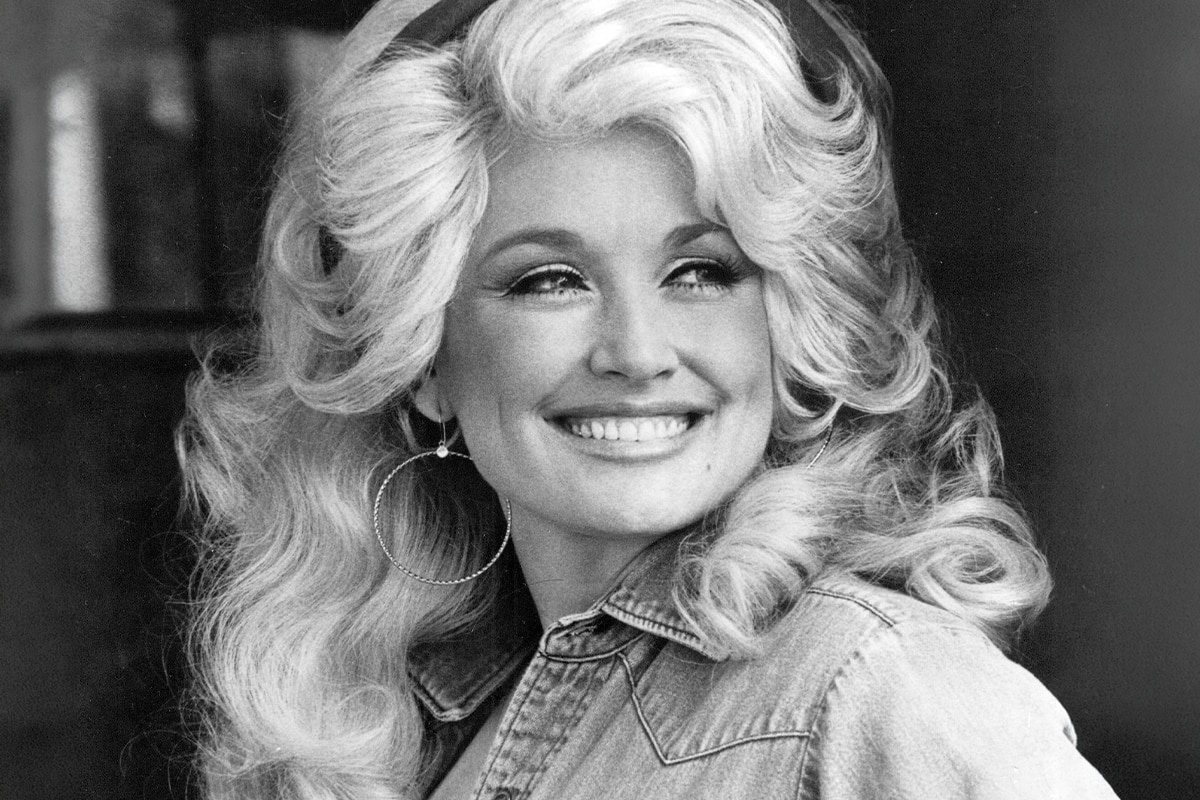
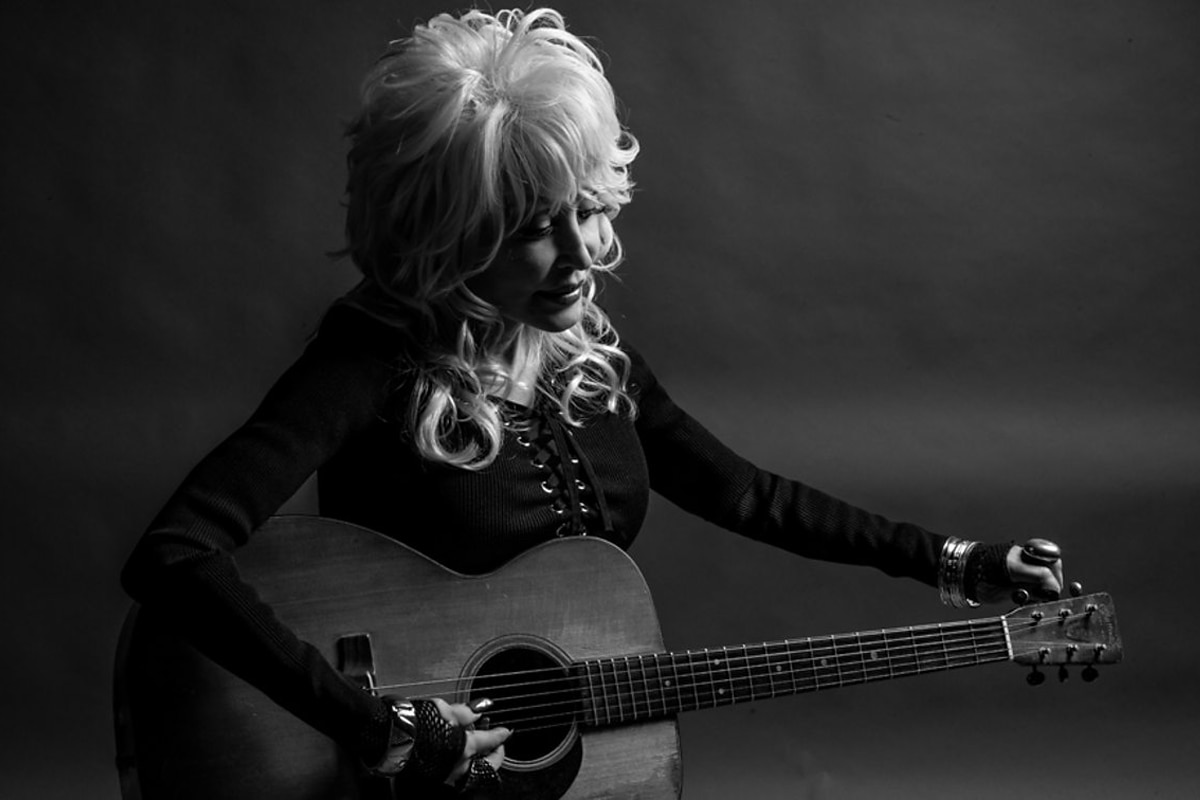
Dolly Parton (Dolly Parton: Here I Am, 2019)
Dolly Parton’s passing seemed unbelievable when it was announced in August. She was so much a part of people’s lives, it seemed she would go on forever. As a country-Western singer, composer, instrumentalist, actress and humanitarian, she had few peers. In a career spanning seven decades, she received 11 Grammys, three Emmys, 10 Country Music Association Awards, a Kennedy Center Honors, two Oscar nominations for Best Song and the Academy’s Jean Hersholt Humanitarian Award. She even won a Razzie. Her film appearances were limited because of her prodigious music career, but she made a vivid impression with her debut in 9 to 5 (1980), opposite Jane Fonda and Lily Tomlin, who would become lifelong friends. Other major film roles came in The Best Little Whorehouse in Texas (1982), with Burt Reynolds; Steel Magnolias (1989), with Julia Roberts and Sally Field; and Joyful Noise (2012), with Queen Latifah and Keke Palmer. She was also one of the industry’s most noted philanthropists. She encouraged literacy through Dolly Parton’s Imagination Library, helped fund the COVID-19 vaccine and lent her support to everything from wildlife preservation to disaster relief to LGBTQ rights.
TCM honors this icon not with one of her films, but rather with a documentary that captures the person behind the wigs and rhinestones. BAFTA-winning producer-director Francis Whately was given unprecedented access to the star to create Dolly Parton: Here I Am (2019). Focusing on Parton’s key songs, the film traces her career, with the singer-songwriter revealing the stories behind classics like “I Will Always Love You” and “9 to 5.” Along with friends like Fonda and Tomlin, the production had rare access to Parton’s manager, Danny Nozell, producer and songwriter Linda Perry and members of her band. It’s a fitting tribute to one of the screen’s and recording industry’s most accomplished and generous stars.
Catherine O’Hara (Waiting for Guffman, 1996)
When “SCTV” first aired on Canadian television in 1976, a neighbor of Andrea Martin, one of its stars, approached the actress on the street to compliment her work on the show. Author Sheldon Patinkin recounted the moment in his book “The Second City: Backstage at the World’s Greatest Comedy Theater,” detailing how the neighbor finished by saying she also liked “the other three women.” Those other three women were Catherine O’Hara. That’s just one sign of how versatile she was. O’Hara was an actress who could vanish within a character so thoroughly that even the most eccentric types seemed real. “SCTV” fans laughed at people like lounge singer Lola Heatherton, risqué comic and talk-show host Dusty Towne and Sister Mary Innocent, along with devastating impressions of Katharine Hepburn, Elizabeth Taylor and Brooke Shields. When the show moved from syndication to NBC late-night, it brought O’Hara an Emmy as part of the writing team. She followed that with an array of memorable film appearances, including the ice-cream truck driver in Martin Scorsese’s After Hours (1985), Winona Ryder’s pretentious stepmother in Tim Burton’s Beetlejuice (1988) and its 2024 sequel Beetlejuice Beetlejuice and Macaulay Culkin’s mother in the first two Home Alone movies (1990, 1992). On television, she guested on numerous comedy and dramatic series and played recurring roles as a Hollywood executive in “The Studio,” a therapist in “The Last of Us” and, of course, the impoverished actress Moira Rose on “Schitt’s Creek,” for which she won her second Emmy.
O’Hara’s most notable screen work, however, was in the mockumentaries directed and plotted by Christopher Guest. Starting with Waiting for Guffman (1996), she appeared in four of his films, all of which teamed her with fellow “SCTV” alumnus and future Schitt’s Creek co-star Eugene Levy. Their first collaboration is a hilarious send-up of small-town community theater, as she and on-screen husband Fred Willard become key players in writer-director Corky St. Clair’s (Guest) original musical tribute to their hometown, Blaine, MO. In later films, she would play Levy’s wife in Best in Show (2000), a satire of dog shows; his one-time singing partner in A Mighty Wind (2003), which poked fun at the folk music scene; and an actress hoping for an Oscar nomination in For Your Consideration (2006), which brought her Best Supporting Actress honors from the National Board of Review.
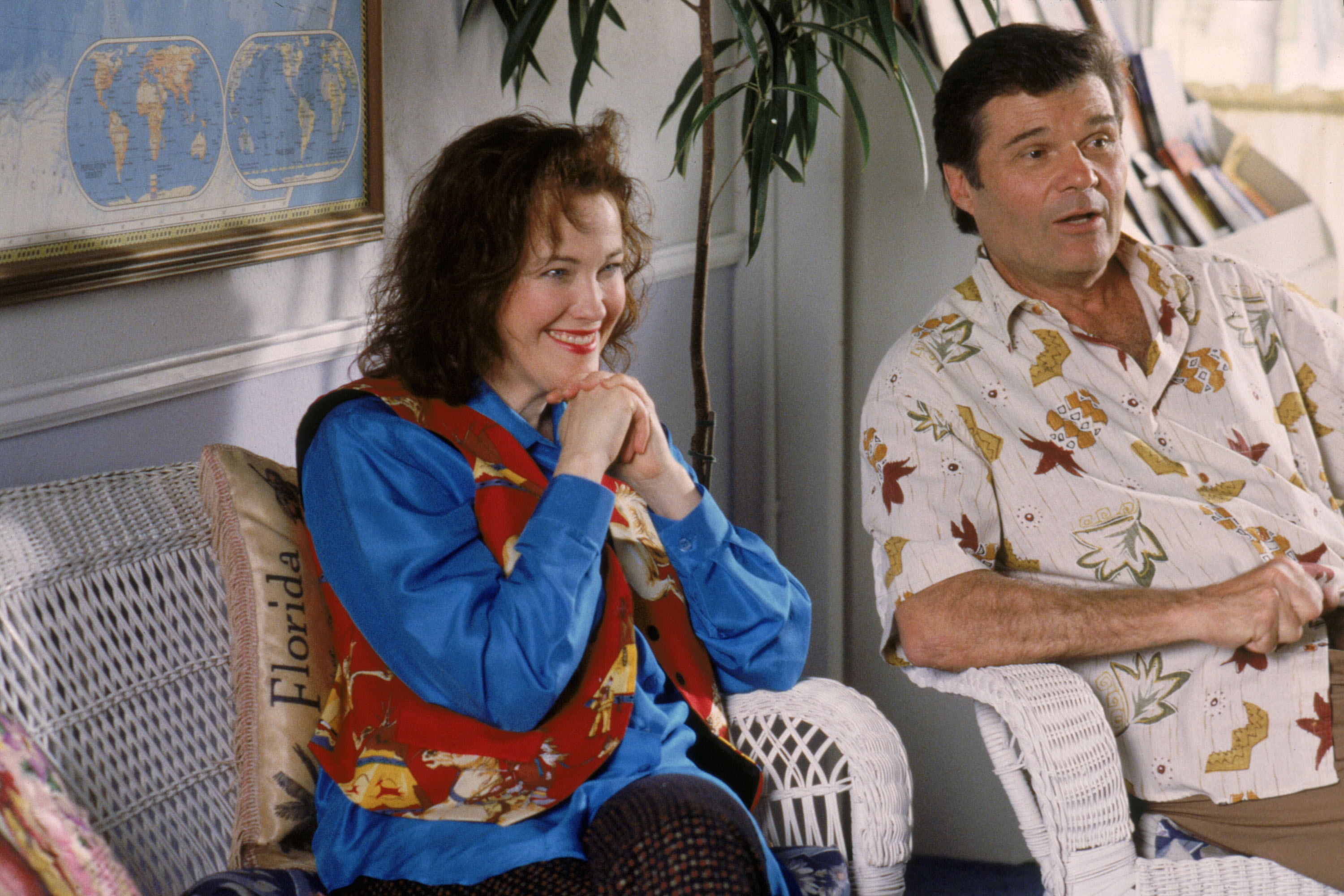
Ann Blyth (Mildred Pierce, 1945)
At the time of her June death at the age of 98, Ann Blyth was the earliest surviving Oscar nominee for acting. Her iconic performance as Joan Crawford’s vicious daughter Veda in Mildred Pierce (1945) stands in sharp contrast to most of her other screen roles and her off-stage persona as a dedicated wife and mother, staunch Catholic and generous humanitarian. She started her career singing on the radio at the age of five and studied classical voice before breaking into acting as one of Paul Lukas’s children in the Broadway production of Lillian Hellman’s “Watch on the Rhine.” Touring in the play brought her to Los Angeles, where she earned a contract with Universal Studios, making her film debut in the musical Chip off the Old Block (1944). Frequently teamed with other young players like Donald O’Connor and Peggy Ryan, Blyth continued as the studio’s latest singing ingenue.
Then, she went far against type when she beat out more established young actresses like Shirley Temple, Bonita Granville and Virginia Weidler to co-star in Mildred Pierce. At the age of 16, she played one of the most wicked characters in film history, a snob who would do anything to get back at her mother just for being working class. The role earned her an Oscar nomination, but it was an anomaly in her career. She only had a few more chances to demonstrate her dramatic prowess — as the young Regina Hubbard in Another Part of the Forest (1948), as an accused murderer in Thunder on the Hill (1951) and as the legendary torch singer in The Helen Morgan Story (1957), which was her last feature. Most of her other films kept her in ingenue roles. When she moved from Universal to MGM, the studio was mainly interested in her for musicals like The Student Prince (1954) and Kismet (1955). By that point, however, she was more interested in married life and raising her five children. She continued working in television, most notably as a spokesperson for Hostess cupcakes, until 1985, when she retired to devote herself to her family and charity work.
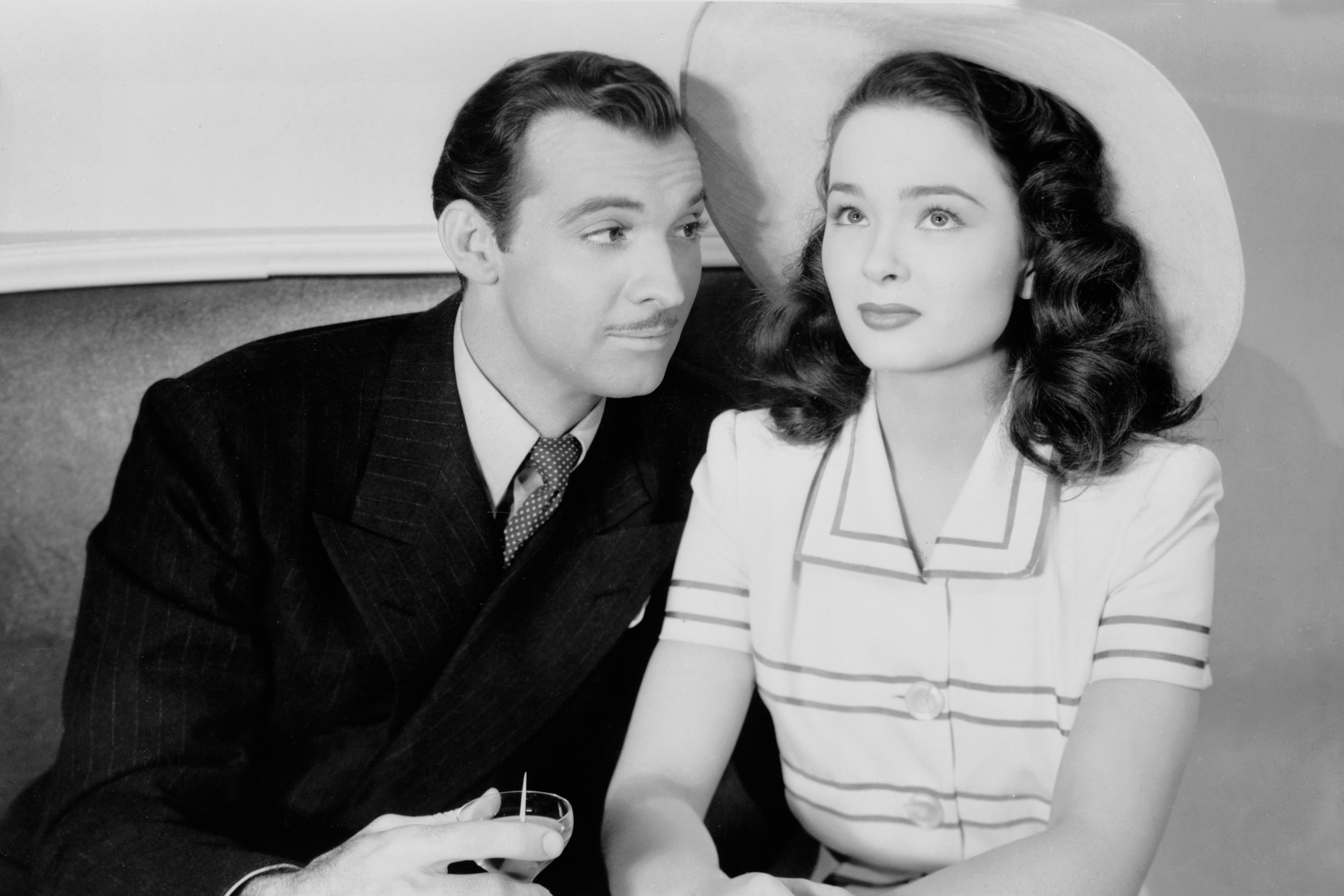
Shelley Fabares (Girl Happy, 1965)
She was every woman. At various points in her career, Shelley Fabares was anyone’s dream daughter, big sister, girlfriend or wife. She was that rarity, a child actor who never went through an awkward phase or suffered the problems often reported by professional children. Loved and respected for both her professionalism and her charity work, she devoted herself to causes like Alzheimer’s awareness, organ donation and social justice while maintaining a long, happy marriage to fellow actor Mike Farrell. And, as the cherry on the sundae, she was Elvis Presley’s most frequent leading lady.
As the niece of stage, screen and television star Nanette Fabray, Fabares learned the ins and outs of show business at an early age. She made her acting debut at the age of three and started appearing on television at 10. After a series of guest spots, she landed a six-year gig as the teenaged daughter on “The Donna Reed Show.” The role of Mary Stone made her a teen idol, while working closely with the show’s star taught her valuable lessons about public service and women’s power. During the show’s run, she also began a recording career, scoring her biggest hit with “Johnny Angel.” When the series ended, she moved into leading roles in teen films like Ride the Wild Surf (1964) and then joined Elvis Presley for Girl Happy (1965), their first of three films together. For their first outing, she’s the daughter of a club owner who hires Presley and his band to chaperone her during spring break in Fort Lauderdale. They would follow it with Spinout (1966), in which “Donna Reed Show” co-star Carl Betz once again plays her father, and Clambake (1967). By the 1970s, she was mainly focused on TV work, including regular spots on “The Brian Keith Show,” “The Practice,” “Forever Fernwood,” “One Day at a Time” and “Coach,” on which she spent eight years as star Craig T. Nelson’s girlfriend and eventual wife. After a liver transplant in 2000, she cut back on acting to focus on family life and charity work.
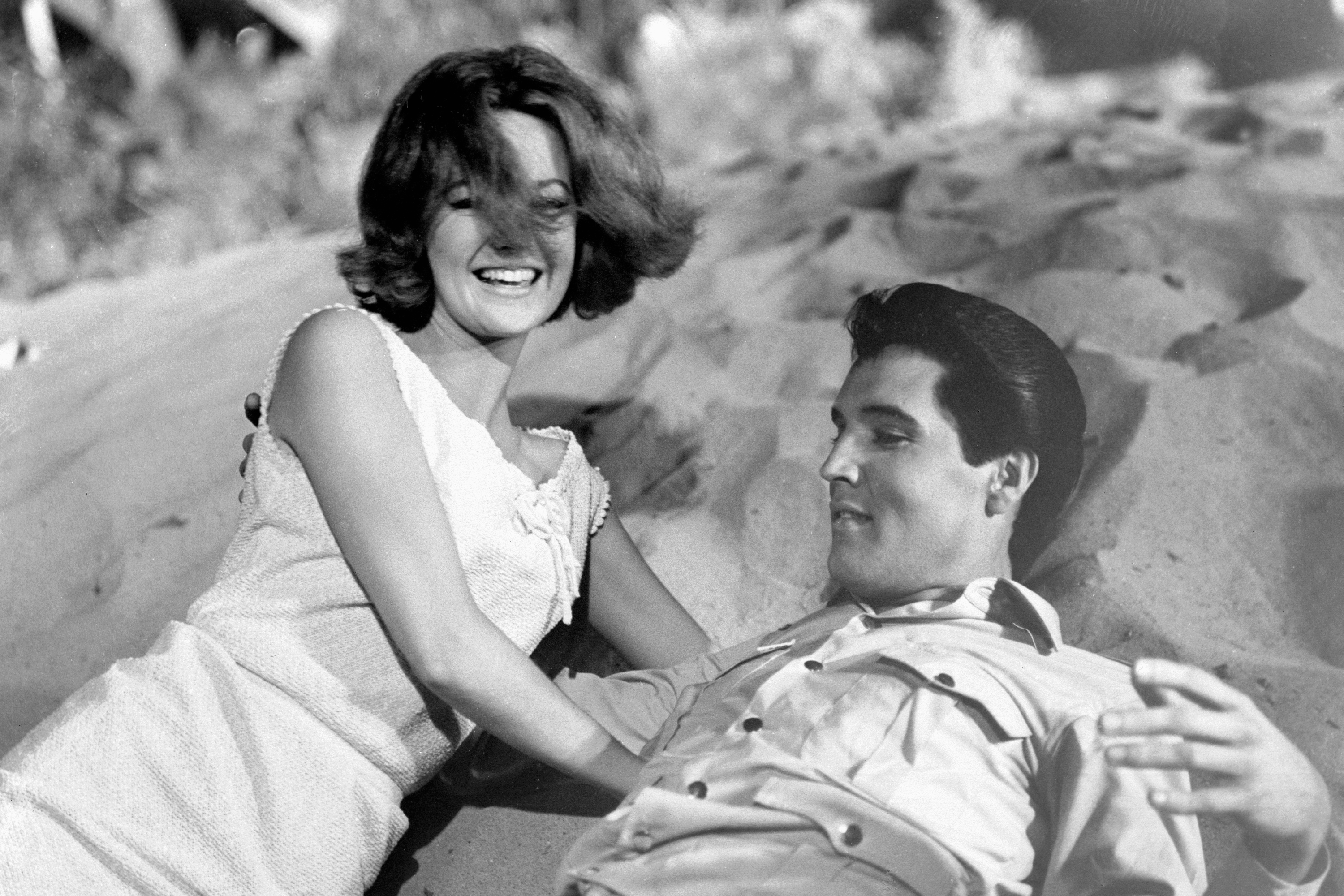
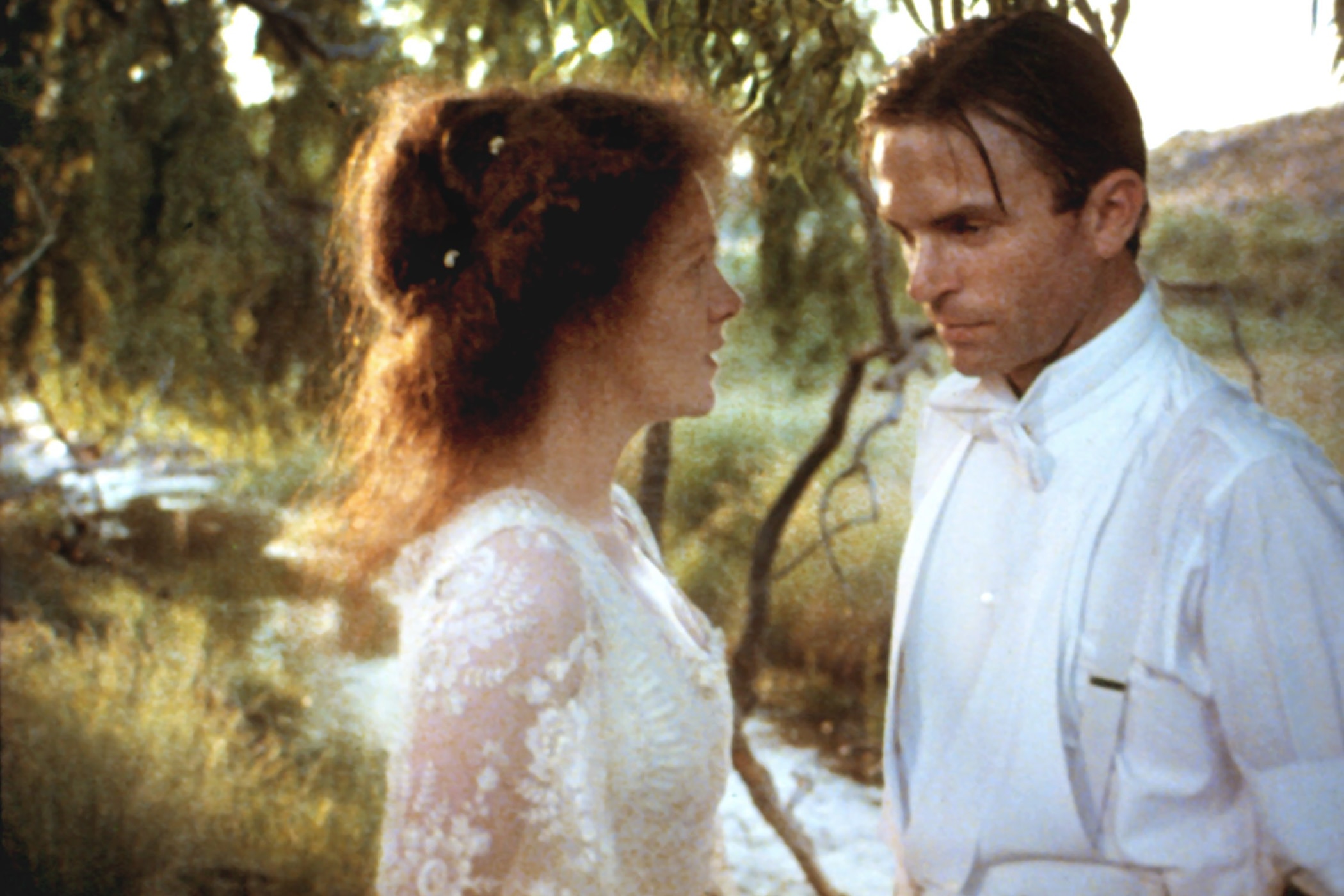
Sam Neill (My Brilliant Career, 1979)
When asked who should play him in a film of his life, Sam Neill said, “Tilda Swinton.” That’s the mark of an actor who, although dedicated to his art, never took himself too seriously. He dismissed himself as “Mr. Triviality, as shallow as my washbasin. No deep glacial lakes of profundity here.” Yet, he also turned in a string of intelligent performances that brought him international acclaim and was quite proud of what he considered his best work. That list would include My Brilliant Career (1979). His role as a wealthy landowner courting the fiercely independent Judy Davis, brought him from New Zealand, where his parents had moved him at the age of seven, to Australia and, by his estimation, turned him from an amateur into a true actor.
Neill first acted in college before moving into professional theater in the early 1970s. He had an art-house success in the New Zealand film Sleeping Dogs (1977), though he considered his performance so bad he’d never do another lead. With the international success of My Brilliant Career, however, he was soon in demand for roles like the real-life secret agent in the mini-series “Reilly: Ace of Spies” and the World War II operative who briefly romances Meryl Streep in Plenty (1985). His cinematic stock rose with the success of Dead Calm (1989), an Australian thriller that paired him with the then-relatively unknown Nicole Kidman, and the spy thriller The Hunt for Red October (1990). His next breakthrough came in 1993, when he starred opposite Oscar-winner Holly Hunter in The Piano, and then took on his most famous character, paleontologist Dr. Alan Grant in Jurassic Park. He would return to the role for Jurassic Park III (2001) and Jurassic World: Dominion (2022). Other memorable roles included Isabelle Adjani’s husband in the cult horror film Possession (1981), Streep’s husband in A Cry in the Dark (1988) and King Charles II, a role he particularly relished, in Restoration (1995). He even entered the Marvel Cinematic Universe with twin cameos as an Asgardian actor in Thor: Ragnarok (2017) and Thor: Love and Thunder (2022). By that point, he had moved effortlessly into character roles, like Cardinal Wolsey in the cable series “The Tudors” and the sadistic police inspector in “Peaky Blinders.” Neill operated a vineyard back in New Zealand. During the Covid lockdown, he entertained fans with videos in which he profiled his farm animals and played popular songs on the ukulele. At the time of his passing in July, he had completed three films — Godzilla x Kong: Supernova, The Legend of Zelda and The Last Resort — slated for release in 2027.