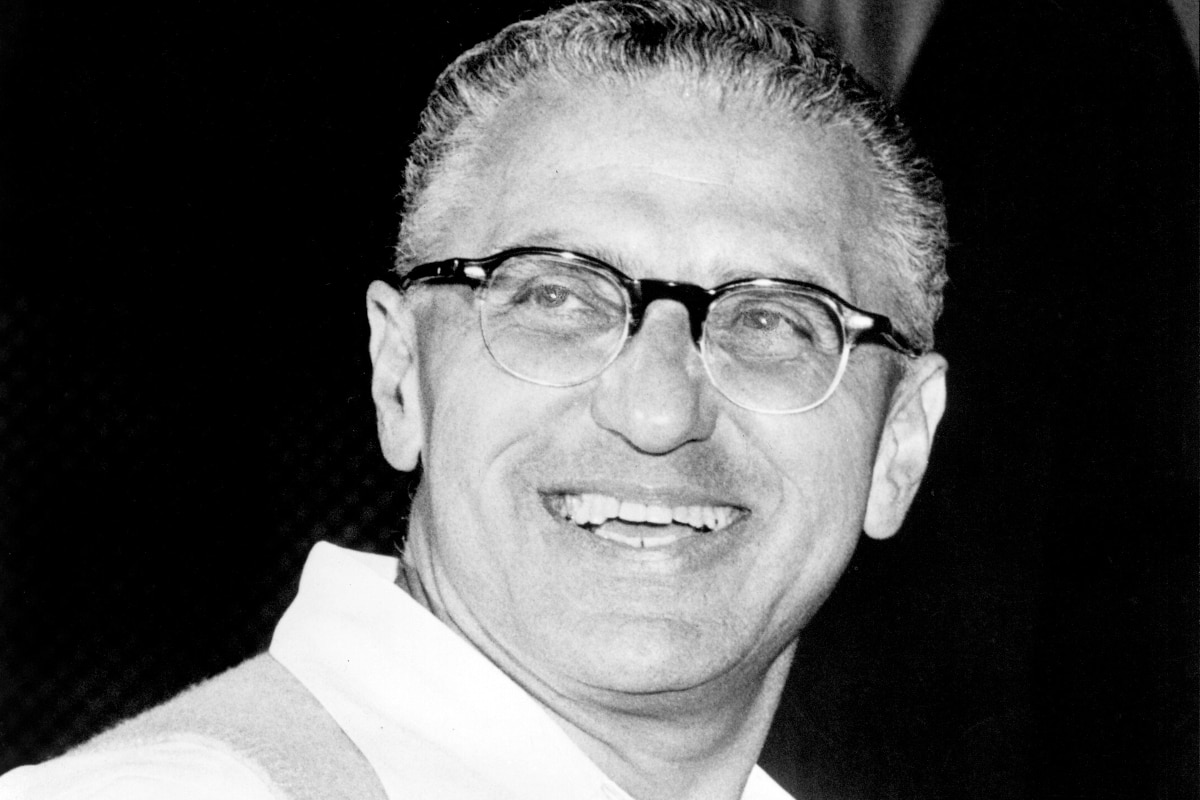
One of Hollywood's brightest talents, George Cukor, has often been dismissed as a "woman's director." Accurate or not, he was responsible for some of the greatest treasures of Hollywood's Golden Era. The plump, bespectacled Cukor was born and raised in New York City. Stage-struck from childhood, he haunted Broadway and got his first professional work as assistant stage manager in a Chicago company of "The Better 'Ole" in 1919. From 1920 to 1927, he directed for his own stock company in Rochester, NY, then relocated to manage the Empire Theater on 42nd Street. It was there he worked with such stage divas as Ethel Barrymore, Jeanne Eagels and Laurette Taylor.
The movies came calling in 1929, and Cukor joined Paramount (as dialogue director on the early talkie River of Romance). He worked on All Quiet on the Western Front (1930) before debuting as a director on Grumpy (1930, sharing credit with Cyril Gardner). From there on, there was no holding Cukor back.
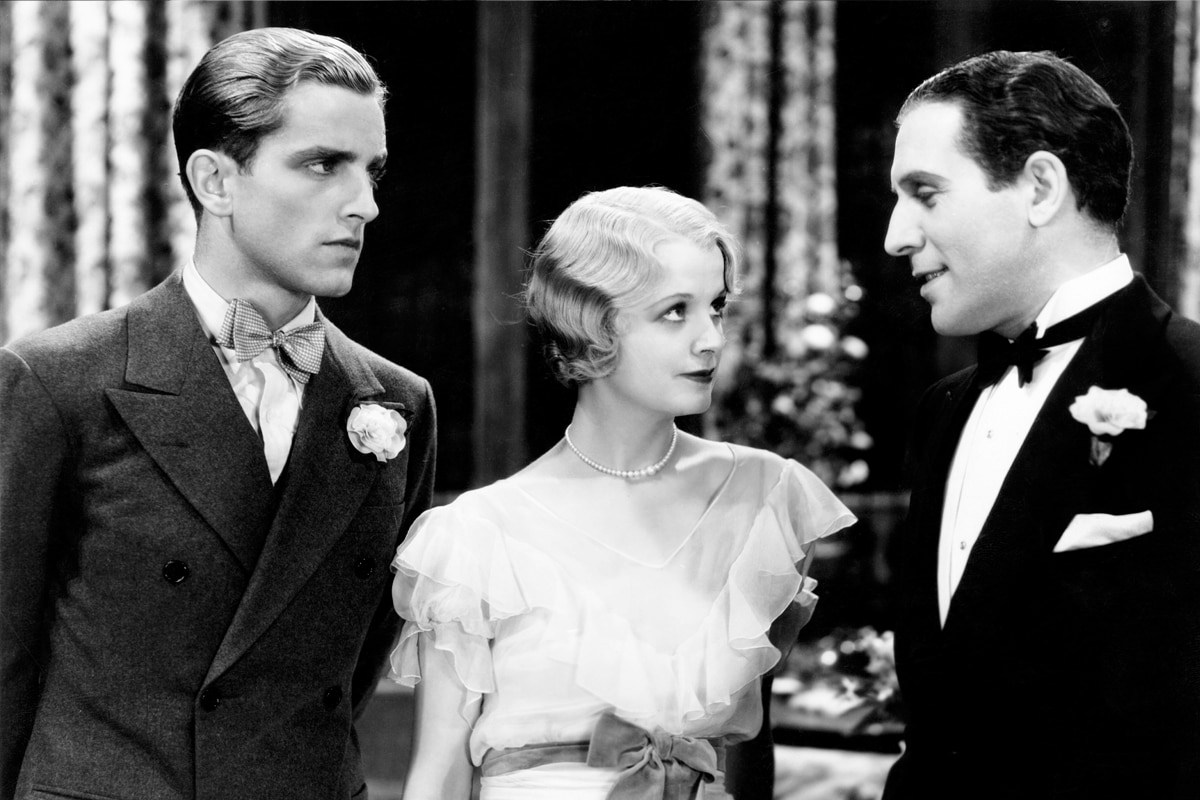
Cukor made a handful of films (including Tallulah Bankhead's 1931 film Tarnished Lady, his first solo flight) before decamping to RKO over a disagreement with Ernst Lubitsch about One Hour with You (1932). His career really took off at RKO from 1932 to 1935. What Price Hollywood? (1932) was a brilliant precursor to A Star is Born, a dark yet sparkling indictment of the star-making machinery. He fought to cast Katharine Hepburn in her screen debut, A Bill of Divorcement (1932), and went on to make another eight films (and two TV-movies) with her, including Little Women (1933), a sweet cameo of a film, and the financial flop (but subsequent cult favorite) Sylvia Scarlett (1936). He was loaned to MGM in 1933, where he marshaled such stars as Jean Harlow, Marie Dressler, John and Lionel Barrymore and Wallace Beery in the delightful Dinner at Eight (1933)–filmed in an amazing 28 days.
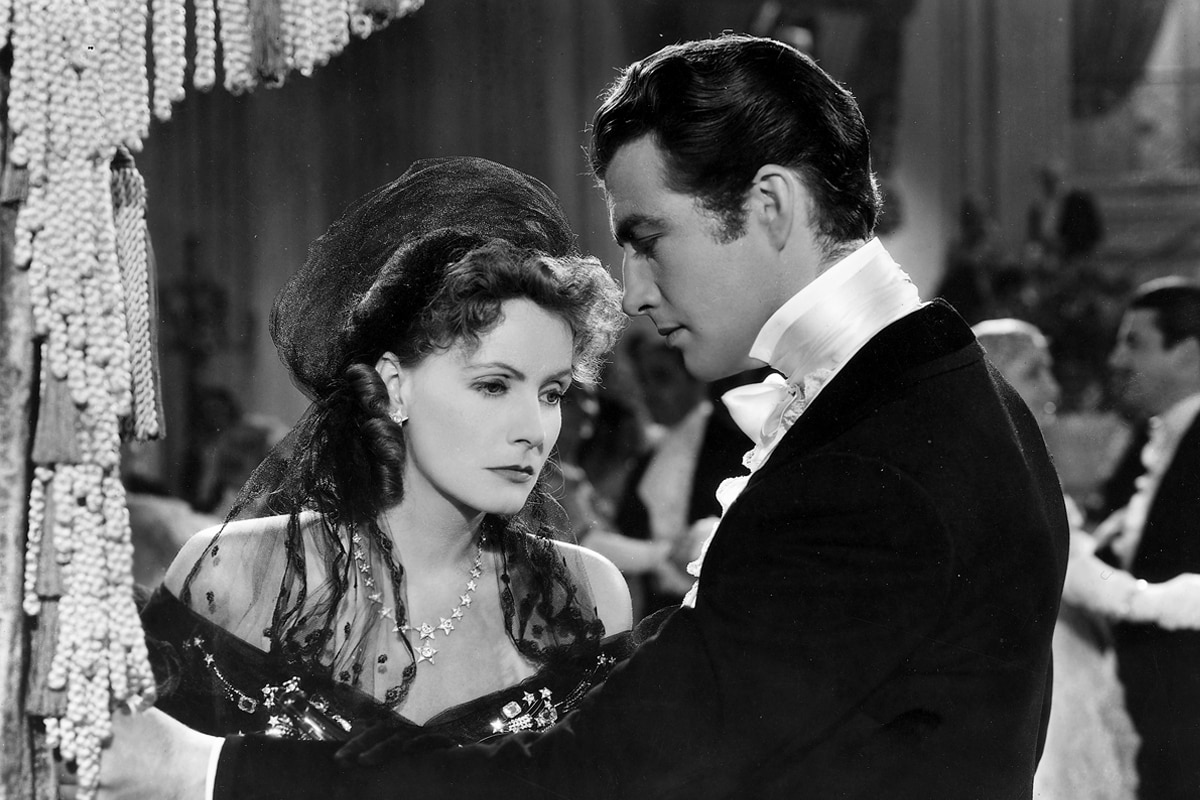
Despite a loan-out to Columbia for a sterling adaptation of Philip Barry's Holiday (1938, with Hepburn and Cary Grant), Cukor finally settled down at MGM for the bulk of his career. His 1930s hits there included David Copperfield (1935), a lush version of Romeo and Juliet (1936), Garbo's transcendent Camille (1937) and the brittle all-star comedy The Women (1939). That same year, he was fired from Gone with the Wind and replaced by Victor Fleming–a move that caused much speculation and gossip (such as Clark Gable's demanding another director because of Cukor's homosexuality).
In 1942, Cukor enlisted–at the age of 43–in the Army Signal Corps, where he directed training and propaganda films. He was honorably discharged because of his age the following year. Cukor made only a dozen theatrical films in the 1940s, but several were among his most fondly remembered and featured tour-de-force roles for top actresses. He directed Hepburn's comeback vehicle, The Philadelphia Story (1940); one of Joan Crawford's better performances, A Woman's Face (1941); Ingrid Bergman's Oscar-winning turn in Gaslight (1944); and the Tracy-Hepburn comedy Adam's Rib (1949), which provided a wonderful part for neophyte Judy Holliday. But even the best of directors has his flops; Cukor's included Garbo's career-killing comedy Two-Faced Woman (1941) and Norma Shearer's Her Cardboard Lover (1942).
Despite his few ventures into film noir, Cukor was best known for a light-hearted mixture of sophistication and bandbox Hollywood corn at its best. Even his darkest works (What Price Hollywood?, Gaslight) have a glamorous sheen. His amazing ability to coax performances from divas (male and female) made him both a valuable team player and the savior of more than one film career. He also brought a theatrical sensibility to films, never interrupting the flow of dialogue with fast cuts or self-conscious film techniques.
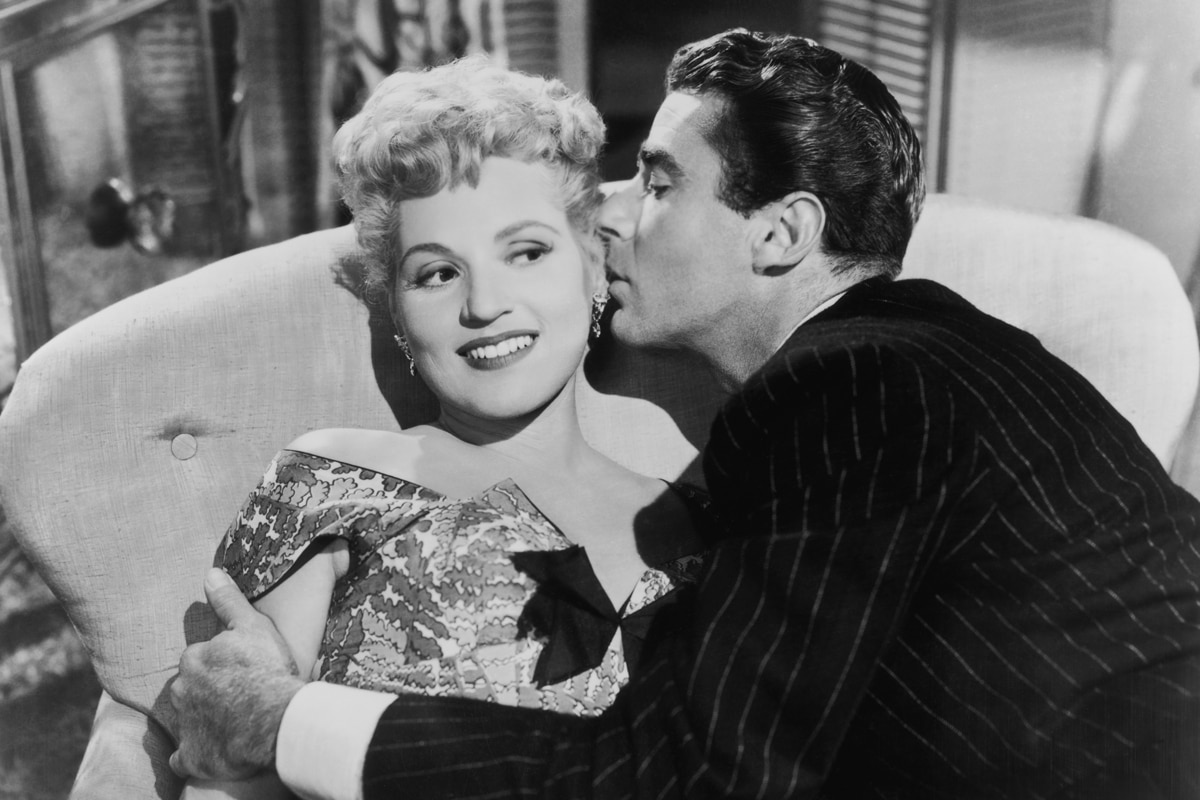
Cukor continued working until 1981; his last film was Rich and Famous, a remake of Old Acquaintance (1943), starring Candice Bergen and Jacqueline Bisset. Among his latter-day hits were three Judy Holliday vehicles, her Oscar-winning performance in Born Yesterday (1950), The Marrying Kind (1952) and the delightful It Should Happen to You (1954); the Tracy-Hepburn comedy Pat and Mike (1952); Judy Garland's comeback, A Star is Born (1954, his first color film and a musical remake of his 1932 What Price Hollywood?); and Audrey Hepburn's immensely popular My Fair Lady (1964), which won Cukor his only Best Director Oscar. He continued mixing hits with misses, including Marilyn Monroe's unsuccessful Let's Make Love (1960) and the expensive Russian-American flop The Blue Bird (1976). He was also directing Monroe in Something's Got to Give (1962) at the time of her death.
Cukor made many-heralded ventures into TV with Love Among the Ruins (1975), for which he won an Emmy, and The Corn is Green (1979), both starring his old friend Katharine Hepburn. The highly sociable director, discreet but long known as gay to his Hollywood peers, lived in a huge art deco mansion for most of his career, and was famed in the film community for his sparkling gourmet dinner parties and weekend salons.