Robert Siodmak is arguably the most important and certainly the most prolific director of the crime movie genre we know as film noir. The Jewish-German émigré landed in Hollywood in 1940 after fleeing the Nazis and, despite a successful career directing movies in Germany and France, began all over again at the bottom, working his way up from B-movies to a studio contract with Universal Pictures.
Beginning with Phantom Lady (1944), he brought shadowy atmosphere, psychological complexity and suspenseful direction to an unprecedented run of superb crime dramas and mysteries, including The Killers (1946), Criss Cross (1949) and The Film on Thelma Jordan (1950), starring some of Hollywood's most famous (and noir's most iconic) performers.
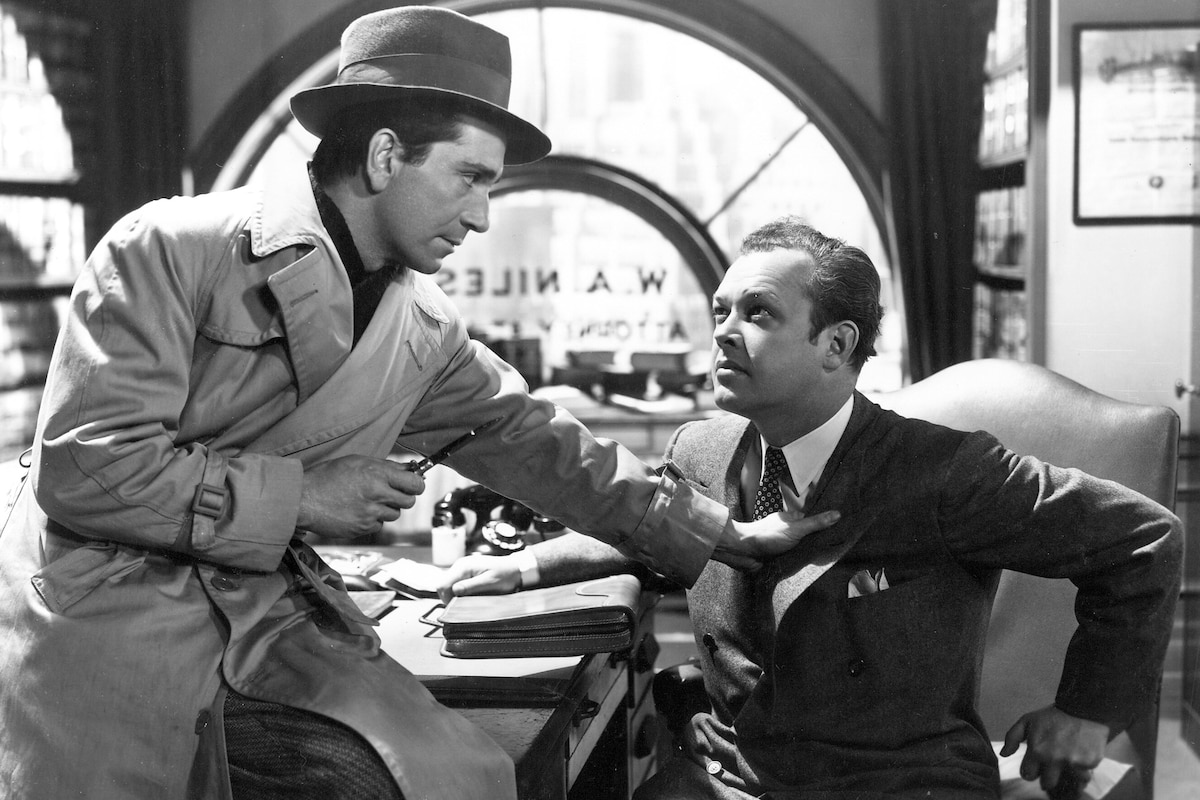
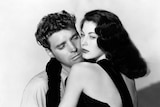
Cry of the City (1948), starring Victor Mature as Lt. Candella, an Italian-American police detective in pursuit of small-time gangster and cop killer Martin Rome (Richard Conte), was made for 20th Century Fox. The studio had found success in a series of crime thrillers that were based on true stories and shot on location to get a sense a realism, films like Boomerang (1947) and Call Northside 777 (1948). Studio head Darryl F. Zanuck developed this new project, based on the novel The Chair for Martin Rome by Henry Edward Helseth, as another film in the same manner.
With a script penned by screenwriting legends Ben Hecht and Charles Lederer, the project was retitled The Law and Martin Rome and set for a shoot in San Francisco with Lon McAllister in the role of the criminal Martin. Before the cameras rolled, the location was moved to New York City, the script was rewritten by Richard Murphy and Richard Conte and Victor Mature were signed for the lead roles, albeit not the same ones they eventually played. Conte was initially cast as the cop and Mature the criminal, but they swapped roles when Mature decided that, coming off Kiss of Death (1947), it would be a better career move not to play yet another criminal. All the pieces were in place, including plans to shoot key scenes on location in New York City, when Siodmak was brought aboard.
According to film noir historian and Noir Alley host Eddie Muller, Siodmak didn't like taking the cameras on location. He preferred the control of the film studio, but nonetheless he used the New York City locations beautifully. The urban atmosphere of city traffic and the scuffed and worn authenticity of real storefronts and sidewalks gives the film a charge of realism. But only some of the exteriors were shot in New York, mostly establishing shots essential to identifying the city. Los Angeles doubled for the Big Apple in many street scenes, notably dramatic nighttime sequences where Siodmak applied his expressionist style of heightened shadows and pools of light on rain-slicked streets. And one of the film's most visually dense urban street scenes is created on a studio soundstage strewn with neon and set against a forced perspective city skyline.
As Martin's innocent young girlfriend, Debra Paget made her film debut at the age of 15 (studio publicity fudged her age in the press releases, making her 18). Shelley Winters has as small but splashy role as a loyal and not too bright showgirl who helps Martin hide out. Fred Clark, fresh off playing a crooked businessman in Ride the Pink Horse (1947), switches gears to play Mature's exasperated partner, bringing a little understated humor to the film. And though it is not her first time in front of a camera, Siodmak essentially introduced Hope Emerson to movie audiences as the menacing Mama Rose. Siodmak gave the former nightclub singer a dramatic, dynamic entrance in the film and guided her through a memorable performance that gave her a whole new career as a character actress in the second act of her life. She stayed busy on the big screen, where she earned an Oscar nomination for the prison drama Caged (1950), and on TV, where she created the role of Mother on the stylish small screen noir Peter Gunn, before passing away in 1960.
The film was in pre-production under the title The Law and Martin Rome when Baltimore, Maryland attorney Morton E. Rome contacted the studio. He objected to seeing his own name plastered over posters and marquees. "It is my opinion that the showing of such a picture...would damage my own personal career and hold me up to ridicule," he wrote in his letter, and made clear his intentions to "engage in litigation over this matter" unless they changed the title. The studio, already under pressure from theater owners unhappy with the title, renamed the film Cry of the City.
If you think you recognize the film's signature theme, chances are you have. The score is by the celebrated composer Alfred Newman, the longtime music director at 20th Century Fox, and he uses his iconic "Street Scene" theme, a Gershwin-esque composition that he composed for the 1931 drama Street Scene. He reprised the theme in numerous films, from the film noir classics I Wake Up Screaming (1941) and Kiss of Death (1947), both coincidentally starring Mature, to the Oscar-winning drama Gentleman's Agreement (1947) and splashy Technicolor romantic comedy How to Marry a Millionaire (1953). Though it has been used in all genres, it has become an unofficial anthem of film noir thanks to its frequent appearance in Fox's urban crime dramas.
Director: Robert Siodmak
Producers: Darryl F. Zanuck, Sol C. Siegel
Screenplay: Richard Murphy, based on a novel by Henry Edward Helseth
Cinematography: Lloyd Ahern
Editing: Harmon Jones
Art Direction: Albert Hogsett, Lyle Wheeler
Music: Alfred Newman
Cast: Victor Mature (Lt. Candella), Richard Conte (Martin Rome), Fred Clark (Lt. Collins), Shelley Winters (Brenda Martingale), Debra Paget (Teena Riconti)
Sources:
Audio commentary by Eddie Muller on the Cry of the City Blu-ray release, Kino Lorber, 2016
"Robert Siodmak," Michael Walker, The Book of Film Noir (Continuum, 1992)
AFI Catalog of Feature Films
IMDb
Noir
Cry of the City (1948)
by Sean Axmaker | April 02, 2020
More of Noir
SIGN UP FOR OUR NEWSLETTERS

CONNECT WITH TCM