The Black Stallion in its various forms has had a major impact on international culture and the world of children's literature and film. The first novel of the Walter Farley series won the 1944 Young Reader's Choice Award and became a favorite of young horse lovers everywhere. In 1949, the first Black Stallion Club was founded, in Kentucky. The 21 Black Stallion and Island Stallion stories are still in print and selling steadily. During Farley's lifetime, readers sent him thousand of letters (and later emails) every year. His books have been published abroad in more than 20 countries including Austria, Czechoslovakia, Denmark, England, Israel, Finland, France, Germany, Holland, Iceland, India, Indonesia, Italy, Japan, Malaya, Norway, Russia, Saudi Arabia, Sweden and Switzerland, as well as the U.S. and Canada. Farley died in October 1989, shortly before the publication of the 21st book in the Stallion series, which is continued by his son Steve. Farley's local library in Venice, Florida, maintains a permanent exhibit of Black Stallion memorabilia.
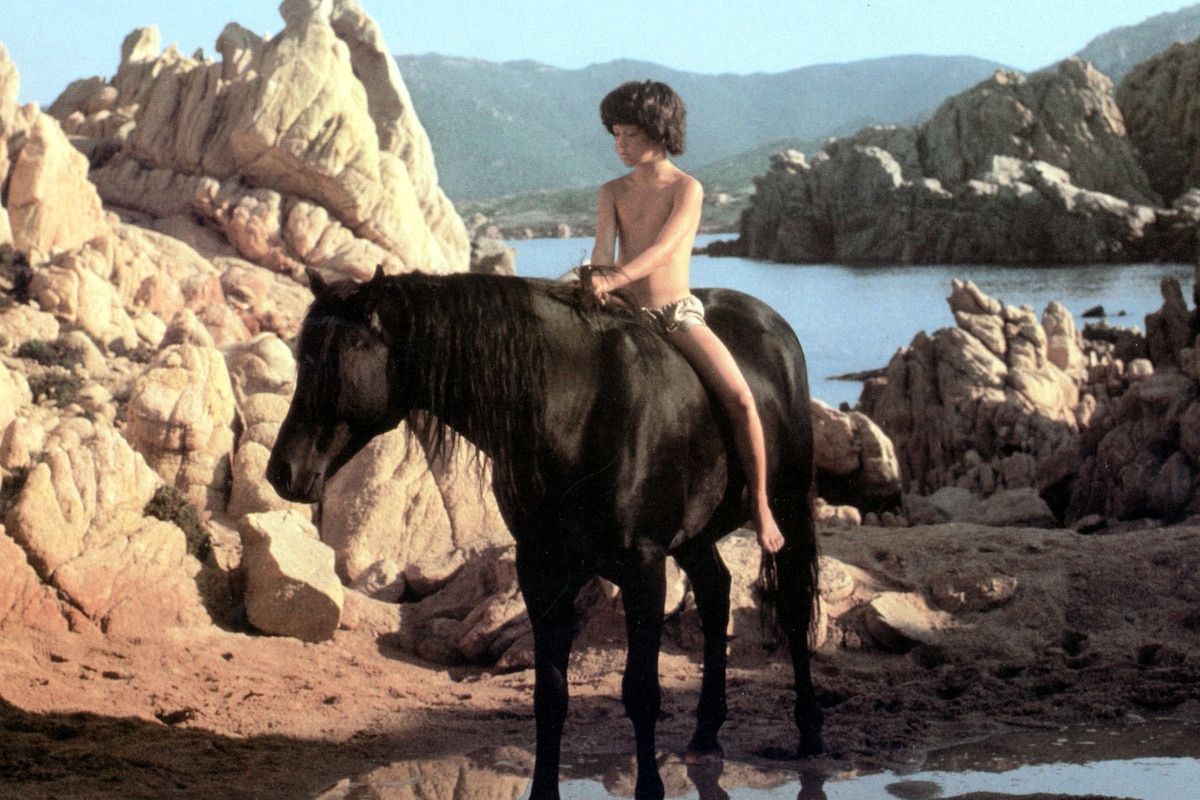
The original Black Stallion film also has a devoted worldwide following. It was followed by a sequel, The Black Stallion Returns (1983), also starring Reno, and a TV series called Adventures of the Black Stallion (1990-1993), starring Mickey Rooney and Richard Ian Cox. In 2003 a prequel, The Young Black Stallion, was released in the IMAX format. The tone and style of the original movie has had an influence on many subsequent children's films with a fanciful or mystical quality. In preparing to direct Where the Wild Things Are (2009), on the recommendation of author Maurice Sendak, director Spike Jonze studied The Black Stallion. Jonze said of director Carroll Ballard: "He's a rare filmmaker with such a delicate touch. He's like Terrence Malick in a way, very patient and confident." In watching Ballard's movie, Jonze said he was "astounded by the beauty of the relationship" between boy and horse. "The first 45 minutes, with almost no dialogue, is always what gets me. It captures the point of view of a boy observing the world."
By Roger Fristoe
Pop Culture 101-The Black Stallion
by Roger Fristoe | March 05, 2014
SIGN UP FOR OUR NEWSLETTERS

CONNECT WITH TCM