SYNOPSIS
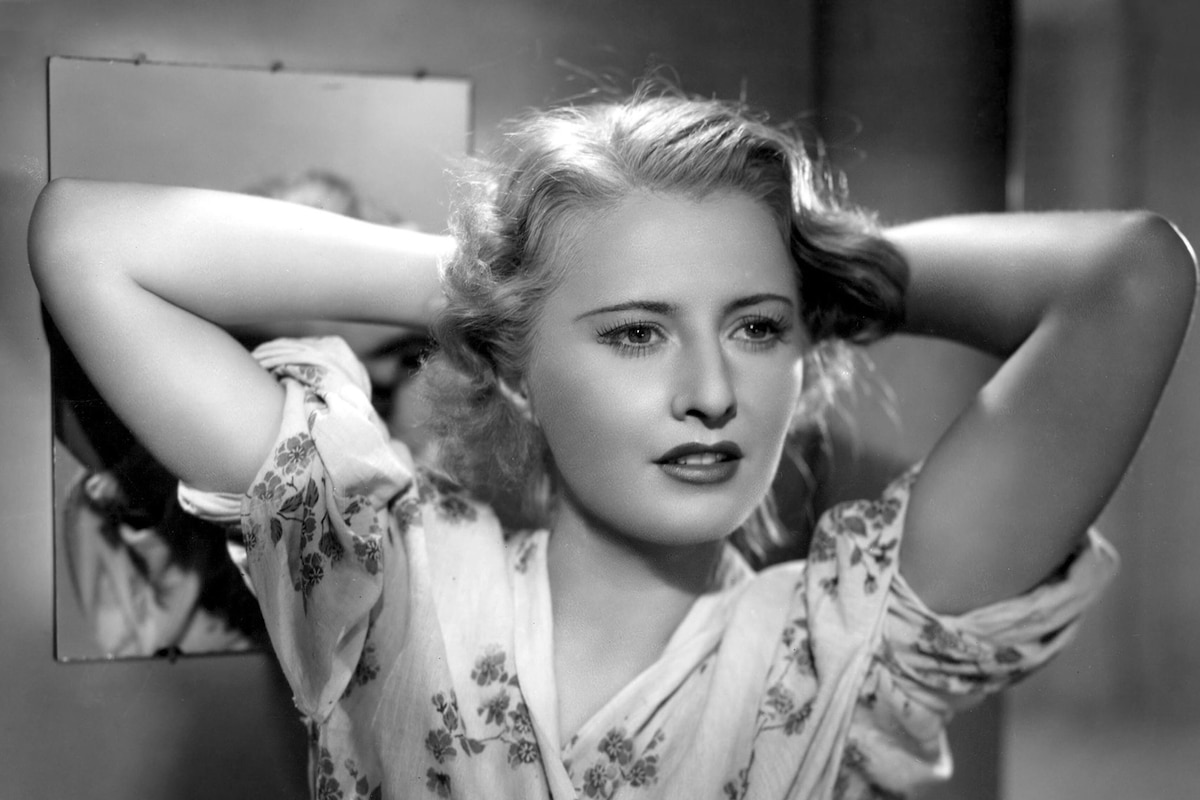
Stella Martin (Barbara Stanwyck), the daughter of a mill worker in a factory town in 1919 Massachusetts, makes a play for and eventually marries wealthy and socially prominent mill executive Stephen Dallas (John Boles). By nature a raucous, sometimes vulgar "party girl," Stella manages to subdue her personality at first but soon, to Stephen's dismay, reverts to her old ways. After the birth of a daughter, Laurel (Anne Shirley), the couple splits and Stella takes up with her old beau, the low-class gambler Ed Munn (Alan Hale). She eventually realizes that, in order for her daughter to claim a place in society, she will have to step out of her life.
Director: King Vidor
Producers: Samuel Goldwyn, Merritt Hulburd
Screenplay: Sarah Y. Mason, Victor Heerman, from the novel by Olive Higgins Prouty
Cinematography: Rudolph Maté
Editing: Sherman Todd
Art Direction: Richard Day
Original Music: Alfred Newman
Costume Design: Omar Kiam
Cast: Barbara Stanwyck (Stella Dallas), John Boles (Stephen Dallas), Anne Shirley (Laurel Dallas), Barbara O'Neil (Helen Morrison), Alan Hale (Ed Munn), Marjorie Main (Mrs. Martin), George Walcott (Charlie Martin), Ann Shoemaker (Margaret Phillibrown), Tim Holt (Richard Grosvenor)
Why STELLA DALLAS Is Essential
To understand the appeal of the so-called "woman's picture" of the 1930s and '40s, one needs look no farther than Stella Dallas, a prime example of how a first-class director, a star actress of extraordinary skills and a fine collection of technical craftsmen can elevate a sentimental story into cinematic art.
Her heart-wrenching performance as Stella elevated Barbara Stanwyck to a new level of stardom, bringing her increased stature in the film industry and the first of four Academy Award nominations as Best Actress. After 10 years and some 30 roles in movies, Stanwyck had delivered many strong performances and gained a following because of her versatility and down-to-earth acting style. But something in Stella Dallas crystallized her onscreen persona, combining what an early director had called her "rough poignancy" with flashes of earthy humor, a touch of tragedy and an exuberant energy that keeps Stella's story from becoming mere, cloying soap-opera.
In the famous ending, as Stella watches her daughter's high-society wedding through a window then strides away into the rain, she allows herself a moment of exaltation in her conviction that she has done the right thing. It's a superb bit of screen acting, capping an intense and moving performance. Many Stanwyck partisans still feel that she was more deserving of the Oscar® than the eventual winner that year, Luise Rainer for The Good Earth.
Stanwyck herself considered the self-sacrificing Stella to be her favorite part, a "once-in-a-lifetime role." She wrote that it "was a double challenge because the role had to be played on two levels, almost making Stella two separate women. On the surface she had to appear loud and flamboyant -- with a touch of vulgarity. Yet, while showing her in all her commonness, she had to be portrayed in a way that audiences would realize that beneath the surface her instincts were fine, heartwarming and noble. Part of her tragedy was that while she recognized her own shortcomings, she was unable to live up to the standards she so painstakingly set for herself." As for the dangers of the story deteriorating into simple soap opera, Stanwyck observed that "one must distinguish between sentimentality and honest sentiment."
Director King Vidor, who had made some outstanding silent films including The Big Parade (1925) and The Crowd (1928) before moving into the sound era, retained his strong visual sense and showed his sympathetic way with actors, especially females. In Stella Dallas he also drew sensitive work from Shirley, a former child star who established her position as a young adult actress with her role here, earning an Oscar® nomination as Best Supporting Actress. Stanwyck biographer Dan Callahan considers that the exuberant character actor Alan Hale, playing Ed, "gives the performance of his life as this trashy galoot." Another performance of note comes from Barbara O'Neil as Stephen's cultured second wife, who takes Laurel into her home when Stella so gallantly steps aside. (Two years later O'Neil would play another genteel character, Scarlett O'Hara's mother in Gone With the Wind, 1939.)
But it is Stanwyck who owns this film. Although other actresses have offered various incarnations of Stella Dallas over the years, this is the version that stands as the movies' definitive soap opera, with an unforgettable performance from a peerless actress.
By Roger Fristoe
The Essentials-Stella Dallas
by Roger Fristoe | February 28, 2014
SIGN UP FOR OUR NEWSLETTERS

CONNECT WITH TCM