Behind the Camera on THE MERRY WIDOW
Shooting started in March 1934.
The Merry Widow was the only film teaming Maurice Chevalier and Jeanette MacDonald in which they never sang together. Aware that her classical style was poorly matched to his popular vocalizing, director Ernst Lubitsch even inserted a joke about the musical mismatch. At one point Chevalier seemed to be serenading MacDonald with a cultured baritone voice, only for Lubitsch to reveal the voice belonged to one of his orderlies.
Chevalier avoided any confrontations with MacDonald and Lubitsch throughout production. He did, however, blow up at his assistant, Robert Spencer. Spencer had relayed the director and co-star's invitation to Chevalier to help them plan the wrap party and provide gifts for the crew. The actor handed the assignment to Spencer, but when Spencer presented him with the bill for the gifts, which came to about $1,000, the notoriously stingy actor screamed at him. After thinking about it, and realizing that the cost of the gifts was not out of line with current Hollywood custom, Chevalier apologized.
Biographers have suggested that one reason for Chevalier's good mood on the set was his romantic involvement with one-time Paramount star Kay Frances. The actor had been married when they first met, but by 1934 he had divorced his wife. He and Frances were so serious that Newsweek announced they were getting married but they never did.
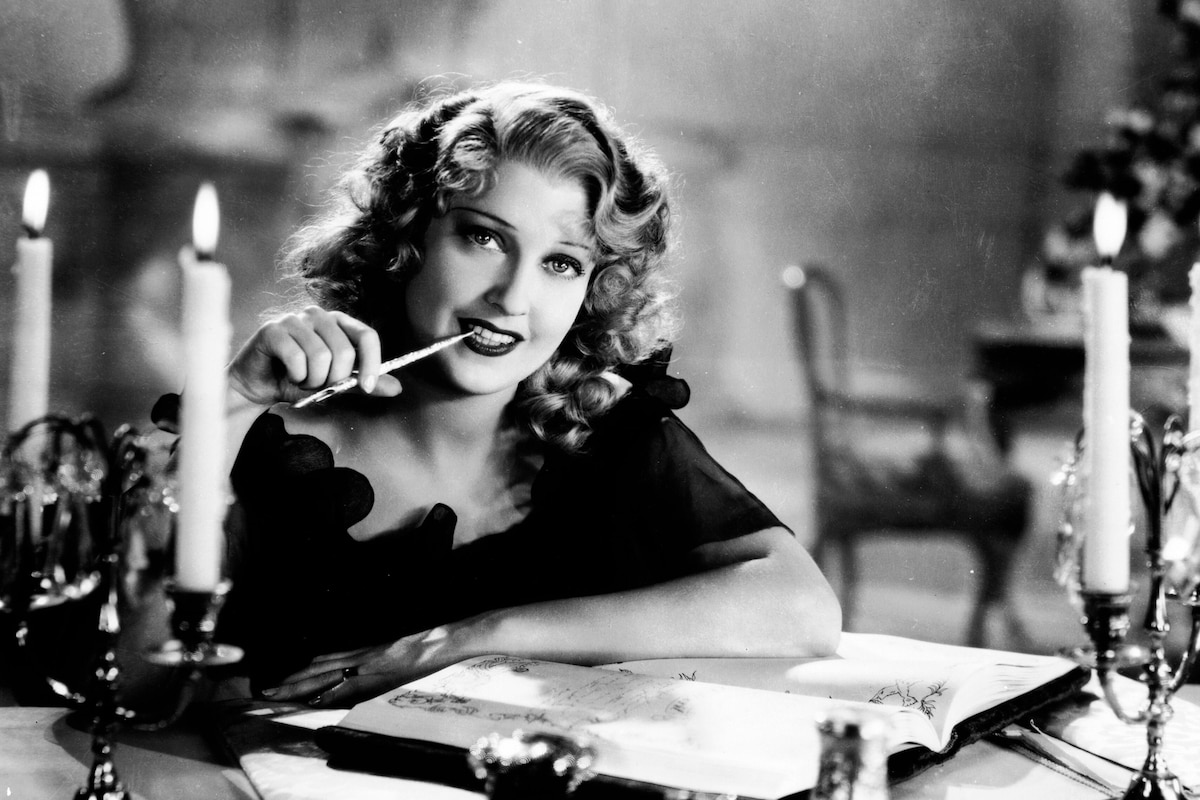
As he had done at Paramount, Lubitsch continued to play practical jokes on MacDonald. During one romantic musical number, he had left in her view on the set a Hollywood Reporter story announcing that MGM had imported English soprano Evelyn Laye as a threat to her. The star ran from the soundstage in tears.
Censors from the film industry's Production Code Administration objected to a scene at Maxim's in which Chevalier carries MacDonald to a couch, drops her there and then sits beside her. They only passed the scene when the stars managed to contort their bodies so she could keep both feet on the floor. That taken care of, PCA head Joseph Breen passed the film.
When the film premiered in New York City, Breen's boss, Will Hays, and Catholic publisher Martin Quigley, one of the Production Code's authors, were horrified at what they considered the introduction of filth into a harmless operetta. Breen had to come to New York, where he met with MGM executives and members of the Catholic church's Legion of Decency until 2 a.m. working out cuts to tone down Count Danilo's Casanova image and the suggestion that Maxim's was a glorified brothel. Since the film had already been sent to distributors, each distribution office had to cut the prints itself before they could be sent to theatres. Fortunately, the studio kept all the cut material and the film was restored as censorship restrictions relaxed.
With a $1.6 million budget, The Merry Widow was the most expensive musical of its day. It was also MGM's most expensive film since Ben-Hur (1925).
With the financial failure of The Merry Widow, Chevalier did not move on to better, more ambitious roles at MGM. The only parts Thalberg offered him were more Gallic charmers, first in an adaptation of The Chocolate Soldier, then in The Cardboard Lover. The former would have finally paired him with Grace Moore, who had moved to Columbia Pictures and scored a hit in One Night of Love (1934), but Chevalier wanted to return to France. When Thalberg informed him that in order to borrow Moore from Columbia he had had to promise her top billing, a clear violation of Chevalier's contract, the French star claimed breach of contract and left. After only one more film in the U.S. (Folies-Bergere, 1936), he returned to France until after World War II.
Behind the Camera: The Merry Widow (1934)
by Frank Miller | February 18, 2005
SIGN UP FOR OUR NEWSLETTERS

CONNECT WITH TCM