Pop Culture 101 - IT SHOULD HAPPEN TO YOU
In the film, the fictional Gladys Glover shares a chat show with panelists Constance Bennett, Ilka Chase, Wendy Barrie, and host Melville Cooper. These actors all play themselves in the film, and all of them had enjoyed long screen careers by the time this movie was made in 1954. Constance Bennett had been in films since 1922 and had been a leading lady in the early 1930s. She had the starring roles in George Cukor's What Price Hollywood? (1932), and in the classic screwball comedy Topper (1937), opposite Cary Grant. Bennett had retired from the screen by 1954, and made only one more film - the 1966 remake of Madame X - after It Should Happen to You.
Ilka Chase was also a former actress, but hers were primarily supporting roles. Chase became more famous as a novelist, newspaper columnist and society figure. Likewise, Wendy Barrie acted in lesser films in the 1930s and early 1940s, but became well known in New York as a local radio and television personality. Such media exposure in the early 1950s would have made Chase and Barrie ideal choices to sit on a panel show.
Melville Cooper, one of the panelists in the film, was a British character actor who began his film career in the early thirties and added excellent comic support in such gems as Tovarich (1937), The Lady Eve (1941) and Father of the Bride (1950).
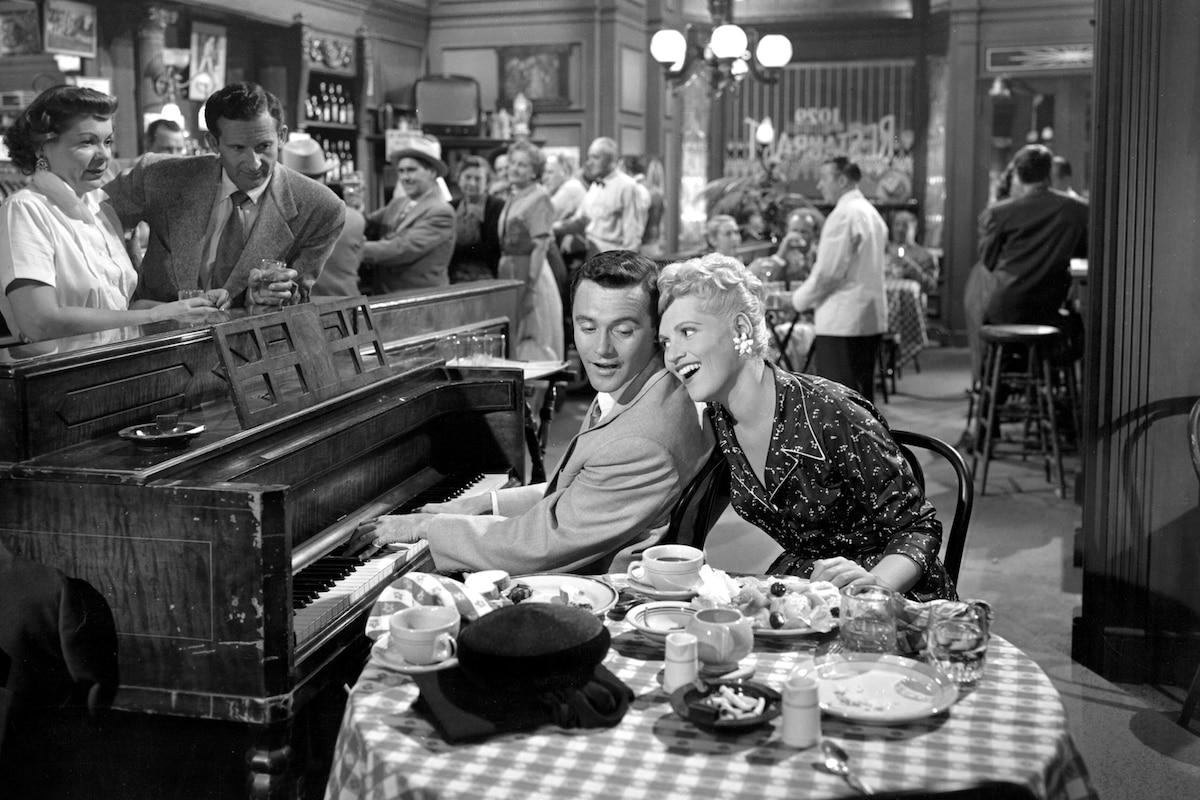
In 1954, the same year that It Should Happen to You was released, co-star Peter Lawford married Patricia Kennedy, daughter of Joseph P. Kennedy and sister of the future President. Of the extended Kennedy clan, Lawford was closest to his brother-in-law Robert.
Although Pete Sheppard is a documentary filmmaker in It Should Happen to You, we never really learn many details about his occupation. Sheppard films with hand-held 16mm cameras, which had been favored by documentary moviemakers since the end of WWII, when lightweight hand-held cameras were used by journalists and cinematographers on the battlefield. The 1950s saw an explosion of this mobile and fluid method of filming, which was raised to the level of an art form by such practitioners as Richard Leacock and D. A. Pennebaker. Their unobtrusive and spontaneous style of documentary filmmaking became known as Direct Cinema or cinema verite.
In 1994, a romantic comedy with a similar title to Cukor's film - It Could Happen to You - starred Nicholas Cage and Bridget Fonda in a narrative about two lottery winners who were thrust into a whirlwind of publicity. It was a situation that echoed some of the themes of Cukor's film - unknowns becoming overnight celebrities.
by John Miller
Pop Culture (7/9) - IT SHOULD HAPPEN TO YOU
by John Miller | February 18, 2005
SIGN UP FOR OUR NEWSLETTERS

CONNECT WITH TCM