The Big Idea Behind THE BIG SLEEP
The Big Sleep was the first novel to feature Raymond Chandler's most famous detective, Philip Marlowe. The book actually combined two earlier Chandler stories, "Killer in the Rain" and "The Curtain," both of which had appeared in the famous Black Mask mystery magazine. The world-weary private eye living by his own sense of honor won high praise from such authors as Somerset Maugham and J.B. Priestley.
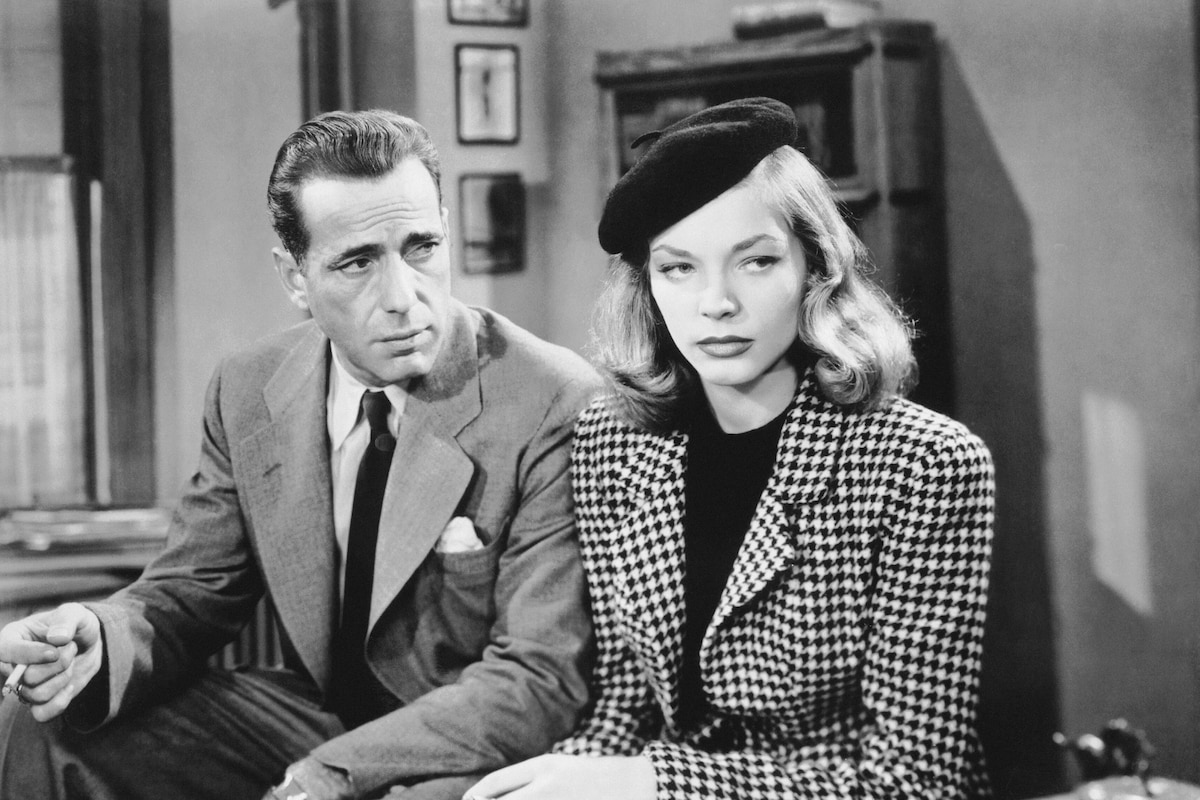
The film version was made to capitalize on the success of Humphrey Bogart and Lauren Bacall's first film together, To Have and Have Not (1944). After the earlier film's successful first preview, Warner Bros. studio head Jack Warner told its director, Howard Hawks to come up with another vehicle for them. Hawks suggested Marlowe's novel, telling Warner it was like an earlier studio hit, The Maltese Falcon (1941), which had helped make Bogart a star. Warner had actually considered filming the novel earlier, but had decided against it because there were too many censorship problems in its depiction of pornographers, nymphomaniacs, homosexuals and corrupt cops.
Hawks bought the rights to The Big Sleep for $20,000 then sold them to the studio for $55,000.
After reading Leigh Brackett's first novel, the hard-boiled detective story No Good from a Corpse, director Howard Hawks called her agent to arrange an interview and was rather surprised to see a short 29-year-old woman walk into his office. It didn't alter his original opinion, however, and he hired her to work on the screenplay with William Faulkner.
Brackett only had one meeting with co-writer William Faulkner. He told her they would each adapt alternate chapters of the original novel, then went off to work on his own. They finished their first draft in eight days, and Hawks patched together their various scenes.
Bogart read the script and objected to some lines he thought were too genteel for the character. He assumed they had been written by Brackett because she was a woman. When he went to request re-writes from her, she told him they were Faulkner's lines. Then she proceeded to make the dialogue even more hard-boiled and tough. As a result, he nicknamed her "Butch."
In one major departure from Chandler's novel, Hawks decided not to have Bacall turn out to be an accomplice to murder (and omitted the murder victim from the story as well). That allowed her to enjoy a final clinch with Bogart while at the same time capitalizing on the couple's success together in To Have and Have Not and their romantic relationship off-screen.
Whether it was wish fulfillment or his desire to increase the film's sexual tension, Hawks decided that every woman in the film would find Marlowe irresistible and try to seduce him.
While casting the film, Hawks was impressed by a glamorous photo of model-turned-actress Martha MacVicar. She had started acting in horror films at Universal (Frankenstein Meets the Wolf Man, Captive Wild Woman, both 1943), so he had Warner Bros. buy up her contract and then taught her how to exploit her sexuality to the maximum as the nymphomaniacal Carmen.
by Frank Miller
The Big Idea (6/11) - THE BIG SLEEP
by Frank Miller | February 17, 2005
SIGN UP FOR OUR NEWSLETTERS

CONNECT WITH TCM