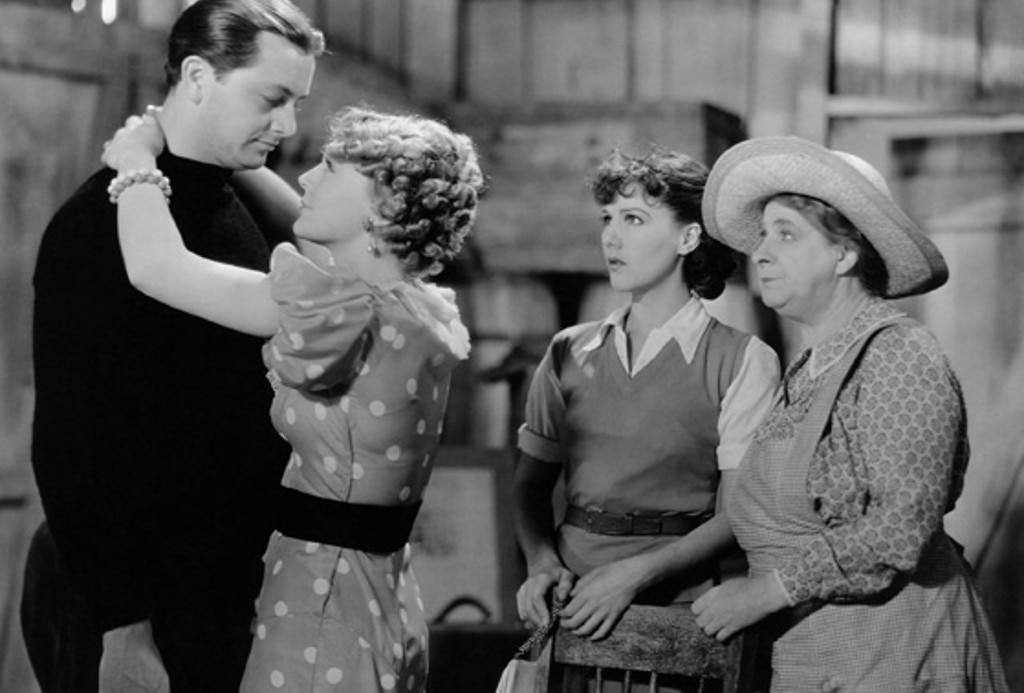
Lazy River (1934) was meant to be director Tod Browning's comeback film, following the box office failure of his controversial sideshow shocker Freaks (1932) and the riveter romance Fast Workers (1933). Metro-Goldwyn-Mayer took another chance on the maverick filmmaker by sending him to Louisiana to scout locations for and film background footage for a proposed adaptation of the Lea David Freeman play Dance Hall Daisy. Retained for the film as a dialogue writer was novelist William Faulkner, whose novel Sanctuary had just been adapted for pictures by Paramount as The Story of Temple Drake. With Joan Crawford and Lionel Barrymore announced in the Hollywood trades as being attached to the project, Dance Hall Daisy had all the earmarks of a major studio release - until Browning was fired, Faulkner let go, and the property was shelved by MGM. When the film did return to production, the title had been changed to Lazy River (1934), efficiency director George B. Seitz was installed at the helm, and contract players Jean Parker and Robert Young were assigned the lead roles. Cast for economy rather than star power (Louis B. Mayer declared Young to have "no sex appeal at all"), the actors had better days and better roles ahead of them, with Parker costarring in The Ghost Goes West (1935) and Young adding value to the noir classic Crossfire (1947). Cinematographer Gregg Toland later won an Academy Award for his work on Wuthering Heights (1939) and shot Citizen Kane (1941) for Orson Welles.
By Richard Harland Smith
Lazy River
by Richard Harland Smith | October 22, 2013
SIGN UP FOR OUR NEWSLETTERS

CONNECT WITH TCM