Pop Culture 101 - TO KILL A MOCKINGBIRD
The overwhelmingly positive reception, by critics and movie audiences, of To Kill a Mockingbird owes a huge debt to the film's timeliness and the year in which it was released - 1963. That year saw Southern racial problems making national headlines with stories of sit-ins, freedom rides, and mass demonstrations.
A filmmaker named Martin Arnold made an experimental film called Passage 'acte in 1993, which uses approximately thirty seconds of the dining room scene in the classic To Kill a Mockingbird and re-edits it into about a 10 minute film. Arnold takes the structural and dramatic harmony in the scene and de-constructs this scenario of normality by destroying its original continuity. Those who are familiar with the film have compared it to listening to a broken record.
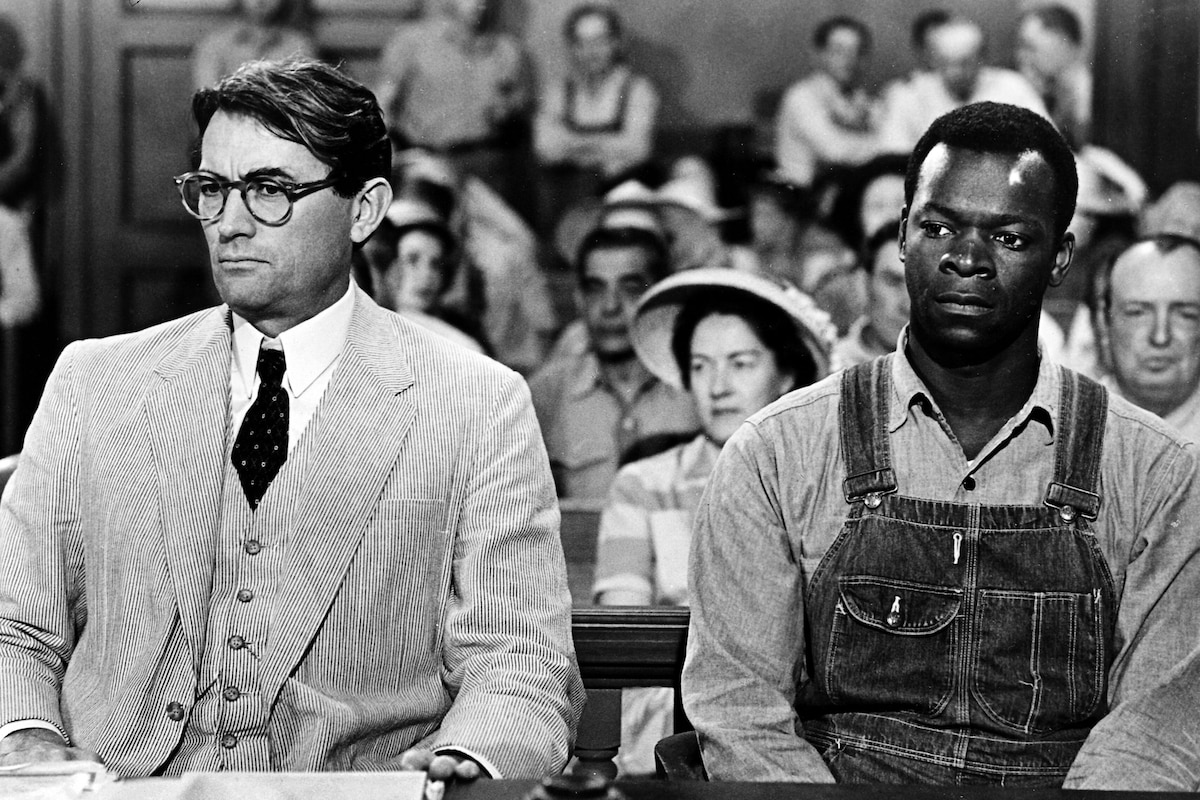
Atticus Finch's professional and moral integrity, as well as Gregory Peck's extraordinary performance, has launched thousands of legal careers and remains an inspiration and role model for many practicing attorneys. Peck also played another vastly influential attorney named Abraham Lincoln in the 1982 television production of The Blue and the Grey.
The Monroe County Heritage Museum in Monroeville, Alabama produces the stage production of To Kill a Mockingbird, performed annually by an all-local cast at the Old Courthouse in May. This production has traveled to Jerusalem, Israel and Kingston-upon-Hull, England, where it was well received by sold-out audiences.
In the early nineties, Harry Lee Coe III, an attorney from Hillsborough, Florida, prosecuted the famous case where two white men were charged with setting a black man on fire. After the jury found the two men guilty, Coe later received a letter of congratulations from Gregory Peck.
Part of To Kill a Mockingbird's enduring popularity is because of its timeless theme of social justice. In The Films of Gregory Peck by John Griggs, the actor said, "You can never be sure what effect a picture of this kind that does deal with a social issue will have. I never overrate the importance of a social philosophy or message, if you like, in a film. But I think one does perhaps get the idea that people will not only be moved and held and entertained but perhaps they'll carry a thought away with them. Perhaps they'll carry it with them for a while, perhaps they'll discuss it with their friends and it may have some effect eventually in a change of social attitude one way or another. I think that's as much as we can be sure of, but that sort of thing does happen."
by Scott McGee
Pop Culture - TO KILL A MOCKINGBIRD (1962)
by Scott McGee | July 26, 2004
SIGN UP FOR OUR NEWSLETTERS

CONNECT WITH TCM