Behind the Camera on MR. DEEDS GOES TO TOWN
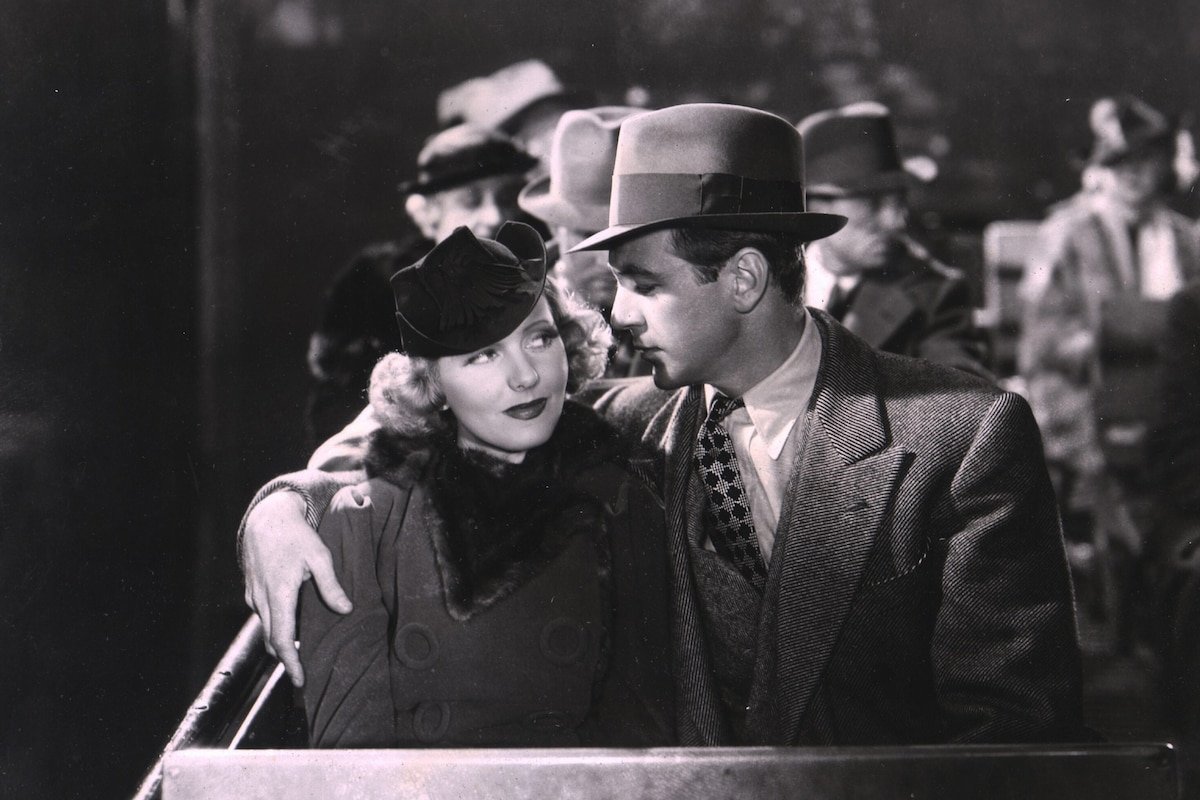
Gary Cooper's relaxed acting style mirrored his off-stage approach to
the work. Although the film marked a major step in his career, between
scenes he would often lie down on the floor, pull his hat over his eyes and
grab a quick nap in the midst of all the commotion of
filmmaking.
Capra, who had first made his name writing and directing for silent comic Harry Langdon, used several tricks from his Langdon films to
make Cooper look young and innocent. In Cooper's first scene, he wears a
bow tie with a jacket that's too short and tight for him.
Jean Arthur may have been the screen's most neurotic actress. She was
so overcome with stage fright, that she often vomited before scenes and
would run back to her dressing room after each take to have a good cry.
Yet she was totally cool on camera. Cooper was one of the few actors who
could make her feel comfortable on the set.
One way Capra maintained control over his work was by refusing to shoot
if any studio executives came on the set. During Mr. Deeds,
whenever Cohn would come on set, Capra would call a half-hour coffee break.
The lost time was so expensive, Cohn rarely showed his face.
Capra considered the scene in which Babe reads Deeds' poem about her
and realizes he loves her extremely corny. He considered not even
shooting it, but Arthur pleaded that she had worked on it for weeks to play
against the scene's sentimentality. Then he added the perfect touch, having Deeds
trip over a trashcan at the end.
Although Capra always boasted that he never went over budget, Mr.
Deeds Goes to Town came in five percent over budget, mainly because he
shot from more different angles than he had on his earlier films, bringing
the picture in five days over schedule. The film's final cost was
$806,774.
Mr. Deeds Goes to Town premiered April 12, 1936 to both critical
and box office success. Columbia Pictures had so much faith in it that
they sold the film to exhibitors as a one-shot deal, rather than including
it in a package of films designed to sell each other.
by Frank Miller
Behind the Camera - MR. DEEDS GOES TO TOWN (1936)
by Frank Miller | July 26, 2004
SIGN UP FOR OUR NEWSLETTERS

CONNECT WITH TCM