The Big Idea Behind ANNIE HALL
Annie Hall did not start off as a comedy about contemporary relationships. It was originally conceived as a murder mystery, with Annie Hall and Alvy Singer as the two main characters, amateur detectives who believe that an apparent suicide was actually a homicide victim. The story then evolved into a period farce that took place in Victorian England. And Annie Hall might very well have become a murder mystery, had Woody Allen not questioned the undertaking with co-writer Marshall Brickman, asking, "Do we really want to write this? Do we want to go to Boston to shoot this and work on costumes and deal with all those problems? Let's do a contemporary story." (Woody eventually did tackle a period mystery with Shadows and Fog (1992), his comic homage to German Expressionist cinema.)
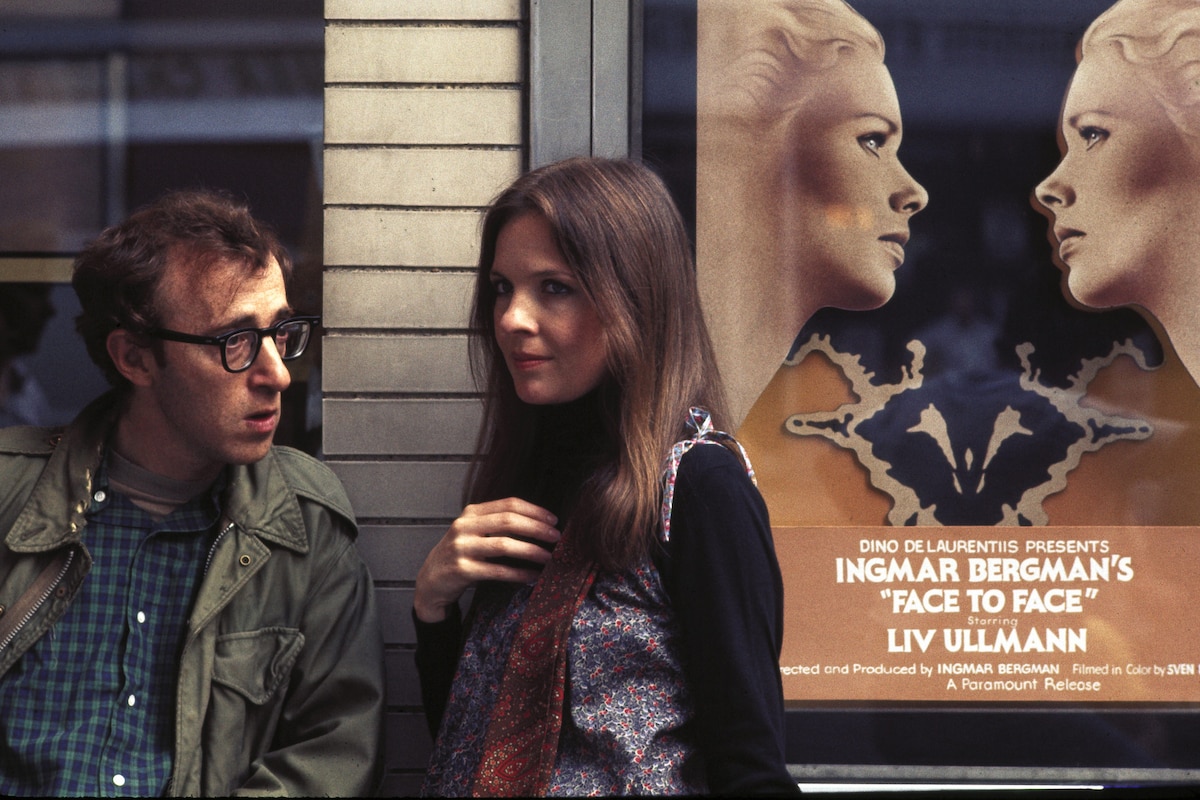
So after abandoning the murder angle - this concept was later developed and produced as Manhattan Murder Mystery (1993) - Allen and Brickman wrote a story about what went on inside the mind of Alvy Singer, a chronically insecure comedy writer. There was also a subplot concerning Alvy's romantic problems. After test screenings though, it became obvious that audiences preferred the focus of the film to be on Alvy's relationship with Annie and not the writer's professional career. The Alvy-Annie relationship was also particularly intriguing because it was inspired by Woody Allen's past romance with Diane Keaton (they were now just good friends) and incorporated some personal experiences from both partners into the storyline.
by Scott McGee
The Big Idea - ANNIE HALL (1977)
by Scott McGee | March 30, 2004
SIGN UP FOR OUR NEWSLETTERS

CONNECT WITH TCM