TCM offers two helpings of Thanksgiving programming this month. On Thanksgiving Day, Carol Burnett returns to the network for another installment of Thanksgiving with Carol Burnett alongside host Dave Karger. But a couple of weeks before that cornucopia of movies, November's Films on Film line-up focuses on American films that explore Native American culture in honor of Native American Heritage Month. Enjoy!
Friday, November 13 -- Films on Film: Native American Heritage Month
For decades, American Westerns celebrated the westward expansion of the United States as the story of almost exclusively white settlers conquering the hardships of the untamed wilderness. In so many of those tales, the Native American tribes were presented as enemies of Manifest Destiny or a threat to be conquered. The documentary Bearing Witness: Native American Voices in Hollywood (2025) takes a critical look at the racist foundations built on decades of movies that presented Native Americans in simplistic and often unsympathetic terms.
A road movie about a pair of young Cheyenne men on a journey from northern Montana to Santa Fe, Powwow Highway (1989) is one of the first American features to explore the lives of Native Americans in the contemporary world on their terms. A Martinez plays a disillusioned activist whose estranged sister (Joanelle Romero) has been arrested on trumped-up charges. Gary Farmer is the gentle buddy who treats his junkyard Buick like a modern pony, which turns their trip into a spiritual journey. It was the directorial feature debut of Jonathan Wacks, who coproduced Repo Man (1984), and he shot the independent production on location on Native American reservations throughout Wyoming, Montana, South Dakota and New Mexico. Wacks won the Filmmaker's Trophy at the Sundance Film Festival, and the film was added to the National Film Registry in 2024 for being "culturally, historically, or aesthetically significant." In some ways, Powwow Highway paved the way for the landmark 1998 indie road movie Smoke Signals (1998), the first American feature film written, directed and produced by Native Americans to get a major theatrical release.
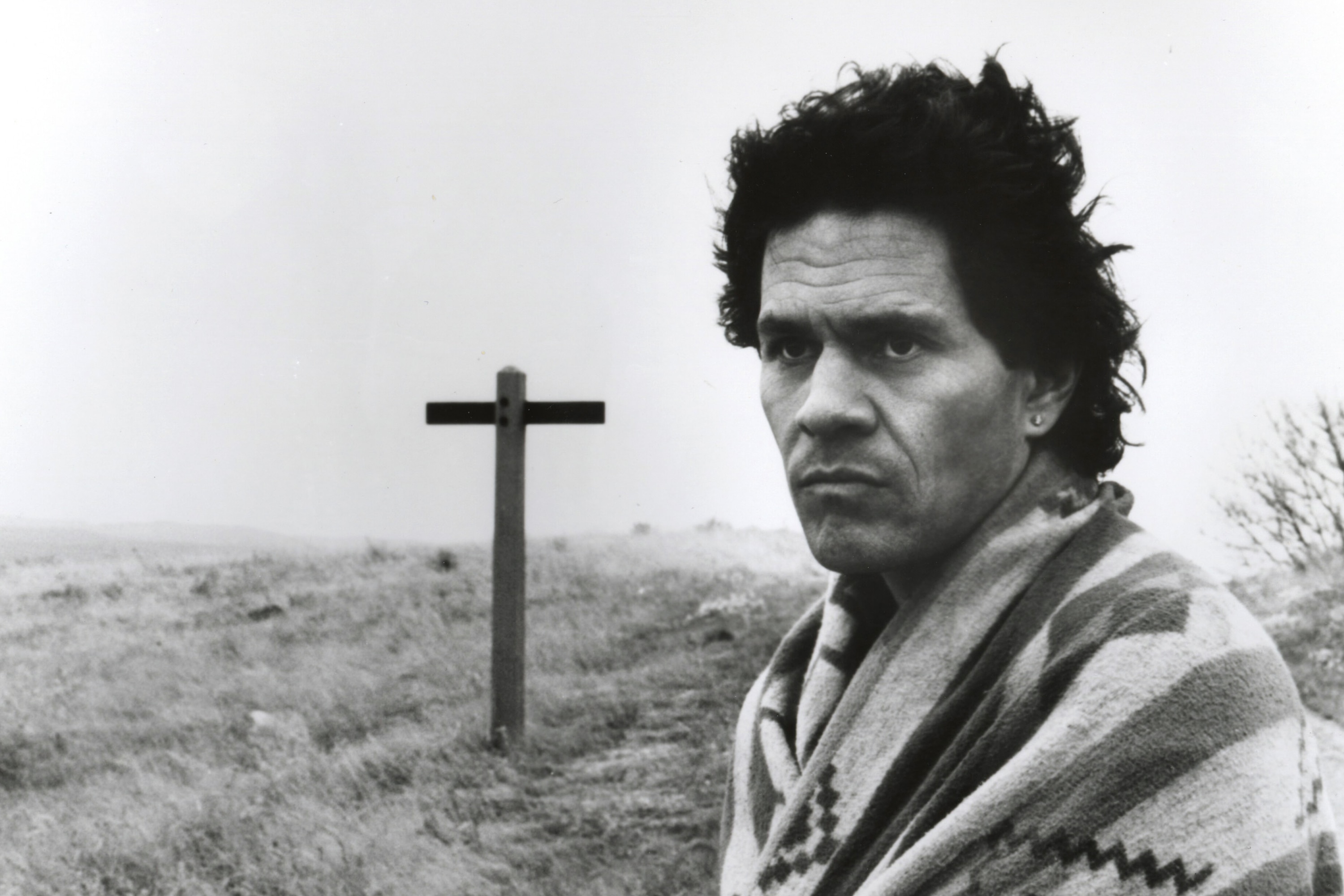
In 1975, a standoff between activists in the American Indian Movement and the FBI at the Pine Ridge Indian Reservation in South Dakota ended in violence and the deaths of two FBI agents. AIM leader Leonard Peltier was convicted and imprisoned for the crime, a conviction many felt was unjust. Robert Redford met with Peltier in prison and, as he told Daily Variety, “Felt sure he was railroaded." He hoped that a film about the case could reopen the investigation and get Peltier a new trial. With Redford on board as producer and narrator, Michael Apted, a British filmmaker whose long career includes the landmark Seven Up! (1964) and its sequels, took on the documentary Incident at Oglala (1992). The events explored in the documentary also informed and inspired the fictional drama Thunderheart (1992), which Apted directed immediately after.
Kent Mackenzie's independently produced The Exiles (1961) casts its lens on a population rarely seen on screen. Mackenzie, a graduate of the USC film school, became interested in the lives of urban American Indians living in the Bunker Hill area of Los Angeles, a displaced population no longer part of the reservation life and not quite assimilated into city life. The film, set over one long night, is fiction but the world he presents is very real. The story grew out of conversations with relocated Indigenous Americans he met during his research, and he developed the script with his cast (all of them non-actors drawing from their own lives). Shot without sound on location over the course of two years, it presents a startling, intimate and unvarnished look into life on the margins of society and the desires, anxieties and disappointments of those who came looking for a better life. Despite a positive response from festival audiences, including the prestigious Venice and New York Film Festivals, the film effectively disappeared for decades until it was resurrected and restored in the 2000s.
Not all American films from the early 20th century presented Native American cultures as hostile or savage. The documentary The Silent Enemy (1930), a portrait of the Ojibwe Indians in Quebec and northern Ontario, was a dedicated effort to chronicle the vanishing life of the American Indian. As with Robert Flaherty's landmark Nanook of the North (1922), the film presents a native cast reenacting a way of life that had all but disappeared by the 20th century. Producer/writer W. Douglas Burden, an American naturalist and explorer who captured and brought the first Komodo dragons to the United States, scouted locations across Canada and northern United States and searched for potential actors and artisans who could craft canoes, utensils, clothing and weapons in the manner of their ancestors. The production itself was a challenge, shot deep in the wilderness of northern Ontario with the cast and crew living in tents through the winter. Though framed by a melodramatic story, The Silent Enemy features stunning landscapes, dramatic wildlife photography and scenes of everyday survival, using traditional tools honed over hundreds of years. Shot without sound, it was released as the silents gave way to the talkies. A synchronized sound introduction by Chief Chauncey Yellow Robe was added, and it was originally released in theaters accompanied by a soundtrack of traditional Ojibwe music.
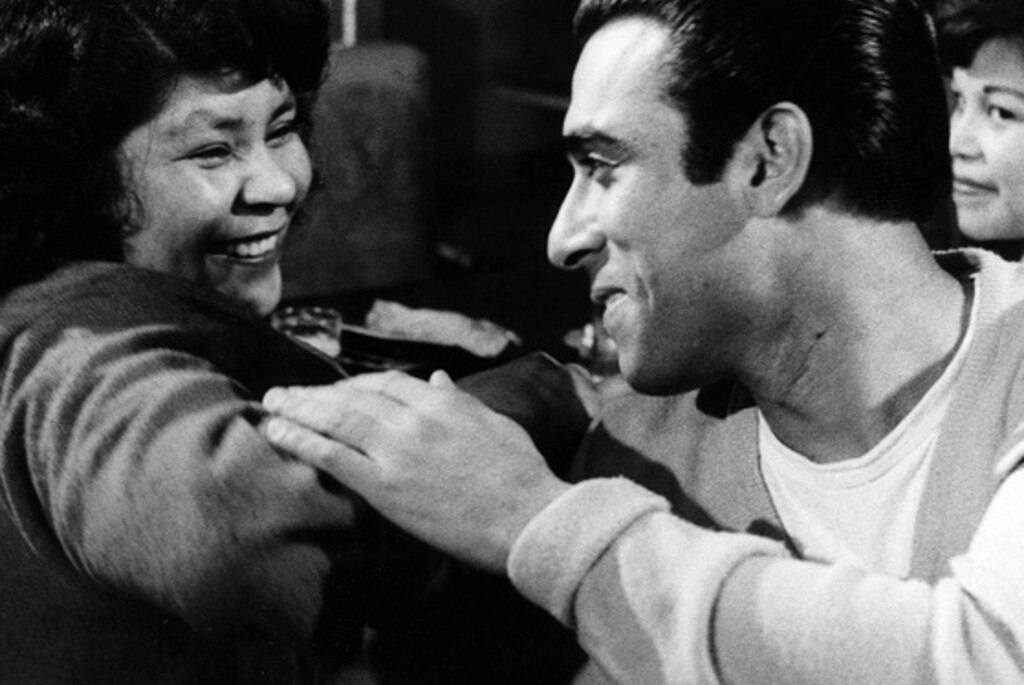
Dolores Del Rio plays the title role in the romantic melodrama Ramona (1928), as a young Mexican-American woman who becomes ostracized by "civilized" society when she falls in love and runs away with a Native American shepherd (an unconvincing Warner Baxter). Based on a 19th-century novel, the film leans into outdated clichés (including the "redface" make-up on white actors playing Indigenous roles) yet also confronts the hateful racism endured by the Indigenous population and the violence perpetrated by whites. The director, Edwin Carewe, was a member of the Chickasaw Nation—his maternal grandmother was the daughter of Chief Tabuscabano—and proud of his heritage, which informed his portrait of the culture faced by Native Americans in the early 20th century.
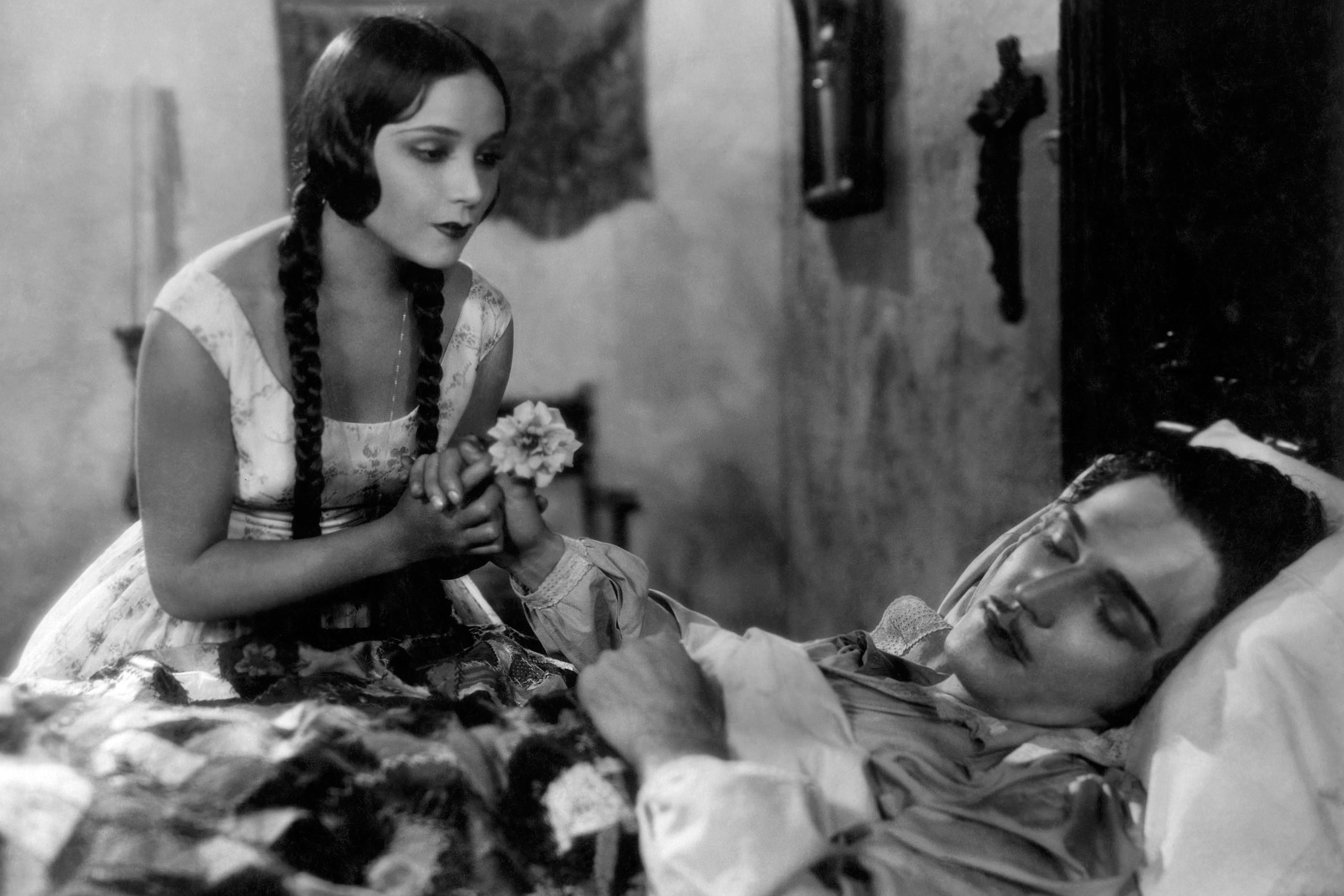
Thursday, November 26 -- Thanksgiving with Carol Burnett
In 2025, Carol Burnett presented some of her favorite movies with TCM host Dave Karger over the Thanksgiving holiday. This year, Burnett and Karger return for a Thanksgiving showcase of three films starring Burnett, among them her big-screen debut.
Alan Alda, who parlayed his success on the sitcom “M*A*S*H” into writing and directing, had become close with Burnett after guest starring on “The Carol Burnett Show” and the short-lived variety series “Carol & Company.” For his debut feature, The Four Seasons (1981), about three couples over the course of a year as they vacation together and weather the personal crises of life, he offered Burnett the role of his character's wise and understanding wife. She found the character, a successful magazine editor modeled in part after Alda's real-life wife, Arlene, "too perfect," she told him after reading the initial script. "There isn't really anything here for me to play." Alda rewrote the script to give her idealized character more dimension and, at her suggestion, added an argument between the pair.
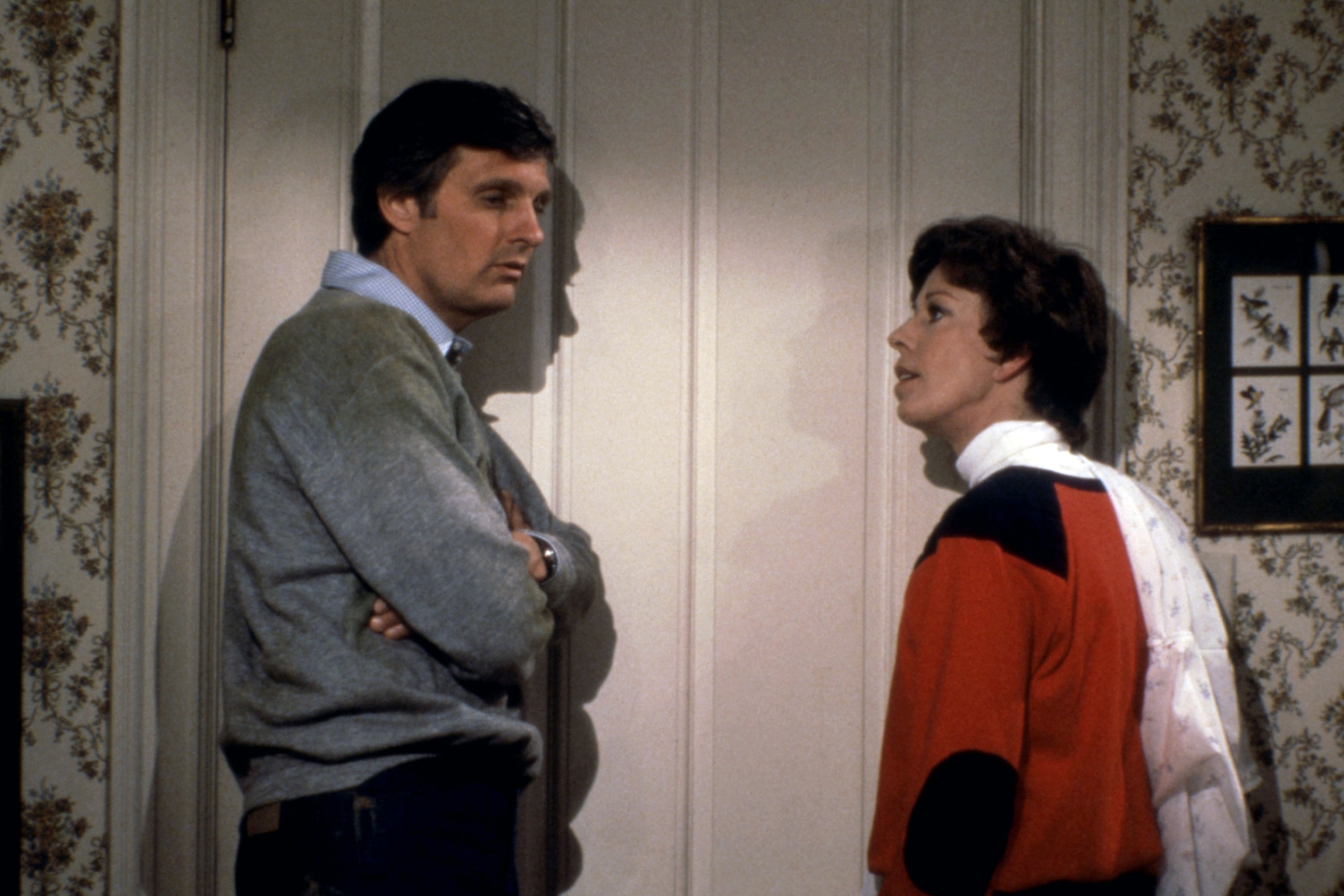
Alda set aside three weeks for rehearsal and for the six stars (Len Cariou, Sandy Dennis, Rita Moreno and Jack Weston play the other two couples) to get to know one another and form a real-life connection. Burnett recalled having a great time over the course of the three-month shoot, which took them to Vermont, North Carolina, Georgia and the Virgin Islands. The mix of drama and comedy was a big hit with audiences and earned her a Golden Globe nomination. Alda developed a short-lived series based on the film in 1984 and gave his blessing to Tina Fey to adapt the film into her own Netflix series, with Fey taking on Burnett's character.
Burnett loved movie musicals and had always wanted to star in one, but the big-budget movie musical was practically a dinosaur by the time her star had risen. She finally got her chance when Columbia Pictures took on Annie (1982), a big-screen adaptation of the hit Broadway musical based on the Depression-era comic strip. The production had been in development for years. By the time it was cleared to go before cameras, Albert Finney had replaced Jack Nicholson in the role of millionaire Daddy Warbucks, and the 75-year-old John Huston was in the director's chair, helming the first musical of his long career. Nine-year-old Aileen Quinn, an unknown cast after a year-long search, made her screen debut in the title role.
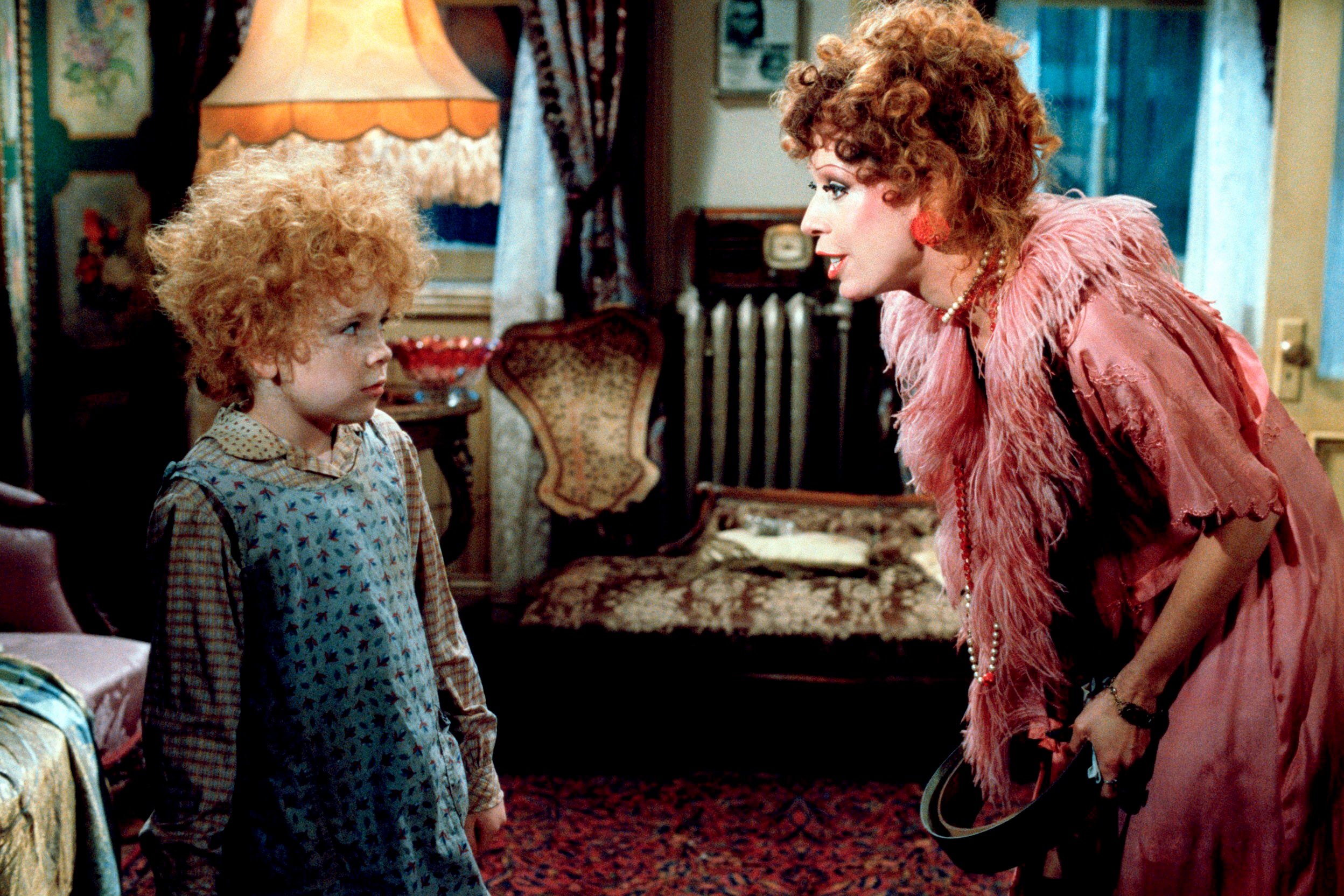
Bette Midler was first considered for the role of Miss Hannigan, the boozing, scheming matriarch of Annie's grimy New York orphanage, but she wasn't interested in playing such an exaggerated caricature. Joe Layton, the film's executive producer and musical sequences creator, suggested Burnett. "Carol loved the idea of playing such a bizarre person," recalled Layton to Burnett biographer J. Randy Taraborrelli. "So the part was hers." Burnett relished the opportunity to make a movie musical and threw herself into the part. "What attracted me to Miss Hannigan was the chance to do something outrageous on film…to really cut loose the way I do in my TV sketches."
Finally, we turn the clock back a couple of decades to the early years of Burnett's career. By the early 1960s, she was a veteran of Broadway (earning a Tony nomination for “Once Upon a Mattress”) and TV (with an Emmy to her name for “The Garry Moore Show”), and it was where she felt most at home, but cinema was the next peak to conquer. She gets an "Introducing" screen credit in Who’s Been Sleeping in My Bed? (1963), a sex farce starring Dean Martin as a heartthrob TV star who is about to give up his swinging bachelor ways for marriage. Burnett plays the secretary of Martin's psychiatrist and the meddling best friend of bride-to-be Elizabeth Montgomery. Burnett's big scene plays out at a strip club, where she takes the stage and lampoons a bump-and-grind strip while garishly mimicking come-hither looks.
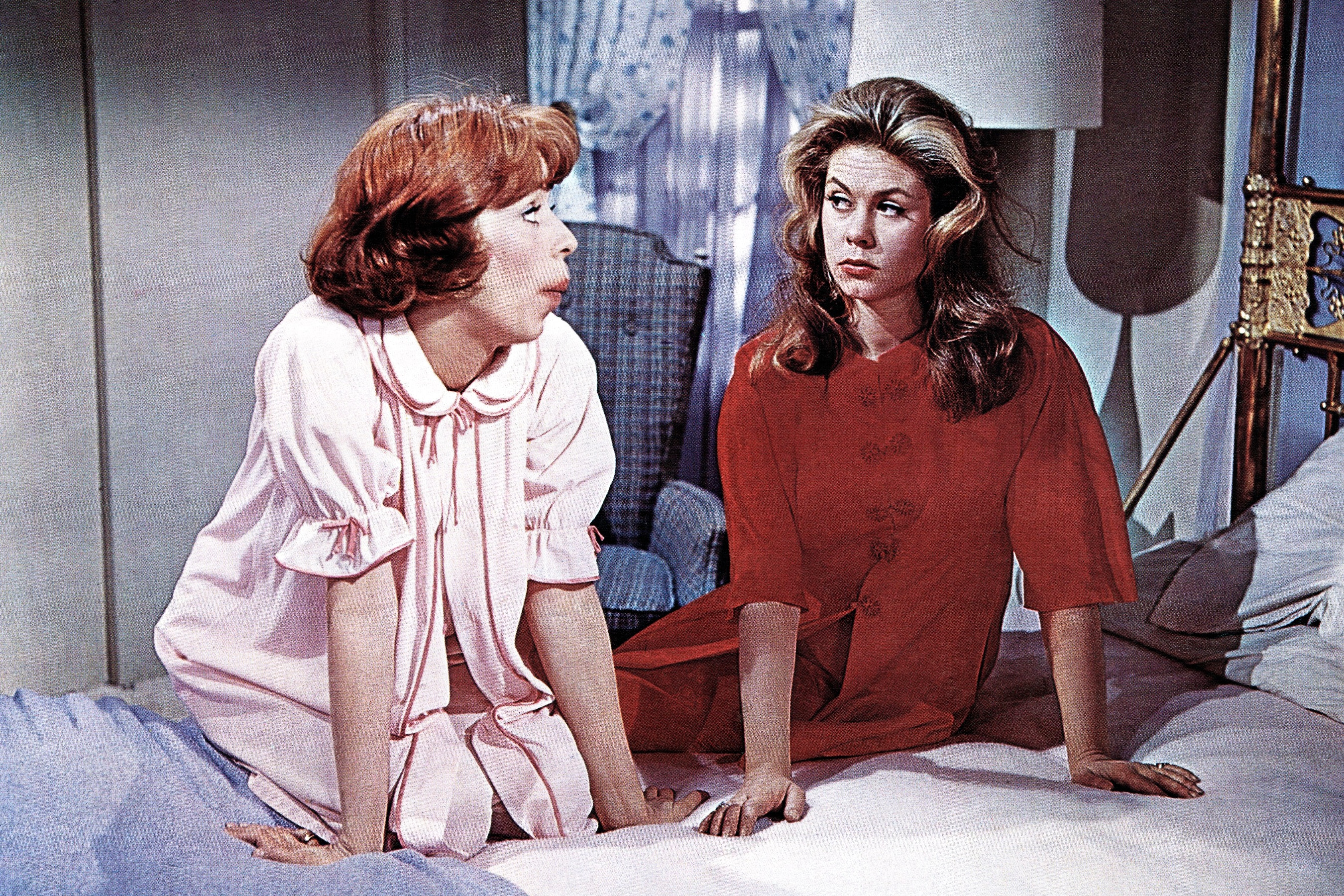
"That wasn't a strip," she later quipped. "It was a fungus." Jack Rose, the film's writer and producer, found Burnett's performance hilarious and expanded her role with additional scenes. The experience almost put Burnett off from the movies, she later confessed in Doug McClelland’s book “Hollywood Talks Turkey.” In her own words, "I was confused, bored and I missed the audience. Nothing was spontaneous." It was almost a decade before she returned to the big screen. In the meantime, she returned to stage and TV, where she poured her comic talents and Broadway chops into one of the greatest TV variety shows of all time: “The Carol Burnett Show.”
