Sunday, August 30 | 14 movies
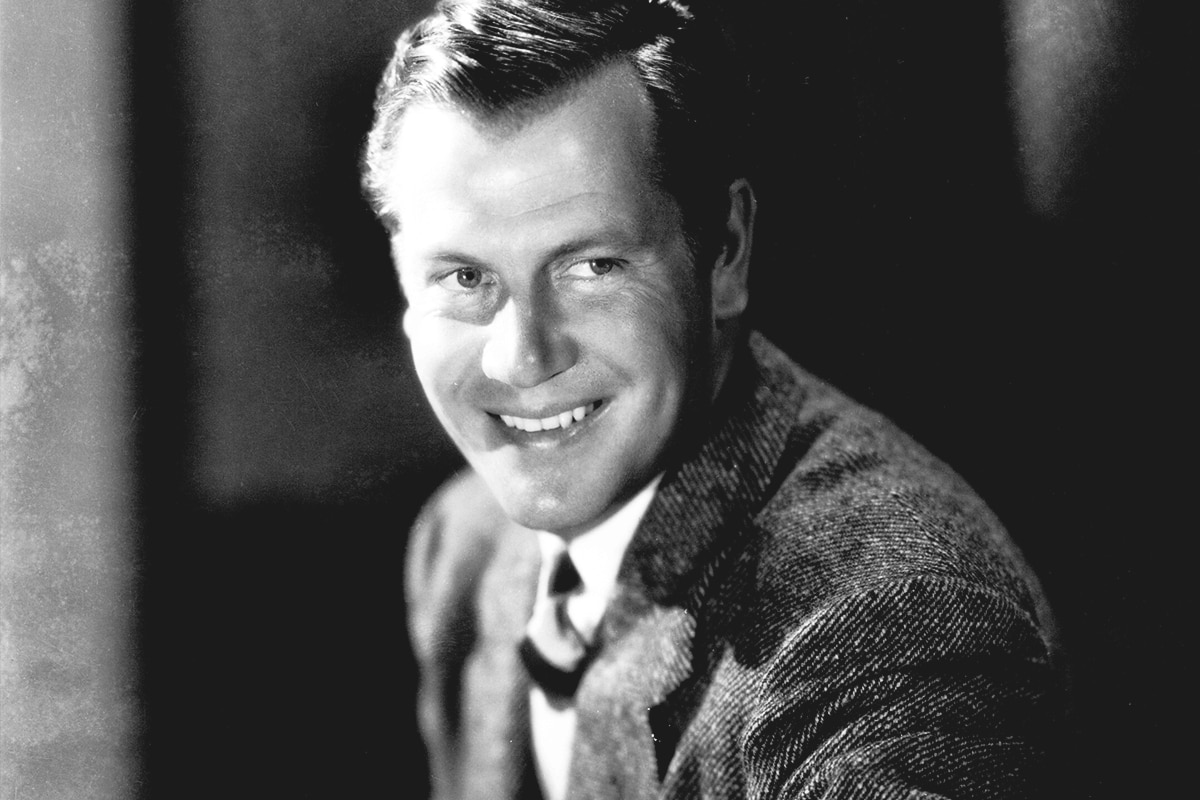
Joel McCrea was one of Hollywood’s most bankable and likable movie stars throughout his roughly three-decade career, and he was also one of the least flashy, on screen and off. Though he did star in several films that became all-time classics, overall, he did not seek the limelight and remained true to his low-key nature—especially in the second half of his career when he starred almost exclusively in Westerns. But whatever the genre, he always projected strength, integrity and innate decency onscreen. TCM’s Summer Under the Stars tribute to McCrea spans his first leading role in The Silver Horde (1930) to his last major film, Ride the High Country (1962), with a mix of 12 other pictures from various stages of his career.
McCrea grew up in Los Angeles and recalled bicycling down Sunset Boulevard at age 11 to watch D.W. Griffith shoot Intolerance (1916). He also worked as a newspaper boy; among his customers was Cecil B. DeMille, who was so appreciative of McCrea’s care in throwing the paper all the way onto the porch when it was raining that he gave the kid a silver dollar. Thirteen years later, with a handful of mostly uncredited film appearances under his belt, McCrea ventured to DeMille’s office at MGM. The director was preparing his first talkie, Dynamite (1929), and was happy to cast McCrea in a small role. “I guess telling him I still had the silver dollar he had given me as a newsboy didn’t hurt,” McCrea later laughed to film historian Tony Thomas. McCrea described the part as a “glorified bit” but was grateful for the career boost.
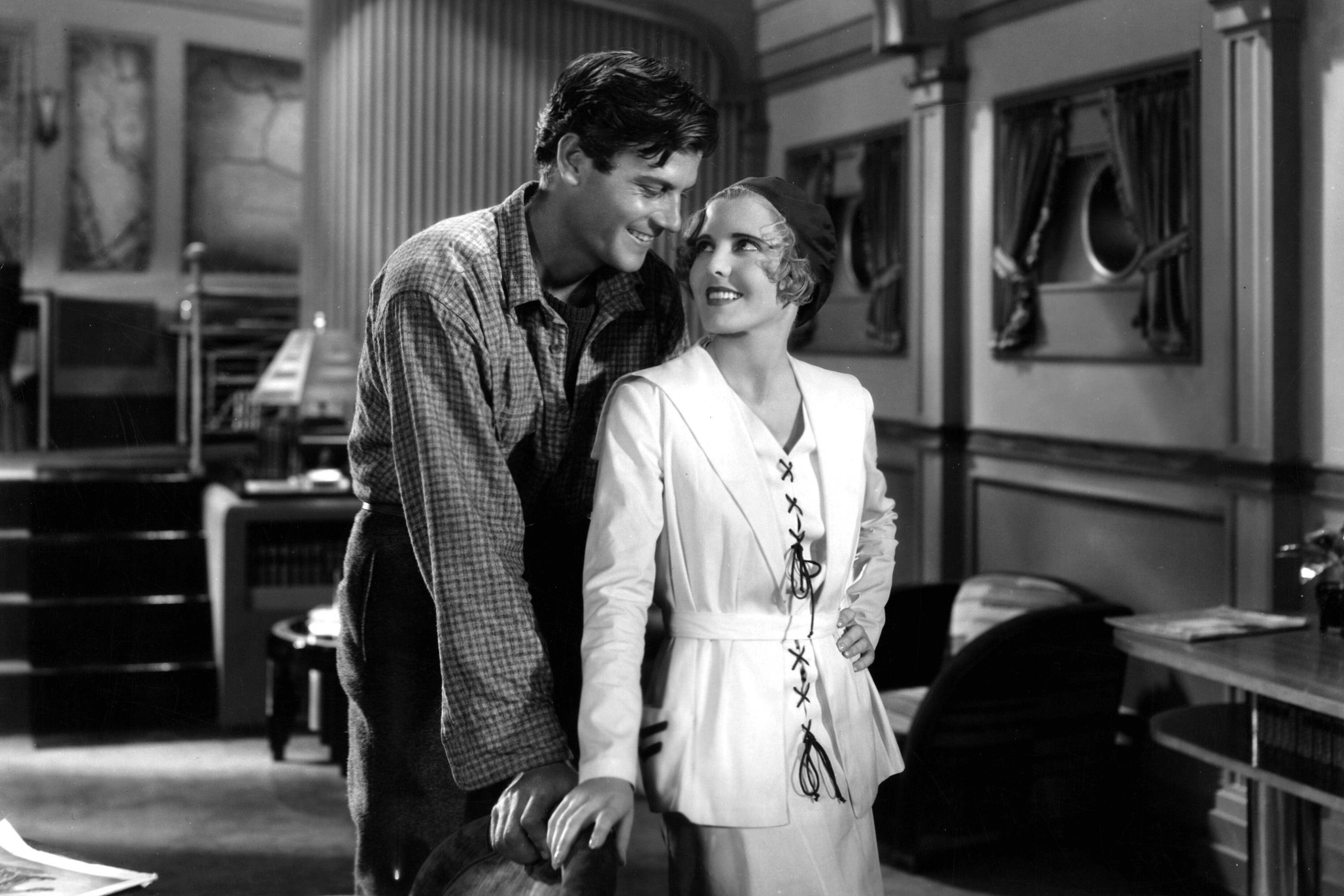
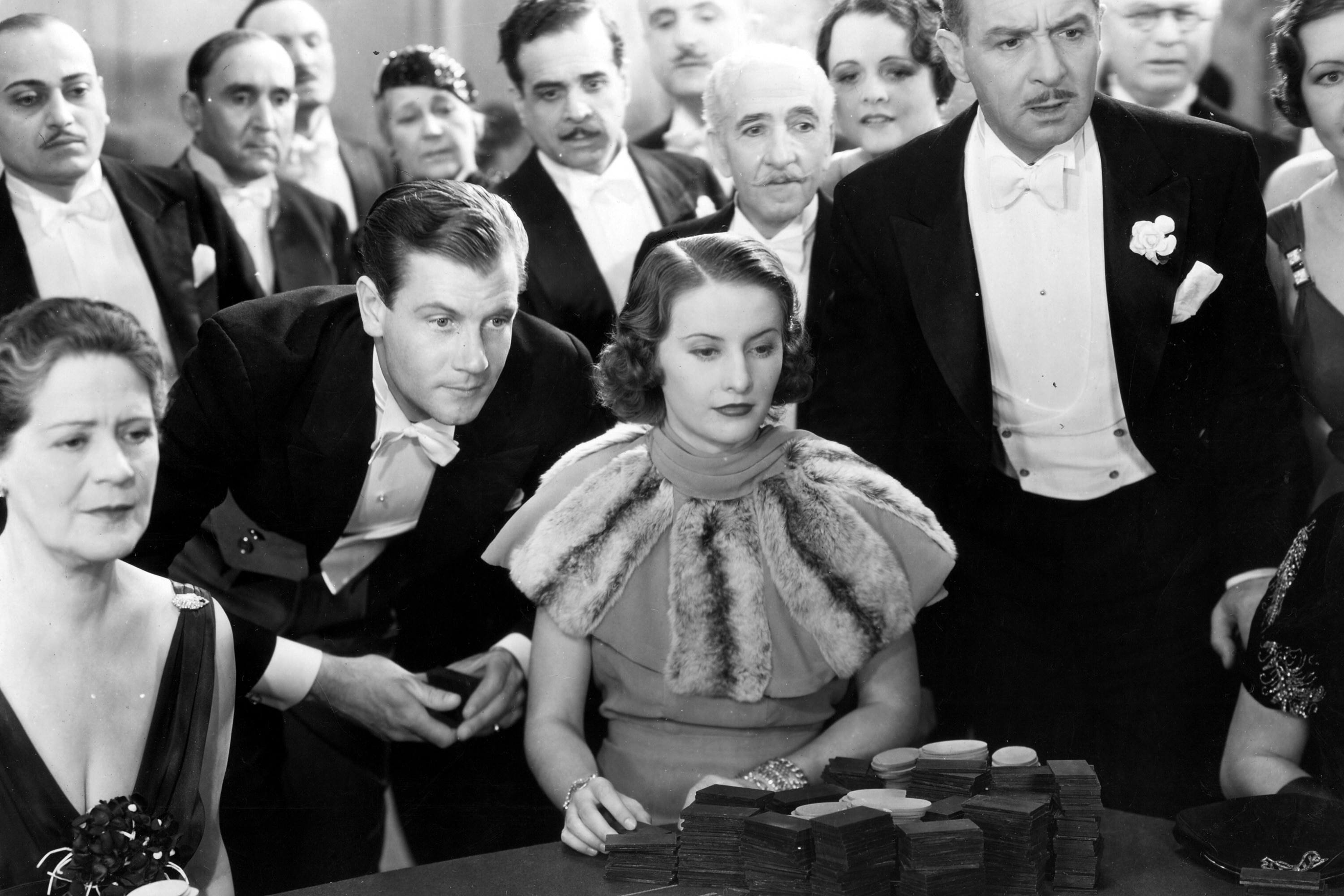
In his next film, RKO’s The Silver Horde, McCrea played his first lead. An adventure tale set in the Alaskan salmon industry, it did well enough to truly launch his career. McCrea remembered learning a tremendous amount from co-star Louis Wolheim. “You’ve got to think, not act,” Wolheim told him. “If you want to show you are mad, don’t scowl—just think mad and you’ll look mad.” Under contract to RKO, McCrea worked constantly through the 1930s, often doing five or more pictures a year. He proved a popular romantic lead opposite many top female stars, including Barbara Stanwyck, with whom he was cast in Gambling Lady (1934) on a loanout to Warner Bros. A typically brisk crime picture from that studio, it also generated a close, lifelong friendship between the two stars. They would team up for five more films in the decades ahead.
Back at RKO, he also starred opposite Ginger Rogers—just before she reached stardom—in Chance at Heaven (1933), a romantic melodrama and the first of two films together. Rogers later described McCrea as “one of the nicest, warmest, most generous-of-heart men in the world. He truly loves everybody. You have to have a very genuine love of humanity to risk having your feelings taken advantage of like this.”
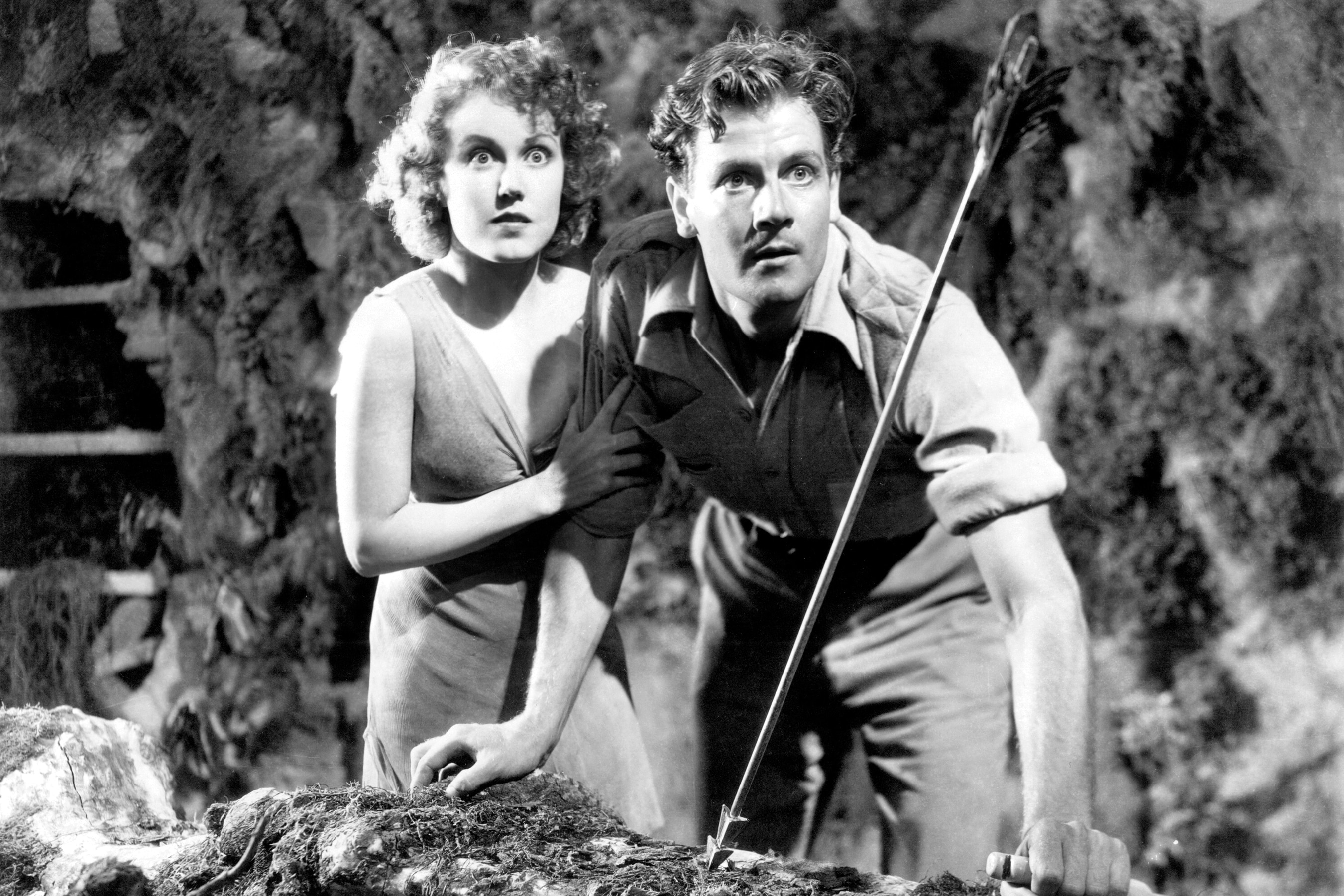
McCrea was establishing himself well in a mix of different genres, but especially notable were his exotic adventures and thrillers, such as The Lost Squadron (1932) and The Most Dangerous Game (1932). These allowed him to start formulating a rugged, outdoorsy image that would ultimately fit him best onscreen. The Lost Squadron is about a trio of former World War I pilots who take jobs as fliers in a World War I movie being made by a sadistic director—played by Erich von Stroheim in an only somewhat exaggerated caricature of himself. Wonderfully enjoyable, with McCrea exuding élan as a romantic hero, it is also one of the more convincing, albeit under-the-radar, movies about Hollywood. The Most Dangerous Game, produced by Merian C. Cooper and Ernest B. Schoedsack, is a taut, stylish gem—a near-horror melodrama about a Russian count who hunts men as prey on his island. McCrea plays a hunter who becomes the hunted, and the film feels atmospherically similar to King Kong (1933), which is no coincidence. Cooper and Schoedsack were already producing that film on the same jungle sets, with two of the same cast members (Fay Wray and Robert Armstrong) along with the same composer, Max Steiner, whose scores for both films were groundbreaking.
Through all these many films, McCrea honed his approach to screen acting. “I learned in those early years,” he said, “that it didn’t pay to press too hard. Better to be content. But I fortified myself by watching the great screen talents at work. I analyzed the reasons for their success, and I discovered the one quality common to all of them: poise. [As] the great actor George Arliss once said to me, ‘What, other than a pair of trousers, can you improve by pressing?’” He also didn’t hesitate to turn down major roles if he felt he wasn’t right for them. As he later said, “It never interested me enough to play parts I didn’t feel at home in. For most of those years I was also making a living as a rancher, so there was no incentive to do a film for any reason other than I wanted to do it. I think we should be realistic about our abilities and adequacies... I knew what I could and couldn’t do.”
In 1940, McCrea starred in Alfred Hitchcock’s Foreign Correspondent after Gary Cooper turned it down (to his eventual regret). This masterful suspense spy drama and Best Picture nominee, with McCrea as a heroic reporter covering the oncoming war in Europe, gave his career a fresh and significant boost. As Tony Thomas wrote, “The film proved that he was more than a pleasing leading man, and it led to several more films of equal importance.”
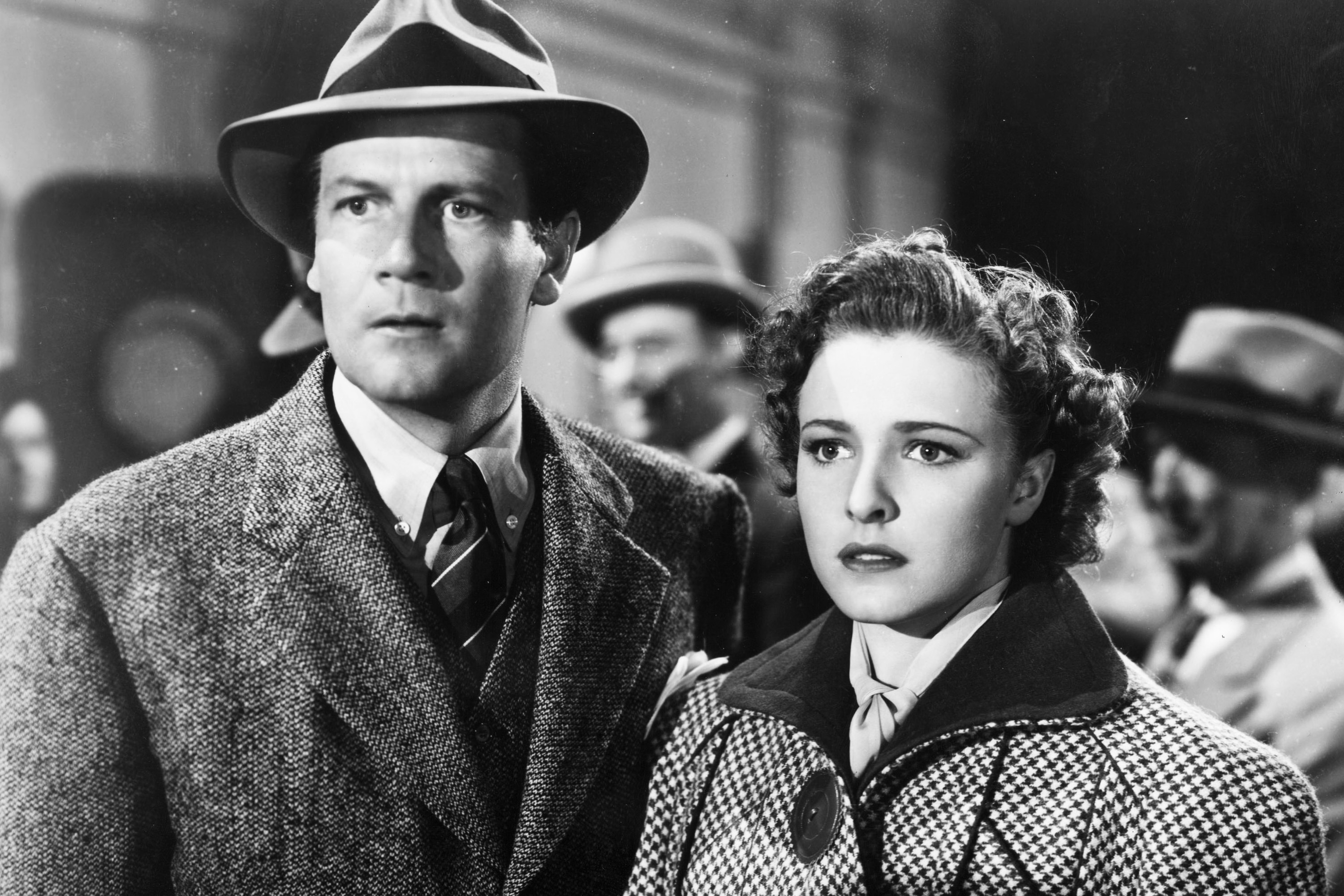
Two of those subsequent films would come to be appreciated as all-time comedy classics: Sullivan’s Travels (1941) and The Palm Beach Story (1942), both written and directed by Preston Sturges. The first is one of the finest movies about movies ever made, with McCrea unforgettable as John L. Sullivan, a successful comedy director who yearns to make a serious drama about human suffering and thus sets out from Hollywood as a tramp (accompanied by Veronica Lake) to experience the real thing. The Sturges films revealed McCrea’s ability to apply his low-key acting style even to wild screwball comedy, a genre he had not had many chances to work in previously but greatly enjoyed. “I have to say the money I got for Sullivan’s Travels was unnecessary,” he recalled. “I don’t know any other director where I had so much fun... He told me he had written the scripts with me in mind and that gave me confidence... He wasted less time and less film than anyone, except maybe Hitchcock.”
Following these pictures, McCrea starred in another comedy classic, George Stevens’s The More the Merrier (1943), and then made a Western, Buffalo Bill (1944). He had made two prior Westerns, Wells Fargo (1937) and Union Pacific (1939), and felt so at home in all three that in 1946, he decided to make only Westerns from then on. He had the clout to make it happen; of the 29 movies he made over the rest of his life, all but one (1953’s Rough Shoot) were indeed Westerns. Most of them were relatively lower budget yet consistently unpretentious and solid, just like McCrea himself. They were also profitable. “I had enjoyed doing the comedies,” he told Tony Thomas, “But as I got older, I was better suited to Westerns... The minute I got on a horse, with the hat and the boots, I felt easier. I didn’t feel like I was an actor anymore. I felt like the men I was playing.”
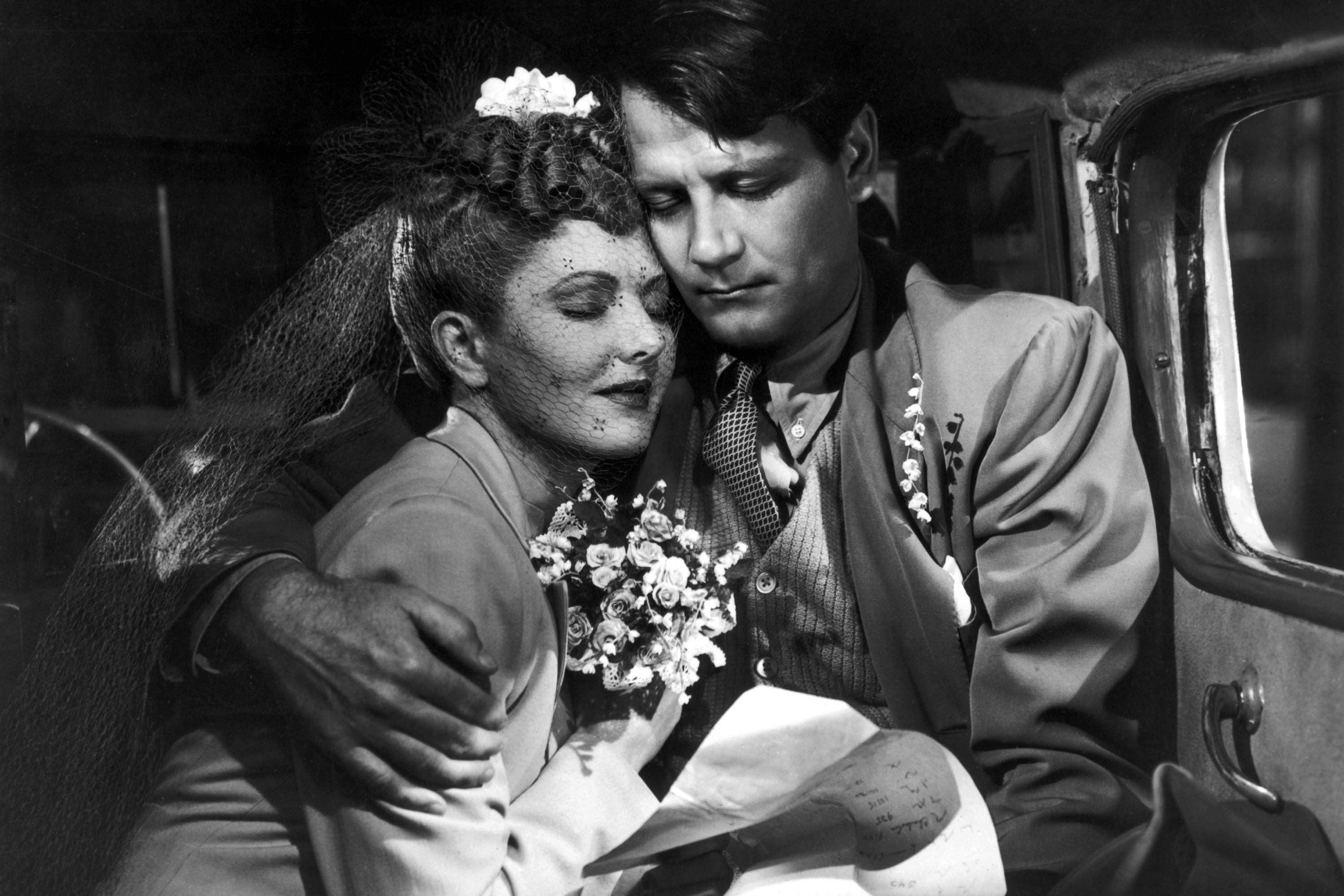
McCrea had grown up around real cowboys and been immersed in horses, cattle and the world of the West for most of his life. Early in his movie career he bought a ranch in what would become Thousand Oaks, CA, where he settled down with his wife Frances Dee, whom he had met when they co-starred in The Silver Cord (1933), and eventually their three sons. He considered himself to be primarily a rancher and declared his occupation as such on his tax forms, with acting merely a hobby.
Certainly, the five Westerns in this tribute prove his credibility as a man of the West. Two of them are relatively minor: The Outriders (1950), a Civil War Western, and the TCM premiere Stranger on Horseback (1955), based on a Louis L’Amour story. McCrea was especially eager to make Stranger on Horseback because it reunited him with Jacques Tourneur, the director of one of McCrea’s favorite films of his entire career, Stars in My Crown (1950). In that beautiful, moving film, he plays a small-town parson, Josiah Doziah Gray, who settles in rural Tennessee after the Civil War. In a series of vignettes set over the years, he shows he is capable of using his fists when needed but mostly helps work out local problems big and small, especially issues of racial prejudice that lead to the parson squaring up against the KKK. It is one of McCrea’s finest performances.
He also shines in Colorado Territory (1949), a tough Western remake of High Sierra (1941) directed by Raoul Walsh and co-starring Virginia Mayo. An excellent film that deserves to be widely seen, it is notable in showing that even when McCrea played an outlaw, as he does here, he imbued the character with dignity and a heroic sense of honor. For his final major picture, Sam Peckinpah’s Ride the High Country, McCrea teamed up with fellow Western star Randolph Scott for the only time in their careers. It’s the story of two aging ex-lawmen who take a job transporting a shipment of gold, with one of them planning to double-cross the other. McCrea was originally offered the part of the morally compromised character, but he declined it, saying, “If I was going to make one more picture, I wasn’t going to destroy my image with it.” He loved the script, however, and decided to wait and see which role Randolph Scott wanted to play. As luck would have it, Scott chose that role because he thought it would be an interesting change of pace. The result was Western perfection, with McCrea and Scott’s characters essentially debating through the film what it means to be a hero.
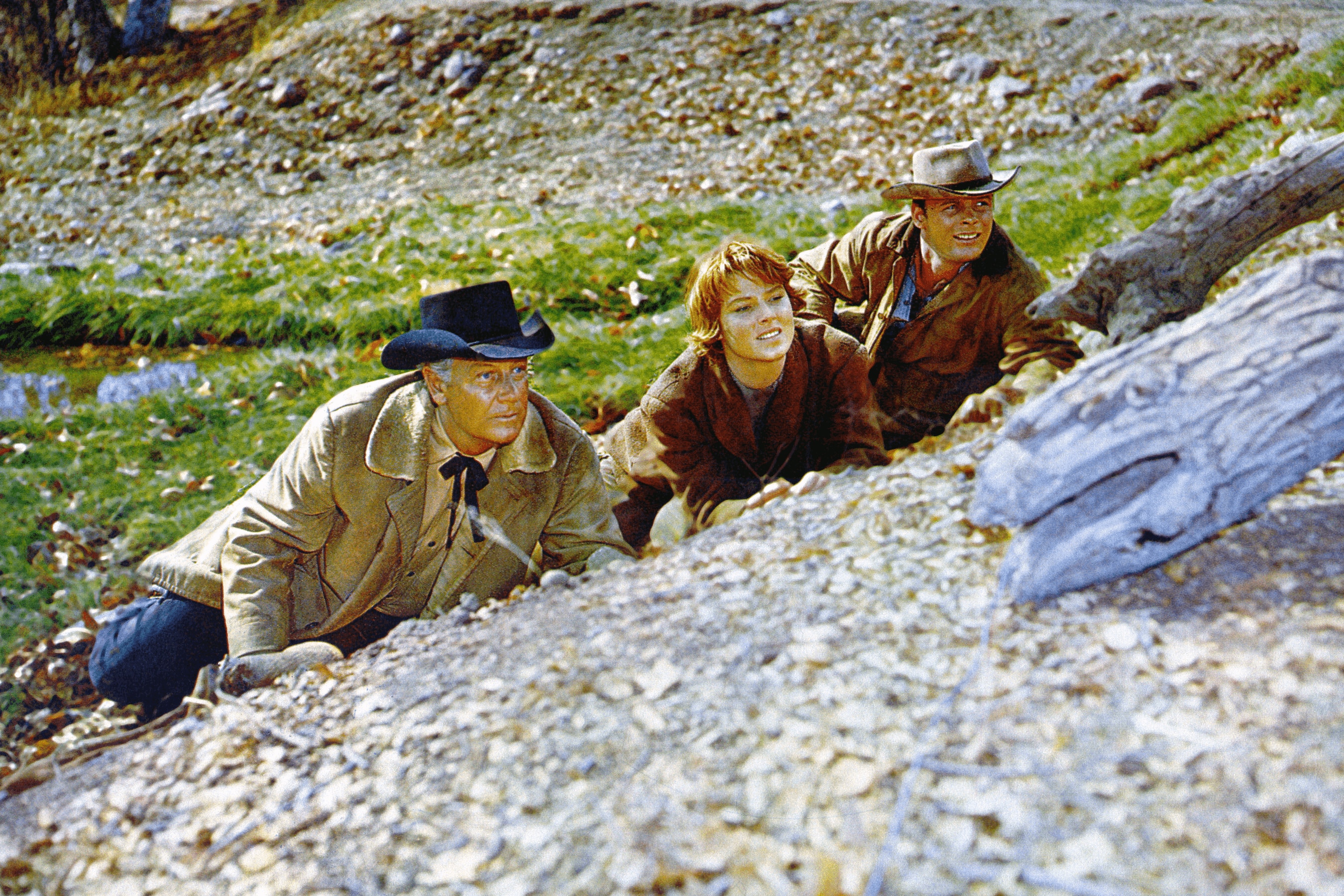
Ride the High Country stands as a moving and tremendously satisfying screen send-off for both stars, though McCrea would later take parts in three minor films. “I tried to be believable and authentic,” he recalled. “That’s where I had something to offer. I stayed within my scope more out of common sense than humility. Preston Sturges once told me that you had no right to drag people into a theatre and bore them. I tried not to be boring.” McCrea died of pneumonia at 84 years old on October 20, 1990.
