Various Days | 65 Movies
At 6 AM on August 1, 2003, TCM presented Vivacious Lady (1938) to launch a new seasonal franchise, Summer Under the Stars. Starting with James Stewart, each day in August paid tribute to a different actor or actress with 24 hours of their best-remembered and sometimes more obscure films. Every year since, August has been devoted to star showcases, with primetime and weekend afternoon films introduced by the network’s hosting team.
This year, we’re offering a new twist on the programming. Each of TCM’s five regular hosts—Dave Karger, Alicia Malone, Ben Mankiewicz, Eddie Muller and Dr. Jacqueline Stewart—has chosen one performer whose career has special meaning to them, giving viewers personal insight into which movies and stars resonate with the people who’ve come to represent the classic movie experience for the network’s many fans.
August 5 — Eddie Muller on Joan Bennett
Joan Bennett had four careers. She started in films as a baby-faced blonde ingenue in the early days of talkies. As she got older in the 1950s, she transitioned into mother roles. Late in life, stardom on the gothic daytime drama “Dark Shadows” made her one of the most glamorous of all scream queens. Most important for host Eddie Muller, however, was her second phase. When she died her hair dark brown for 1938’s Trade Winds, turning her into one of the sexiest of all film noir femmes fatales. All four Bennetts are on display on the day Muller requested for her.
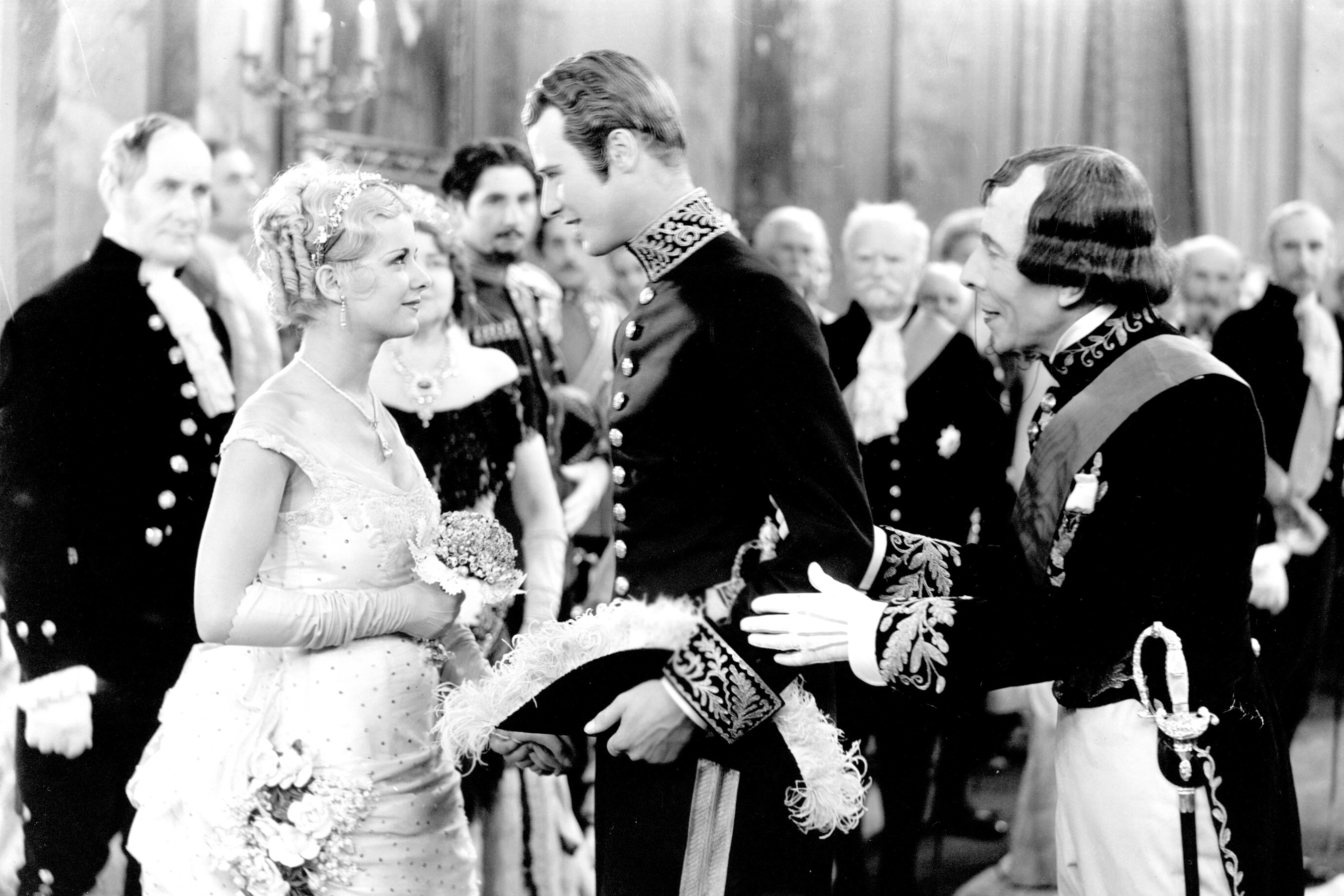
Born in 1910, Bennett came from an acting dynasty that could trace its lineage back to 18th century England. After stage work and some bits in her father Richard Bennett’s silent films, she moved into film in earnest in 1928, winning her first lead a year later opposite Ronald Colman in the hit spy drama Bulldog Drummond. Early roles airing during the day include a British lady in love with Prime Minster George Arliss’ aide in Disraeli (1929) and the Warner Bros.-invented love interest for John Barrymore’s Captain Ahab in Moby Dick (1930).
The other three phases of her career are featured in prime time, starting with Bennett as the little Cockney seamstress (at least that’s what they told the censors) helping Walter Pidgeon evade Nazi spies in Fritz Lang’s tense film noir Man Hunt (1941). He would also direct her as a sexy model involved with murder in The Woman in the Window (1944) and one of the screen’s most vicious femme fatales in Scarlet Street (1945). Her maternal phase is represented as Spencer Tracy’s wife and Elizabeth Taylor’s mother in Vincente Minnelli’s Father of the Bride (1950). The film was so successful, MGM released a sequel, Father’s Little Dividend (1951), less than a year later.
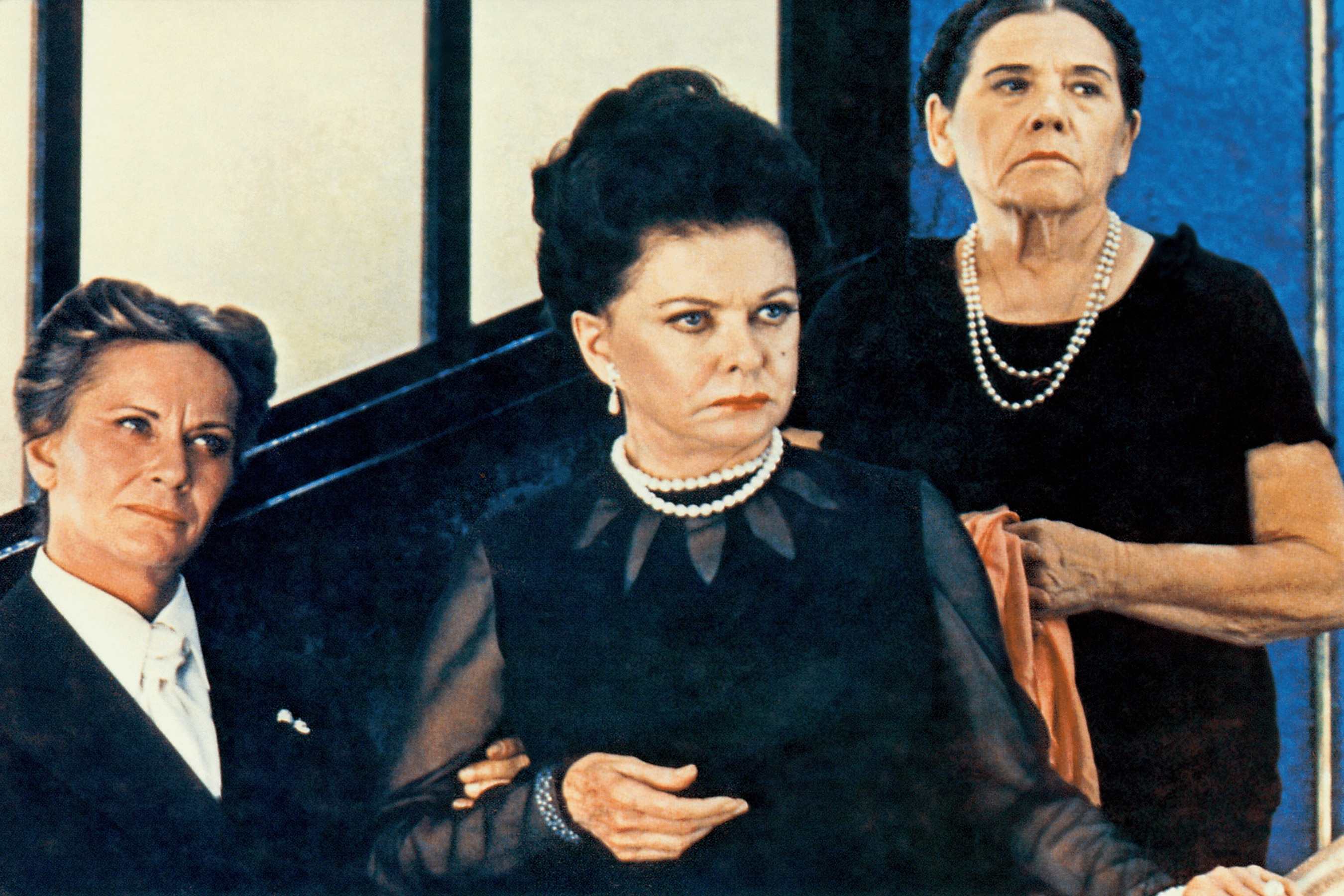
Then scandal hit when Bennett’s husband, independent producer Walter Wanger, shot her agent, Jennings Lang, convinced Bennett and Lang were having an affair. Suddenly no Hollywood studio would touch her, and even when she started landing film roles again, she simply wasn’t as much in demand anymore. To keep working, she turned to the stage and TV. In 1966, she debuted as Elizabeth Collins Stoddard on the soap opera “Dark Shadows,” which dealt with murder, werewolves, witchcraft and a vampire who became a national sex symbol. Her new status as a horror star led to her final film role, as the head of a coven of witches in Dario Argento’s cult classic Suspiria (1977).
August 11 — Alicia Malone on Barbara Stanwyck
With a gallery of dynamic female characters matched by her fervent off-screen independence, Barbara Stanwyck is a natural choice for Alicia Malone, who has covered feminist topics related to cinema in such books as Backwards and in Heels and Girls on Film. Although the primetime lineup Malone introduces starts with a pair of screwball comedies, Stanwyck excelled at every genre she tackled.
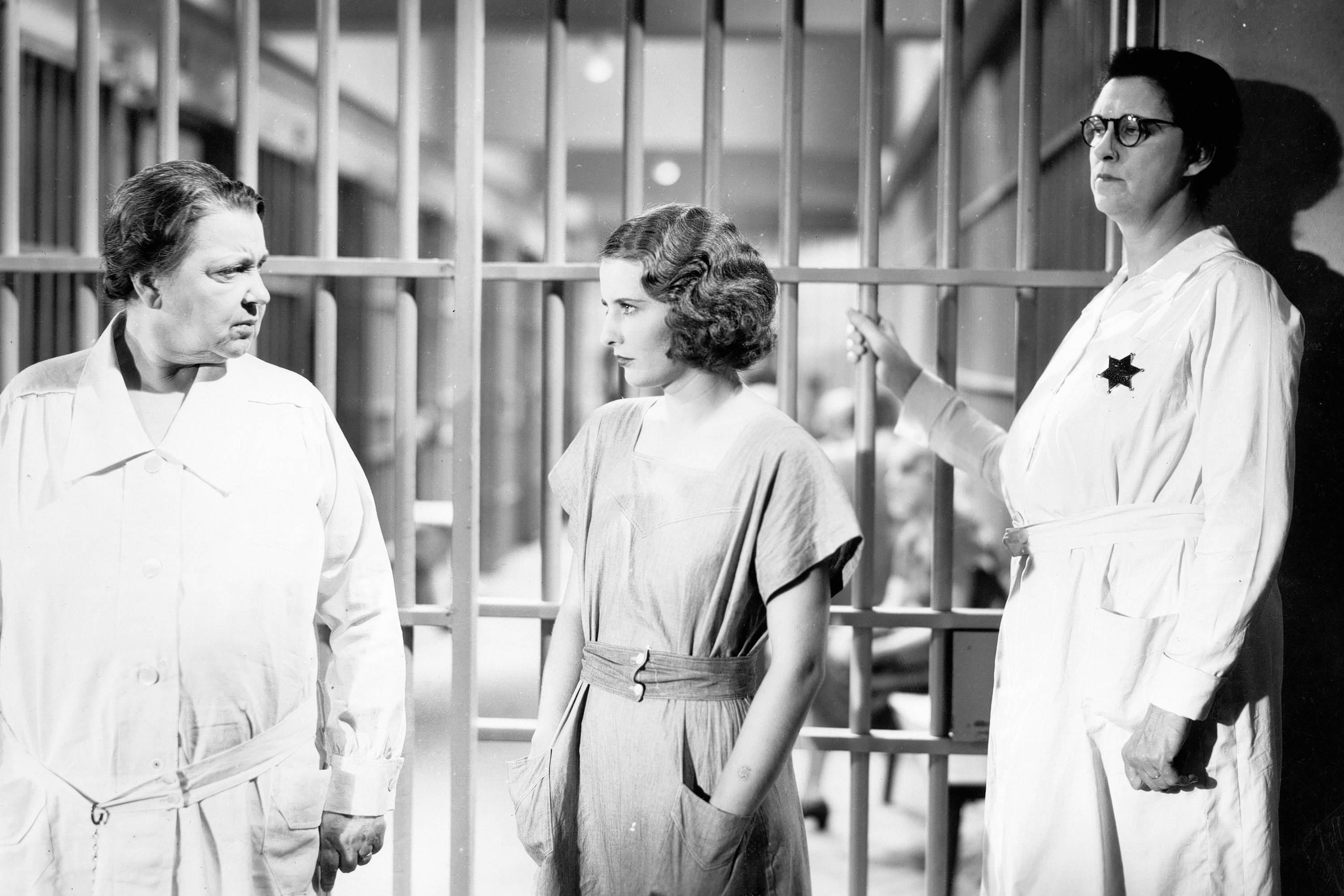
Stanwyck grew up in poverty and saw show business as her only escape. By the time she was 16, she was dancing in nightclubs and in the “Ziegfeld Follies.” At 19, she landed her first acting job in Willard Mack’s The Noose. Through her stage successes, she met her first husband, Frank Fay, who took her to Hollywood with limited success. It took Frank Capra to make her a star in Ladies of Leisure (1930) by helping her learn how to channel her energy for the camera. Stanwyck’s tough image made her one of the queens of pre-Code films. She was at her most forceful as the female convict in Ladies They Talk About (1933) and the seductive opportunist in the much-censored Baby Face (1933).
But Stanwyck had a lighter side as well. She could be funny in screwball comedies like The Mad Miss Manton (1938), as an heiress out to solve a murder. After starring in Remember the Night (1940), writer Preston Sturges was so impressed with Stanwyck that when he started directing, he wrote The Lady Eve (1941) with her in mind. Her role as a con artist out to fleece the wealthy young Henry Fonda was a big hit. That same year, she impressed Billy Wilder, who had co-written Howard Hawks’ Ball of Fire (1941), in which she plays a gangster’s moll mixed up with a group of professors. Wilder was also planning a move into directing and promised to write her a great role one day.
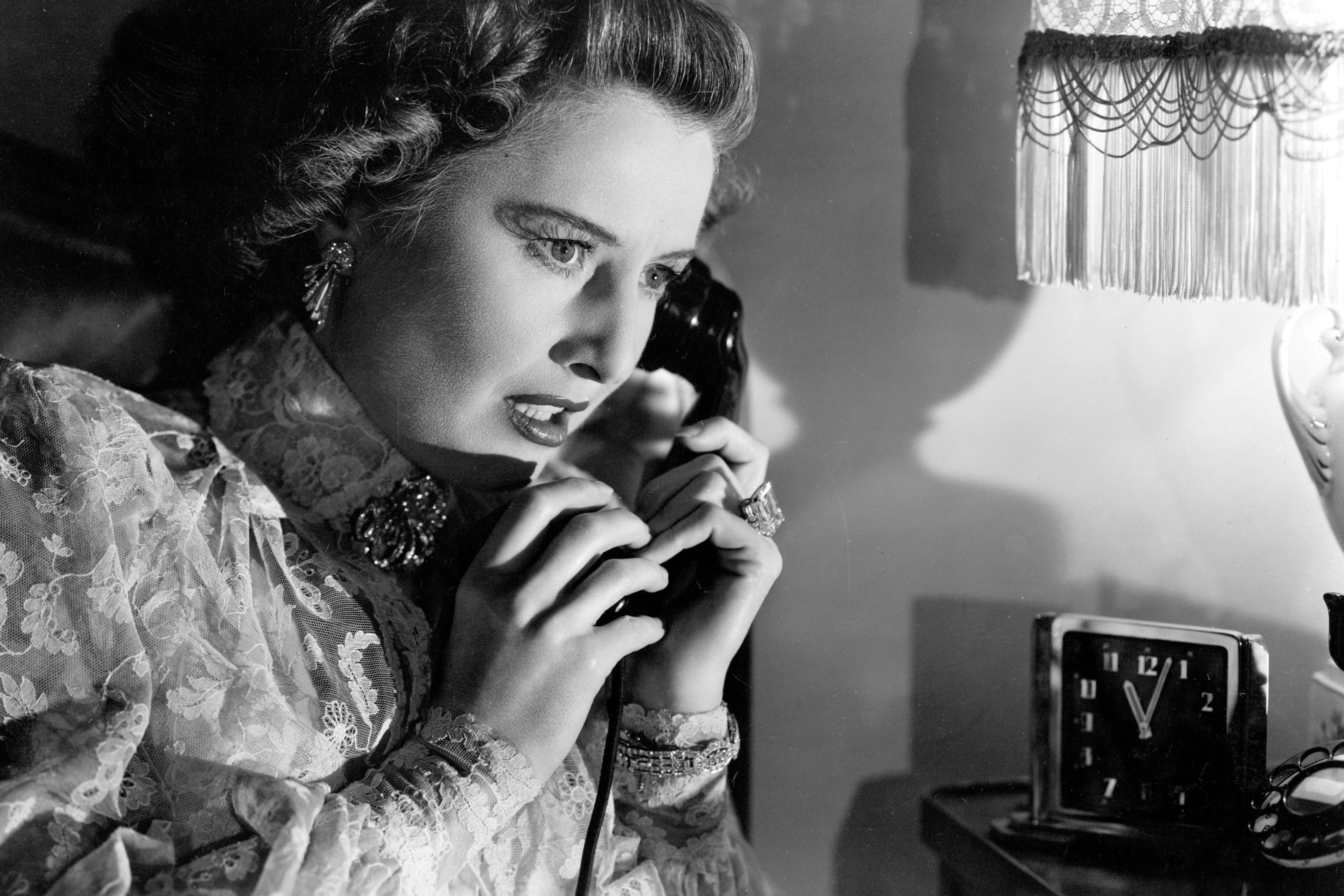
That day came when Wilder cast Stanwyck as the murderous Phyllis Dietrichson in Double Indemnity (1944). Her iconic performance made her one of the queens of film noir. She would follow with such noir films as The Two Mrs. Carrolls (1947), as the innocent wife married to psychotic killer Humphrey Bogart; The Strange Love of Martha Ivers (1946), in which she’s a wealthy woman with a murderous secret; and Sorry, Wrong Number (1948), which stars Stanwyck as an invalid who overhears a phone conversation plotting a murder and desperately tries to get the police to take her seriously.
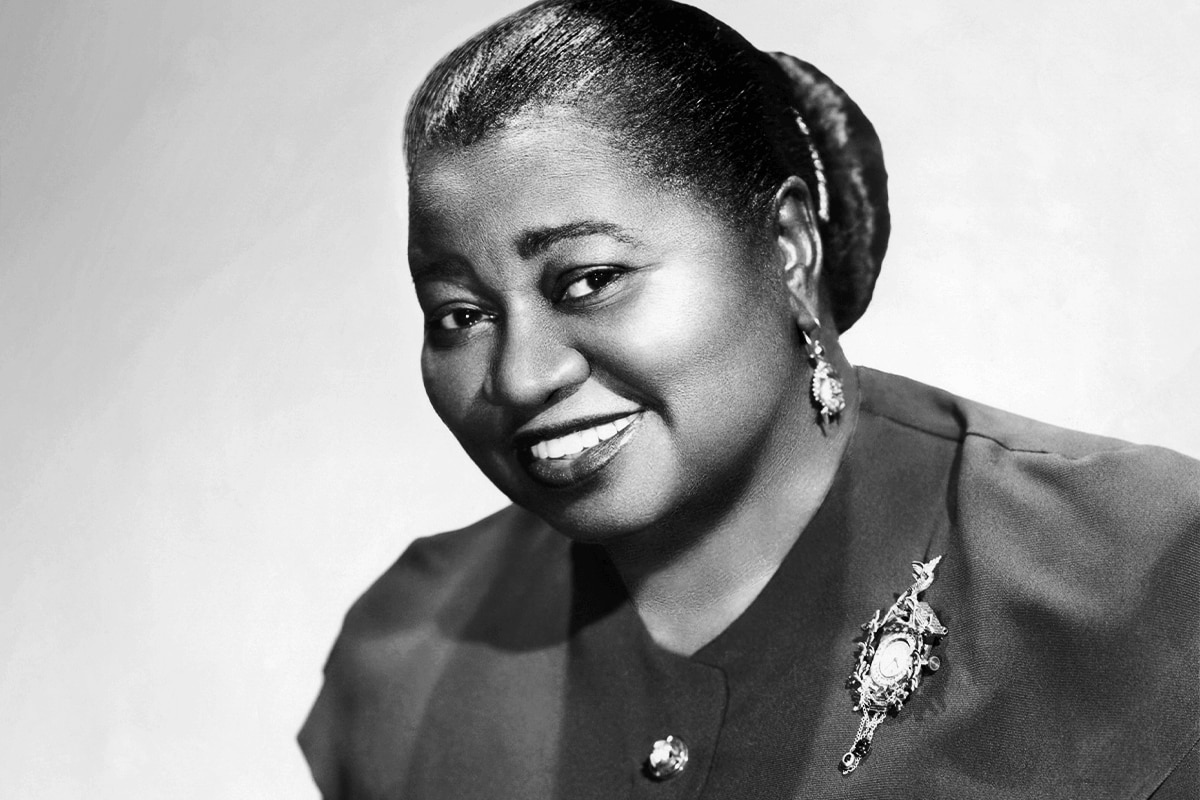
August 19 — Jacqueline Stewart on Hattie McDaniel
Dr. Jacqueline Stewart, a university professor, published author and former president of the Academy Museum of Motion Pictures, has long spent her career providing historical context for Black filmmakers throughout cinema’s history, while also championing unsung African American filmmakers who worked outside of the studio system. Stewart’s background and passion is undoubtedly why she chose star Hattie McDaniel to revisit her career while also celebrating her achievements and talents as an actress.
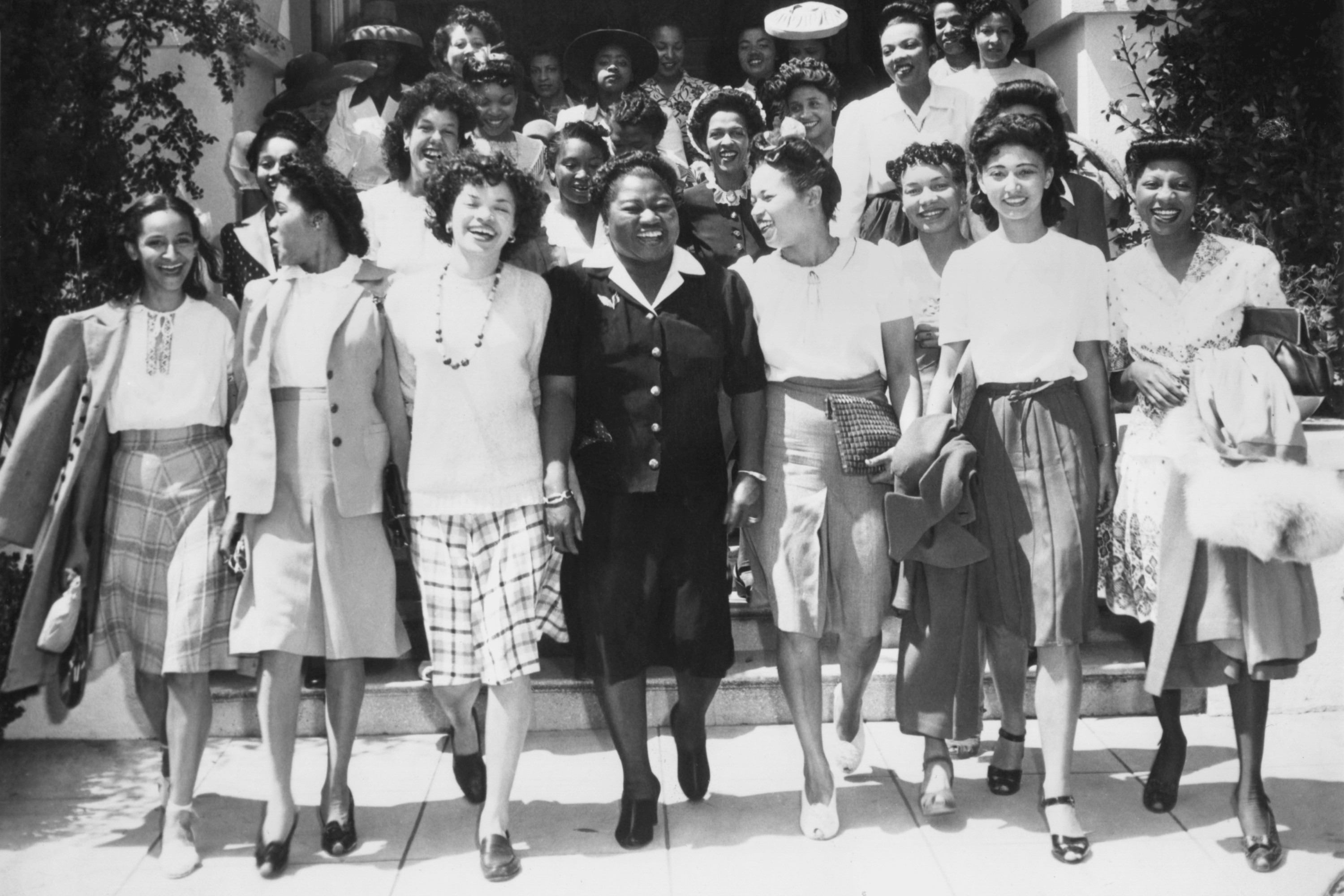
When critics complained about her supporting racial stereotypes by frequently playing domestics, Hattie McDaniel responded, “Why should I complain about making $700 a week playing a maid? If I didn’t, I’d be making $7 a week being one.” The actress knew from experience, as she’d been forced to work as a domestic during her early years, even while her star was rising on radio. McDaniel became the first African American nominated for an acting Oscar and the first to win one. And though she often played domestics smarter than her white employers, she also played her share of stereotypes. Her Oscar-winning performance was in a film heavily criticized for romanticizing slavery.
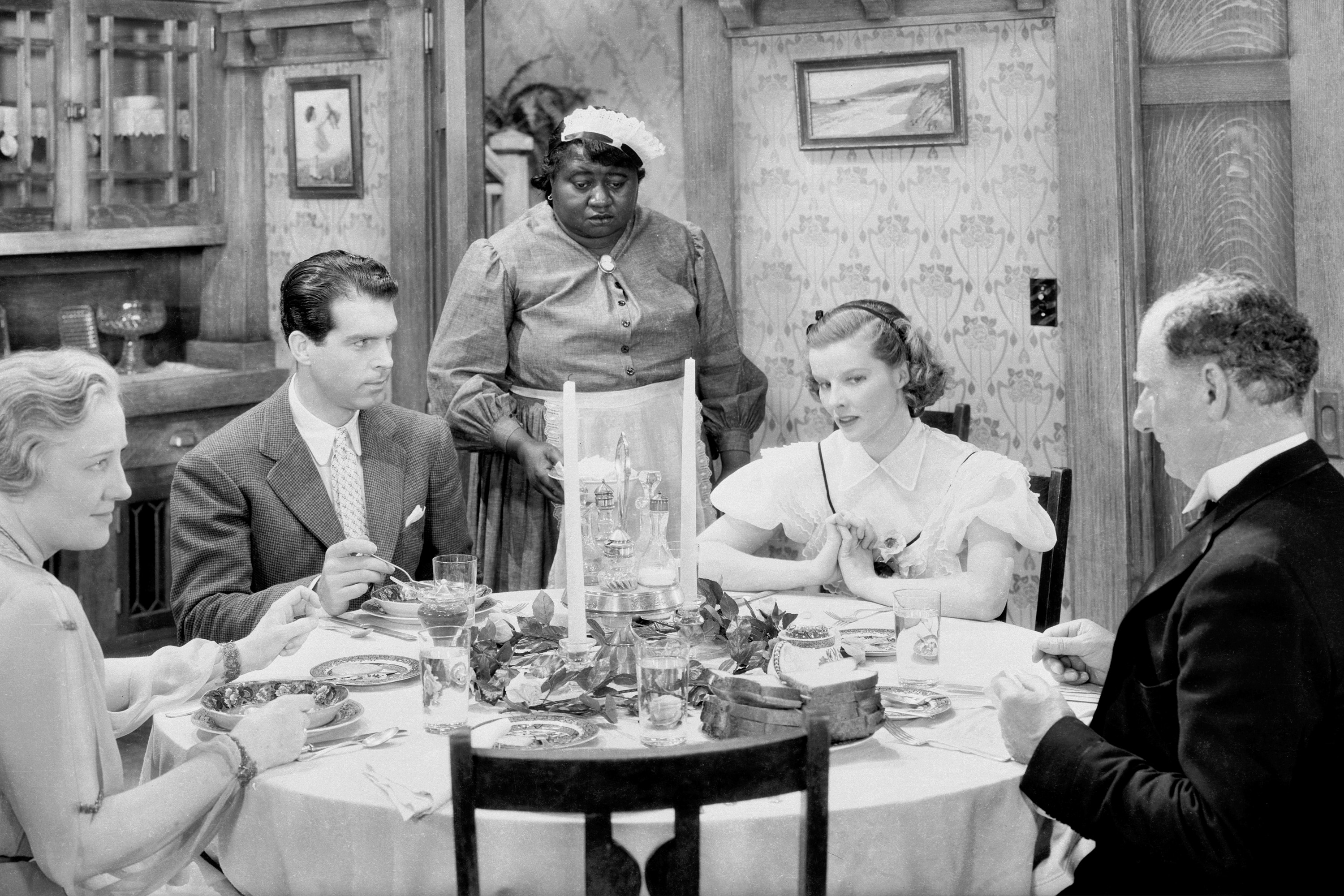
McDaniel started out as a singer and songwriter in minstrel shows. When the Depression made it hard to find performance jobs, she moved to Los Angeles, where she worked as a domestic while building a career in local radio and trying out for movies. She made her film debut as an injured woman in James Whale’s The Impatient Maiden (1932). A year later, she had her first prominent role as one of Mae West’s maids in I’m No Angel (1933). She would play similar roles serving Jean Harlow in China Seas (1935) and Saratoga (1937), Joan Crawford in The Shining Hour (1938) and Magaret Sullavan in The Shopworn Angel (1938), often taking focus with her wry comments on the drama around her. Perhaps her stand-out role was as the rebellious servant serving a disastrous dinner to Katharine Hepburn’s family in George Stevens’ Alice Adams (1935). A year later, she had the rare opportunity to demonstrate her singing abilities on screen in Whale’s Show Boat (1936).
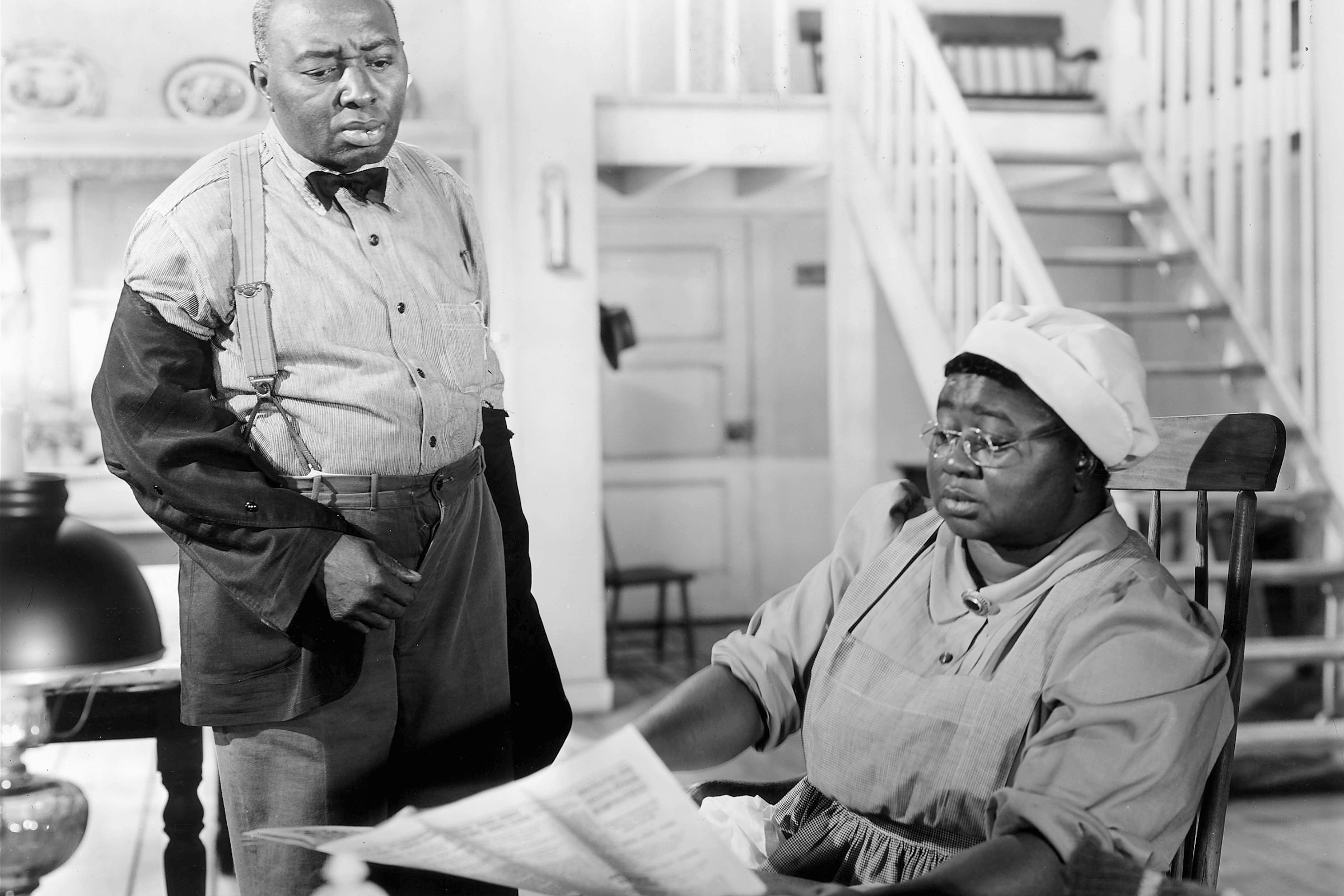
McDaniel’s biggest on-screen success, of course, was Gone with the Wind (1939), which dominates the primetime schedule. Some Southern audiences criticized her character’s familiarity with the film’s white characters, while Black Americans felt frustrated by the plot, which shows freed slaves happily choosing to stay on the Tara plantation after emancipation. Yet the Black press also rallied around McDaniel when producer David O’Selznick began campaigning for her to win the Oscar. Sadly, her hopes that it would lead to better roles were not realized. Hollywood simply was not ready to present a Black actor in larger roles.
There were a few exceptions to her stereotyping. Although she played Bette Davis’s housekeeper in The Great Lie (1941), she was treated as an equal and trusted advisor. That reflected their off-screen relationship, with Davis being one of several film stars — including Clark Gable, Olivia de Havilland and Henry Fonda — who were good friends with the actress. She also had a strong role in another Davis film, In This Our Life (1942). Although again cast as a domestic, she’s the mother of an aspiring lawyer whom Davis tries to frame after getting involved in a hit-and-run accident. Black audiences cheered when McDaniel stood up to Davis in a memorable showdown.
McDaniel wasn’t averse to standing up for herself in real life either. She and several other Black members of the film community had bought expensive homes in the Sugar Hill district of Los Angeles. When white neighbors tried to enforce an expired covenant barring the sale of property to non-whites, she organized her neighbors to take them on in court, resulting in a dismissal of the racists’ suit that set the precedent for the Supreme Court’s 1948 ruling (Shelley v. Kraemer), holding such covenants unconstitutional under the Fourteenth Amendment.
August 21 — Ben Mankiewicz on Marie Windsor
Ben Mankiewicz has several reasons for choosing to introduce the films of B-movie queen and film noir stalwart Marie Windsor. She was far more talented than many actresses starring in top-budget movies. She was a beauty, with large, expressive eyes. She had the ability to make the predatory women she played almost irresistibly sexy. And, most important, choosing her meant his good buddy Eddie Muller couldn’t.
Windsor had the talent to make it as a major star. All that stood in her way was her height, bad timing and bad corporate decisions. At 5,9”, she was too tall to work opposite some of Hollywood’s shorter leading men. The first time Abraham Polonsky had the camera follow her from behind as she slunk across the room to seduce John Garfield in Force of Evil (1948), she towered over her 5’,7” leading man. She compensated by bending her knees as she got closer to him. The anti-Communist hysteria of the late 1940s helped sink Force of Evil at the box office. Playing her first major role in an A feature, Windsor only had two scenes as a gangster’s wife with the hots for mob lawyer Garfield, but she registered so strongly she was prominently featured in the film’s advertising. Though it’s now considered a classic, audiences at the time weren’t interested in a film noir suggesting capitalism was as corrupt as the numbers racket.
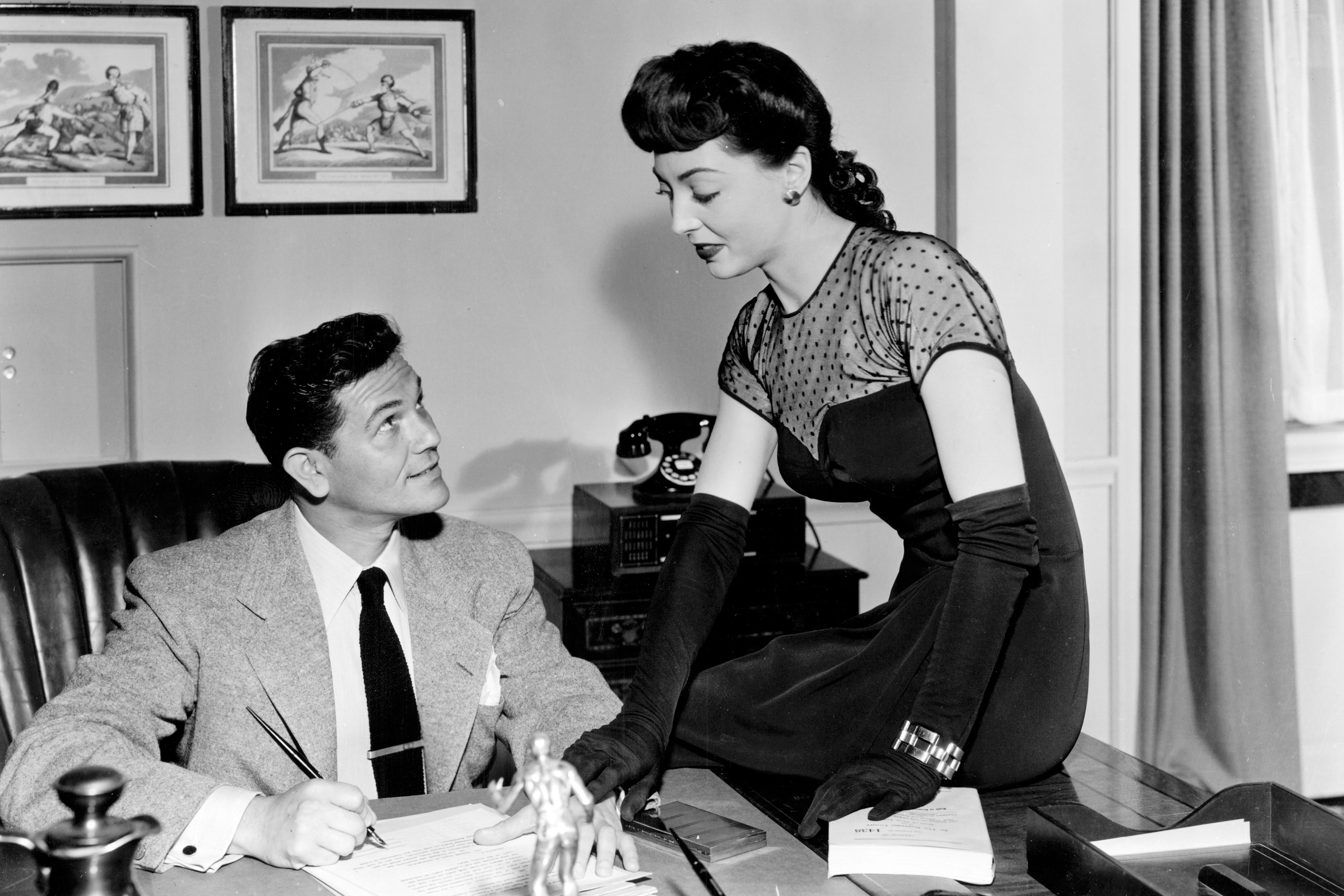
Her next top performance to fall by the wayside was as the gangster’s moll about to give state’s evidence in The Narrow Margin (1952). Richard Fleischer’s innovative thriller was one of RKO’s best pictures. Studio owner Howard Hughes loved it so much that he kept it out of release for two years, hoping to reshoot it with Robert Mitchum and Jane Russell in the leads. Then, he lost interest in the studio and snuck it out in 1952. It scored with critics and audiences, but there was nobody in charge of RKO to help Windsor capitalize on her success. Fortunately, Westerns provided her with a string of vertically gifted co-stars like Randolph Scott in The Bounty Hunter (1954) and Buddy Ebsen in Mail Order Bride (1964), though they usually consigned her to B movies.
Perhaps her best-remembered role was as Elisha Cook, Jr.’s faithless wife in Stanley Kubrick’s great heist drama The Killing (1956). She had some steamy love scenes with boyfriend Vince Edwards and some good bitter lines in her verbal sparring with Cook. But United Artists didn’t believe in the film and sent it out as the bottom half of a double bill. When Windsor got great reviews, there was talk of an Oscar nomination, but nobody at the studio wanted to pay for a campaign, so she used her own money to buy an ad in Variety. Sadly, that wasn’t enough to garner the votes she needed.
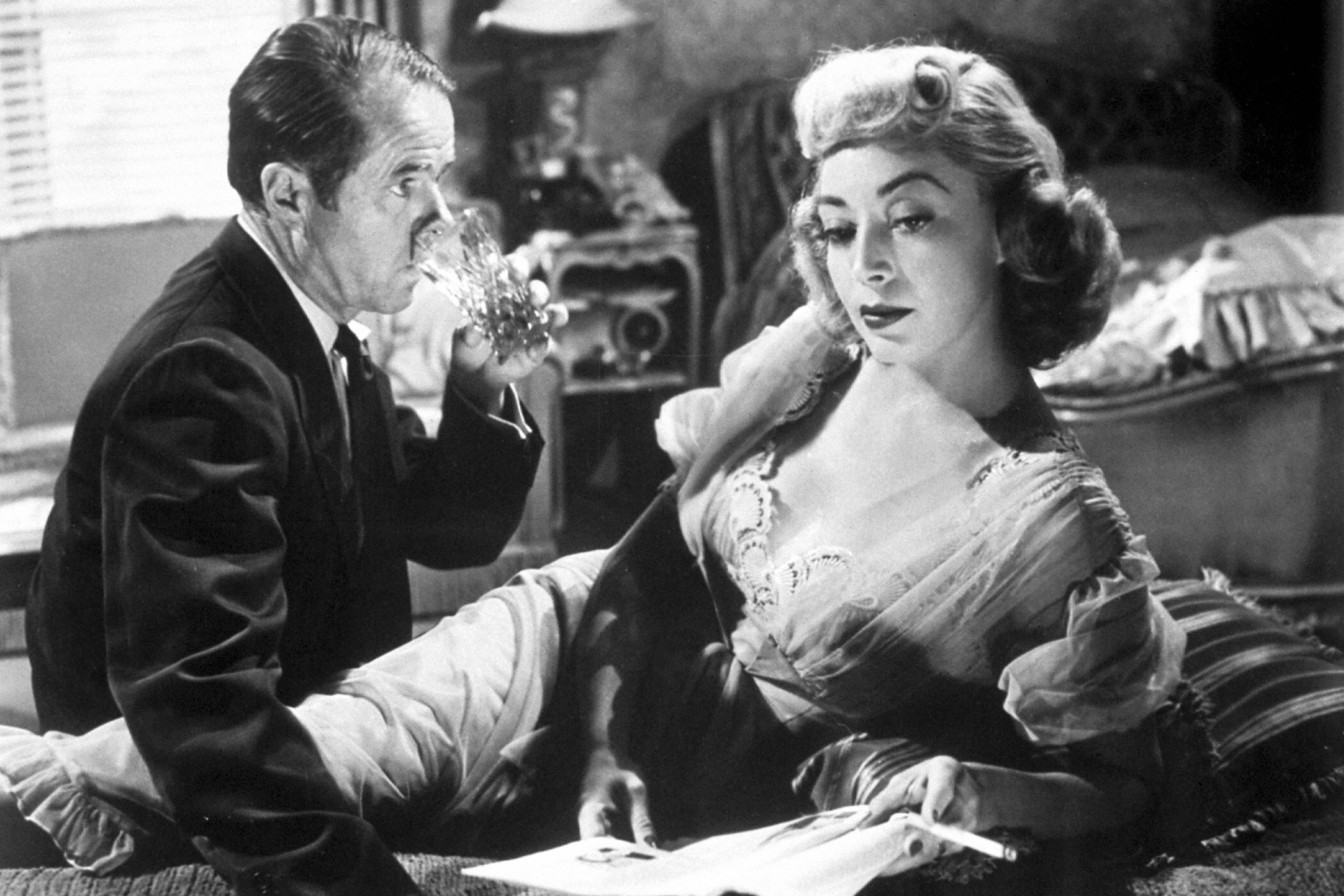
Through it all, she kept working. She had supporting roles in A picture like the Bob Hope-Lucille Ball comedy Critics Choice (1963) and Hearts of the West (1975), starring Jeff Bridges. But she spent most of her time in B movies before moving into television in the 1950s. In later life, she was gratified at the renewed interest in film noir and was a gracious guest at revival screenings. When told she had been labeled “Queen of the Bs,” she quipped, “It’s better to be queen of something than nothing at all.”
August 24 — Dave Karger on Dana Andrews
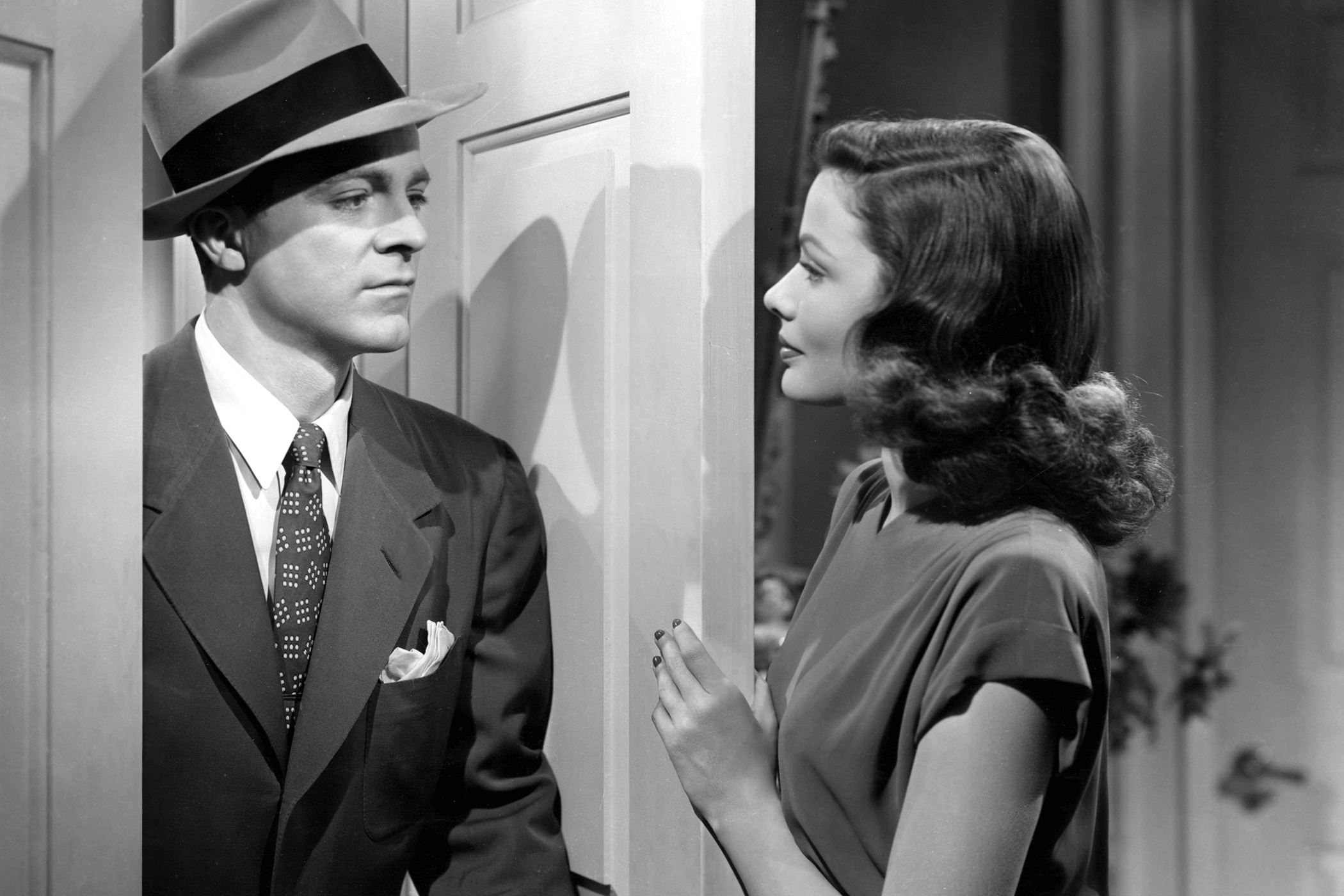
A career reporting on film was not on the horizon for the young Dave Karger until he saw Laura (1944) in a college class. The twisty film noir about a detective who falls in love with a murder suspect captured his imagination and started a lifelong obsession with the movies. He was such a novice, however, that until the closing credits, he thought the detective had been played by Gene Tierney and the beautiful title character by Dana Andrews. Quiet and unassuming in his real life, Andrews built his career playing everyday characters who often had an edge.
He was so natural on screen that he never earned an Oscar nomination, despite giving arguably the best performance in 1946’s big award winner, William Wyler’s The Best Years of Our Lives. Many critics felt his performance—as the war hero who comes home to a job as a soda jerk and a war bride (Virginia Mayo) he hardly knows—was the heart of the film. Andrews was a preacher’s kid who set out to be an opera singer. Performances in non-musical plays at the Pasadena Playhouse and the Hollywood Community Theater led to a contract jointly held by independent producer Sam Goldwyn and 20th Century-Fox. Typed as a dramatic actor, he rarely got to sing on screen. One of his few opportunities came in an early film for Lewis Milestone, The North Star (1943), in which he had one of his first leading roles, as a Ukrainian fighting the Nazi invasion of the Soviet Union.
Andrews achieved stardom as the tough detective out in Otto Preminger’s Laura. Its success with fans and critics marked the start of his long association with film noir. His ability to convey something dangerous lurking just below the surface was perfect for the genre. Among his later noir films were Fritz Lang’s last two American films. In While the City Sleeps (1956), Andrews is a news man who risks fiancée Sally Forrest’s life to catch a serial killer, and in Beyond a Reasonable Doubt (also 1956), he allows himself to be framed for murder to demonstrate the flaws in capital punishment.
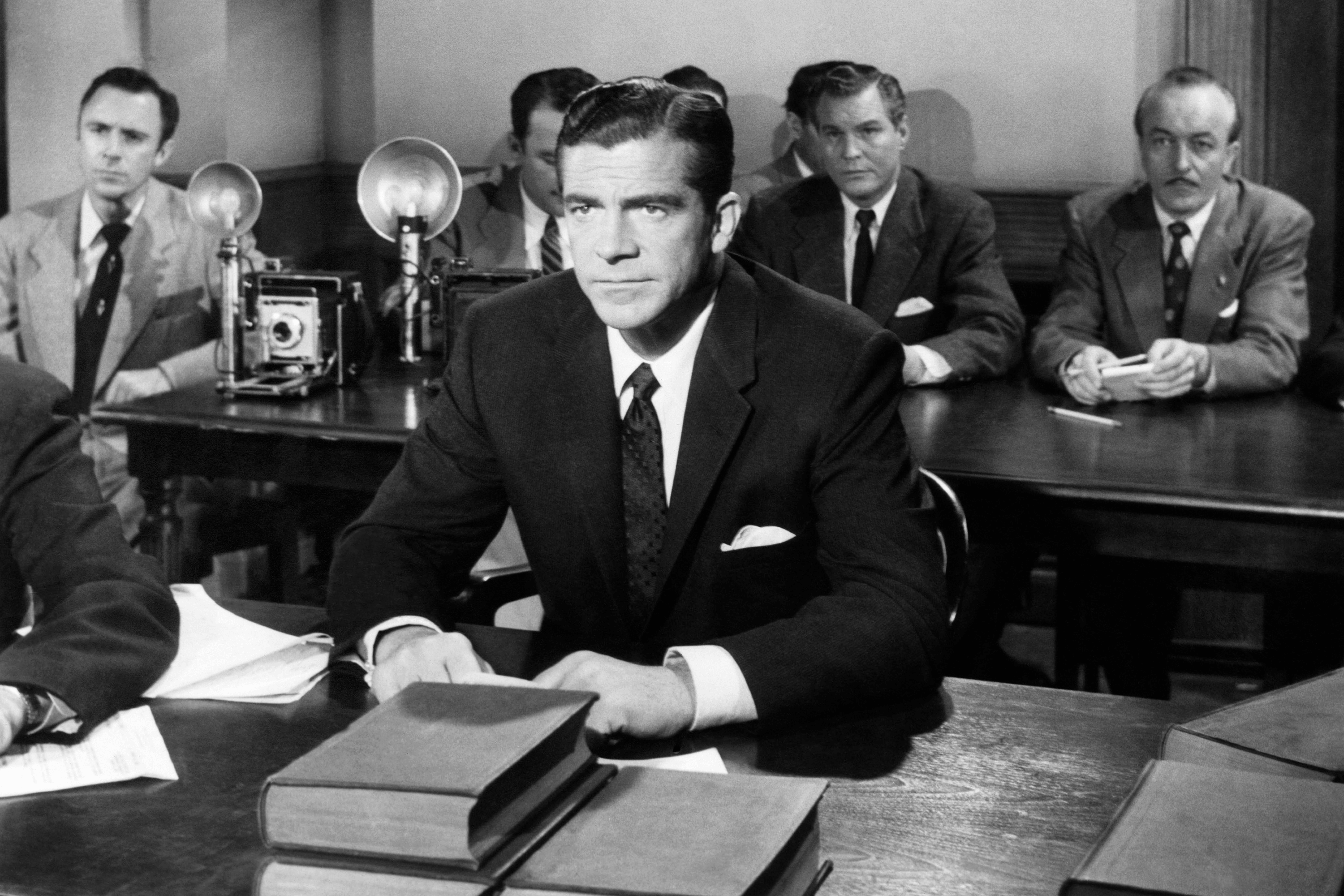
By the 1950s, television had cut into film production, making it hard for actors like Andrews to find decent roles. One of his last good leads was as the disgraced pilot who takes over for an ailing flight crew in The Crowded Sky (1960), the inspiration for the comic parody Airplane! (1980). But increasingly, he moved into supporting parts, often as military men, in films like Preminger’s In Harm’s Way (1965) and Tony Richardson’s The Loved One (1965). Andrews filled in the gap with stage work, often opposite second wife Mary Todd, whom he had met at the Pasadena Playhouse. He also had begun investing in real estate, at one point bragging that his holdings in that field were making more money than his film career ever did.
