The seventies saw film scores go from found music and light accompaniment to bombastic full scale orchestral arrangements with the success of the John Williams' scores for Jaws (1975), Star Wars (1977) and Superman (1978). Rather than employ a composer for Kramer vs. Kramer, Benton instead went with classical pieces, including "Sonata for Trumpet and String" by Henry Purcell and "Concerto in C Major for Mandolin & Strings" by Antonio Vivaldi. As a result of the film's success, Vivaldi's concerto became one of the most popular pieces of classical music that year and interest in Vivaldi peaked, bringing back a revival of interest in his works, including "The Four Seasons."
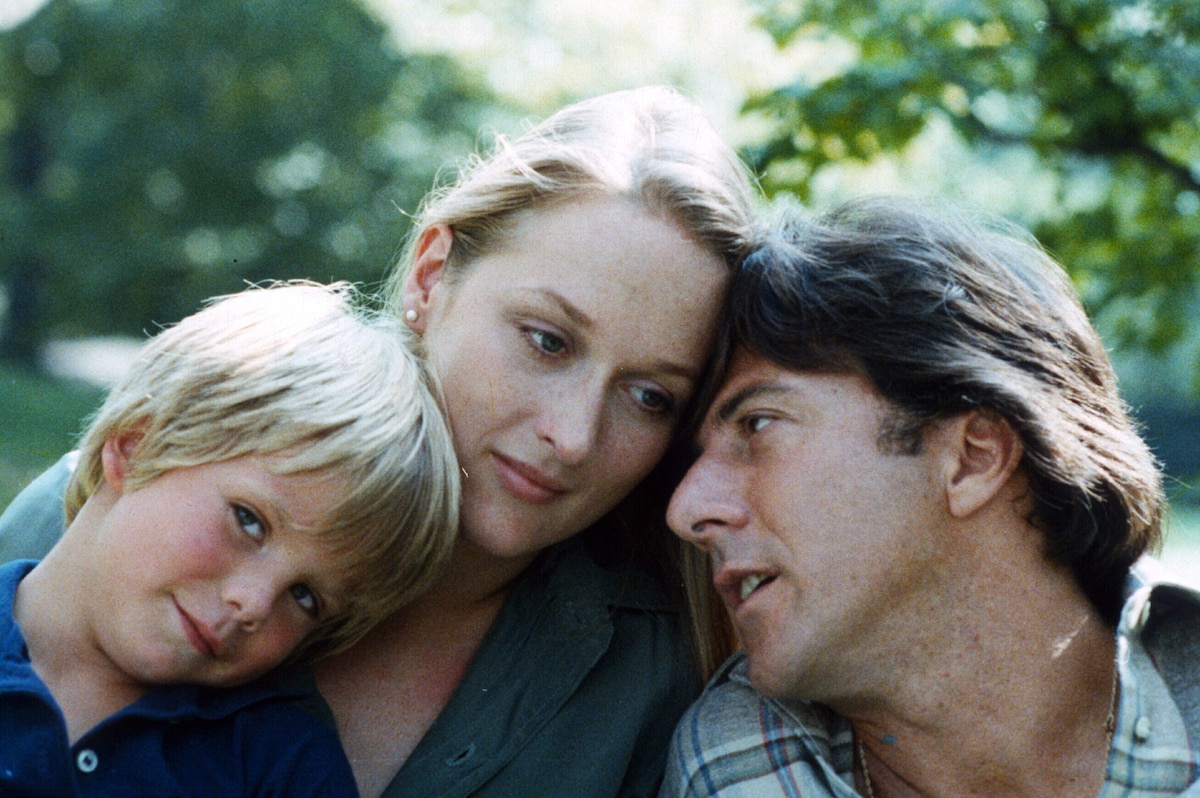
Kramer vs. Kramer had a major cultural impact on how mother/father roles were perceived in society. Time Magazine took the opportunity to do an eight-page spread on the movie and the changing attitudes in American society towards gender equality.
The film's success opened the doors for parody as well. As a result, humorist Bruce Feirstein wrote the satirical book, Real Men Don't Eat Quiche, in response to the changing attitudes in gender and childcare. It topped the New York Times bestseller list for 55 weeks.
Kramer vs. Kramer became one of the few non-blockbuster movies to top the year's top box-office in the post-Jaws landscape, proving that presenting a thoughtful film on divorce and child-custody in the seventies was something many audiences could identify with.
The film was so successful that in one episode of the hit sitcom, Soap, Jessica Tate (Katherine Helmond) revealed on her death bed that her one regret in life was that she had not yet seen Kramer vs. Kramer.
by Greg Ferrara
Pop Culture 101 - Kramer vs. Kramer
by Greg Ferrara | December 30, 2011
SIGN UP FOR OUR NEWSLETTERS

CONNECT WITH TCM